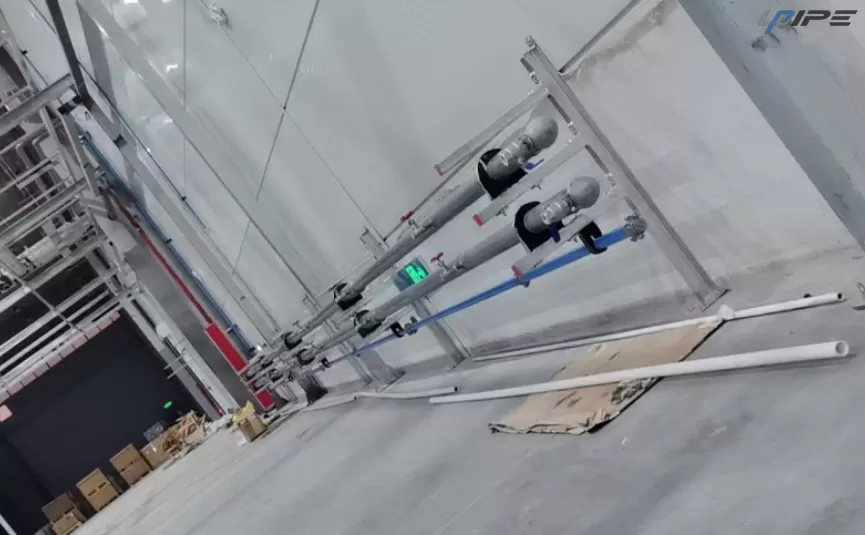
UPIPE aluminium compressed air pipe system delivers clean airflow, low leakage risk, and efficient installation for automotive and CNC workshop pneumatic networks.
Introduction to high-performance air distribution in industrial environments
In automotive plants and precision CNC workshops, stable air delivery is essential for maintaining production continuity and machining accuracy. Any pressure fluctuation or leakage in air distribution can directly affect tool performance, cycle time, and operational consistency. For this reason, facility engineers increasingly prefer an aluminium compressed air pipe system as a long-term infrastructure choice.
Unlike traditional steel or plastic piping, aluminium-based air lines offer a balance of rigidity, corrosion resistance, and installation efficiency. They are designed to maintain internal air purity while reducing pressure drop across long distances. UPIPE focuses on engineering air distribution solutions that support demanding industrial environments where reliability and cleanliness are non-negotiable.
Material integrity and purity in aluminium compressed air piping
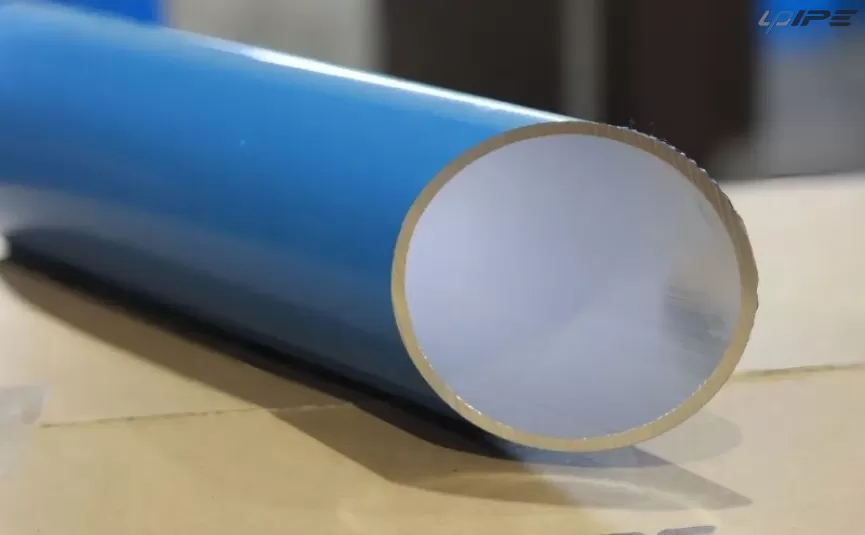
A key factor in air network performance is material composition. UPIPE uses pure aluminium without recycled content, ensuring consistent density and stable mechanical behavior across every pipe section. This approach reduces variability in pressure handling and helps maintain predictable airflow characteristics over time.
Internal surfaces are precisely machined and cut, leaving a smooth flow channel that minimizes turbulence. This is particularly important in compressed air pipes in automotive industry, where pneumatic tools and robotic arms require consistent pressure response. Smooth internal geometry also reduces contamination risks caused by particulate accumulation.
Structural design improvements for industrial air networks
Durability is achieved through both material selection and structural optimization. All pipe models feature a thickened wall design, improving resistance to vibration, mechanical stress, and long-term fatigue. This is especially relevant in CNC environments where continuous vibration is unavoidable.
For larger diameter lines (DN40 and above), pre-formed raised ring sections are integrated to reduce on-site alignment time. This design significantly simplifies compressed air pipe installation, allowing faster assembly without compromising sealing accuracy or structural integrity.
| Design Feature | Functional Benefit |
|---|
| Thickened wall structure | Improved pressure resistance |
| Raised ring design (DN40+) | Faster alignment and assembly |
| Smooth internal surface | Reduced airflow turbulence |
Installation efficiency and workshop adaptability
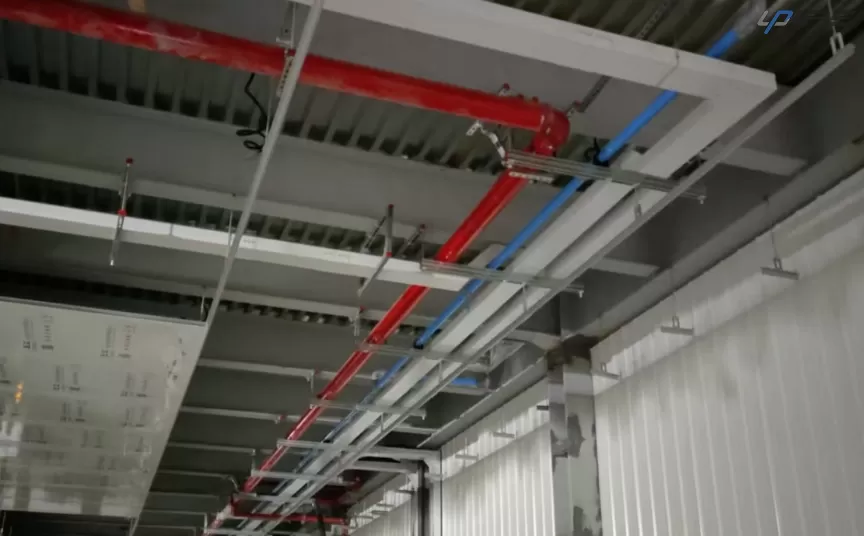
Industrial facilities often prioritize downtime reduction during infrastructure upgrades. The aluminium piping structure supports rapid connection methods, making it easier to install aluminum compressed air pipes in both new and retrofit environments.
UPIPE connectors are produced using integrated molding technology, ensuring uniform strength between bolt and body. This improves mechanical reliability under fluctuating pressure conditions. In addition, sealing elements are manufactured from imported Thai rubber material, offering strong elasticity and vibration resistance, which helps maintain airtight performance even in high-frequency operation zones.
In automotive assembly lines, where pneumatic tools operate continuously, this level of sealing stability directly contributes to reduced energy loss and improved operational efficiency.
Flow optimization and pressure stability design
Efficient airflow is not only about pipe strength but also internal geometry. Elbows, tees, and quick drop components are engineered with directional flow structures that reduce resistance and maintain stable velocity across the network.
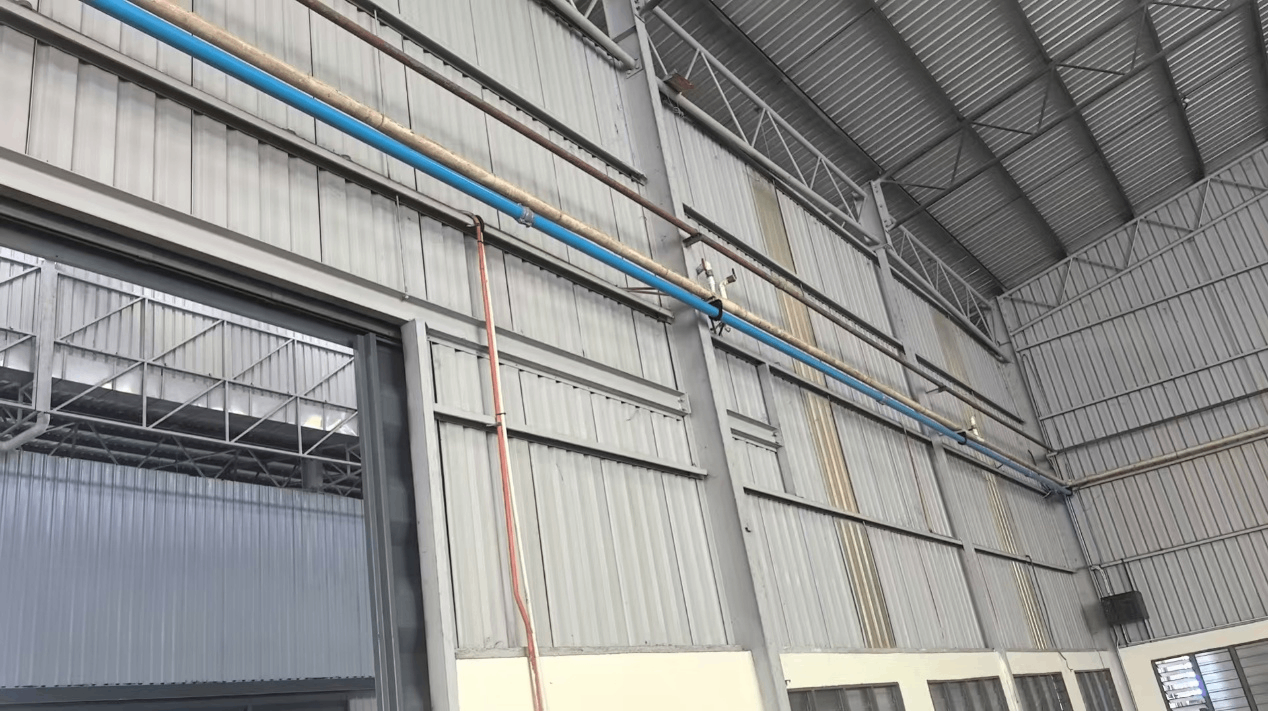
These optimized fittings help reduce unnecessary pressure loss, ensuring that downstream equipment receives consistent air supply. This is particularly important in compressed air pipe installation layouts where long distribution lines are unavoidable.
Key performance improvements include:
Reduced turbulence at directional changes
Lower pressure drop across fittings
Improved air delivery consistency in branching pipelines
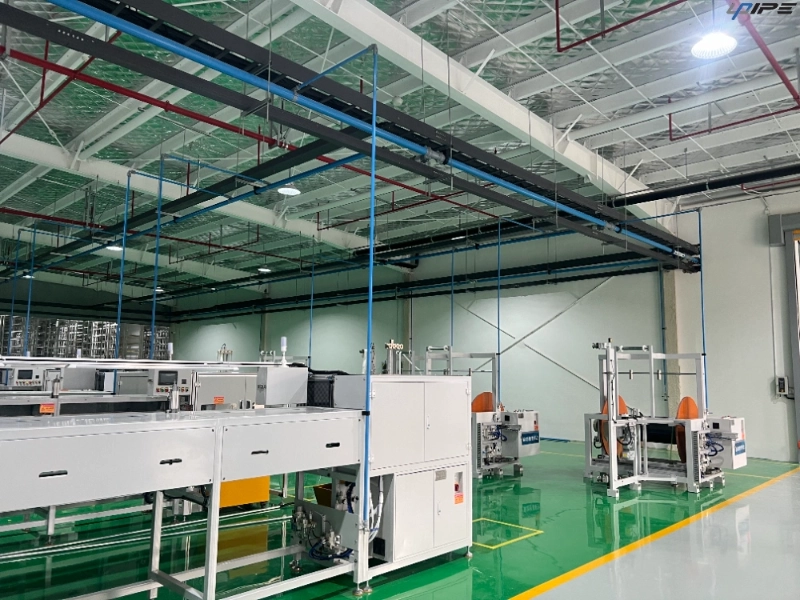
Protection, packaging, and contamination control
To maintain surface integrity before installation, each pipe is protected with a multi-layer packaging approach. Non-woven fabric lining, external plastic sealing, and end caps are applied to prevent dust, moisture, and external contamination.
This level of protection is critical for precision environments such as CNC machining workshops, where even minor particulate contamination can affect tool lifespan and machining tolerance. Clean delivery ensures that the piping network begins operation in an optimal internal condition.
Specialized components for secure and efficient operation
Integrated connector reliability
Pipe-to-pipe connectors are formed as a single structure, ensuring uniform strength distribution. This design eliminates weak points between bolt and body, improving pressure resistance under long-term cyclic loading.
Quick drop engineering design
Quick drops are designed with reinforcement ribs and multi-layer sealing structures to reduce failure risk. The gooseneck configuration prevents condensate backflow, protecting sensitive pneumatic equipment from moisture-related damage. This is particularly relevant in blue compressed air pipe configurations used in visually organized workshop layouts.
Valve stability and control
Ball valves are constructed from integrated aluminium alloy, providing stable mechanical performance over long operational cycles. Their structure supports consistent shut-off behavior without deformation under repeated use.
Application relevance in automotive and CNC environments
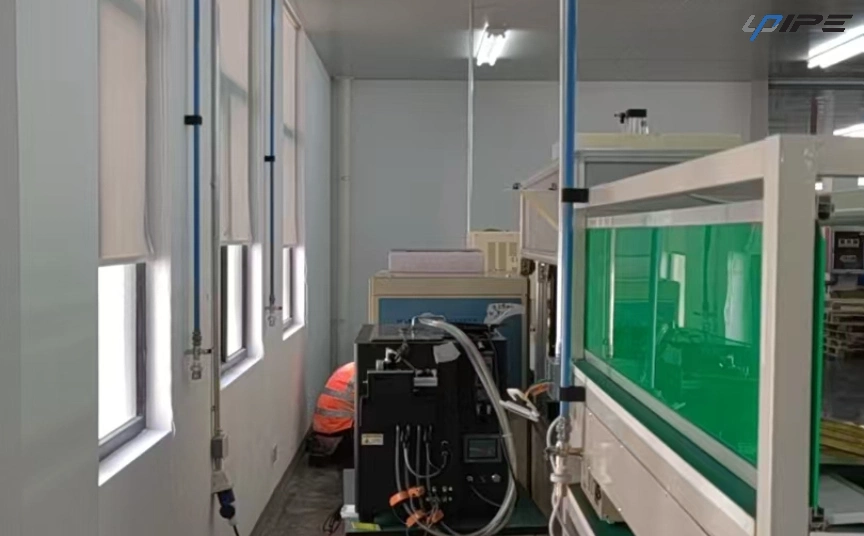
In automotive production lines, compressed air is used for assembly tools, robotic actuators, and surface treatment equipment. A stable piping infrastructure ensures uninterrupted workflow and reduces energy waste caused by leakage or pressure fluctuation.
In CNC workshops, precision machining depends heavily on consistent pneumatic pressure for tool changes, cooling, and automation systems. A well-designed aluminium piping network improves response time and reduces pressure lag across long distribution paths.
These environments benefit directly from optimized airflow design, clean internal surfaces, and reduced maintenance requirements.
Technical comparison overview
| Aspect | Aluminium Piping Solution | Traditional Steel Piping |
|---|
| Internal surface condition | Smooth, low friction | Rough, prone to buildup |
| Installation speed | High efficiency | Time-intensive |
| Corrosion resistance | Strong | Moderate to low |
| Leakage risk | Low with sealing design | Higher due to joints |
| Maintenance demand | Minimal | Frequent inspection required |
Operational advantages across industrial airflow networks
Aluminium air piping delivers consistent airflow behavior even under fluctuating load conditions. Its lightweight structure reduces installation complexity while maintaining mechanical strength suitable for industrial pressure levels.
UPIPE’s engineering approach focuses on reducing energy loss across the entire distribution line. This includes minimizing leakage points, optimizing directional fittings, and improving sealing reliability at every connection stage.
FAQ
What makes aluminium compressed air piping suitable for industrial use?
It offers corrosion resistance, smooth airflow, lightweight structure, and stable pressure performance, making it ideal for continuous industrial operation.
Can aluminium air pipes be used in automotive production lines?
Yes, they are widely used in automotive environments due to their reliability, low leakage risk, and ability to support pneumatic tools and automation systems.
Is installation faster compared to traditional piping materials?
Yes, modular connectors and lightweight aluminium structure significantly reduce installation time and labor requirements.
Why is sealing performance important in air piping networks?
Good sealing prevents air leakage, which reduces energy loss and maintains stable pressure across the entire distribution network.
Does aluminium piping require frequent maintenance?
Maintenance requirements are generally low due to corrosion resistance and stable joint design, reducing long-term operational cost.