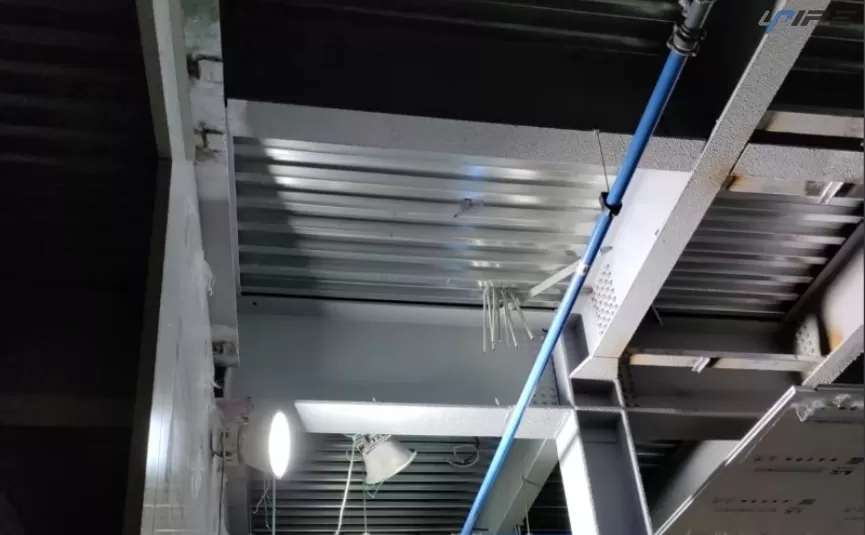
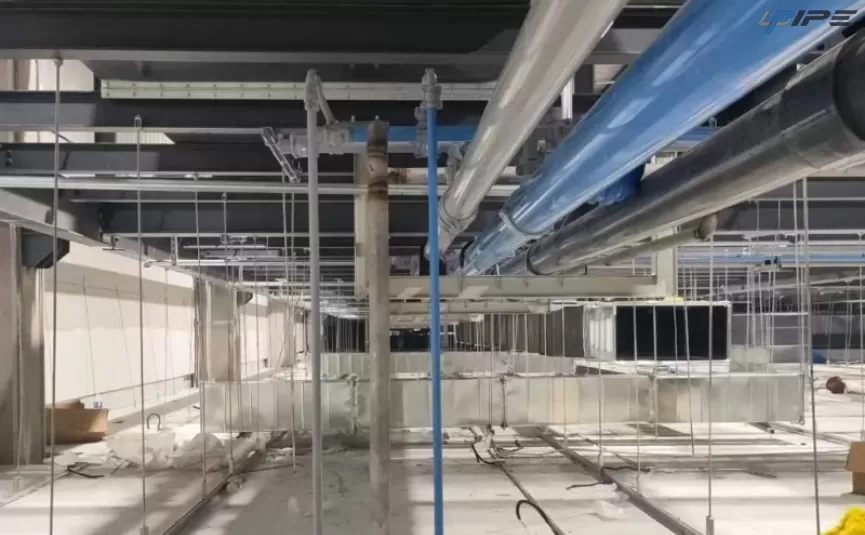
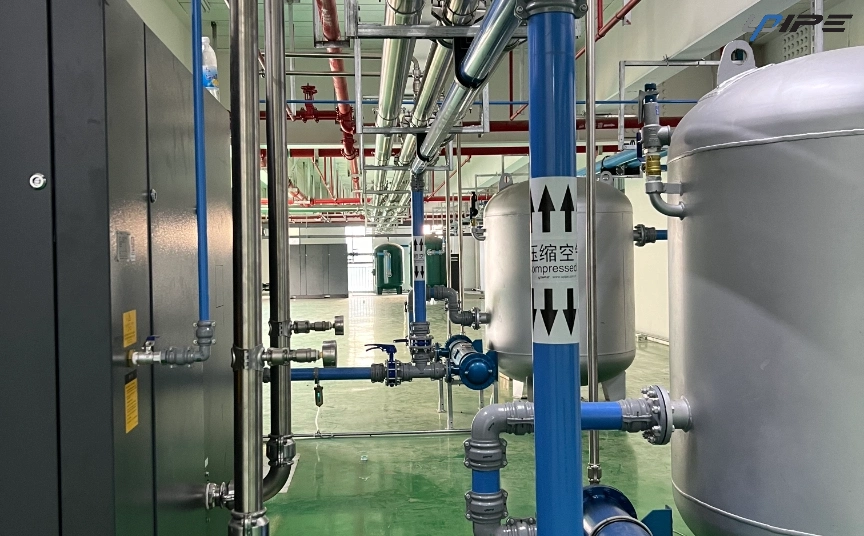
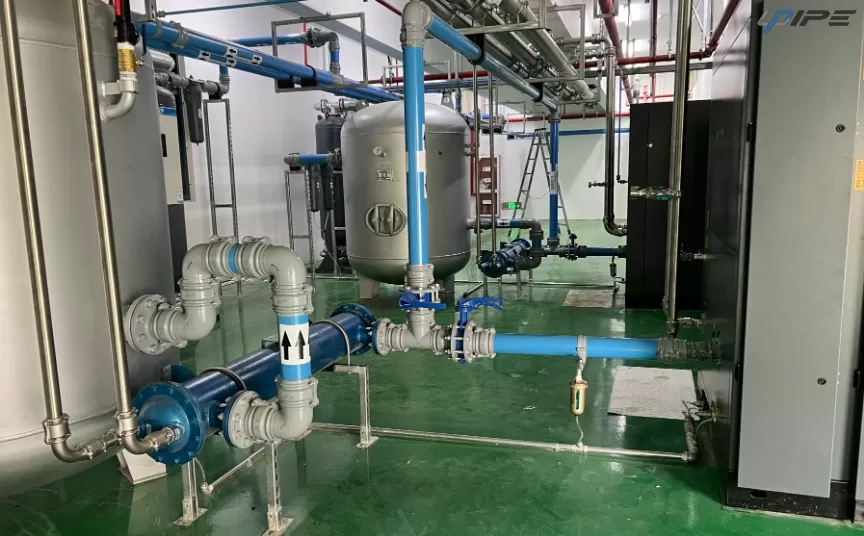
UPIPE aluminum piping helps reduce pressure loss and air leakage with clean surfaces, secure fittings, and durable components for efficient industrial air distribution.
Why Pressure Loss and Air Leakage Deserve Attention
Compressed air is convenient, clean at the point of use, and widely used for pneumatic equipment, production tools, automation, and industrial processes. However, the efficiency of an air distribution network depends heavily on how effectively compressed air travels from the compressor to the equipment. Pressure loss and air leakage are two of the most common problems that reduce distribution efficiency, and both can be influenced by pipe quality, connection design, internal surface condition, and installation accuracy.
A well-engineered compressed air pipe system should therefore do more than provide a route for airflow. It should maintain stable pressure, minimize unnecessary resistance, protect air cleanliness, and create dependable connections throughout the network. UPIPE aluminum piping addresses these requirements through carefully manufactured pipes, integrated fittings, dedicated sealing components, and structural features designed to support efficient industrial air distribution.
How Pipe Design Influences Airflow Efficiency
Pressure loss does not come from a single component. It can accumulate across long pipe runs, bends, tees, valves, connectors, and poorly prepared joints. Internal surface condition is also important because rough or contaminated surfaces can increase resistance as air moves through the pipeline. When pressure drops significantly before reaching the point of use, equipment may not receive the pressure required for consistent operation.
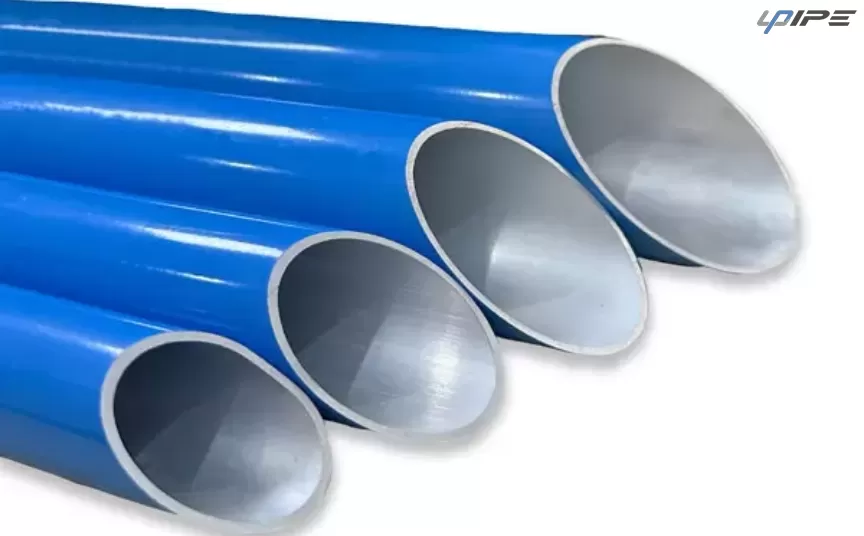
Smooth internal pipe surfaces and appropriately designed flow paths help reduce unnecessary resistance. UPIPE aluminum pipes are precisely cut at both ends, with clean internal surfaces that support consistent airflow. The thickened wall construction used across the pipe range also provides a robust foundation for long-term industrial use while maintaining the practical handling advantages of aluminum.
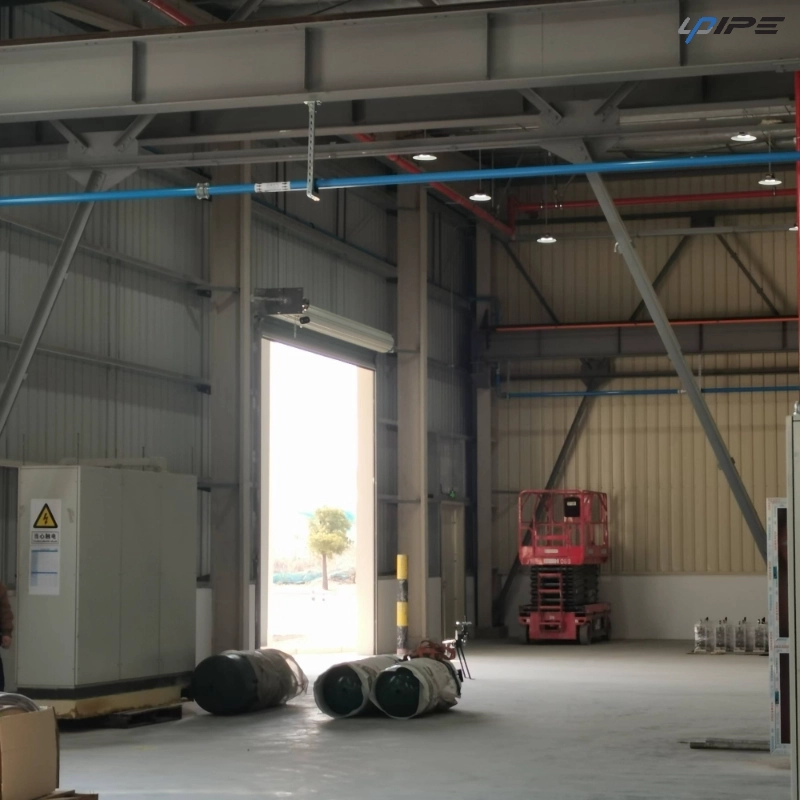
Aluminum Construction for Cleaner Air Distribution
Material selection can influence both maintenance requirements and compressed air quality. Conventional carbon steel piping may develop internal corrosion when moisture remains in the air distribution network. Over time, rust and accumulated deposits can affect the internal passage and create additional maintenance concerns.
UPIPE uses pure aluminum without recycled material for its aluminum piping, providing a corrosion-resistant material for compressed air distribution. Aluminum also offers the advantage of relatively low weight, making pipe handling and positioning more convenient during installation. For facilities where cleanliness, efficient airflow, and practical installation are important, aluminum provides a balanced material choice.
Key Design Features and Their Practical Benefits
| Design feature | Practical benefit |
|---|
| Pure aluminum construction | Supports corrosion-resistant air distribution |
| Precisely cut pipe ends | Provides cleaner, more consistent connections |
| Thickened pipe walls | Adds structural strength and durability |
| Integrated connectors | Supports secure and consistent joining |
| Specialized flow-directing fittings | Helps reduce resistance and pressure loss |
| High-performance sealing rubber | Helps control leakage at joints |
| Reinforced quick drops | Improves structural stability |
| Anti-vibration pipe clamps | Helps maintain connection stability |
Reducing Leakage Through Better Connections
A pipeline can have high-quality pipes and still lose compressed air if the connections are poorly designed. Fittings, valves, drops, and joints create multiple potential leakage points, particularly where vibration, installation errors, or inadequate sealing affect connection performance.
For this reason, connection engineering is just as important as pipe material. UPIPE Pipe to Pipe Connectors use an integrated molding process intended to maintain consistent strength between the connector body and bolt area. This construction provides greater resistance to mechanical stress and supports dependable connections during continuous operation.
The sealing components are another important consideration. UPIPE uses imported rubber raw material from Thailand for its sealing rubber, providing strong sealing performance. A reliable seal helps reduce the risk of compressed air escaping because of vibration or improper installation.
Flow-Directing Fittings Help Control Pressure Loss
Pipe fittings are often treated as simple accessories, but their internal geometry can directly influence airflow. Every elbow, tee, and branch introduces a change in direction, and poorly designed internal passages can create additional turbulence and resistance.
UPIPE incorporates special flow-directing shapes into tees, elbows, and quick drops to improve structural strength while supporting smoother airflow. This approach is particularly useful when designing a distribution route with multiple branches and point-of-use connections.
Instead of focusing only on straight pipe length, engineers should evaluate the complete airflow path. Choosing appropriately designed fittings can help create a more efficient compressed air distribution network and reduce avoidable pressure losses across connection points.
Quick Drops Designed for Stable Air Delivery
Quick drops provide convenient connection points between the main pipeline and pneumatic equipment, but they must also manage mechanical stress and condensate. A weak or poorly sealed drop can become a leakage point, while incorrect positioning may allow condensate to move toward sensitive equipment.
UPIPE quick drops incorporate reinforcement ribs to reduce the risk of breakage caused by uneven stress. Passive locking accessories use high-strength materials to improve structural reliability, while multi-surface sealing provides a more foolproof connection arrangement.
The gooseneck design is another practical feature. It helps prevent condensate water from flowing downward into the connected piping, providing an additional layer of protection for downstream equipment. Quick drops can also be supplied according to installation requirements, helping reduce preparation time during pipeline assembly.
Managing Vibration Across the Pipeline
Industrial equipment can generate continuous vibration, and this movement can gradually affect pipe connections if the distribution network is not properly supported. Repeated vibration may place additional stress on fittings, seals, and joints, increasing the possibility of leakage over time.
Anti-vibration pipe clamps provide additional mechanical support for the piping network. By securing the pipeline appropriately, they help limit unwanted movement and maintain connection stability during operation. Correct clamp positioning and installation remain important, particularly around equipment connections, changes in direction, and branch points.
A reliable installation should therefore consider not only airflow calculations but also the mechanical environment surrounding the pipeline.
Preparing Pipes for Faster Installation
Installation quality has a direct relationship with long-term performance. Poorly prepared pipe ends, inaccurate cuts, contaminated connection surfaces, or incorrect fitting assembly can create sealing problems even when high-quality components are used.
UPIPE pipes are precisely cut at both ends with clean inner surfaces, helping reduce preparation work and supporting more consistent assembly. For larger pipe sizes, pre-treated raised rings can also help save on-site installation time by reducing additional preparation requirements.
This type of manufacturing attention can make a significant difference when large quantities of piping and fittings need to be assembled. Faster installation is valuable, but consistency is even more important because every connection contributes to the overall reliability of the compressed air network.
Protecting Piping During Storage and Transportation
Air distribution efficiency begins before installation. Pipe surfaces can be exposed to dust, moisture, or other contaminants during transportation and storage if packaging is inadequate. Contamination at the pipe opening can eventually become a concern during assembly, particularly in environments where clean compressed air is important.
UPIPE uses non-woven fabric lining, external plastic sealing, and sealed pipe ends to provide additional protection during handling and transportation. Keeping pipe interiors protected helps preserve the clean condition established during manufacturing and reduces unnecessary cleaning work before installation.
This is a small but valuable part of overall quality control because pipeline cleanliness should be considered throughout the supply chain, not only after the material arrives at the facility.
Valves and Clamps Support Long-Term Maintenance
A practical industrial compressed air piping solution should allow maintenance personnel to isolate sections of the network when required. Ball valves provide a convenient way to control airflow and separate areas for maintenance or modification.
UPIPE ball valves use integrated aluminum alloy construction to support long-term stability and secure operation. Combined with appropriately positioned pipe clamps, valves help create a distribution network that is easier to manage during routine maintenance.
Good accessibility should be considered during the initial layout. Placing isolation points where they can be reached easily can reduce unnecessary downtime when a connection, branch, or downstream component needs attention.
A Better Approach to Compressed Air Pipe Installation
Successful compressed air pipe installation requires more than connecting straight pipes with fittings. The entire network should be considered from the perspective of airflow, mechanical stability, sealing, condensate management, and maintenance access.
Pipe routes should avoid unnecessary bends, while fittings should be selected according to both connection requirements and airflow characteristics. Pipe supports should be adequate for the installation environment, and quick drops should be positioned to provide convenient equipment connections without creating unnecessary hose lengths.
Installation teams should also follow correct preparation and assembly procedures. Even a high-quality compressed air pipe can perform poorly if fittings are incorrectly installed or seals are damaged during assembly.
What to Look for in an Efficient Aluminum Air Piping Solution
When evaluating an aluminum compressed air piping solution, it is useful to look beyond basic material specifications. The quality of the complete product range matters because pipes, connectors, seals, valves, drops, and clamps all interact during operation.
The following considerations can provide a practical purchasing checklist:
Material quality and corrosion resistance
Clean and accurately prepared pipe ends
Pipe wall strength and structural durability
Connector manufacturing quality
Sealing reliability under vibration
Internal fitting geometry
Condensate protection at drop points
Installation efficiency
Pipe support and anti-vibration performance
Packaging and contamination protection
Availability of matching accessories
This broader approach helps buyers evaluate whether a compressed air pipe system is designed as a complete distribution solution rather than simply a collection of individual components.
Why UPIPE Is a Practical Choice
UPIPE develops aluminum piping solutions for compressed air, vacuum, and inert gas applications. Its product range combines aluminum pipes with connectors, tees, elbows, quick drops, ball valves, clamps, sealing components, and other accessories required for industrial air distribution.
The emphasis on material quality, precision cutting, connection strength, sealing performance, flow-directed fittings, and installation convenience gives UPIPE piping a practical foundation for industrial applications. These details work together to address two major concerns in compressed air distribution: unnecessary pressure loss and air leakage.
For manufacturers upgrading aging pipework or planning a new distribution network, evaluating these details can help create a more dependable and maintainable air delivery route.
Final Thoughts on Pressure Loss and Air Leakage
Solving compressed air pressure loss and leakage requires a complete approach. Pipe material, internal surface condition, fitting geometry, connection strength, sealing quality, vibration control, and installation practices all influence the final performance of the network.
UPIPE aluminum piping combines these considerations into a coordinated range of components designed for efficient compressed air distribution. Pure aluminum construction helps resist corrosion, precisely prepared pipe ends support installation consistency, specialized fittings help manage airflow, and reliable sealing components help reduce leakage risks.
For industrial facilities looking to improve air distribution efficiency, the right compressed air pipe system should be selected according to the complete operating environment rather than one specification alone. Careful engineering and quality components can help maintain stable airflow, reduce avoidable losses, and provide a more dependable foundation for long-term production.
FAQ
How does an aluminum pipe help reduce pressure loss?
A smooth internal surface can reduce airflow resistance, while appropriately designed pipe diameters and flow-directing fittings help limit unnecessary pressure loss throughout the distribution route.
What causes compressed air leaks in piping networks?
Leaks commonly occur around fittings, valves, seals, and joints. Vibration, incorrect installation, damaged sealing components, and mechanical stress can increase leakage risks over time.
Why are quick drops important in compressed air distribution?
Quick drops provide convenient equipment connection points while also helping manage condensate and mechanical stress. Properly designed drops can improve usability and protect downstream equipment.
How can vibration affect compressed air piping?
Continuous equipment vibration can place stress on fittings and seals. Proper pipe support and anti-vibration clamps help limit movement and maintain connection stability.
Why choose UPIPE for an aluminum compressed air pipe system?
UPIPE combines pure aluminum pipes with precision-manufactured connectors, sealing components, flow-directing fittings, quick drops, valves, and anti-vibration clamps to support efficient and dependable industrial air distribution.