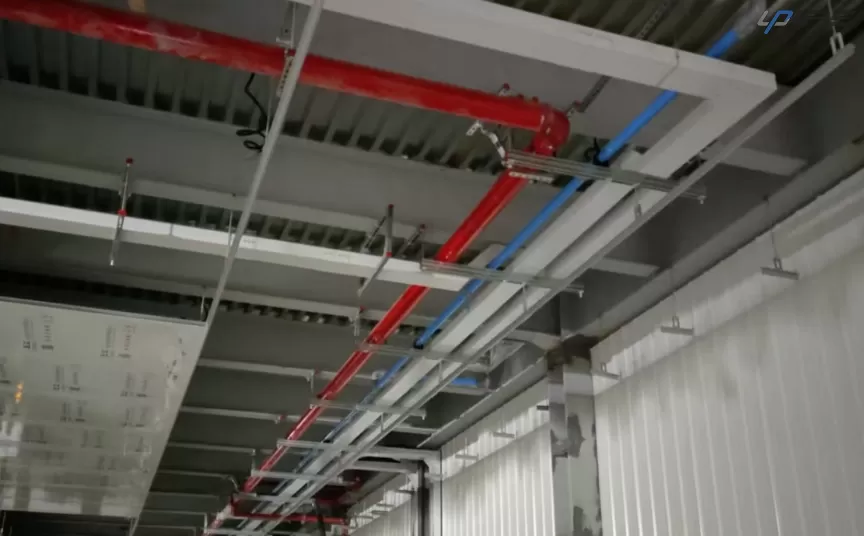
In textile production environments, compressed air is not only a utility but a core enabler of consistent operation across spinning, weaving, dyeing, and finishing stages. Air quality, pressure stability, and leakage control directly influence both product quality and energy consumption. Within this context, an aluminum compressed air pipe system has become a preferred infrastructure choice due to its balance of mechanical strength, corrosion resistance, and installation efficiency. The approach to designing and implementing compressed air piping in such facilities requires careful attention to material behavior, connection integrity, and long-term maintenance performance.
Material Selection in Aluminum Compressed Air Pipe System for Textile Environments
Selecting the right piping material is essential for maintaining stable airflow and reducing operational losses. In textile environments, humidity, fiber dust, and continuous vibration can challenge conventional piping materials. An aluminum compressed air pipe system offers a lightweight yet durable structure that resists internal corrosion and minimizes pressure drop across long distances.
Unlike traditional steel pipelines, aluminum does not accumulate internal rust, which helps maintain clean airflow quality. This is particularly important where pneumatic equipment sensitivity affects production consistency. Additionally, aluminum’s smooth internal surface supports efficient air movement, reducing compressor workload and improving overall energy utilization.
A well-designed compressed air infrastructure must also accommodate modular expansion. Aluminum piping allows flexible layout adjustments without compromising sealing integrity, making it suitable for evolving factory layouts.
Compressed Air Distribution Networks in Textile Plant Design
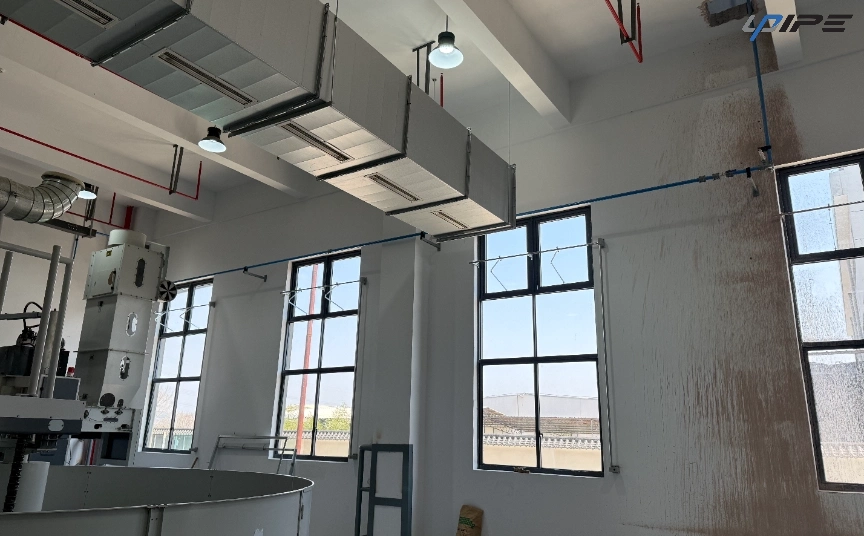
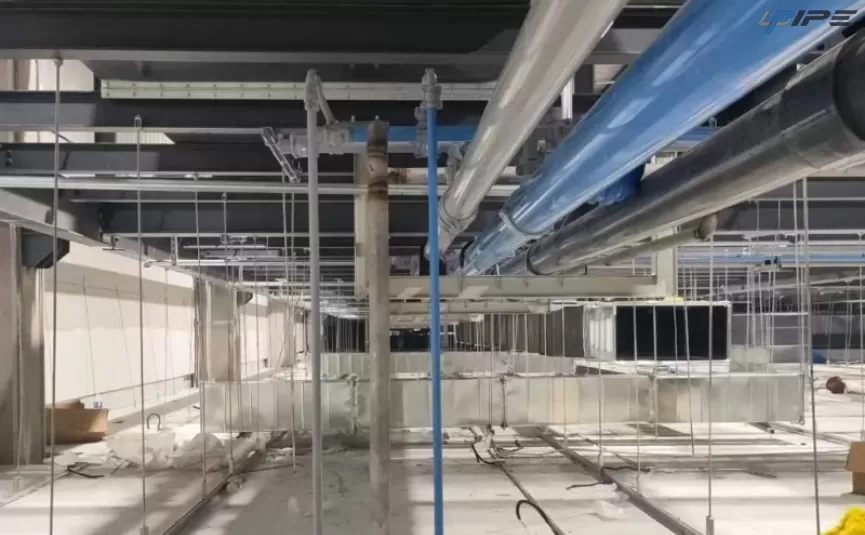
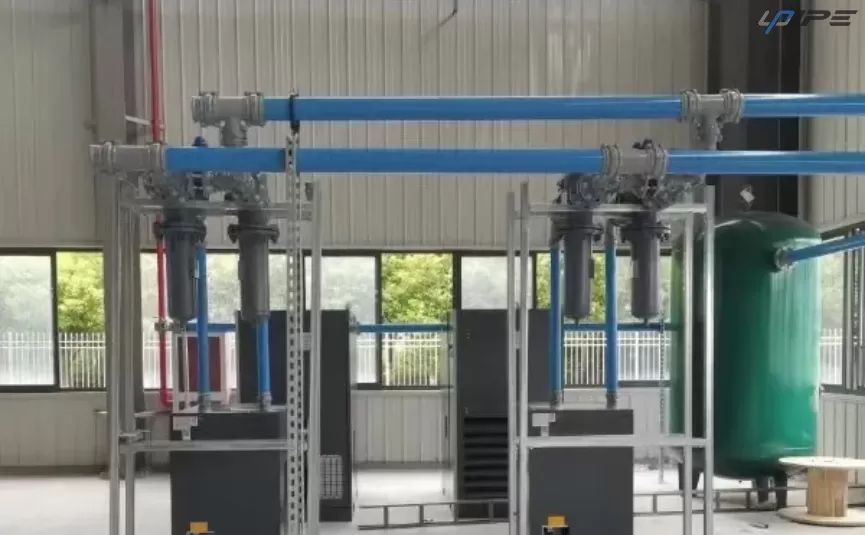
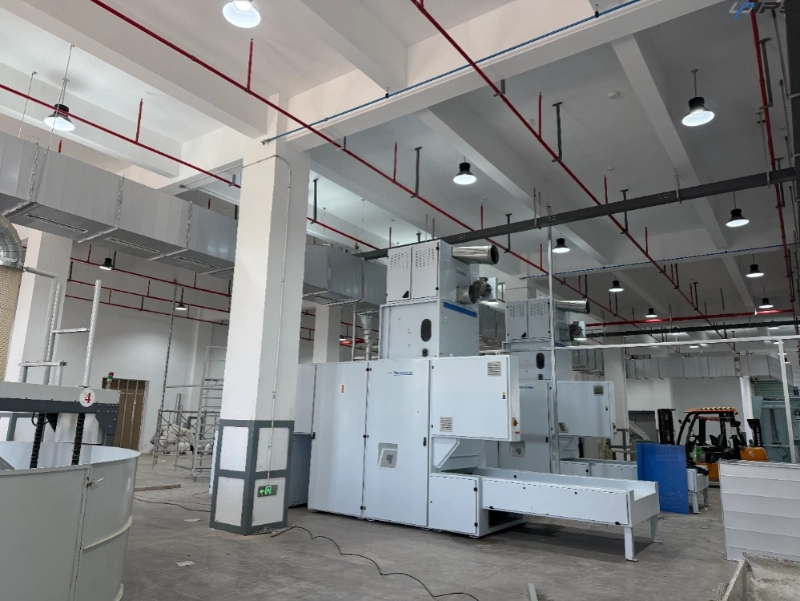
Efficient airflow delivery depends on how well the compressed air distribution networks are structured across the facility. Textile production floors often require branching air routes that supply multiple machines simultaneously while maintaining stable pressure levels.
The aluminum compressed air pipe system supports structured distribution layouts that reduce turbulence and pressure loss. Its modular fittings allow precise routing, ensuring air reaches each workstation with consistent performance. Proper network design also reduces the risk of localized pressure drops, which can affect machine output quality.
In addition, aluminum piping contributes to reduced vibration transmission, which is beneficial in environments with high-speed mechanical equipment. This stability helps maintain consistent operational conditions across different production zones.
Protection and Packaging in Aluminum Compressed Air Pipe System Components
Proper handling and packaging of piping materials significantly influence installation quality and long-term reliability. In high-precision industrial environments, contamination prevention is critical from storage to installation.
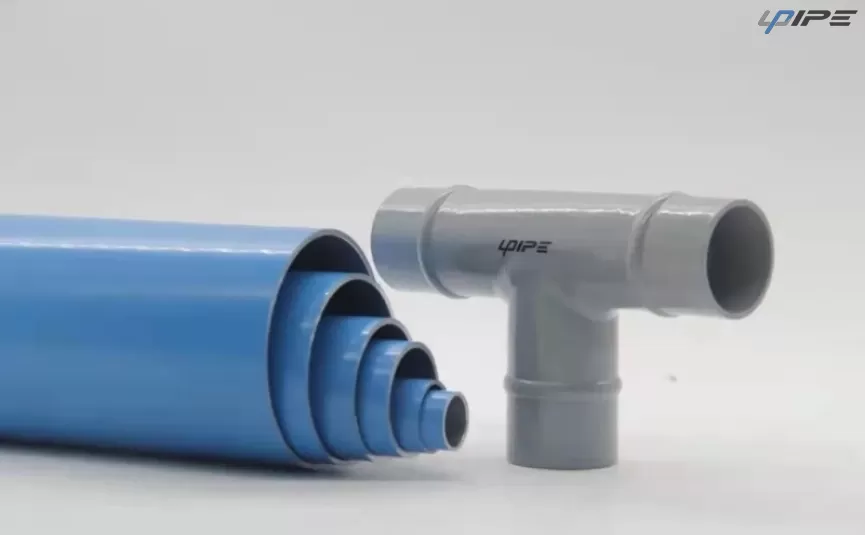
Pipe packaging includes non-woven fabric lining, external plastic sealing, and sealed ends to prevent external contamination. This layered protection ensures that internal surfaces remain clean and free from dust or particles before installation. Maintaining cleanliness at this stage is essential for preserving airflow purity once the pipeline is operational.
Such protective measures also reduce the need for pre-installation cleaning procedures, improving project efficiency while ensuring consistent quality standards.
Pipe to Pipe Connectors and Structural Integrity
Connection reliability plays a central role in compressed air infrastructure performance. Pipe to Pipe Connectors are manufactured using an integrated molding process, ensuring consistent strength between the bolt and body structure. This design enhances pressure resistance and reduces the risk of deformation under long-term operational stress.
The precision of integrated molding also improves alignment accuracy during installation, which helps maintain stable airflow pathways. A secure connection minimizes micro-leakage risks that can gradually reduce system efficiency over time.
By improving structural integrity at connection points, the aluminum compressed air pipe system achieves greater operational stability across complex layouts.
Sealing Performance and Rubber Material Quality
Air leakage is one of the most common efficiency losses in compressed air networks. High-performance sealing materials are therefore essential to maintain energy efficiency and operational reliability.
Sealing rubber is made from imported rubber raw material from Thailand, providing strong sealing performance and effectively avoiding air leakage due to vibration or improper installation. This material selection enhances elasticity and long-term durability, even under continuous pressure fluctuations.
Strong sealing performance is particularly important in textile environments where machinery operates continuously. A stable sealing interface helps maintain consistent pressure delivery across all production zones.
Flow-Optimized Fittings in Aluminum Compressed Air Pipe System Design
Airflow direction and resistance management significantly influence overall network efficiency. Components such as tees, elbows, and quick drops are designed with special flow-directing shapes to enhance structural strength and reduce pressure loss.
These fittings minimize turbulence inside the pipeline, ensuring smoother airflow transitions at directional changes. Reduced turbulence not only improves energy efficiency but also extends the lifespan of downstream pneumatic equipment.
The aluminum compressed air pipe system benefits from these optimized geometries, allowing compressed air to travel efficiently even through complex routing structures.
Quick Drops Structural Reinforcement and Functional Design
Quick drops play an important role in distributing air directly to equipment points. Their design incorporates multiple structural and functional improvements to ensure reliability and ease of use.
a. The body adopts reinforcement ribs to prevent breakage due to stress imbalance
b. Passive locking accessories are made of high-strength materials to prevent fracture
c. Sealing adopts foolproof, multi-surface sealing to eliminate leakage risk and ensure easy installation
d. Gooseneck design prevents condensate water from flowing downward into the pipes, protecting equipment
e. Available on-demand and ready-to-use, saving production time
These design elements collectively enhance durability while simplifying installation processes. The ability to prevent condensate backflow is particularly important in maintaining air quality and protecting sensitive pneumatic devices.
Ball Valves and Flow Control Stability
Flow control components are essential for regulating air distribution across different production zones. Ball valves are made from integrated aluminum alloy to ensure long-term stability and secure operation.
The use of integrated aluminum alloy improves mechanical strength while maintaining smooth operational control. Reliable valve performance ensures precise airflow regulation, which is critical in balancing multiple production lines within a single compressed air network.
Stable valve performance also contributes to reduced maintenance frequency and improved operational consistency.
Anti-Vibration Support in Aluminum Compressed Air Pipe System Structures
Vibration is a common challenge in industrial environments, particularly where multiple machines operate simultaneously. To address this, all pipe clamps are designed with anti-vibration features that reduce mechanical stress across the pipeline.
These clamps help stabilize the piping structure and prevent loosening of joints over time. By minimizing vibration transmission, the overall durability of the compressed air infrastructure is significantly improved.
This stability also supports consistent airflow delivery, ensuring that pressure fluctuations are minimized across different distribution points.
Installation Guidance Install Aluminum Compressed Air Pipes
Proper installation plays a crucial role in ensuring long-term efficiency and performance stability. The process to install aluminum compressed air pipes requires attention to alignment, sealing integrity, and structural support distribution.
Before installation, pipeline routing should be planned to minimize unnecessary bends and pressure loss points. During assembly, connectors must be tightened evenly to ensure uniform sealing pressure across all joints. Special attention should be given to maintaining cleanliness inside the pipeline to avoid contamination during operation.
Once installed, pressure testing is recommended to verify sealing performance and detect any potential weak points. A properly installed aluminum compressed air pipe system ensures stable airflow delivery and reduced energy consumption over time.
Performance Efficiency in Compressed Air Infrastructure
Energy efficiency is a major concern in compressed air applications, especially in continuous production environments. Leakage, pressure drops, and inefficient routing can significantly increase operational costs.
An aluminum compressed air pipe system helps reduce these losses through its smooth internal surface and high-quality sealing components. When combined with well-designed compressed air distribution networks, the result is a more balanced and efficient airflow structure.
The inclusion of blue compressed air pipe markings also helps with visual identification and maintenance organization, improving operational clarity across complex piping layouts. Additionally, blue compressed air pipe systems are often used to standardize air line identification in multi-zone facilities, supporting better safety and maintenance control.
Material Comparison Overview
| Material Type | Corrosion Resistance | Installation Speed | Air Leakage Risk | Long-Term Efficiency |
|---|
| Aluminum | High | Fast | Low | High |
| Steel | Medium | Slow | Medium | Medium |
| PVC | Low | Medium | Medium-High | Low |
This comparison highlights why aluminum remains a preferred choice in industrial compressed air infrastructure where stability and efficiency are priorities.
FAQ
1. Why choose aluminum compressed air pipe over steel piping?
Aluminum offers corrosion resistance, lighter weight, and easier installation while maintaining strong pressure performance.
2. How do compressed air distribution networks affect energy efficiency?
Well-designed networks reduce pressure loss and leakage, leading to lower compressor energy consumption.
3. What makes sealing performance critical in compressed air piping?
Strong sealing prevents air leakage, which directly impacts energy efficiency and operational stability.
4. Can aluminum piping handle continuous industrial vibration?
Yes, with anti-vibration clamps and reinforced fittings, it performs reliably in high-vibration environments.
5. What is the role of quick drops in air delivery?
They provide direct air access points with reinforced structure and condensation protection for equipment safety.