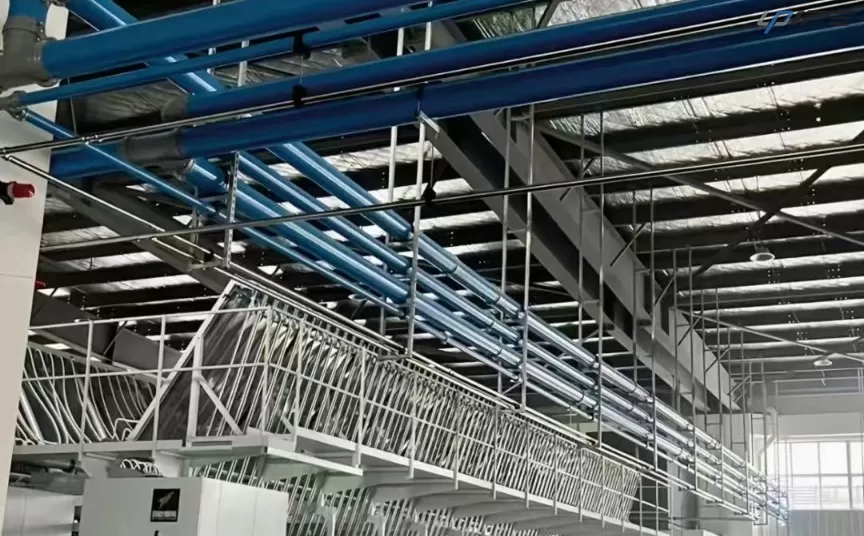
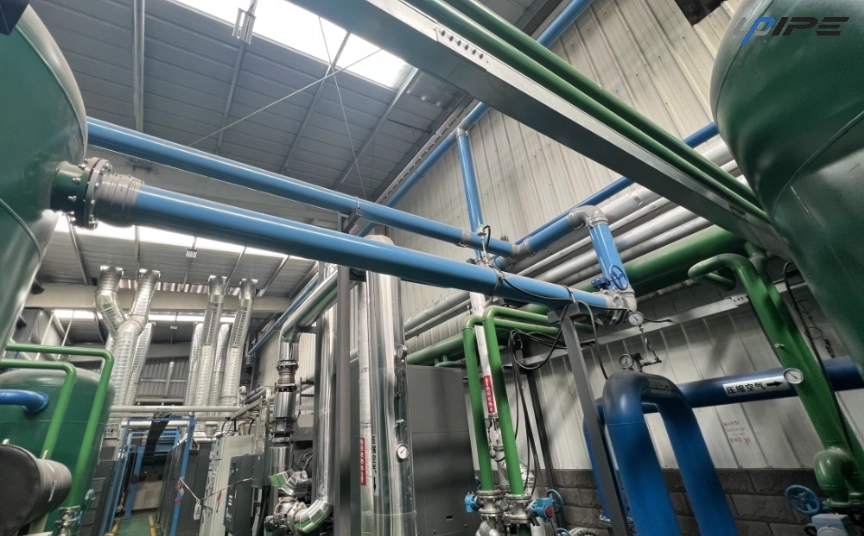
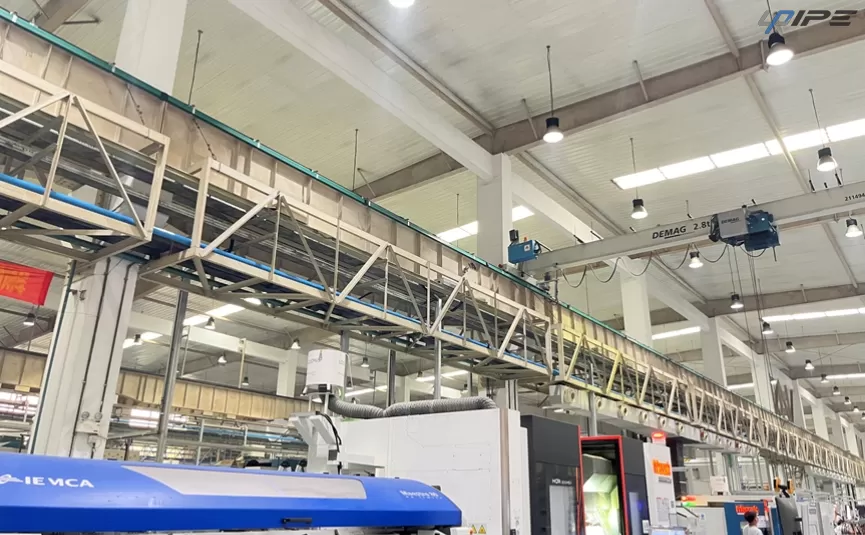
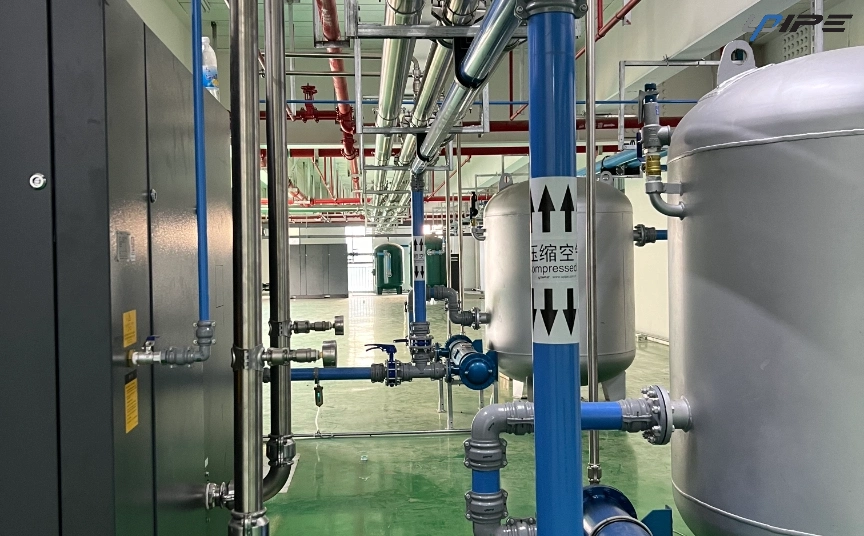
In modern manufacturing, compressed air is far more than a supporting utility. It powers automation systems, drives pneumatic tools, supports packaging lines, and keeps critical production equipment moving continuously. Yet while compressors and downstream machinery usually receive most of the attention, the piping infrastructure that carries compressed air is often overlooked. This is a costly mistake. Even the most advanced compressor system can lose efficiency if the air distribution network is poorly designed, vulnerable to leaks, or built with outdated materials.
Over the past decade, industrial buyers have started rethinking what makes a compressed air network truly efficient. Instead of viewing piping as a static installation, companies increasingly treat it as a long-term performance asset. This shift has pushed aluminum-based systems into the spotlight, especially in facilities where reliability, cleanliness, and energy efficiency directly affect operational profitability.
Among the available solutions, blue aluminum air pipe has emerged as a preferred option for manufacturers seeking a balance between durability, installation flexibility, and long-term cost control. Its growing popularity is not driven by appearance alone. It reflects a broader industrial trend toward smarter infrastructure decisions—ones that reduce waste, improve uptime, and support future factory expansion.
Why traditional piping systems are losing relevance
For many years, compressed air systems relied heavily on galvanized steel, black iron, or copper piping. These materials served industry well when production demands were lower and energy efficiency was not a major purchasing factor. Today, however, manufacturing environments have changed dramatically. Production lines operate faster, automation is more sensitive, and downtime costs are significantly higher.
Traditional steel systems often create problems that are invisible until they become expensive. Internal corrosion is one of the most common examples. As moisture moves through steel piping, oxidation gradually develops along the inner walls. Over time, this rust creates rough surfaces that increase airflow resistance and pressure loss. That forces compressors to work harder, consuming more electricity while delivering less effective output.
The contamination issue is equally important. Rust particles and scale can travel downstream into pneumatic equipment, shortening component lifespan and increasing maintenance frequency. In industries that rely on clean compressed air, such contamination can even affect product quality.
These limitations explain why many facilities are replacing aging systems with blue aluminum piping systems for compressed air line applications designed for modern operational demands.
The engineering advantage of aluminum
Aluminum offers several characteristics that make it highly suitable for industrial air transport. Its natural resistance to corrosion immediately addresses one of the biggest weaknesses of steel. Because aluminum does not rust internally, airflow remains cleaner and more consistent throughout the system’s lifespan.
Its weight is another major advantage. Compared with steel, aluminum is significantly lighter, which simplifies handling during transport and installation. This reduces labor intensity and shortens project timelines, especially in large facilities where hundreds of meters of piping may be required.
Equally important is internal smoothness. A smooth inner surface allows compressed air to travel with less friction, reducing pressure drop and preserving energy efficiency. This may seem like a minor technical detail, but over years of operation, even small efficiency gains translate into meaningful cost savings.
That is why many engineers now specify blue aluminum compressed air pipe systems as part of broader energy optimization strategies.
Why color matters in industrial environments
Some buyers initially assume the blue exterior is simply a branding choice, but the finish serves practical purposes.
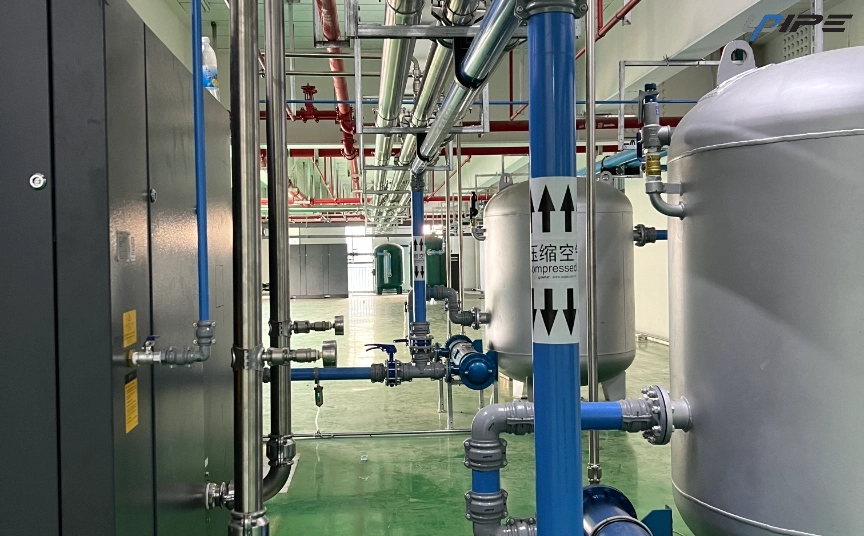
In large manufacturing plants, visual identification matters. Maintenance teams must quickly distinguish compressed air lines from water, gas, or electrical conduits. Clear color coding improves safety, reduces service errors, and accelerates troubleshooting during unexpected downtime.
The protective outer coating also improves durability. Industrial environments expose piping to dust, humidity, accidental impact, and chemical contact. A high-quality surface treatment adds another layer of resistance, helping preserve system appearance and structural integrity over time.
In many factories, the visible presence of a blue piping network also communicates something less technical but equally important: investment in operational quality.
Leak prevention is where real savings begin
Air leaks remain one of the most underestimated problems in manufacturing. Many facilities unknowingly lose a substantial percentage of generated compressed air through poorly sealed joints, aging connectors, or damaged pipe sections. These losses increase compressor runtime, raise electricity costs, and reduce pressure consistency throughout the network.
The structure of the piping system plays a major role in leak prevention. Older threaded systems often loosen over time, especially in environments with vibration or temperature fluctuation. Every threaded joint becomes a potential failure point.
Modern aluminum systems are designed differently. Precision connectors, modular fittings, and engineered sealing components create more reliable joints. When installed correctly, they dramatically reduce opportunities for air escape.
For companies focused on reducing utility waste, switching to blue aluminum air pipe is often one of the fastest ways to improve compressed air efficiency without replacing the compressor itself.
Installation speed has become a competitive advantage
Manufacturing facilities rarely have the luxury of extended downtime. Any infrastructure upgrade must be completed quickly and with minimal production disruption.
This is one reason aluminum compressed air pipe installation has gained so much momentum. Unlike steel systems, which often require threading, welding, and specialized labor, modular aluminum systems can be assembled more efficiently using simplified connection methods.
The speed advantage becomes even more significant in retrofit projects. Existing facilities often need upgrades while continuing partial operations. A lighter, modular system allows installation teams to work faster and with greater flexibility, minimizing interruptions to daily production.
From a financial perspective, faster installation means lower labor costs and quicker return on investment.
Planning for future expansion
One of the most common mistakes in compressed air design is building only for today’s demand.
Factories evolve. New production lines are added, machinery layouts change, and automation capacity expands. A rigid piping system becomes a limitation when growth requires modifications.
This is where modular aluminum systems outperform traditional designs. Companies can install aluminum compressed air pipes in phases, adding branches or extending lines without dismantling large portions of the existing network.
That adaptability reduces long-term risk. Instead of overbuilding in anticipation of uncertain growth, manufacturers can scale infrastructure strategically as operations evolve.
In today’s industrial environment, flexibility is not a luxury. It is part of efficient capital planning.
Cleaner air supports better production outcomes
Compressed air is used directly or indirectly in thousands of manufacturing processes. In many of those environments, air quality matters just as much as air pressure.
Contaminants inside a piping system can create hidden production risks. Rust particles, moisture buildup, and residue can interfere with valves, clog precision tools, or compromise sensitive products.
Because aluminum resists internal corrosion, it supports cleaner airflow over time. Combined with proper filtration and condensate management, it helps manufacturers maintain higher air quality standards.
This is especially important in industries such as electronics assembly, food packaging, pharmaceutical production, and medical device manufacturing, where contamination carries operational and regulatory consequences.
A cleaner air path creates more than technical reliability. It protects brand reputation.
Energy efficiency is reshaping buyer decisions
Industrial electricity costs continue to rise globally, forcing manufacturers to evaluate every source of avoidable energy waste.
Compressed air systems are among the most expensive utilities in many facilities. Small inefficiencies can create large annual operating costs.
When airflow encounters internal resistance or leaks, compressors must compensate by running longer or at higher loads. That extra energy use often goes unnoticed because it happens gradually.
A properly designed blue aluminum air pipe network reduces these losses by maintaining smoother airflow and stronger sealing performance. Over time, that translates into lower operating expenses and better sustainability performance.
More buyers now calculate lifecycle cost instead of focusing only on initial purchase price. This shift strongly favors aluminum solutions.
Durability in real factory conditions
Industrial facilities are demanding environments. Pipes must withstand vibration, elevated temperatures, accidental impacts, and constant operational stress.
Aluminum performs well because it combines structural strength with low weight and corrosion resistance. It does not become brittle like some plastics, nor does it degrade internally like steel.
This makes it particularly valuable in sectors such as automotive manufacturing, logistics automation, metal processing, and large-scale assembly plants, where infrastructure must perform consistently under pressure.
At UPIPE, product design is built around this reality. A piping system should not simply work on installation day. It should continue performing years later under real production conditions.
Choosing the right supplier matters as much as choosing the material
Even the best material can underperform if manufacturing quality is inconsistent.
Industrial buyers should evaluate more than price. Pipe wall consistency, connector precision, pressure certification, technical support, and installation guidance all influence final system performance.
A reliable supplier should understand compressed air engineering, not just pipe production.
That includes helping customers optimize layout design, calculate proper pipe sizing, and plan for future expansion. These details often determine whether a project delivers expected efficiency gains.
For global buyers, logistics reliability also matters. Delivery delays can disrupt entire installation schedules, especially for large industrial projects.
A strong supplier partnership reduces these risks.
Sustainability is becoming part of the purchasing equation
Industrial purchasing decisions are increasingly influenced by environmental goals.
Aluminum supports these objectives well. It is highly recyclable and retains value even after long-term use. Its lighter weight also reduces transportation impact compared with heavier traditional materials.
Operational energy savings further improve its environmental profile. A more efficient compressed air system lowers electricity demand, reducing associated emissions.
For manufacturers building long-term ESG strategies, infrastructure choices like piping are becoming more important than they once appeared.
The future of compressed air infrastructure
Factory systems are becoming smarter, more connected, and more performance-driven. Buyers now expect every component to contribute measurable value.
Compressed air piping is no exception.
Instead of treating it as a passive utility, companies increasingly view it as part of operational strategy. The right system improves energy efficiency, supports scalability, reduces maintenance burden, and enhances reliability.
That is why demand for blue aluminum air pipe continues to grow across international markets. It aligns with how modern factories think: build cleaner, operate smarter, and plan for the future.
For manufacturers upgrading existing facilities or designing new ones, the decision is no longer just about moving air from one place to another. It is about building an infrastructure that protects productivity for years to come.
At UPIPE, that principle drives every product decision. Industrial piping should not merely connect equipment. It should strengthen the entire system behind it.