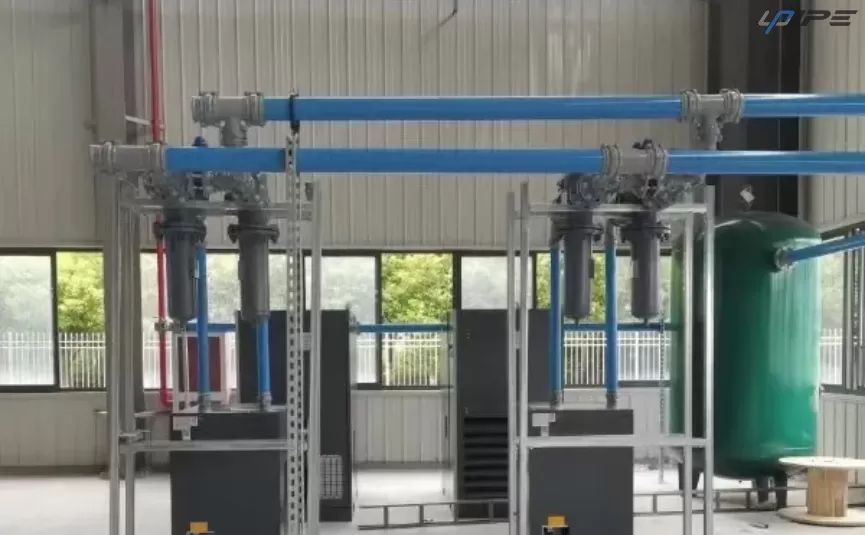
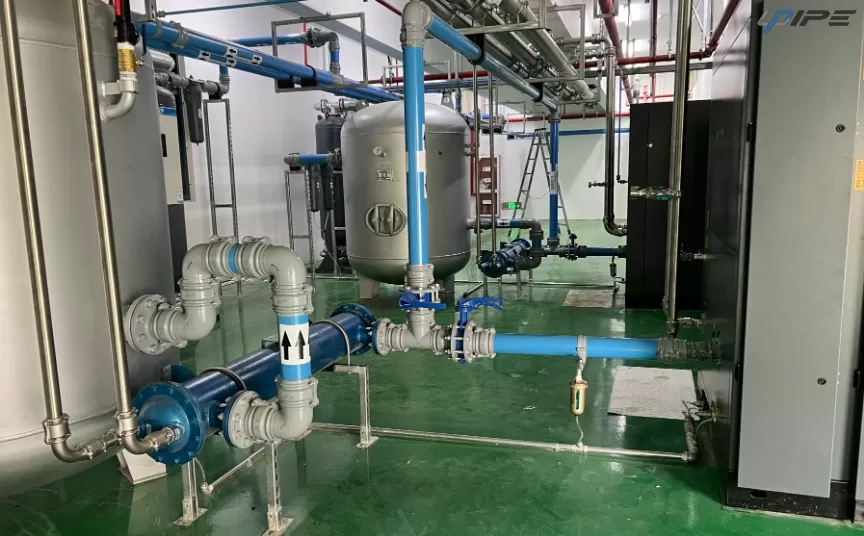
In modern industrial operations, the efficiency and reliability of compressed air systems directly influence productivity, operational cost, and safety standards. The aluminum compressed air pipe has emerged as a high-performance solution, offering a combination of durability, corrosion resistance, and modular design that meets the demanding needs of multiple industries. Unlike traditional piping options, aluminum systems provide long-term operational advantages while maintaining flexibility in installation and configuration. In this blog post, as durable aluminum compressed air piping system manufacturer, UPIPE will share the role of blue aluminum compressed air pipe systems for industrial efficiency.
Benefits of Using Blue Pipe for Compressed Air
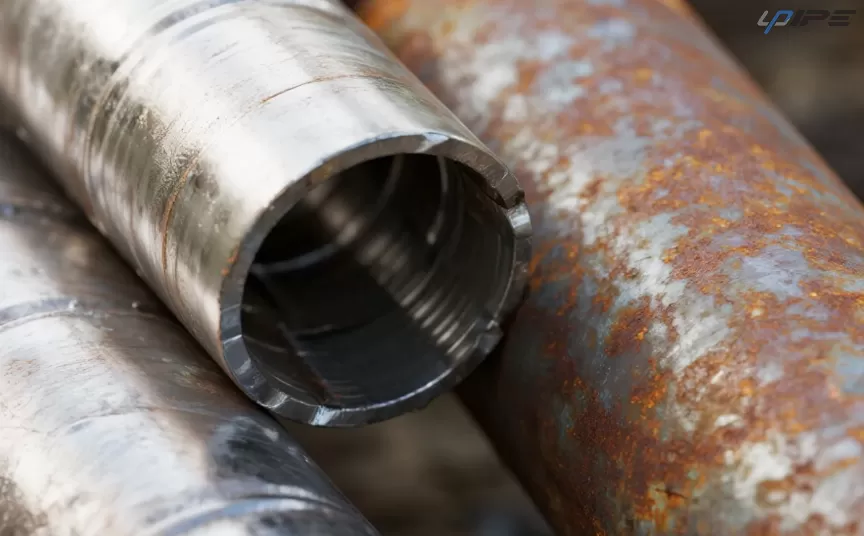
Choosing blue pipe for compressed air ensures several practical advantages that elevate both system performance and longevity. Aluminum is inherently resistant to rust and corrosion, which is a critical factor in compressed air networks, where moisture accumulation can lead to degradation and contamination over time.
Key benefits include:
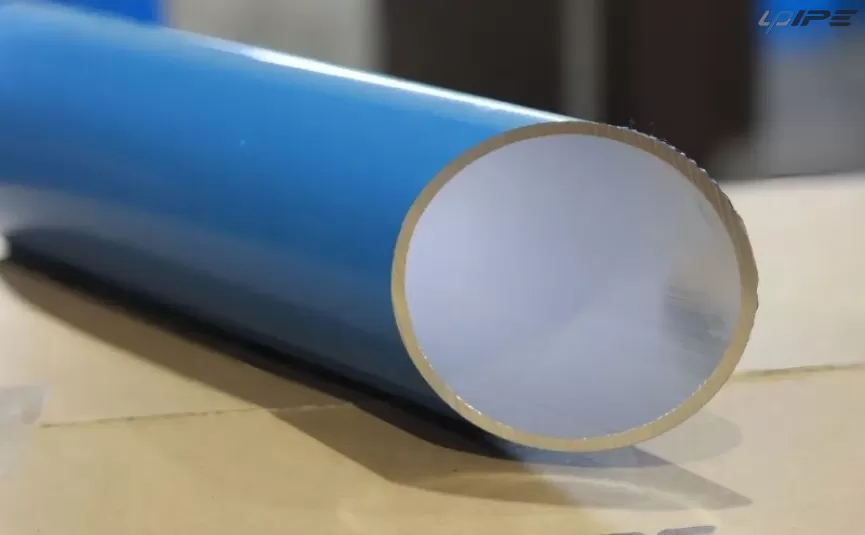
Reduced Contamination Risk: The smooth interior surface minimizes pressure drops and prevents accumulation of condensate, ensuring cleaner air delivery for sensitive equipment.
Lightweight Design: Aluminum pipes are significantly lighter than traditional steel, allowing for easier handling and faster installation.
Durable Performance: Aluminum’s resistance to corrosion and wear extends the lifespan of piping networks, reducing the need for frequent maintenance or replacement.
Modular Assembly: Pre-fabricated fittings and standardized components allow for a flexible layout, making system expansion or reconfiguration more practical.
These features make blue pipe air lines particularly suitable for industries where consistent air quality and operational efficiency are critical, including automotive manufacturing, electronics assembly, and food processing.
Design Considerations for Aluminium Compressed Air Piping System
Implementing an aluminium compressed air piping system requires careful planning to maximize efficiency and reliability. Unlike traditional pipe networks, aluminum systems emphasize modularity and precision. Engineers should consider:
Pipe Diameter Selection: Proper sizing ensures optimal airflow while minimizing pressure losses. Oversized pipes increase installation costs, while undersized pipes can lead to inefficiencies and operational strain on compressors.
Fitting Types and Placement: Modular aluminum fittings allow for precise alignment, avoiding sharp bends that can reduce airflow and increase wear on connections.
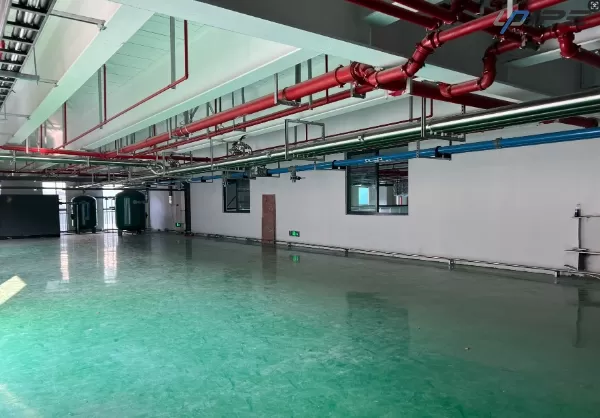
Mounting and Support: Aluminum’s lightweight nature allows for flexible mounting options, including ceiling-mounted, wall-mounted, or floor-mounted layouts, which helps maintain system integrity over time.
Expansion and Contraction: Aluminum reacts differently to temperature variations compared to steel. Allowing for slight thermal expansion reduces stress on the system during high-temperature operations or seasonal fluctuations.
By considering these factors, industrial operators can ensure a balanced design that optimizes the functionality and durability of their compressed air networks.
Enhancing Air Quality and Energy Efficiency
One of the primary advantages of blue pipe for compressed air is its contribution to air quality management. Unlike traditional steel piping, aluminum does not corrode internally, significantly reducing particle contamination in the air stream. This feature is essential for high-precision applications, such as pneumatic tools or laboratory equipment, where even minor impurities can affect performance or product quality.
From an energy perspective, the smooth interior of aluminum pipes reduces turbulence, which lowers energy losses in the system. Reduced resistance means compressors operate more efficiently, consuming less power and reducing overall operational costs. Additionally, well-planned blue pipe air lines enable strategic routing, minimizing unnecessary bends and elbows that can cause pressure drops.
Installation Flexibility and Modular Advantages
A standout feature of aluminium compressed air piping system is its modularity. Unlike welded steel networks, aluminum systems rely on push-fit or screw-type fittings, which simplify assembly and reduce installation time. This modular approach also allows for:
Rapid Reconfiguration: Facilities can adapt their compressed air networks to changing production layouts without extensive downtime.
Ease of Expansion: Additional branches or extensions can be integrated seamlessly into the existing system.
Minimal Disruption: The installation process generates less downtime and requires fewer specialized tools or welding procedures.
These benefits make blue aluminum systems particularly attractive for industries that experience frequent changes in production lines or require scalable infrastructure.
Long-Term Maintenance and Reliability
Maintenance efficiency is another key consideration. Blue pipe air lines require minimal upkeep compared to traditional steel or plastic alternatives. The corrosion-resistant nature of aluminum eliminates routine internal cleaning or replacement due to rust. Periodic inspections of fittings and seals are generally sufficient to maintain peak performance, reducing labor and service costs over time.
Moreover, the lightweight design reduces stress on mounting brackets and structural supports, further decreasing the likelihood of leaks or mechanical failures. The consistent performance of aluminum pipes translates to reduced downtime, higher productivity, and more predictable operational costs.
Safety and Compliance in Industrial Environments
Safety is paramount in industrial compressed air systems. Aluminum pipes present several safety advantages:
Reduced Risk of Explosion: Unlike certain plastics, aluminum can withstand high pressure without risk of rupture, reducing hazards in high-pressure air applications.
Temperature Stability: Aluminum maintains structural integrity under fluctuating temperatures, avoiding deformation that could compromise system safety.
Fire Resistance: Aluminum does not burn or emit toxic fumes under standard operating conditions, making it a safer choice in environments with flammable materials.
Many aluminium compressed air piping system solutions are designed to meet international standards for pressure and safety, ensuring compliance for industrial installations.
Optimizing System Layout for Performance
The performance of a compressed air network is directly influenced by its layout. Efficient blue pipe air lines installation involves strategic routing to minimize pressure drops and ensure uniform distribution of compressed air. Best practices include:
Keeping main distribution lines as straight as possible.
Limiting the number of sharp bends and fittings.
Placing drains and condensate traps at appropriate points to remove moisture.
Ensuring proper support and alignment to prevent sagging or stress on joints.
Proper layout design maximizes the inherent benefits of aluminum systems, including reduced friction, lightweight installation, and corrosion resistance, translating into measurable energy savings and improved equipment performance.
Industry Applications of Blue Aluminum Piping
The versatility of blue pipe for compressed air enables use across diverse sectors:
Manufacturing Plants: High-volume air networks benefit from reduced pressure drops and corrosion-free operation.
Food and Beverage Processing: Aluminum’s inert properties prevent contamination and meet hygiene standards.
Automotive Assembly: Modular systems allow for frequent line reconfigurations and expansions.
Electronics and Precision Engineering: Clean, contaminant-free air ensures delicate tools and instruments operate without risk of damage.
This cross-industry applicability underscores the value of adopting aluminum piping as a long-term solution for compressed air management.
Environmental and Sustainability Considerations
Aluminum piping systems are environmentally friendly in multiple ways. Aluminum is highly recyclable without losing structural integrity, allowing facilities to contribute to circular economy initiatives. Moreover, energy-efficient operation due to reduced friction losses lowers carbon footprints associated with air compression.
By incorporating aluminium compressed air piping system solutions, companies can achieve sustainability goals without compromising operational efficiency or performance.
Choosing the Right Blue Pipe for Your Facility
Selecting the appropriate blue pipe air lines requires a balance of system requirements, environmental conditions, and long-term operational goals. Factors to consider include:
Airflow Requirements: Determine the required volume and pressure to size pipes and fittings correctly.
Environmental Exposure: Assess whether the system will face corrosive atmospheres, high humidity, or extreme temperatures.
Installation Constraints: Consider available space, ceiling height, and structural supports for efficient mounting.
Future Expansion: Opt for a modular system that allows for easy adaptation as production needs evolve.
Proper selection ensures that the blue aluminum system continues to deliver reliable, high-performance air distribution over the lifespan of the facility.
Conclusion
A blue aluminum compressed air pipe system represents a sophisticated, long-term investment in industrial efficiency. Its corrosion-resistant properties, modular design, lightweight construction, and ease of maintenance provide measurable advantages over traditional piping options.
From enhancing air quality to reducing energy costs and supporting flexible system layouts, aluminum piping systems are an essential consideration for forward-thinking industrial facilities. Blue pipe for compressed air is not merely a trend; it is a strategic choice that aligns operational performance, safety, and sustainability in a single, high-performance solution.
By integrating blue pipe air lines thoughtfully into industrial networks, businesses can secure reliable air delivery, improve productivity, and future-proof their facilities against evolving operational demands.