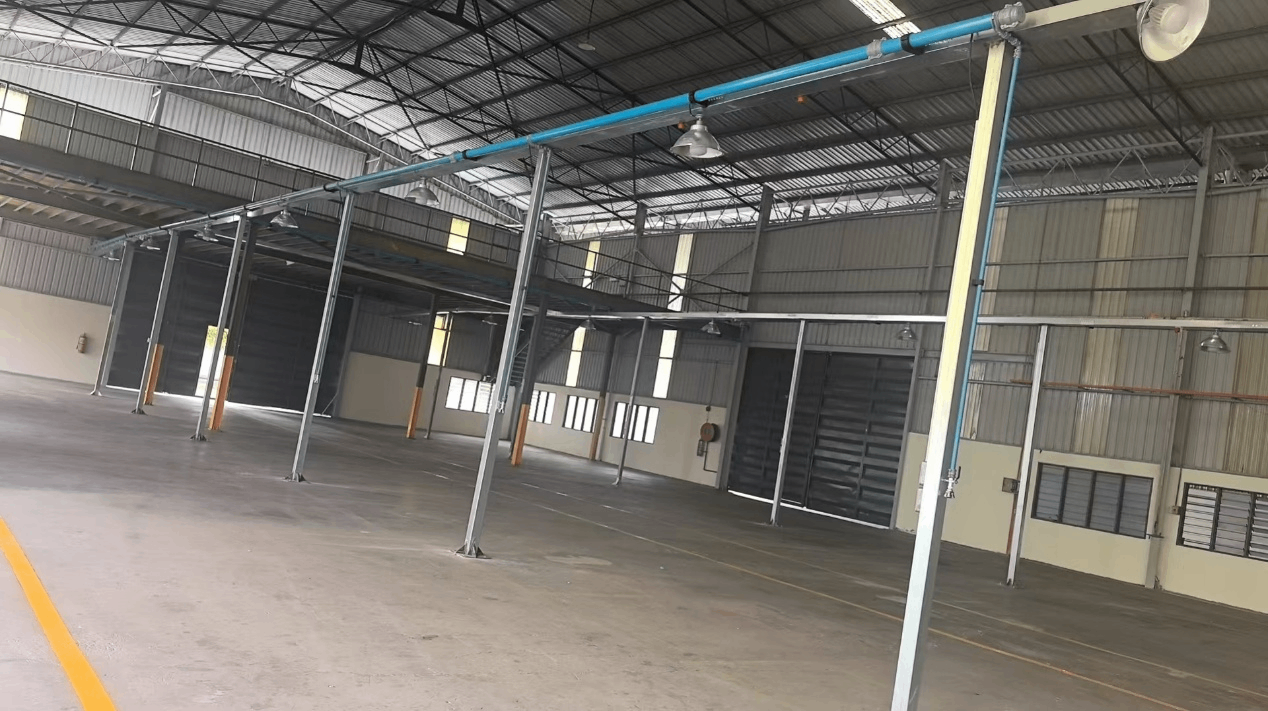
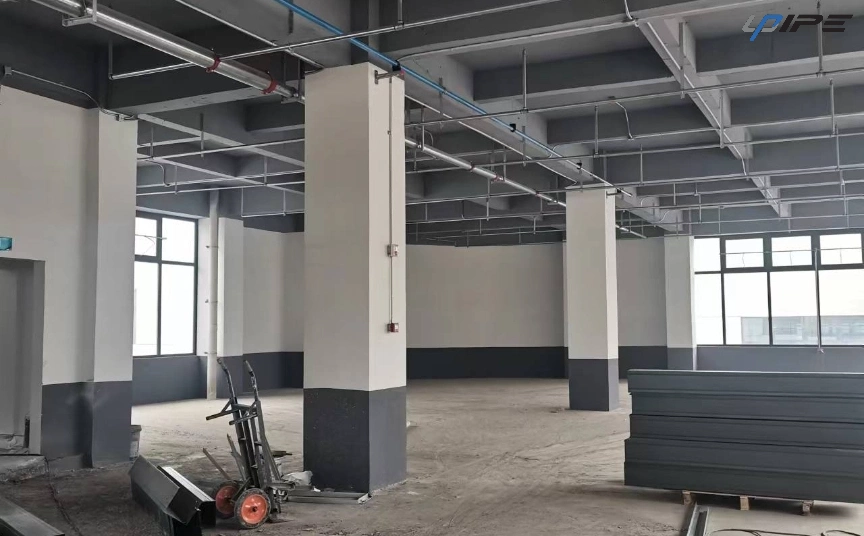
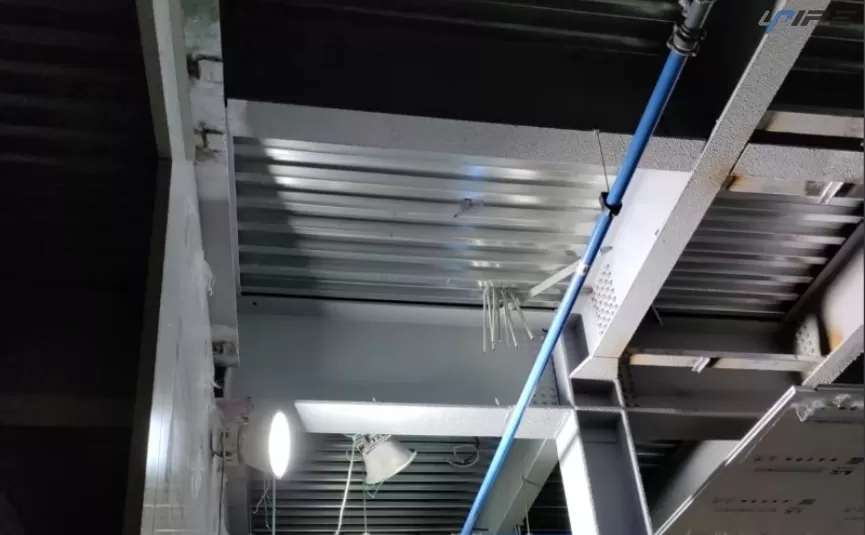
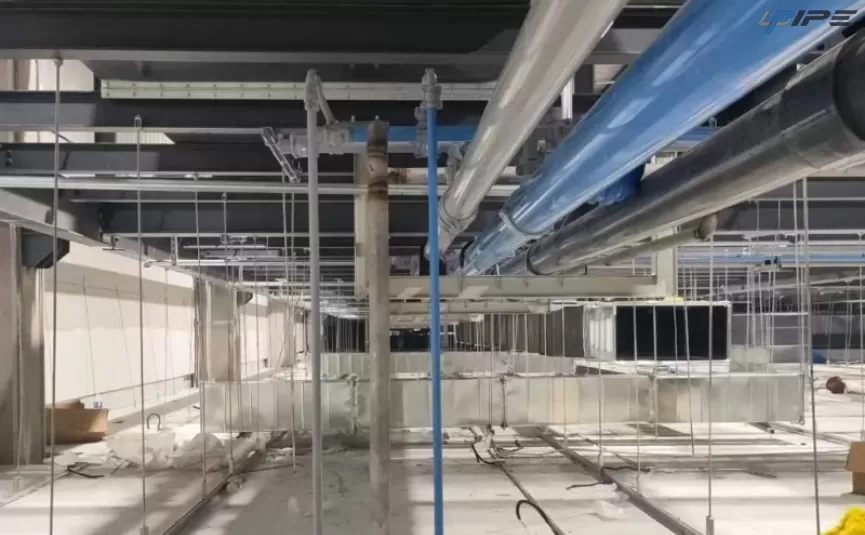
Define Your Factory's Compressed Air Requirements
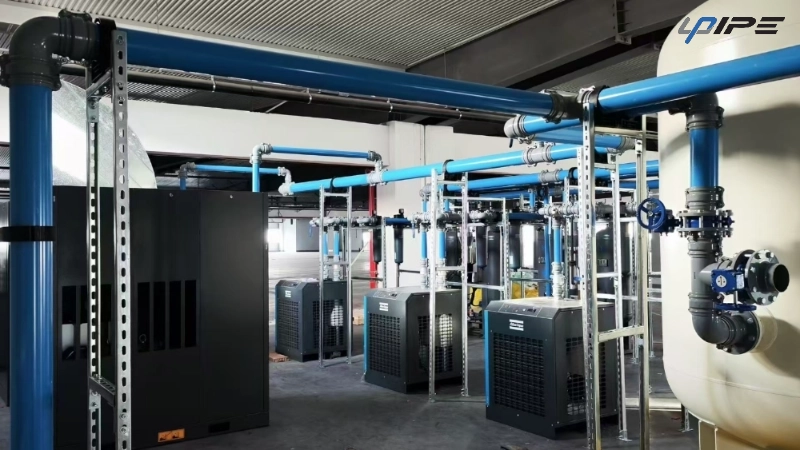
Choosing the right aluminum compressed air pipe begins with understanding the factory's operating requirements. Before comparing suppliers or requesting quotations, determine the required airflow, working pressure, pipeline length, and number of air-use points. These factors influence pipe diameter, connection selection, and the overall layout of the distribution network.
Different production environments have different air consumption patterns. Automotive manufacturing, battery production, electronics assembly, and machinery processing may involve equipment with varying flow demands and operating cycles. Buyers should assess both normal consumption and peak demand to avoid selecting piping that restricts airflow during busy production periods.
Future production changes also deserve attention. If additional equipment or production lines are planned, the main distribution line should be evaluated against anticipated demand. A clear specification at the purchasing stage helps prevent sizing errors, unnecessary material costs, and avoidable modifications after installation.
Check Pipe Dimensions and Size Compatibility
Pipe dimensions are among the first specifications to verify when purchasing aluminum compressed air pipe for factories. Nominal diameter identifies the pipe size, but it does not necessarily equal the actual internal diameter. The internal diameter affects airflow and pressure loss, while the external diameter is important for installation clearances and fitting compatibility.
UPIPE offers aluminum piping in nominal diameters ranging from DN20 to DN200, with a standard pipe length of 5.8 metres. This range allows buyers to assess options for main lines, distribution branches, and equipment connections according to project requirements.
Nominal diameter | Internal diameter | External diameter | Standard length |
|---|
DN20 | 17.5 mm | 20.2 mm | 5.8 m |
DN25 | 22.5 mm | 25.2 mm | 5.8 m |
DN40 | 36.6 mm | 40.2 mm | 5.8 m |
DN50 | 46.2 mm | 50.2 mm | 5.8 m |
DN65 | 63.0 mm | 67.6 mm | 5.8 m |
DN80 | 80.0 mm | 84.8 mm | 5.8 m |
DN100 | 96.8 mm | 101.8 mm | 5.8 m |
DN125 | 119.4 mm | 125.2 mm | 5.8 m |
DN148 | 142.2 mm | 148.2 mm | 5.8 m |
DN200 | 198.2 mm | 205.2 mm | 5.8 m |
Dimensions are based on the UPIPE product information provided. Confirm specifications and connection compatibility before ordering.
When comparing industrial aluminum air pipe sizes, buyers should not select a diameter based on nominal size alone. Airflow demand, working pressure, route length, and acceptable pressure loss must be considered together. For complex layouts, engineering calculations can help establish whether the proposed dimensions will maintain the required pressure at the most demanding points.
Verify Working Pressure and Operating Conditions
The working pressure rating is a critical purchasing consideration because the selected piping must withstand the intended operating conditions. UPIPE lists a working pressure of up to 16 bar. Buyers should confirm the permitted pressure for the specific pipe and fitting configuration before finalizing a purchase, particularly when operating conditions approach the stated limit.
It is also important to distinguish normal operating pressure from possible pressure fluctuations. The design should account for the actual operating range and applicable project requirements rather than relying on the compressor's maximum rated pressure alone. Compatible fittings, seals, valves, and accessories must be suitable for the same operating conditions.
Temperature should be reviewed alongside pressure. The appropriate configuration depends on the environment and transported medium, so buyers should confirm temperature suitability with UPIPE before ordering. This is especially important when the piping will operate under conditions that differ from those in a typical factory environment.
Confirm the Transported Medium
Not every industrial pipe is suitable for every gas or fluid. Before purchasing an aluminum compressed air pipe, identify whether the network will carry compressed air, vacuum, or an inert gas. The medium affects material compatibility requirements, sealing selection, and the conditions under which the piping will operate.
UPIPE lists applications for compressed air, vacuum, and inert gases, including nitrogen, helium, and argon. Buyers should specify the intended medium clearly and confirm that all selected components are suitable for the application. This is particularly important for projects with specific gas purity, sealing, or operating requirements.
For compressed air applications, buyers should also review the air treatment arrangement. Moisture, oil carryover, and other contaminants may influence maintenance requirements and downstream equipment performance. Appropriate filtration, drying, drainage, and maintenance practices should be considered as part of the overall compressed air installation.
Evaluate Pressure Loss Across the Entire Pipeline
A pipe that meets the nominal size requirement may still be unsuitable if pressure loss across the distribution network is excessive. Pressure loss depends on internal diameter, airflow, pipeline length, operating conditions, and resistance from fittings. Long routes and high-demand branches generally require more careful evaluation than short connections serving individual machines.
Before purchasing industrial compressed air piping, ask whether the proposed dimensions are suitable for the required flow rate and allowable pressure drop. The calculation should include elbows, tees, valves, connectors, and other components rather than considering only straight pipe sections.
Proper pipe sizing helps deliver the required pressure to equipment without relying on unnecessarily high compressor discharge pressure. This can support more efficient operation, although actual energy performance also depends on compressor efficiency, leakage, air treatment, and operating practices. Avoid suppliers' claims of fixed energy savings unless the figures are supported by relevant engineering data.
Check Fittings and Complete Piping Compatibility
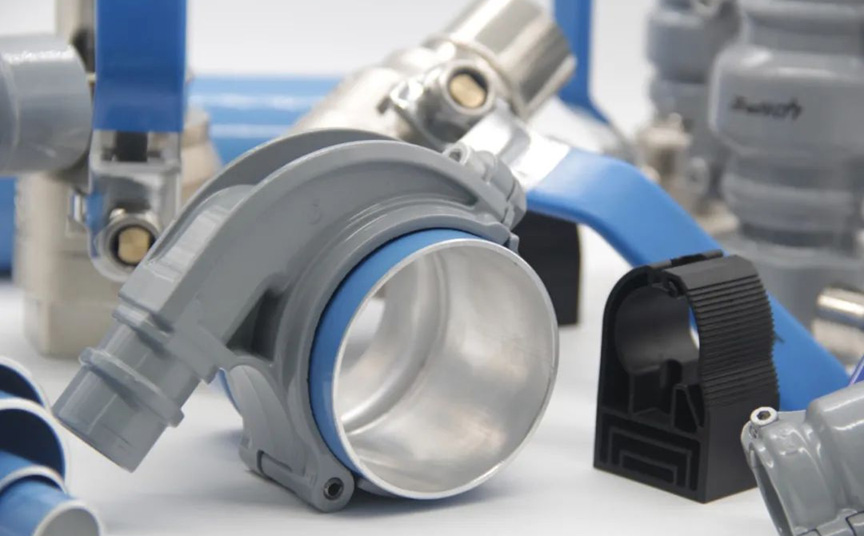
Purchasing pipes without confirming fitting compatibility can create delays during installation. A complete factory air distribution network may require straight pipes, 90-degree elbows, tees, pipe-to-pipe connectors, flanges, valves, end caps, and equipment drops. These components should be selected according to the pipe dimensions and intended layout.
UPIPE uses modular mechanical connections designed to simplify assembly, modification, and future expansion. Before placing an order, buyers should verify the connection specifications, sealing components, and accessory requirements for the selected configuration. Mixing components from different product ranges without confirming compatibility may lead to installation difficulties or unreliable joints.
It is also useful to prepare a preliminary piping layout before purchasing materials. Marking the main line, branches, vertical drops, equipment connections, and isolation points helps estimate the quantities required. A layout drawing can reduce purchasing errors and make quotation comparisons more accurate.
Compare Aluminum Piping With Traditional Steel Options
Material selection affects installation work, corrosion management, and future modifications. Aluminum compressed air pipe offers a lightweight construction that can simplify handling, while its corrosion-resistant characteristics may reduce some maintenance concerns associated with steel piping. Actual performance depends on the environment, material condition, and maintenance practices.
Purchasing factor | Aluminum compressed air pipe | Traditional steel pipe |
|---|
Weight | Lightweight construction | Generally heavier |
Corrosion management | Good corrosion resistance | May require protective coatings and maintenance |
Installation | Modular mechanical connections | Often involves welding or threading |
Modification | Designed for flexible reconfiguration | May require more extensive alteration work |
Material planning | Check compatible fittings and accessories | Check joining methods and protective requirements |
The comparison should focus on the factory's actual needs rather than assuming one material is always preferable. Initial purchase price is only one consideration; installation labour, connection requirements, maintenance, and future layout changes can also influence total project cost.
For factories that anticipate frequent equipment changes, modular connections may offer practical advantages. However, the final choice should be based on engineering requirements, project budget, environmental conditions, and the suitability of the selected piping configuration.
Assess Supplier Capability and Quotation Details
A competitive quotation should provide enough technical information for an accurate comparison. Buyers should check the available pipe sizes, working pressure, standard lengths, fitting range, delivery arrangements, and technical support. Confirming these details before placing an order helps prevent discrepancies between the quotation and the materials delivered.
UPIPE provides aluminum compressed air piping options in blue, yellow, and grey. Buyers who require particular colors, sizes, or accessory combinations should confirm availability and lead times with the supplier. Project-specific requirements should be documented clearly rather than left to assumptions during order processing.
When requesting a quotation, prepare the following information:
Required nominal diameters and estimated quantities
Operating pressure and expected airflow
Transported medium and operating temperature
Approximate pipeline length and layout drawing
Required fittings, valves, flanges, and accessories
Project location and expected delivery schedule
Providing these details enables UPIPE to evaluate the requested configuration more accurately. It also helps buyers compare quotations on a consistent basis, reducing the risk of choosing an apparently cheaper offer that excludes essential components.
Plan for Installation and Future Expansion
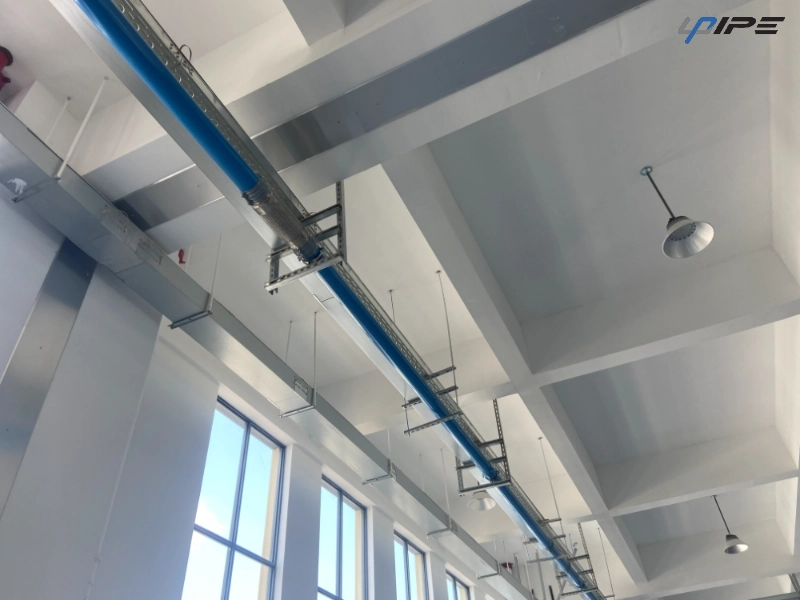
Installation conditions should be checked before the final order is confirmed. Available space, pipe routing, support locations, connection points, and access for maintenance can all affect the quantity and arrangement of piping materials. The standard UPIPE pipe length is 5.8 metres, which should be considered when estimating cutting requirements, joints, and installation waste.
A well-planned layout should allow convenient access to valves and service points while avoiding unnecessary bends and excessive route length. Pipe supports must be appropriate for the selected piping and site conditions. Installation should follow the manufacturer's instructions and applicable engineering requirements.
Future expansion should be considered when determining the capacity of main lines and important branches. A modular aluminum compressed air pipe network can make later adjustments more convenient, provided the original dimensions and connections are suitable for the additional demand. Planning capacity and connection points early can help reduce disruption when production requirements change.
Frequently Asked Questions
What should I check before buying aluminum compressed air pipe?
Start with airflow demand, working pressure, pipe dimensions, transported medium, and allowable pressure loss. Then verify fitting compatibility, installation requirements, supplier specifications, and delivery arrangements.
What sizes does UPIPE offer?
The published UPIPE range covers nominal diameters from DN20 to DN200, with a standard pipe length of 5.8 metres. Confirm the required dimensions and accessory availability before ordering.
Can UPIPE aluminum piping handle 16 bar pressure?
UPIPE lists a working pressure of up to 16 bar. The permitted pressure for the selected configuration should be confirmed with the supplier based on project conditions and component compatibility.
Is aluminum compressed air pipe suitable for vacuum and inert gases?
UPIPE lists compressed air, vacuum, and inert gas applications, including nitrogen, helium, and argon. Buyers should confirm compatibility for the specific medium and operating conditions before purchase.
What information helps obtain an accurate quotation?
Provide the required pipe sizes, estimated quantities, working pressure, airflow, transported medium, pipeline length, layout drawing, project location, and accessory requirements. Complete specifications help the supplier assess the appropriate configuration.
Why choose UPIPE for industrial compressed air piping?
UPIPE offers aluminum piping in multiple nominal diameters, lightweight construction, and modular mechanical connections for industrial air distribution. Buyers can discuss project requirements, compatible fittings, and the appropriate configuration directly with UPIPE before ordering.