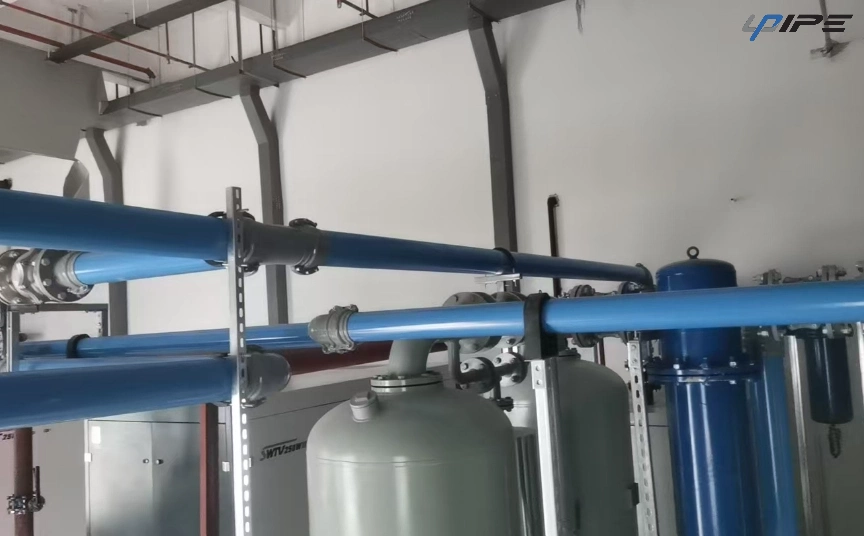
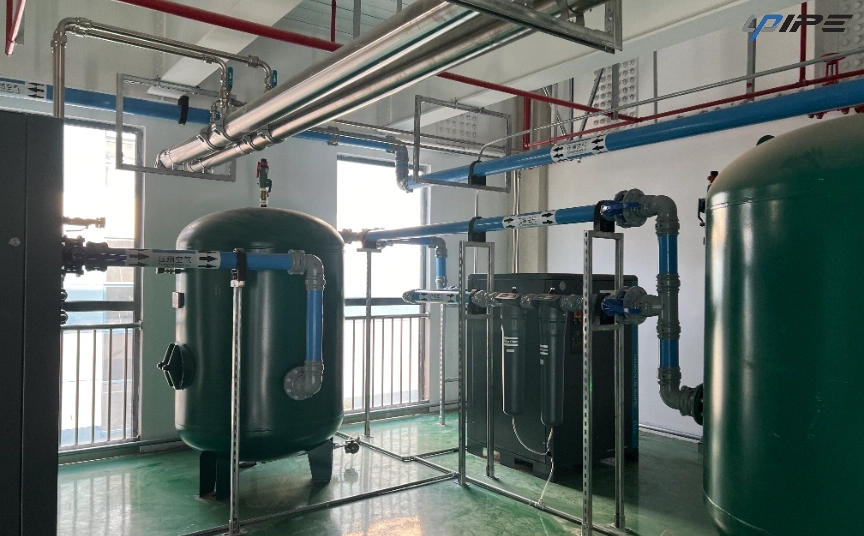
When you pick a compressed air piping system for your electronics factory, you need it to work well, stay clean, and follow all rules. Aluminum solutions like the UPIPE Aluminum Pipe System give you these benefits. You get strong protection from rust, fast setup, and pipes that last a long time. Many companies use aluminum for these reasons:
Pick aluminum piping systems for electronics manufacturing. They do not rust, keep the air clean, and are simple to put in.
Check your compressed air system often. Watch for leaks and drops in pressure to keep it working well and stop expensive fixes.
Make a good plan for your piping layout. Do not use sharp turns and make sure water can drain out. This helps air move easily.
Follow all safety and compliance rules. Make sure your system follows OSHA and ISO rules to keep workers and products safe.
Change old piping systems to aluminum. This makes the air better, lowers repair needs, and helps the whole system work better.
Compressed air piping system basics
What is a compressed air piping system
A compressed air piping system moves clean air from compressors to different places in a factory. It is very important for many jobs in factories. The system helps air go to each workstation safely and smoothly.
A compressed air piping system has several main parts:
Drops take air from the header to each workstation. They also help manage moisture.
Compressed air lines link all parts of the system. They make sure every tool gets enough air.
All these parts work together. They help deliver air where you need it most.
Role in electronics manufacturing
Electronics manufacturing needs clean and steady air. Compressed air powers tools and machines. It keeps equipment free from dust and moisture. Even a little contamination can hurt products or slow down work.
A good compressed air piping system stops these problems. It keeps air clean and pressure steady. This helps machines work better and keeps products safe. You also spend less time fixing things and save money. Picking the right system protects your factory and helps you make quality products.
You can pick plastic or metal for compressed air piping. Each one has its own good points for your factory.
Plastic Options: ABS, PE, and HDPE pipes are light and easy to use. They do not rust. You can put them in fast. They also work well with oils.
Metal Options: Black iron and galvanized steel are strong and last long. Aluminum is light, strong, and does not rust easily.
Think about what your plant needs for clean air, safety, and lasting use when you choose.
Plastic piping: pros and cons
Plastic pipes are easy to move and cut. They do not rust, so you do not get flakes or dirt inside. Some plastic pipes, like SDR 7.4, can last up to 50 years if used right.
Pressure (psi)
Temperature (°F)
Pipe Type
Expected Lifespan
120
104
SDR 7.4
50 years
100
86
SDR 7.4/11
50 years
Note: PVC is not safe for high-pressure compressed air. Rules say you cannot use it for this.
Plastic pipes are best for low-pressure jobs. If you need very clean or high-pressure air, metal is better.
Metal piping: pros and cons
Metal pipes are strong and last a long time. Steel and copper have been used for many years. But you need skilled workers to put them in. Steel can rust, which can cause leaks and dirty air. Copper does not rust but costs more and takes longer to install.
Aluminum pipes, like the UPIPE Aluminum Pipe System, are a new choice. They are made of pure aluminum with thick walls and smooth insides. Special connectors and clamps make them quick and safe to set up. Aluminum does not rust, even if there is water or chemicals. This keeps your air clean and your system working well.
Light, easy to put together, no threading or soldering needed
Steel/Copper
Longer installation time
Needs welding or soldering, takes more work and money
Aluminum helps protect your tools and products. It also saves you time and lowers repair costs.
Key selection criteria for electronics manufacturing
Safety and compliance standards
You have to follow strict safety rules when picking a compressed air piping system for electronics manufacturing. These rules keep workers and products safe. OSHA and ISO make the rules for air systems in factories.
OSHA Standard
Description
29 CFR 1910.169
Needs ASME-coded vessels, safety valves, and regular checks.
29 CFR 1910.242(b)
Says you must use a 30 psi dead-man nozzle for cleaning.
29 CFR 1910.147
Explains lockout/tagout steps for compressor repairs.
29 CFR 1910.217
Talks about pneumatic press safety.
ISO 8573 tells you how clean your air must be. It also explains how to test for dirt, water, and oil. You need to keep air free from these things to meet the rules.
Aluminum systems like UPIPE do even more than the rules ask. The materials are non-corrosive and non-toxic, so they are safer. The pipes are light, which makes them easier to install. Leak-free seals stop dangerous gases from escaping. This system helps keep your workplace safe and follows the rules for the environment.
Tip: Always check if your system meets the rules before you put it in. This helps you avoid big mistakes and keeps your factory working well.
Contaminant resistance
Electronics factories need very clean air. Dirty air can hurt equipment and lower product quality. You should know what can get into your compressed air piping system.
Aluminum resists rust, so it does not dirty the airflow.
Leak-Free Connections
Modern fittings make tight seals, so leaks are less likely.
The UPIPE Aluminum Pipe System uses pure aluminum and strong connectors. The inside of the pipe stays clean and the seals are tight. These things keep out rust, oil, and dirt. Your electronics stay safe and your air stays clean.
Durability and maintenance
You want a compressed air piping system that lasts a long time and does not need much fixing. Durability is important because you do not want to fix things all the time. Aluminum systems are strong and reliable.
UPIPE pipes have thick walls to help them last longer. Raised rings on big pipes make them faster and safer to put in. Connectors are made in one piece, so they are strong and can handle high pressure. Special rubber seals stop leaks, even if the pipes shake.
These features make maintenance easier. You do not have to look for leaks or change parts often. Anti-vibration clamps and strong quick drops give extra safety. Your system keeps working well and your factory stays busy.
Note: Pick a system that is easy to check and has strong seals. This saves money on repairs and keeps your electronics safe.
You need a smart layout to get the best results from your compressed air piping system. Start by planning the route. Avoid sharp angles and undersized pipes. These cause pressure drops and waste energy. Keep pipes away from obstructions. This helps air flow smoothly and keeps maintenance easy. Moisture control matters. Install drip legs and drains at low spots. This prevents water from building up and protects your equipment.
Avoid sharp bends and tight turns.
Use the right pipe size for each section.
Place drains where water can collect.
Keep pipes clear of obstacles.
Tip: Regular inspections help you spot leaks and blockages early. Fixing these keeps your system efficient.
Leak prevention and pressure management
Leaks waste air and money. You can prevent leaks by checking fittings, joints, and valves often. Make sure all connections are tight and aligned. Support pipes well to stop vibration. Record the pressure at the end of your last shift. Check it again in the morning. If the pressure drops more than 10%, you may have a leak.
Compare the numbers. If the drop is over 10%, inspect for leaks.
Pressure management saves energy. A well-designed system reduces pressure drops. This lowers your energy costs. It takes about 7 to 8 horsepower of electricity to make 1 horsepower of compressed air. If you raise plant pressure to cover losses, you spend more money. Keep your system tight and efficient.
Check Point
What to Look For
Fittings & Joints
Signs of leaks or misalignment
Pipe Supports
Secure and vibration-free
Drain Points
No trapped condensate
Routine inspection tips
You should inspect your system often. Look for leaks, vibration, or movement in the pipes. Monitor pressure drops across the system. Check for moisture buildup. Make sure drains and drip legs work. Service filters and dryers to keep air clean. Verify that pipe supports and anchors stay secure.
Inspect fittings and joints regularly.
Use ultrasonic leak detectors for accuracy.
Monitor pressure levels throughout the system.
Note: Routine checks keep your system reliable and help you avoid costly repairs.
System reliability and efficiency
Monitoring air quality
You need to check air quality to keep your system working well. Clean and dry air helps protect your tools and products. If dirty air builds up, it can hurt your equipment and make products worse. Watching air quality lets you find problems early and keep things running right.
If you track these things, your air stays clean and steady. This keeps your tools safe and your products good. Checking air quality also helps stop rust and water problems. When you keep your air system in good shape, it works better and helps your factory do more.
Switching to new aluminum piping, like the UPIPE Aluminum Pipe System, gives you clear benefits. Aluminum does not rust and keeps the inside smooth. This keeps air clean and lowers the risk of dirt. You also know when to service the pipes because aluminum wears out slowly and evenly. Upgrading to aluminum pipes saves energy by lowering pressure drops and moving air better. The pipes are light, so they are easy and quick to put in. The material does not rust, so it lasts a long time. With a good aluminum system, you get steady performance and less fixing.
When you pick a compressed air piping system for electronics factories, modular aluminum systems like UPIPE have many benefits. Air moves easily through the pipes. The connections do not leak. It is simple to put these pipes together. These systems follow tough safety rules and do not rust. This means your factory stops less and you spend less money.
Look at your building’s layout, the size of your machines, and how often you need repairs.
Talk to professionals to make sure you follow the rules and work as well as possible. A good system keeps your products safe and helps your factory work without problems.
FAQ
Why is aluminum piping a good choice for electronics factories?
Aluminum piping does not rust. It keeps air clean. You can install it quickly. It lasts a long time. This protects your equipment. It also helps your system follow strict rules.
How often should you check your compressed air piping system?
Check your system every three months. Regular checks help you find leaks early. You can spot pressure drops or moisture fast. This keeps your air supply safe and reliable.
Can you change old steel or plastic pipes to aluminum?
Yes, you can switch to aluminum piping. New systems like UPIPE use modular designs. You can replace pipes one section at a time. This means less downtime. Air quality gets better quickly.
What signs show your piping system needs to be replaced?
Watch for these signs:
Leaks happen often
Pipes show rust or corrosion
Pressure drops
Maintenance costs go up
If you see these problems, think about upgrading your system. This will make it more reliable.
This website uses cookies to provide you with a safer and more personal experience. By accepting, you agree to the Cookie Policy and the use of cookies for advertising and analytics purposes.