In modern industrial environments, efficiency, reliability, and longevity of compressed air infrastructure are essential for smooth operations. Among the various options available, aluminum compressed air lines have emerged as a leading solution due to their combination of durability, corrosion resistance, and flexibility. For industries that rely heavily on compressed air, vacuum, or inert gas systems, investing in advanced aluminum piping systems can significantly improve performance, reduce maintenance, and enhance operational safety. In this blog post, UPIPE, as high performance aluminum air line systems exporter, will share the benefits of aluminum compressed air lines for durable and modular systems.
Advantages of Aluminum Compressed Air Lines in Industrial Settings
Aluminum piping systems offer several benefits over traditional materials such as steel or copper. One of the key advantages is their resistance to corrosion, which is critical for compressed air networks where moisture and environmental factors can cause rust or contamination. Unlike steel pipes, aluminum does not require protective coatings to prevent rust, ensuring long-term reliability.
Additionally, the lightweight nature of aluminum simplifies installation and modifications, enabling faster deployment and reconfiguration of compressed air systems. For industries with frequent process changes or expanding production lines, this modularity reduces downtime and labor costs while maintaining high precision in performance.
Another significant advantage is aluminum’s excellent thermal conductivity, which helps dissipate heat in compressed air systems. Overheating in pipelines can affect the quality of air delivery, and aluminum’s ability to manage temperature fluctuations contributes to system stability and energy efficiency.
Modular Design Benefits of Aluminum Air Line Systems
A defining feature of modern aluminum piping is its modular construction. Modular aluminum air line systems allow components to be easily connected, extended, or reconfigured without the need for extensive welding or specialized labor. This design flexibility not only accelerates installation but also supports future expansions.
For example, in a manufacturing plant where production lines are regularly adjusted, modular aluminum systems provide the ability to adapt quickly, reducing the need for costly retrofitting. Components such as elbows, tees, and couplings are precisely engineered to maintain airtight connections, ensuring consistent pressure and minimizing leaks.
Enhancing System Performance with Precision Engineering
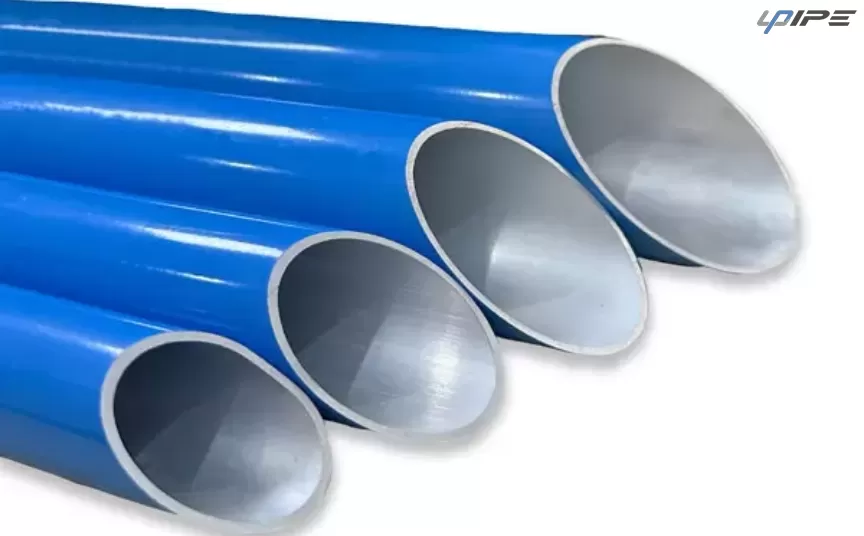
Performance is a central consideration when designing compressed air infrastructure. Aluminum piping enables highly precise airflow management, minimizing turbulence and pressure drops across the network. Optimized internal surfaces of aluminum pipes maintain smooth airflow, which is especially important in systems with complex branching or multiple equipment connections.
Furthermore, aluminum’s dimensional stability allows engineers to achieve tighter tolerances compared to plastic or steel alternatives. This precision ensures that pneumatic equipment operates under consistent conditions, reducing wear and energy consumption over time.
Corrosion Resistance and Longevity in Industrial Environments
In industrial settings, exposure to moisture, oils, and chemical residues is unavoidable. Aluminum compressed air lines are naturally resistant to these factors, offering superior protection against internal and external corrosion. Unlike steel systems, aluminum does not degrade due to moisture accumulation or condensation inside the lines, which also helps maintain air purity for sensitive applications such as inert gas or vacuum systems.
Long-term durability translates to fewer maintenance interventions and replacements, which in turn lowers operational costs and minimizes production interruptions.
Optimizing Safety and Reliability with Aluminum Air Systems
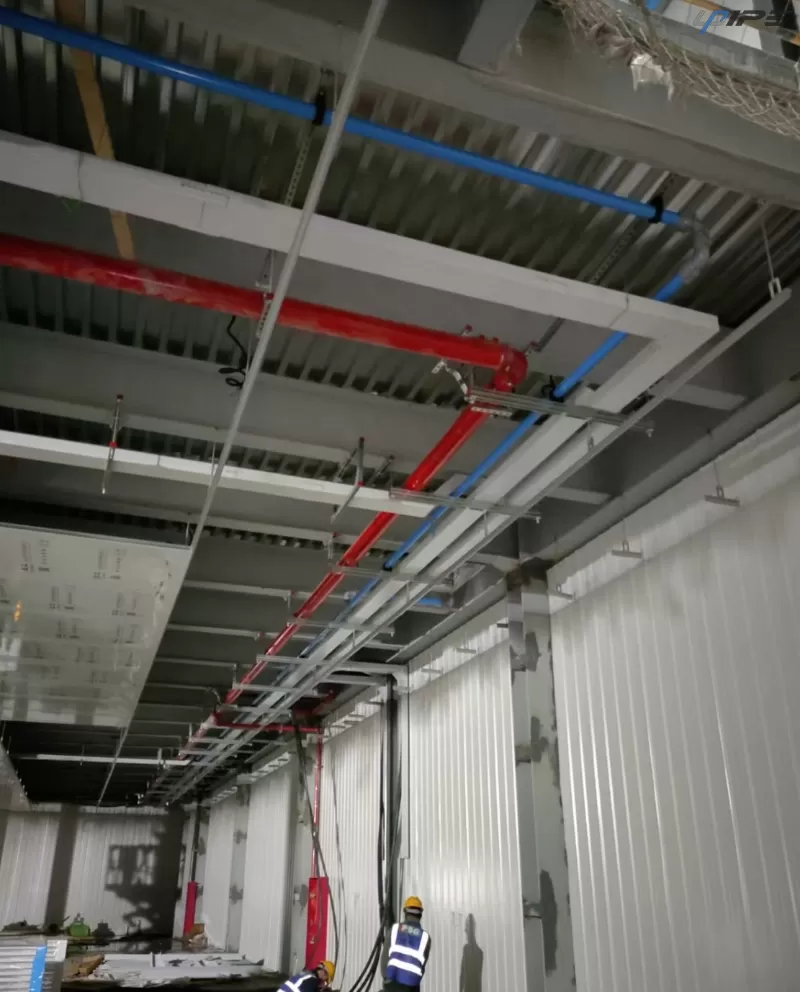
Safety is a critical aspect of industrial compressed air networks. Aluminum piping systems contribute to operational safety in several ways. The lightweight nature of aluminum reduces the structural load on ceilings, supports, and brackets, which is particularly important in overhead installations. This minimizes the risk of structural failure or accidental detachment.
Moreover, aluminum air line systems are designed for leak-free operation. A well-sealed network reduces the risk of pressure drops that could lead to equipment malfunctions or safety hazards. By ensuring stable airflow, aluminum systems help maintain the reliability of pneumatic machinery and the safety of personnel.
Energy Efficiency and Cost-Effectiveness of Aluminum Air Lines
Energy efficiency is a growing concern in industrial operations. Pressure losses in compressed air lines result in higher energy consumption as compressors work harder to maintain target pressures. Aluminum piping, with its smooth interior and precision fittings, minimizes these losses, enabling more efficient airflow.
Additionally, the reduced need for frequent repairs or replacements enhances the cost-effectiveness of aluminum systems. While the initial investment may be higher than plastic alternatives, the long-term savings in energy and maintenance make aluminum an attractive option for high-performance facilities.
Role of Blue Aluminum Air Line Solutions
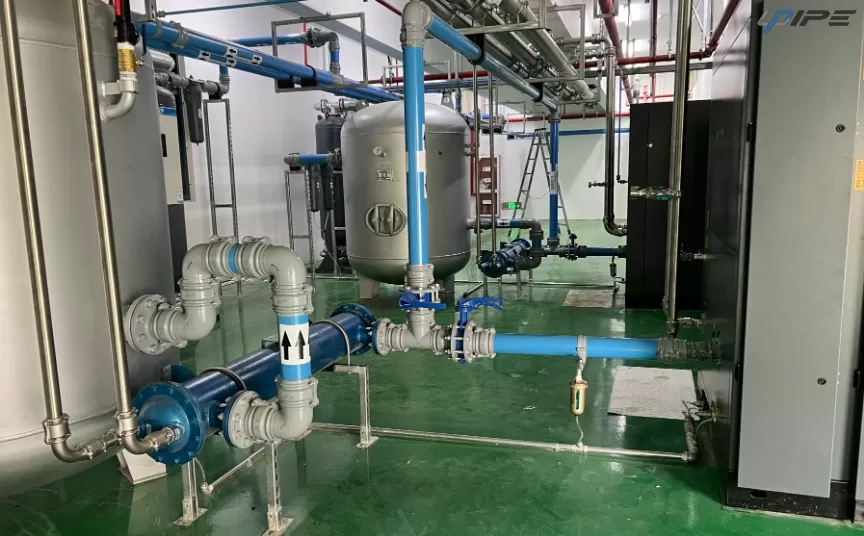
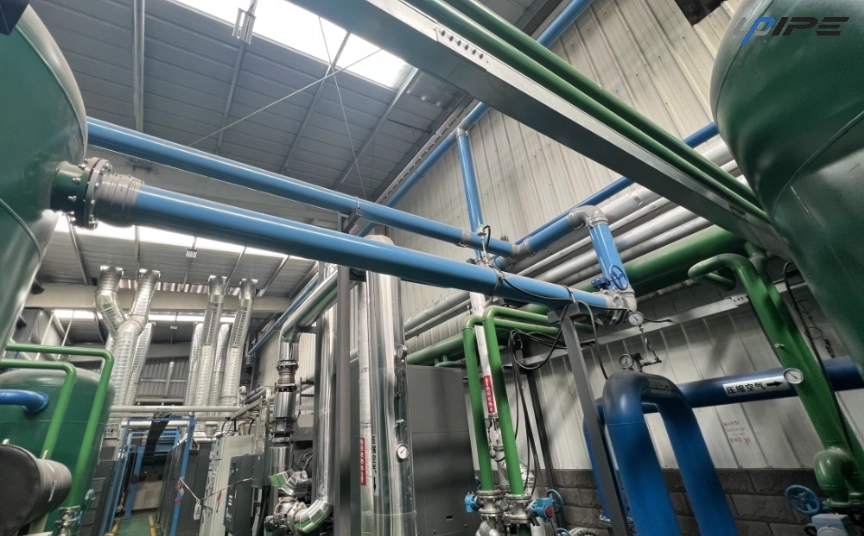
An emerging trend in industrial infrastructure is the adoption of blue aluminum air line configurations. These color-coded pipelines offer visual clarity in large-scale facilities, helping technicians quickly identify compressed air circuits versus other utilities such as vacuum or inert gas lines.
Beyond aesthetics, blue aluminum air lines maintain all the technical advantages of standard aluminum systems: corrosion resistance, modularity, and precise performance. The combination of visual management and operational reliability enhances workflow efficiency and reduces the likelihood of human error during maintenance or modifications.
Installation Considerations and Best Practices
Proper installation is essential to maximize the benefits of aluminum compressed air lines. Although lightweight and modular, aluminum systems require careful planning regarding pipe routing, support spacing, and connection techniques.
Supports should be designed to accommodate thermal expansion, and connections must be checked for airtightness to prevent leaks. In facilities with vibration-prone equipment, vibration isolation measures should be implemented to protect the integrity of fittings. Regular inspections ensure long-term performance and reliability.
Integration with Advanced Compressed Air Technologies
Aluminum compressed air systems are fully compatible with modern industrial technologies. They can be seamlessly integrated with pressure regulators, flow meters, dryers, and filtration units. For example, inert gas distribution or vacuum systems benefit from aluminum’s precision and leak-free connections, ensuring stable and clean delivery throughout the network.
Integration with monitoring systems also allows operators to track performance in real time, quickly identifying inefficiencies or potential issues before they escalate. This digital approach to infrastructure management is increasingly important in high-output manufacturing environments.
Choosing the Right Aluminum Compressed Air Lines for Your Facility
Selecting an appropriate aluminum system involves evaluating factors such as operating pressure, pipe diameter, network complexity, and environmental conditions. Aluminum air line systems offer scalable solutions that can meet the needs of both small workshops and large industrial plants.
Long-term considerations, including maintenance schedules, energy consumption, and expansion potential, should guide system selection. By aligning technical specifications with operational goals, facilities can achieve maximum efficiency and reliability.
Conclusion
Aluminum compressed air lines represent a modern, high-performance solution for industrial air, vacuum, and inert gas systems. Their modular design, corrosion resistance, and precision engineering deliver significant advantages over traditional piping materials, from improved energy efficiency to reduced maintenance demands. The addition of blue aluminum air lines further enhances operational clarity, supporting safety and streamlined workflows.
Investing in high-quality aluminum piping infrastructure is not merely a technical choice but a strategic decision that directly impacts productivity, operational costs, and long-term sustainability. For industries that rely on reliable compressed air and vacuum systems, aluminum solutions offer a combination of performance, flexibility, and longevity that ensures competitive advantage in today’s demanding industrial landscape.
By integrating aluminum compressed air lines and complementary technologies, facilities can achieve reliable airflow, minimal downtime, and superior operational control—transforming air delivery from a supporting function into a strategic asset.