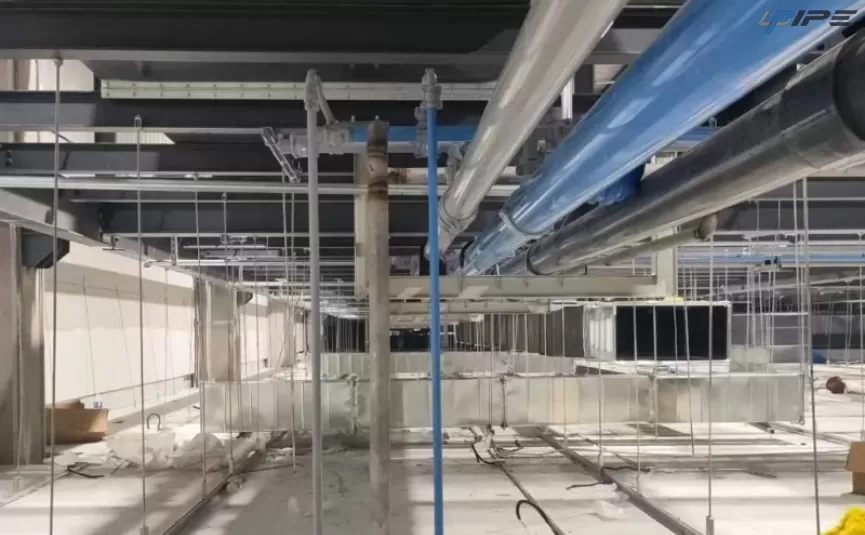
In many factories and workshops, compressed air systems are quietly upgraded without much attention to how installation choices affect long-term operation. Over the past few years, aluminum compressed air line has become a common direction for facilities that want cleaner layouts, easier expansion, and better control over air quality. In this blog post, UPIPE, as one of the high quality aluminum air pipe suppliers, will share information on blue aluminum compressed air line installation for facilities, including practical layout decisions and factors that directly affect performance and maintenance.
Planning Blue Aluminum Compressed Air Line Before Installation
A successful compressed air project starts well before the first pipe is cut. When planning a blue aluminum air piping system, the most common mistake is copying an old steel or PVC layout without rethinking airflow behavior.
At this stage, installers should map actual air demand points, not just machine locations. Tools that run intermittently, future workstations, and seasonal equipment should be included in the layout plan. Blue aluminum compressed air pipes are often chosen because they support modular expansion, but that advantage is only realized if space for future drops and loops is reserved from the beginning.
Another planning detail often overlooked is vertical clearance. Aluminum compressed air line installation allows for wall-mounted, ceiling-mounted, or hybrid layouts. Each option influences condensate control, access for maintenance, and pressure stability across the system.
Choosing Pipe Diameters for Blue Aluminum Air Systems
Pipe sizing is not about “bigger is safer.” In blue aluminum compressed air line installation, oversizing can lead to unnecessary cost and sluggish system response, while undersizing increases pressure drop and compressor load.
A practical approach is to size the main header based on peak simultaneous demand plus a realistic growth margin, then progressively reduce diameter at branch lines. Aluminum compressed air piping systems perform best when air velocity is controlled, typically below thresholds that cause turbulence and noise.
Installers should also account for equivalent length. Every elbow, tee, or valve adds resistance. One benefit of modular aluminum compressed air lines is the availability of smooth-radius fittings, but they still need to be included in pressure drop calculations.
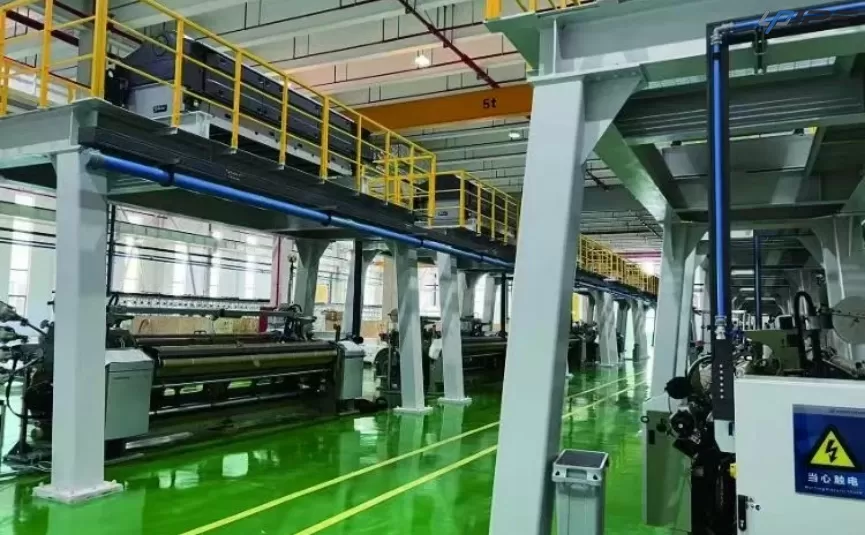
Layout Logic for Blue Aluminum Compressed Air Line Installation
The physical routing of the system often determines how stable it will be over time. Ring or loop layouts are frequently used in blue aluminum air line installations because they balance pressure across multiple directions.
However, not every facility needs a full loop. In smaller workshops, a partial loop with strategic isolation valves can achieve similar results with less material. The key is avoiding dead ends where air stagnates and moisture accumulates.
Slope is another practical detail. Even with dryers installed, moisture will form. Blue aluminum compressed air pipes should be installed with a slight slope in the direction of airflow, guiding condensate toward drain points rather than into tools or machines.
Installation Techniques That Affect Long-Term Performance
One reason blue aluminum compressed air line installation is favored is the reduced need for welding or threading. Still, “easier” does not mean “careless.”
Pipe cutting must be clean and square. Burrs left inside aluminum air pipes can detach later and travel downstream, damaging valves or pneumatic equipment. Deburring and internal cleaning should be standard practice, not optional steps.
Torque control on fittings is equally important. Over-tightening can deform seals, while under-tightening leads to micro-leaks that are difficult to detect during initial commissioning. Following manufacturer torque guidelines is one of the simplest ways to protect system integrity.
Managing Moisture and Contaminants in Aluminum Air Lines
Moisture management is a core topic in any compressed air system, but blue aluminum compressed air line installation introduces specific considerations.
Unlike steel, aluminum does not rust internally, which reduces particulate contamination. However, moisture still needs a defined path out of the system. Drop legs should always be installed below the main line, with drains positioned at the lowest point. This configuration ensures condensate does not enter hoses or tools.
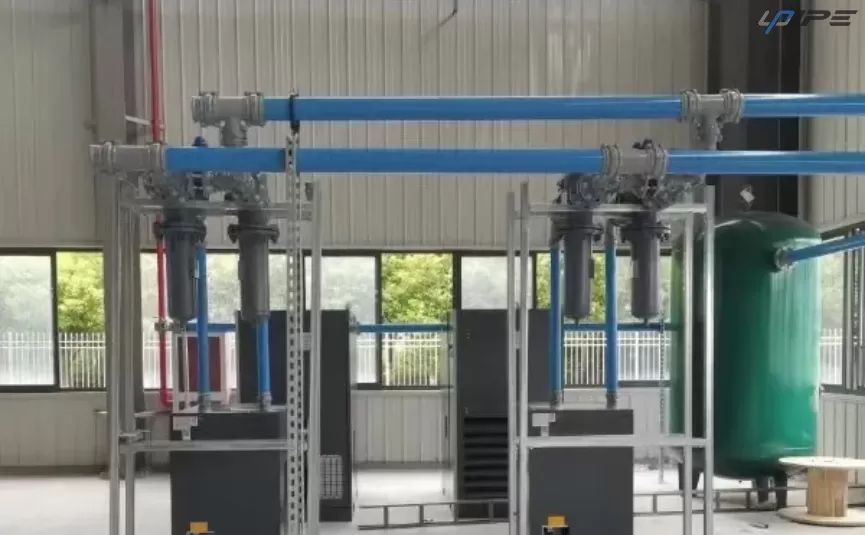
Filter placement also matters. Installing point-of-use filtration without addressing upstream moisture collection often shifts the problem rather than solving it. A well-planned aluminum compressed air piping system integrates moisture control into the layout itself.
Integrating Blue Aluminum Air Lines With Existing Systems
Many facilities do not start from zero. Blue aluminum compressed air line installation is often carried out in phases, connected to older steel or galvanized piping.
Transition points deserve special attention. Dissimilar materials can introduce galvanic corrosion risks if improperly connected. Using appropriate transition fittings and insulating components prevents long-term degradation at these joints.
Pressure testing after integration is critical. Existing systems may have hidden leaks or pressure inconsistencies that become more visible once a new aluminum air piping section is added. Identifying these issues early avoids misattributing problems to the new installation.
Installation Safety and Compliance Considerations
Compressed air systems are subject to local codes and safety standards, even when operating at relatively low pressures. Blue aluminum compressed air line installation should comply with relevant industrial piping guidelines, including support spacing, load limits, and labeling.
The blue color coding is not just aesthetic. Clear identification of compressed air lines improves workplace safety and simplifies maintenance. In mixed-utility environments, color-coded aluminum air pipes reduce the risk of accidental cross-connections or improper modifications.
Support spacing is another compliance issue. Aluminum pipes are lightweight, but improper support can lead to sagging, joint stress, or vibration over time. Following recommended hanger distances ensures structural stability without over-engineering.
Commissioning a Blue Aluminum Compressed Air Piping System
Commissioning is more than pressurizing the system and checking for obvious leaks. A structured approach to blue aluminum compressed air line installation commissioning can reveal issues that would otherwise surface months later.
Start with staged pressure increases, monitoring joint behavior and pressure stability. Thermal expansion, although lower in aluminum than in some plastics, still occurs and should be observed during initial operation.
Flow testing at critical points helps verify that pipe sizing and layout assumptions were correct. If pressure drops exceed expectations, adjustments can still be made before the system is fully loaded with production equipment.
Maintenance Access and Future Modifications
One practical advantage of aluminum compressed air piping systems is ease of modification. However, this only holds true if installation considers access from the beginning.
Isolation valves should be installed at logical sections, not just at the compressor outlet. This allows maintenance or expansion work without shutting down the entire facility. In blue aluminum compressed air line installation, modular design supports this approach, but it must be planned.
Labeling drop lines, documenting pipe routes, and maintaining updated system drawings significantly reduce downtime during future changes. These steps may seem administrative, but they directly affect operational efficiency.
Common Installation Mistakes to Avoid
Experience across multiple installations shows recurring mistakes. One is mixing pipe diameters randomly to “use up” leftover materials. This disrupts airflow balance and complicates troubleshooting.
Another issue is neglecting vibration isolation near compressors. Even rigid aluminum air lines benefit from flexible connectors at vibration sources. Skipping this step transfers mechanical stress into the piping network.
Finally, assuming that aluminum air piping is maintenance-free leads to complacency. While blue aluminum compressed air lines reduce corrosion issues, seals, drains, and filters still require periodic inspection.
Why Installation Quality Defines System Value
The real value of blue aluminum compressed air line installation is not defined by material alone. It is defined by how well planning, layout, and execution align with actual operating conditions.
A carefully installed system delivers stable pressure, predictable maintenance needs, and flexibility for future growth. A poorly installed one, even with high-quality aluminum pipes, becomes a source of leaks, pressure loss, and operational frustration.
For facilities considering or already implementing blue aluminum compressed air piping, focusing on installation logic rather than surface-level features is the most effective way to achieve lasting results.