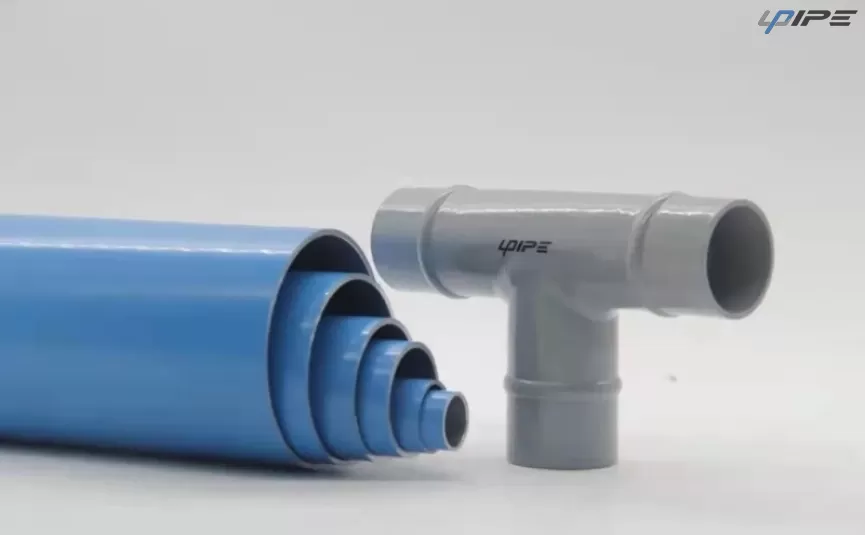
Reduce hidden energy losses with aluminum compressed air piping system solutions designed to minimize pressure drop, limit leakage, and improve air delivery.
Where Compressed Air Energy Gets Lost in Industrial Piping
Compressed air is an essential resource in manufacturing, but producing it requires significant electricity. While factories often focus on compressor efficiency, the distribution network can also contribute to unnecessary energy consumption. Pressure drops, leaking connections, restrictive fittings, and inefficient pipe routing can prevent compressed air from reaching production equipment at the required pressure.
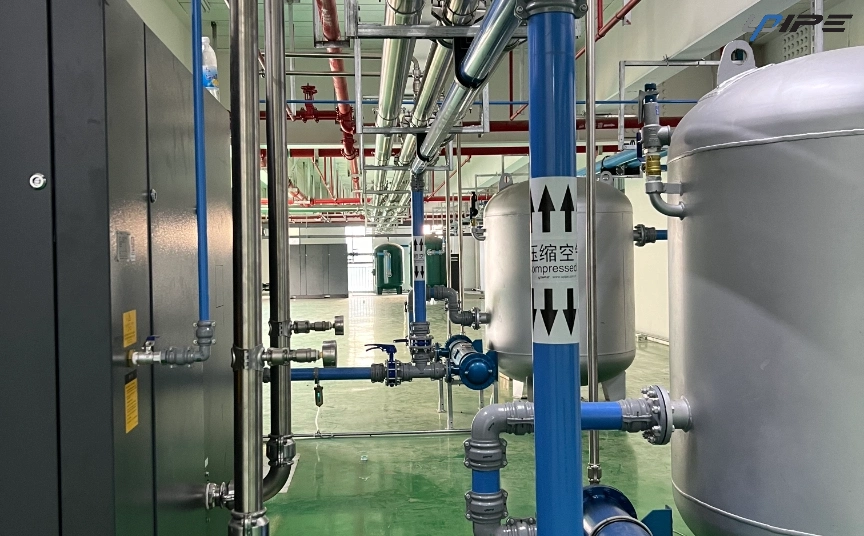
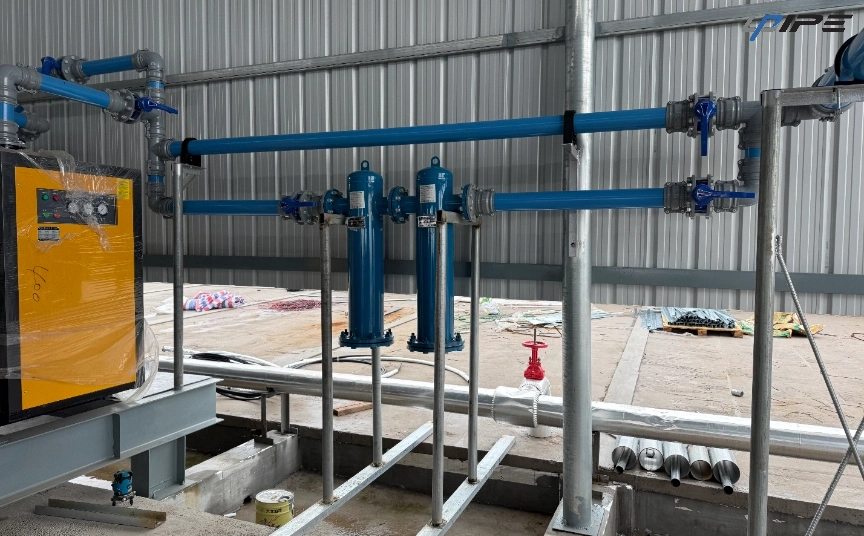
A carefully designed aluminum compressed air piping system helps address these problems by combining corrosion-resistant pipes, smooth internal surfaces, efficient fittings, and secure connections. UPIPE provides aluminum piping solutions designed to support practical installation and efficient air distribution across industrial facilities. The goal is to reduce avoidable losses throughout the pipeline rather than compensate for poor distribution by increasing compressor output.
How Pipe Design Influences Pressure Drop
As compressed air moves through a pipeline, resistance develops along straight sections and at changes in direction. Elbows, tees, valves, connectors, and undersized branches all influence the pressure available at the point of use. When several machines operate simultaneously, these restrictions may become more noticeable, particularly in facilities with long distribution routes.
Selecting an appropriate pipe diameter is therefore a fundamental step in industrial compressed air piping design. Engineers should consider total airflow demand, peak consumption, pipeline distance, operating pressure, and the number of connected outlets. A well-sized network can deliver the required airflow without creating unnecessary resistance or relying on excessive compressor pressure to compensate for distribution problems.
Routing also deserves careful attention. Unnecessarily long pipe runs and excessive bends increase resistance and complicate maintenance. Keeping main lines practical, positioning branches close to demand areas, and choosing fittings with suitable flow passages can help improve overall distribution performance.
Why Aluminum Helps Control Long-Term Energy Waste
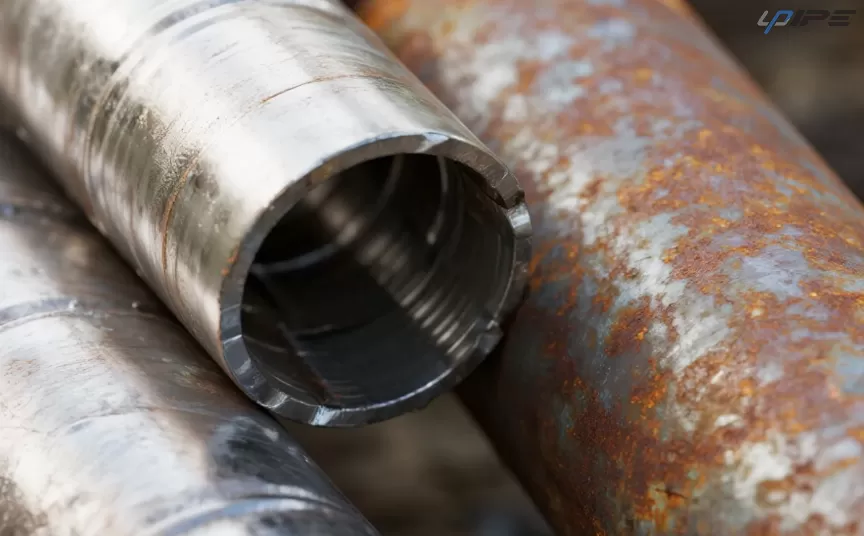
The internal condition of a pipe can change over time, especially in environments where moisture and corrosion affect conventional steel piping. Rust and scale may accumulate inside aging pipes, increasing resistance and introducing contaminants into the air stream. These problems can contribute to maintenance requirements and make airflow performance less predictable.
An aluminum compressed air piping system offers natural corrosion resistance and a smooth internal passage. These characteristics help maintain a cleaner flow path under suitable operating conditions. UPIPE uses pure aluminum material without recycled aluminum, supporting material consistency across its piping products.
Material selection alone does not determine energy performance, but it can influence how well a pipeline maintains its condition throughout its service life. When planning a factory upgrade, buyers should evaluate internal surface quality, operating requirements, connection design, and maintenance needs together rather than comparing materials only by their initial purchase price.
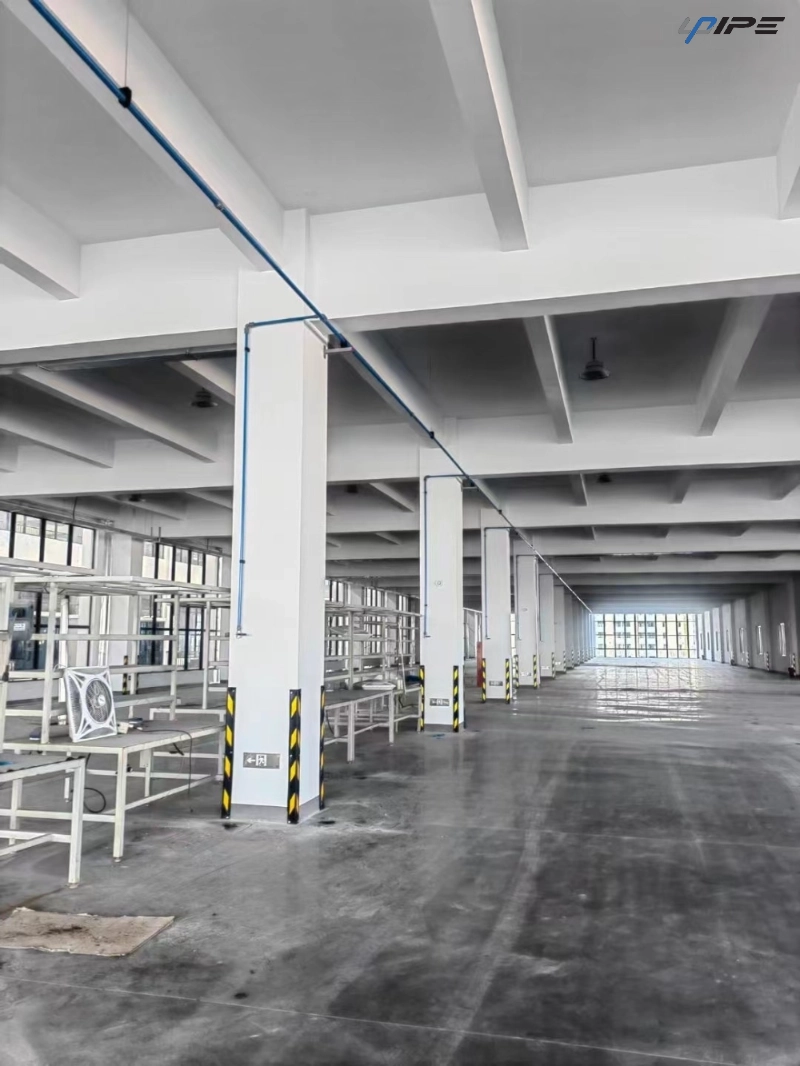
Reduce Flow Restrictions with Suitable Fittings
Straight pipes are only one part of an industrial air distribution network. Fittings can introduce additional resistance when airflow changes direction or passes through a restricted opening. A poorly planned arrangement with numerous bends and unnecessary connectors may increase pressure loss even when the main pipe diameter is appropriate.
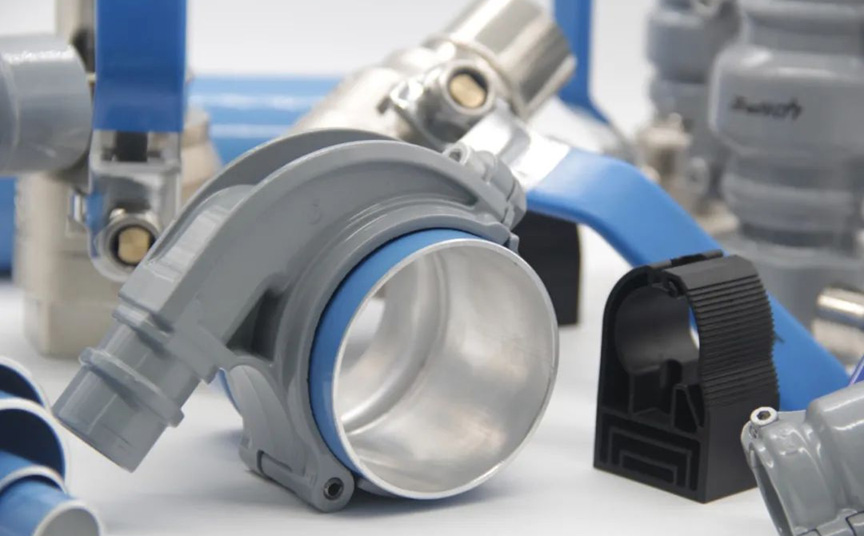
UPIPE provides elbows, tees, valves, connectors, and other accessories designed to work with its aluminum piping range. Flow-directed fitting designs help create practical airflow paths and reduce unnecessary restrictions. However, actual performance also depends on correct sizing, the number of fittings, and the operating flow rate.
When reviewing an existing network, engineers should pay attention to concentrated direction changes, narrow connection passages, and branches serving high-demand equipment. Reducing unnecessary restrictions can improve pressure delivery without automatically requiring a larger compressor or a complete pipeline replacement.
Prevent Air Leakage Before It Becomes an Operating Cost
Not all compressed air losses result from friction. Leakage around joints, valves, connectors, and sealing areas can waste air continuously, including during periods when production demand is relatively low. Multiple small leaks may collectively increase compressor workload and reduce the amount of usable air available to manufacturing equipment.
A dependable compressed air piping solution for factories should therefore place connection integrity at the center of its design. UPIPE uses dedicated sealing components and modular connection structures intended to support secure joints. Its sealing components incorporate imported rubber materials, while correct pipe preparation, alignment, and installation remain necessary for dependable performance.
Pipe supports are equally important because vibration, movement, and mechanical stress can affect connections over time. Regular leak inspections help identify deteriorating seals and loose connections before they become persistent sources of energy waste. Preventive maintenance is generally more effective than repeatedly increasing compressor output to compensate for air escaping from the network.
Choose Pipe Dimensions Based on Actual Air Consumption
Pipe sizing should reflect the volume of air required by connected equipment, not simply the compressor outlet size. A pipeline that performs adequately during low-demand periods may experience substantial pressure fluctuations when several pneumatic tools or production machines operate together.
Before selecting an aluminum compressed air piping system, evaluate the required flow rate, peak simultaneous demand, operating pressure, total route length, and distance to the most remote outlet. These factors help determine appropriate pipe diameters for the main line and individual branches.
Future demand should also be considered. Adding equipment without reviewing available pipe capacity can increase resistance and reduce pressure stability. Planning for reasonable expansion helps avoid repeated modifications and allows the distribution network to accommodate changing production requirements more efficiently.
Simplify Installation with Modular Aluminum Connections
Installation methods affect project costs, maintenance access, and the disruption associated with future changes. Conventional welded piping may require specialized labor and additional work when production layouts change. Modular aluminum connections provide another approach for facilities that need adaptable air distribution.
UPIPE's lightweight aluminum pipes can be assembled with compatible connectors, elbows, tees, valves, clamps, and sealing components. DN40 and larger pipes feature preformed raised rings at connection ends, helping simplify the connection process. The modular structure can make it easier to extend branches or reposition outlets when equipment is relocated.
Installation quality remains essential regardless of the connection method. Pipe ends must be properly prepared, seals must be correctly positioned, and supports must suit the layout and operating conditions. A carefully installed network is less likely to develop avoidable leakage or alignment problems that undermine its intended performance.
Manage Condensate to Protect Downstream Equipment
Moisture management is another important consideration in compressed air distribution. Condensate can accumulate as compressed air cools, and poorly arranged outlets may allow moisture to reach pneumatic tools, valves, and sensitive equipment. This can increase maintenance requirements and affect the reliability of connected processes.
UPIPE offers quick-drop fittings with reinforced structures, locking components, and multi-point sealing designs. Gooseneck-style configurations help reduce the risk of accumulated condensate entering downstream outlets when correctly installed. Suitable drainage arrangements and regular inspection are still necessary to manage moisture throughout the network.
A complete piping plan should consider outlet positions, drainage access, branch arrangement, and maintenance requirements. Addressing these details during design helps avoid corrective work after the network has been commissioned.
Evaluate Energy Performance Across the Entire Pipeline
Choosing an energy-efficient aluminum air piping solution requires more than comparing pipe materials or individual fittings. The distribution network should be assessed as a complete arrangement, from the compressor outlet to the equipment connection. Pipe diameter, routing distance, fitting geometry, sealing performance, and operating demand all interact to determine the pressure available at each point of use.
The following checklist can help engineers and purchasing teams evaluate a proposed installation or an existing pipeline upgrade.
| Evaluation factor | What to review |
|---|
| Airflow demand | Normal and peak consumption across connected equipment |
| Pipe dimensions | Capacity of main lines and branches |
| Route design | Distance, bends, and unnecessary connections |
| Fitting selection | Flow passages and connection restrictions |
| Leakage control | Seal condition and joint integrity |
| Moisture management | Quick-drop positioning and drainage access |
| Installation quality | Pipe preparation, alignment, and support |
| Future requirements | Additional outlets and production expansion |
Reviewing these factors together helps identify the actual causes of pressure loss and wasted air. It also provides a stronger basis for deciding whether a targeted repair, branch modification, or broader pipeline upgrade is appropriate.
Lower Long-Term Costs with UPIPE Aluminum Piping
The initial purchase price is only one part of a compressed air network's lifecycle cost. Electricity consumption, installation labor, leakage repairs, maintenance access, and future modifications all influence the total investment. A lower-cost pipe may not offer the best long-term value if the completed network is difficult to maintain or poorly matched to operating demand.
UPIPE combines pure aluminum pipes with compatible fittings, dedicated seals, modular connections, and supporting accessories for industrial air distribution. These features help address practical concerns such as corrosion, installation flexibility, connection integrity, and airflow restrictions.
For manufacturers planning a new installation or upgrading aging factory air lines, the most effective approach is to identify where losses occur before choosing replacement components. Correct pipe sizing, efficient routing, secure connections, and appropriate maintenance practices can work together to improve pressure delivery and reduce avoidable energy waste.
FAQ
How does an aluminum compressed air piping system reduce energy loss?
A smooth internal passage helps limit unnecessary airflow resistance, while corrosion resistance helps maintain the pipe's internal condition. Effective sizing, efficient routing, and secure connections are also essential to reducing pressure loss and leakage.
What are the main causes of pressure drop in compressed air piping?
Common causes include undersized pipes, long distribution routes, excessive bends, restrictive fittings, and high simultaneous airflow demand. Leakage can further reduce the amount of usable compressed air reaching equipment.
Can aluminum piping help reduce factory maintenance?
Aluminum's corrosion resistance can reduce maintenance associated with internal rust, while modular connections can simplify inspection and future modifications. Actual maintenance requirements depend on installation quality and operating conditions.
Why are fittings important in compressed air distribution?
Elbows, tees, valves, and connectors influence airflow direction and available passage area. Suitable fitting designs and sensible routing can help minimize unnecessary resistance throughout the network.
What should buyers consider before upgrading factory air lines?
Evaluate airflow demand, pipe dimensions, pressure requirements, route length, leakage points, fitting selection, condensate management, and future expansion. These factors help determine which piping changes are most appropriate for the facility.
Does replacing steel pipes with aluminum guarantee energy savings?
No. Savings depend on the condition of the existing network, pipe sizing, operating demand, leakage, and installation quality. An engineering assessment helps identify realistic opportunities to improve efficiency.