Factory Air Distribution Layout for Compressed Air Pipe Installation Systems
Industrial compressed air networks are no longer simple utility lines running through a facility. They are engineered infrastructures that directly influence production efficiency, energy consumption, and equipment lifespan. A well-designed system ensures stable pressure, minimal leakage, and predictable airflow distribution across all production zones.
Aluminum alloy piping systems are widely adopted in modern industrial environments due to their corrosion resistance, modular flexibility, and consistent performance under varying operational conditions. When properly planned, a compressed air network becomes a long-term asset rather than a recurring maintenance burden. In this blog post, UPIPE, as high performance blue aluminum air line factory, will share the features of compressed air pipe installation layout for factory air supply.
System Planning Principles in Compressed Air Pipe Installation Projects
Designing an efficient compressed air infrastructure begins long before physical installation. The planning stage defines system reliability and future scalability. One of the most important objectives in compressed air pipe installation projects is to minimize pressure loss while maintaining balanced airflow distribution across all end-use points.
A structured layout should always account for:
Total air demand and peak consumption cycles
Distance between compressor stations and usage points
Pressure stability across multiple branches
Expansion capacity for future production lines
Maintenance accessibility for all pipeline segments
A poorly planned layout often leads to uneven pressure zones, forcing compressors to work harder and increasing operational costs. In contrast, a well-structured system distributes airflow evenly, reducing load fluctuations and improving energy efficiency.
Material Selection and the Role of Aluminum Alloy Piping Systems
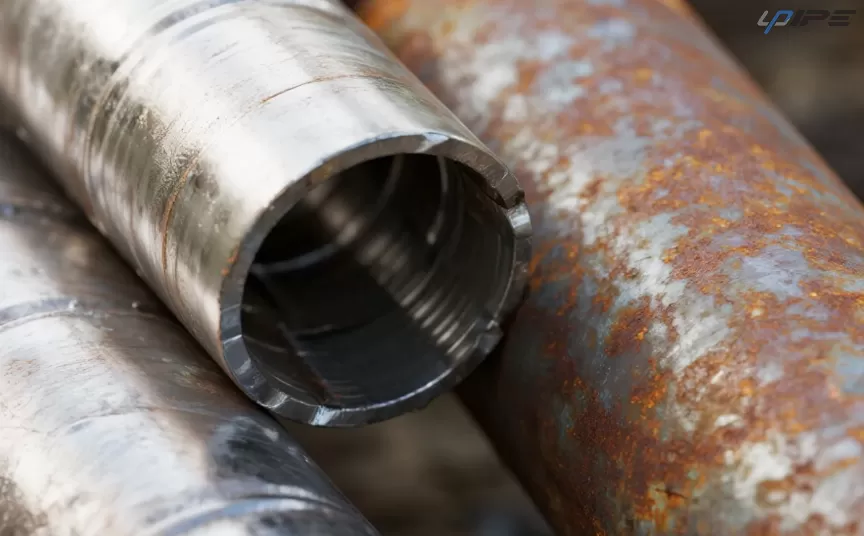
Material selection is a critical factor in industrial air distribution systems. Traditional steel piping is still used in some facilities, but it presents long-term challenges such as internal corrosion, scaling, and airflow restriction. These issues gradually reduce system efficiency and increase maintenance frequency.
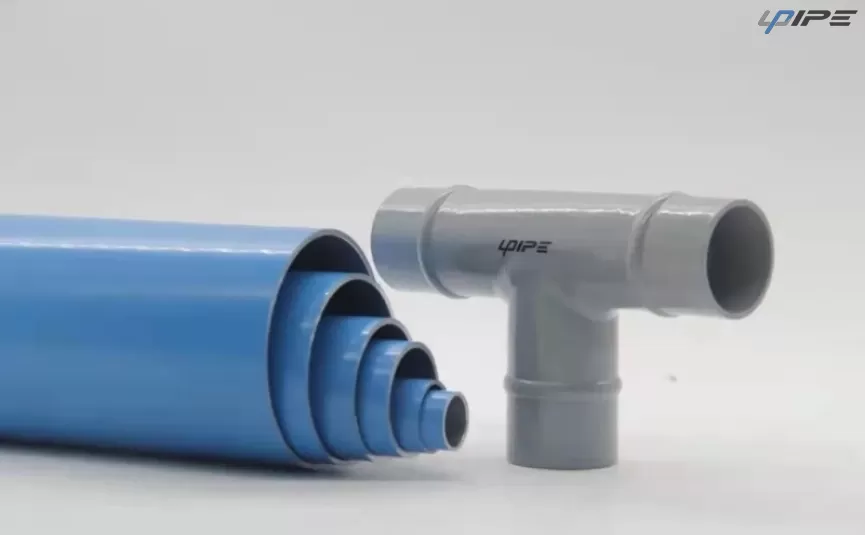
UPIPE’s aluminum alloy piping system offers a modern alternative with several advantages:
Lightweight structure for easier installation
Smooth internal surface to reduce friction loss
Strong corrosion resistance in humid or chemical environments
Modular connection design for flexible system expansion
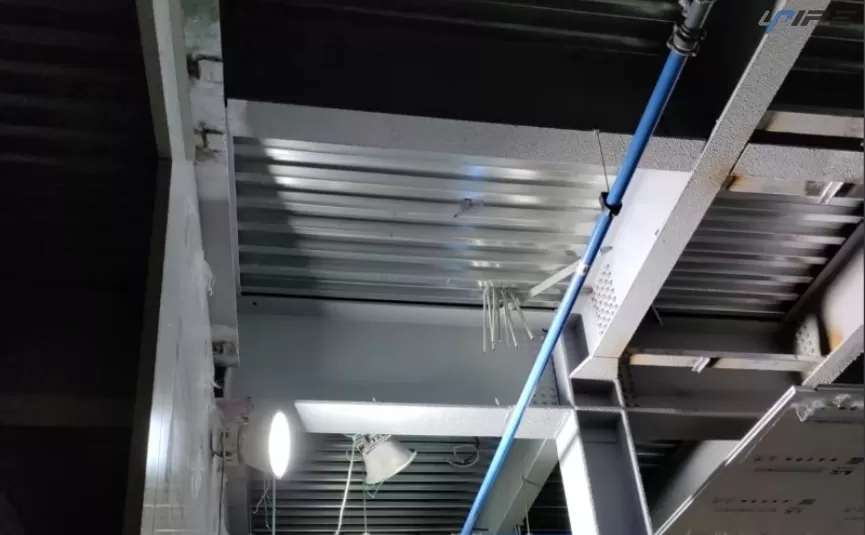
Among modern solutions, the use of blue aluminum compressed air pipe has become increasingly popular in industrial environments where visual identification and system segmentation are required. Its color-coded structure simplifies maintenance planning and reduces the risk of cross-system confusion in complex facilities.
Routing Strategy and Pressure Stability Optimization
Routing design directly influences the performance of compressed air distribution systems. The objective is to create the shortest possible airflow paths while maintaining balanced pressure across all branches.
Effective routing strategies include:
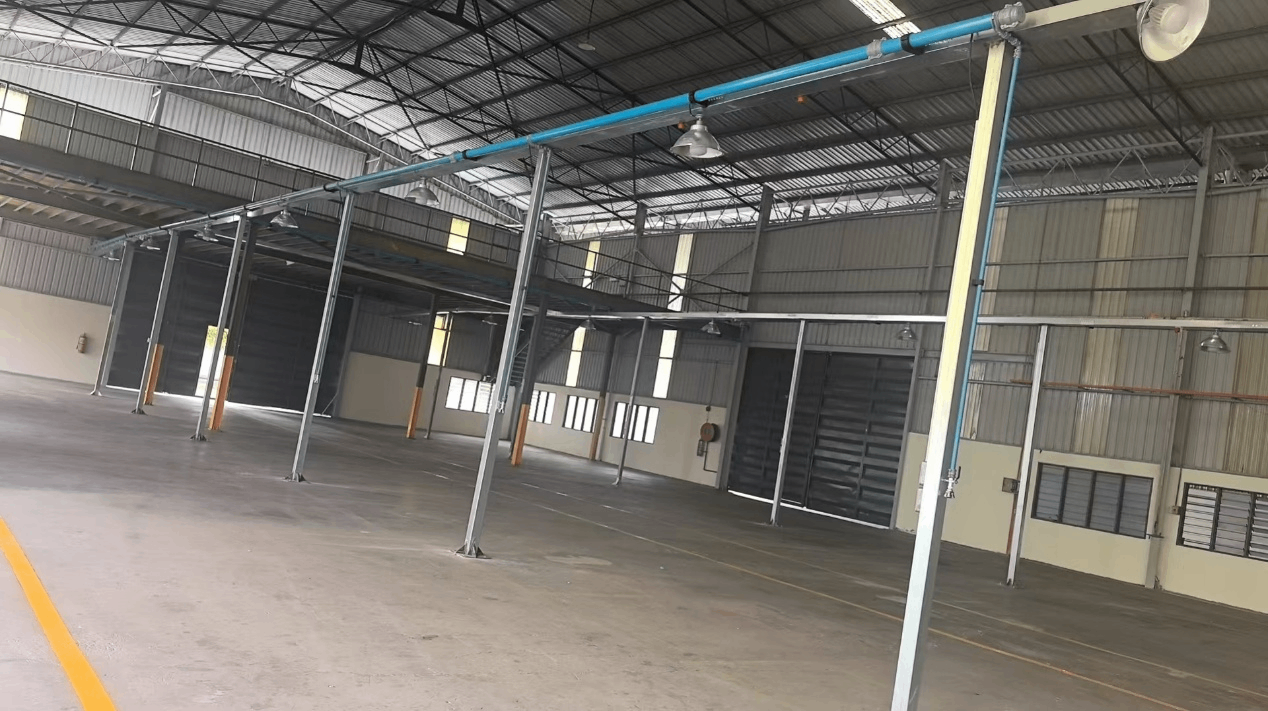
Establishing a looped main pipeline to stabilize pressure
Avoiding unnecessary vertical elevation changes
Reducing sharp bends that increase turbulence
Positioning branch lines close to actual consumption points
A looped design is especially effective in large factories because it allows air to flow from multiple directions, reducing pressure drop at distant endpoints. This ensures consistent performance even during peak production demand.
Modular Installation Approach in Industrial Air Networks
Modern compressed air systems increasingly rely on modular installation techniques. Unlike traditional welded steel pipelines, modular aluminum systems allow rapid assembly and reconfiguration without extensive downtime.
In large-scale air compressor line installation projects, modular systems significantly reduce labor intensity and installation time. Pre-engineered pipe sections and quick-connect fittings allow technicians to build complex layouts with minimal specialized tools.
This approach also supports future scalability. When production lines expand or shift, the piping system can be reconfigured without complete dismantling, reducing long-term infrastructure costs.
Connection Technology and Sealing Performance in UPIPE Systems
Connection integrity is one of the most critical aspects of compressed air distribution systems. Even small leaks can result in significant energy losses over time.
UPIPE systems use precision-engineered fittings designed to ensure:
Tight sealing under high-pressure conditions
Resistance to vibration-induced loosening
Long-term durability in industrial environments
Consistent airflow without leakage points
The integration of high-performance aluminum compressed air pipe fittings ensures that every connection maintains structural and operational integrity. These fittings are designed to match the internal geometry of the piping system, minimizing turbulence and improving airflow efficiency.
Compressor Integration and Distribution Network Balance
A compressed air system is only as effective as its integration with the compressor station. Poor integration often leads to pressure instability, uneven load distribution, and excessive energy consumption.
To achieve balanced performance, engineers typically focus on:
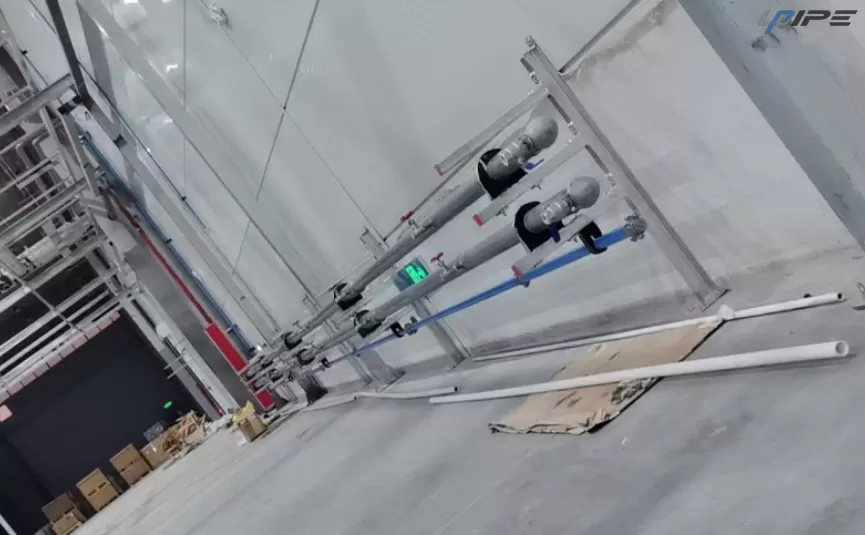
Positioning the compressor room centrally when possible
Using adequately sized main headers to reduce bottlenecks
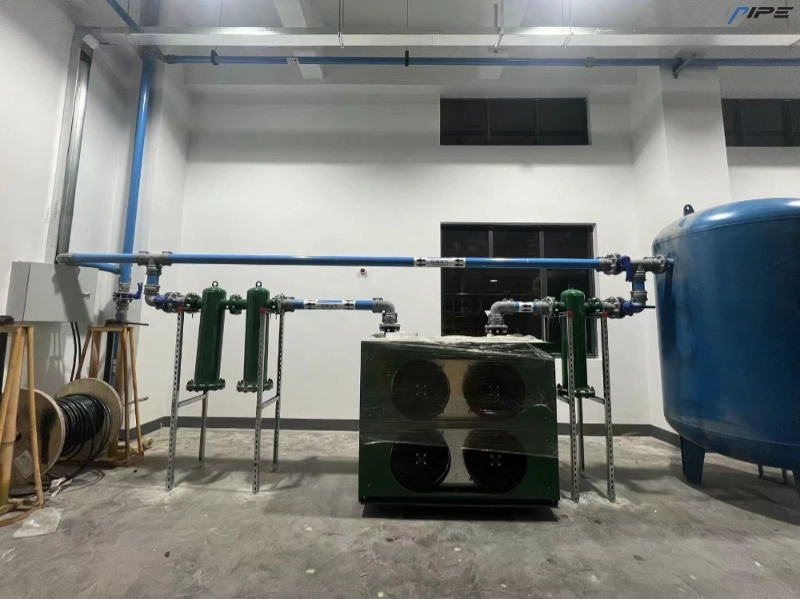
Installing buffer storage tanks to stabilize pressure fluctuations
Ensuring equal distribution paths for all major consumption zones
In large industrial setups, an improperly designed air compressor line installation can result in significant pressure drops at distant production points. This not only affects equipment performance but can also lead to inconsistent product quality.
Leak Prevention and System Reliability Management
Air leakage remains one of the most common inefficiencies in industrial compressed air systems. Even minor leaks can accumulate into substantial energy losses over time.
Preventive strategies include:
Regular inspection of all joints and fittings
Use of high-quality sealing materials compatible with aluminum systems
Pressure monitoring at multiple network points
Avoiding mechanical stress on pipeline connections
UPIPE systems are designed to minimize leak risks through precision manufacturing and standardized connection geometry. The smooth internal structure also reduces the likelihood of particle accumulation, which can indirectly affect sealing performance over time.
Energy Efficiency and Pressure Drop Control Strategies
Energy efficiency is a key concern in modern industrial operations. Compressed air is one of the most expensive utilities in manufacturing, making system efficiency a direct cost factor.
Key strategies for reducing energy consumption include:
Optimizing pipe diameter based on airflow requirements
Eliminating unnecessary bends and restrictions
Maintaining stable pressure levels across the system
Using low-friction materials such as aluminum alloy piping
The use of blue aluminum compressed air pipe systems contributes to improved airflow consistency due to their smooth internal surfaces and reduced turbulence compared to traditional piping materials.
Common Design and Installation Mistakes in Industrial Networks
Many compressed air systems underperform due to avoidable design errors. These mistakes often become costly after installation is complete.
Frequent issues include:
Undersized pipelines that restrict airflow
Overly complex routing with excessive bends
Lack of future expansion planning
Inconsistent material selection across the network
Poor separation between high-demand and low-demand zones
Avoiding these issues during the planning phase significantly improves long-term system reliability and reduces maintenance requirements.
Maintenance Strategy and Long-Term Operational Stability
A well-designed compressed air system should support easy maintenance without disrupting production. Accessibility is therefore a key design factor.
Maintenance planning should include:
Clearly labeled pipeline sections for quick identification
Accessible valve and fitting locations
Scheduled inspection intervals for pressure stability
Monitoring systems for detecting early-stage leaks
Modular aluminum systems, such as those provided by UPIPE, simplify maintenance procedures by allowing quick disassembly and replacement of individual components without affecting the entire network.
Industrial Applications and System Scalability Considerations
Compressed air systems are used across a wide range of industries, including automotive manufacturing, electronics production, packaging, and heavy machinery operations. Each industry has unique airflow demands and pressure requirements.
Scalability is particularly important in growing production environments. A well-designed system allows:
Expansion without major structural redesign
Addition of new production zones without pressure imbalance
Integration of auxiliary equipment without system overload
This flexibility is one of the key advantages of modular aluminum piping systems, which can be extended or reconfigured with minimal disruption.
Future Development Trends in Compressed Air Infrastructure
Industrial compressed air systems are evolving toward smarter, more efficient designs. Future developments are focused on digital monitoring, predictive maintenance, and energy optimization.
Key trends include:
Real-time pressure and flow monitoring systems
AI-assisted leak detection and maintenance scheduling
Lightweight, high-durability piping materials
Standardized modular systems for global compatibility
As industries continue to prioritize sustainability and energy efficiency, advanced aluminum piping solutions will play an increasingly important role in shaping industrial infrastructure.
Conclusion
A well-engineered compressed air distribution network is essential for maintaining operational efficiency in modern industrial environments. From initial planning to material selection, routing design, and long-term maintenance, every stage influences system performance.
UPIPE aluminum alloy piping systems provide a robust foundation for reliable airflow distribution, offering modular flexibility, corrosion resistance, and high sealing integrity. When properly implemented, they support stable performance, reduced energy consumption, and scalable infrastructure growth across diverse industrial applications.