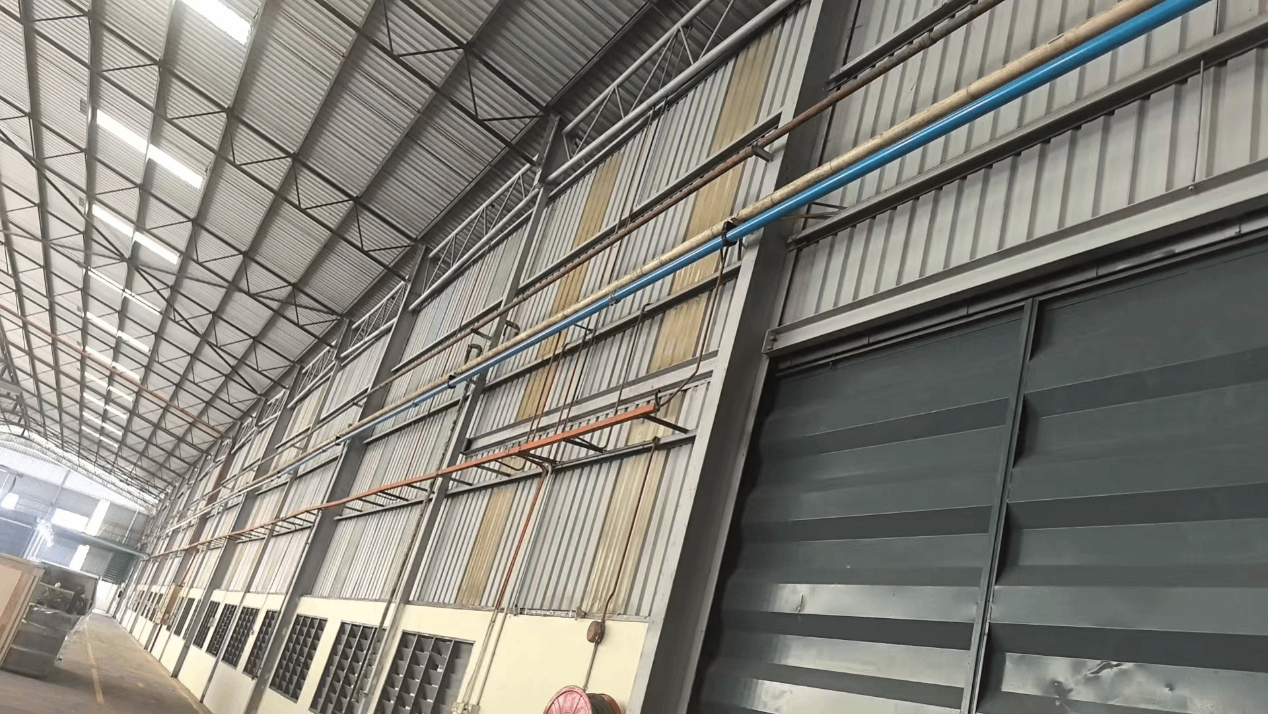
In modern industrial environments, compressed air is no longer a secondary utility but a core energy carrier that directly impacts production efficiency, equipment lifespan, and operational stability. The evolution of piping materials has shifted significantly from traditional galvanized steel and iron to lightweight, corrosion-resistant aluminum systems. Among these, Blue Air Compressor Pipe installations have become widely adopted due to their structural efficiency, modular flexibility, and long-term cost advantages.
A factory compressed air network is not simply a pipeline layout; it is a carefully engineered distribution system that must balance pressure stability, airflow purity, energy efficiency, and maintenance accessibility. Aluminum piping systems, especially those identified under blue-coded compressor pipe solutions, offer a modernized approach that aligns with high-demand manufacturing environments.
In this blog post, UPIPE as high quality aluminum compressed air piping system exporter will share the advantages of blue air compressor pipe in industrial factories, experience-driven exploration of system design principles, installation considerations, performance optimization, and lifecycle management of aluminum compressed air piping systems in industrial factories.
Structural Characteristics of Blue Air Compressor Pipe Aluminum Piping Systems
The foundation of any Blue Air Compressor Pipe Aluminum Compressed Air Piping for Factory setup lies in its material engineering. Aluminum alloys used in compressed air piping are selected for their mechanical strength-to-weight ratio and resistance to oxidation.
Unlike traditional steel pipes, aluminum compressed air pipes are extruded with precision tolerances, ensuring consistent internal diameter and smooth airflow paths. This significantly reduces turbulence losses, which directly contributes to improved system efficiency.
Key structural characteristics include:
High-grade aluminum alloy construction with anti-corrosion surface treatment
Modular pipe segments with standardized connection interfaces
Smooth internal bore minimizing friction losses
Lightweight design reducing load on factory ceilings and support structures
Color-coded blue identification for compressed air system distinction
These structural advantages make aluminum piping especially suitable for factories requiring frequent reconfiguration or expansion of production lines.
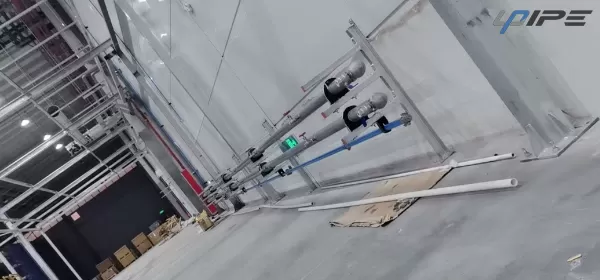
Airflow Dynamics in Aluminum Compressed Air Piping for Factory Systems
Airflow behavior inside a compressed air system determines energy efficiency and pressure stability. In Aluminum Compressed Air Piping for Factory environments, the internal smoothness of aluminum pipes plays a critical role in reducing pressure drop along distribution lines.
Compressed air experiences resistance as it travels through piping systems. Any internal roughness increases turbulence, leading to energy loss. Aluminum piping minimizes this issue by providing a near-polished internal surface, which helps maintain laminar flow conditions over longer distances.
From a system design perspective, engineers must consider:
Pressure drop per unit length
Flow velocity optimization
Distribution balancing across multiple production zones
Avoidance of sharp directional transitions
The use of Blue Air Compressor Pipe systems allows for more predictable airflow behavior, enabling precise control over pneumatic tools and automated machinery.
Factory Layout Integration and System Zoning Strategy
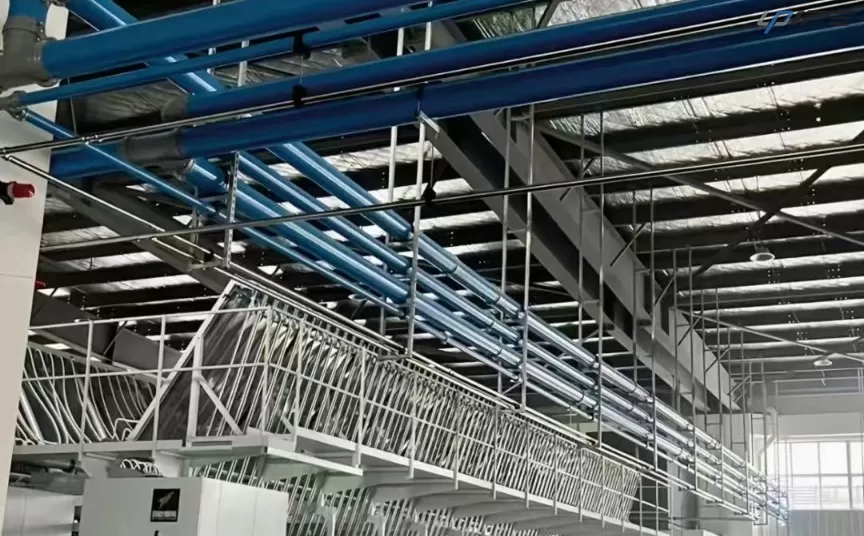
A well-designed compressed air system must align with the physical and operational layout of the factory. The Blue Air Compressor Pipe Aluminum Compressed Air Piping for Factory approach emphasizes zoning as a core design principle.
Instead of relying on a single linear distribution line, modern systems are divided into functional zones. Each zone is supplied through strategically placed branch lines, ensuring consistent pressure delivery even during peak demand periods.
Important layout considerations include:
Main header pipe positioning for balanced distribution
Loop network configuration to reduce pressure loss
Vertical risers for multi-floor industrial facilities
Strategic placement of drop lines for equipment clusters
Isolation points for maintenance without full shutdown
By integrating zoning strategies with aluminum piping systems, factories can achieve higher operational resilience and reduce downtime risks.
Material Performance and Long-Term Durability of Aluminum Compressed Air Piping
Durability is a critical factor when selecting piping systems for industrial compressed air networks. The Aluminum Compressed Air Piping for Factory system provides strong resistance against environmental stressors commonly found in manufacturing settings.
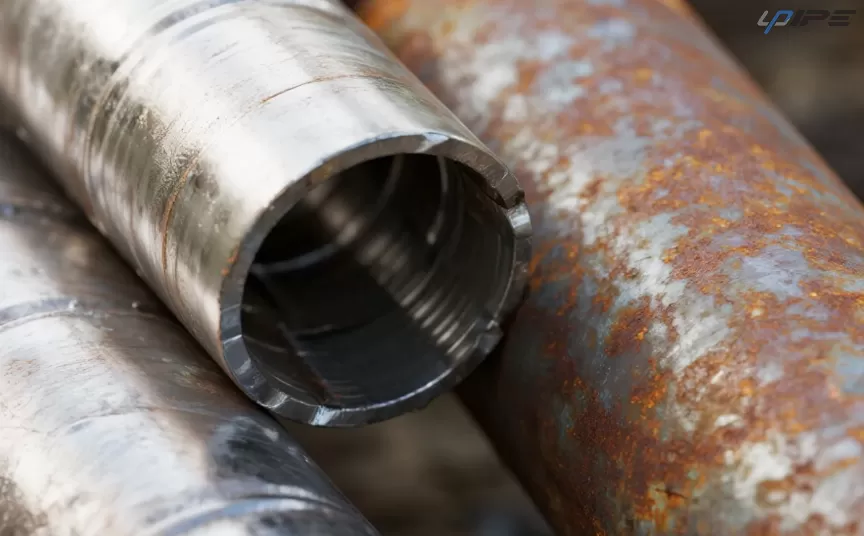
Aluminum does not rust like carbon steel, which eliminates one of the major causes of internal contamination in compressed air systems. This is particularly important for industries requiring clean air output, such as precision manufacturing and automated assembly.
Long-term performance advantages include:
Resistance to internal corrosion and oxidation
Stability under varying temperature conditions
Reduced risk of particulate contamination
Consistent mechanical integrity over extended service life
Minimal degradation in pressure performance over time
These properties ensure that Blue Air Compressor Pipe systems maintain efficiency even after years of continuous industrial use.
Installation Methodology for Blue Air Compressor Pipe Systems in Factories
Installation of a Blue Air Compressor Pipe Aluminum Compressed Air Piping for Factory system requires precise planning and execution to ensure long-term reliability. Unlike welded steel systems, aluminum piping uses mechanical fittings, allowing for faster and cleaner installation processes.
The installation process typically involves:
Pre-layout mapping based on factory floor design
Support bracket positioning for load distribution
Pipe cutting and deburring for clean joints
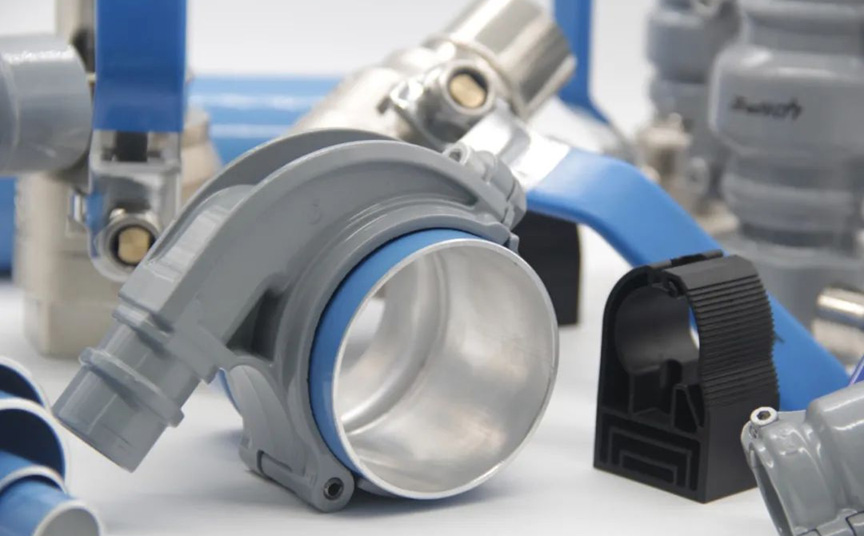
Mechanical coupling installation with sealing elements
Pressure testing to verify system integrity
One of the major advantages of aluminum systems is modularity. Sections can be added or modified without extensive shutdowns, which is particularly valuable in dynamic production environments where layouts frequently change.
Proper alignment during installation is essential to prevent stress accumulation at joints, which could otherwise reduce system lifespan.
Energy Efficiency and Operational Cost Reduction in Compressed Air Systems
Compressed air is one of the most energy-intensive utilities in industrial facilities. Poor piping design can lead to significant energy waste due to pressure drops and leakage.
The Aluminum Compressed Air Piping for Factory model contributes to energy efficiency in several ways:
Reduced internal friction lowers compressor workload
Stable pressure distribution minimizes over-compression
Leak-resistant fittings reduce air loss
Optimized routing shortens air travel distance
Over time, these factors contribute to measurable reductions in electricity consumption, making aluminum piping systems a cost-effective long-term investment.
Energy efficiency is not only about reducing operational costs but also about improving sustainability performance, which is increasingly important in modern industrial compliance frameworks.
Maintenance Strategy for Blue Air Compressor Pipe Aluminum Networks
Maintenance plays a vital role in ensuring the long-term stability of compressed air systems. The Blue Air Compressor Pipe Aluminum Compressed Air Piping for Factory design simplifies maintenance compared to traditional systems.
Because aluminum piping systems use modular fittings rather than welded joints, inspection and replacement procedures are significantly easier. Maintenance planning typically focuses on:
Regular inspection of coupling integrity
Monitoring pressure consistency across zones
Checking for external mechanical damage
Ensuring support structures remain stable
Verifying system cleanliness and dryness
Unlike steel systems that may require cutting and rewelding for repairs, aluminum systems allow for section-based replacement, minimizing downtime.
Safety Considerations in Industrial Aluminum Compressed Air Piping
Safety is a fundamental requirement in any industrial compressed air network. Improper design or material degradation can lead to pressure failures or system instability.
The Blue Air Compressor Pipe Aluminum Compressed Air Piping for Factory approach enhances safety through:
High burst pressure rating of aluminum materials
Secure locking mechanisms in fittings
Reduced risk of corrosion-related failure
Clear visual identification of air supply lines
Stable mechanical behavior under pressure fluctuations
In addition, aluminum systems reduce the risk of contamination-related equipment damage, which indirectly enhances operational safety across production machinery.
Compatibility with Industrial Equipment and Automation Systems
Modern factories rely heavily on automated pneumatic systems, robotics, and precision machinery. The performance of these systems depends directly on the stability of compressed air supply.
The Aluminum Compressed Air Piping for Factory infrastructure ensures compatibility with sensitive equipment by providing:
Stable pressure output across distribution points
Clean air delivery with minimal contamination risk
Responsive airflow for high-speed pneumatic operations
Reduced pressure lag in automated sequences
This compatibility makes aluminum piping systems suitable for integration into advanced manufacturing environments where precision and timing are critical.
System Expansion and Flexibility in Factory Environments
Industrial facilities often undergo continuous expansion or reconfiguration. One of the strongest advantages of Blue Air Compressor Pipe Aluminum Compressed Air Piping for Factory systems is adaptability.
Expansion capabilities include:
Easy integration of additional branch lines
Quick relocation of existing pipelines
Modular extension without system shutdown
Scalable design supporting future production growth
This flexibility reduces long-term infrastructure constraints and allows factories to evolve without costly piping overhauls.
Long-Term Operational Stability and Lifecycle Performance
A compressed air system should be evaluated not only on initial installation cost but also on its lifecycle performance. Aluminum piping systems offer extended operational stability due to their resistance to environmental and mechanical degradation.
Over time, the Blue Air Compressor Pipe Aluminum Compressed Air Piping for Factory system maintains:
Consistent airflow efficiency
Stable pressure distribution
Reduced maintenance frequency
Lower risk of system failure
Predictable operational behavior
This long-term stability makes aluminum systems a strategic investment in industrial infrastructure planning.
Conclusion
The adoption of Blue Air Compressor Pipe Aluminum Compressed Air Piping for Factory solutions represents a significant advancement in industrial compressed air technology. By combining lightweight structural design, corrosion resistance, modular flexibility, and energy efficiency, aluminum piping systems provide a comprehensive solution for modern manufacturing needs.
From system design and installation to maintenance and long-term performance, aluminum compressed air piping delivers consistent advantages that align with the demands of high-efficiency factory operations. As industrial systems continue to evolve toward automation and energy optimization, aluminum piping networks will remain a foundational component of reliable compressed air infrastructure.