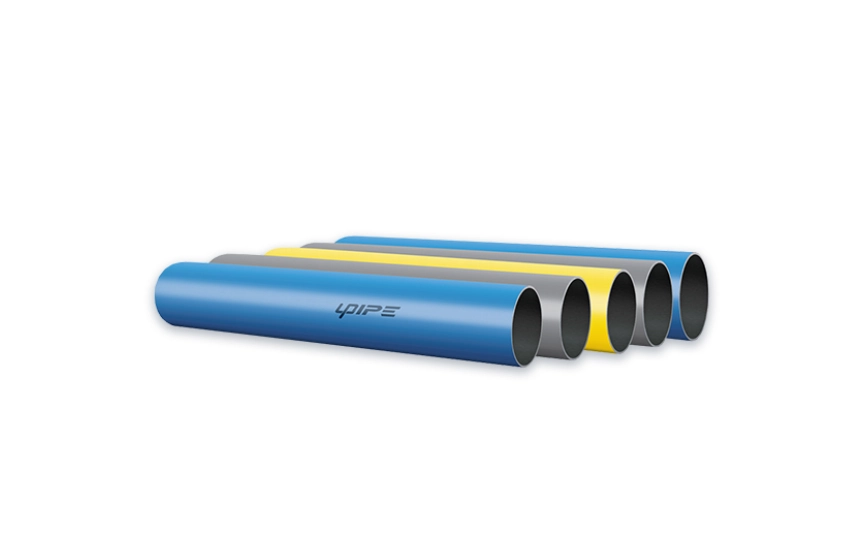
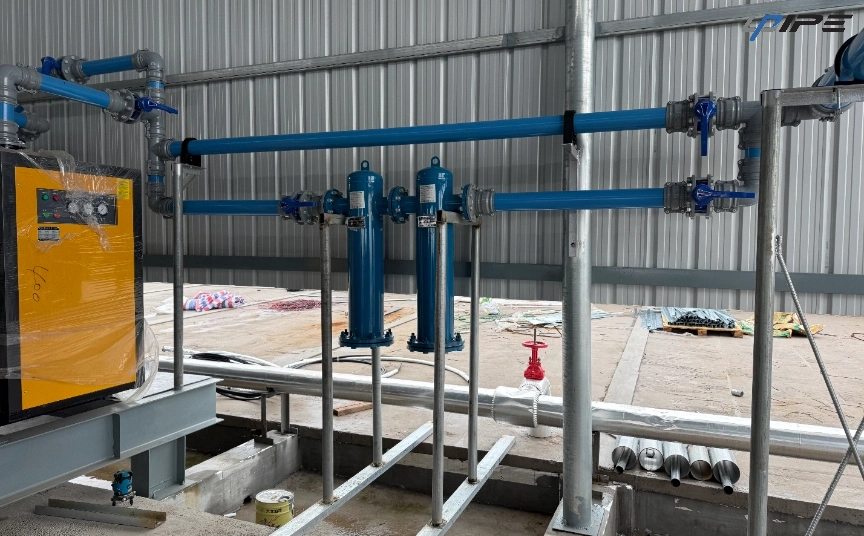
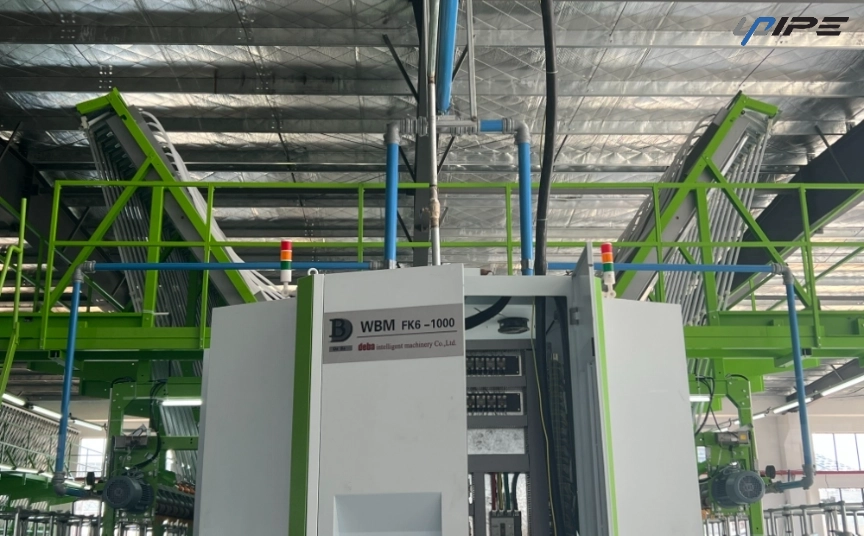
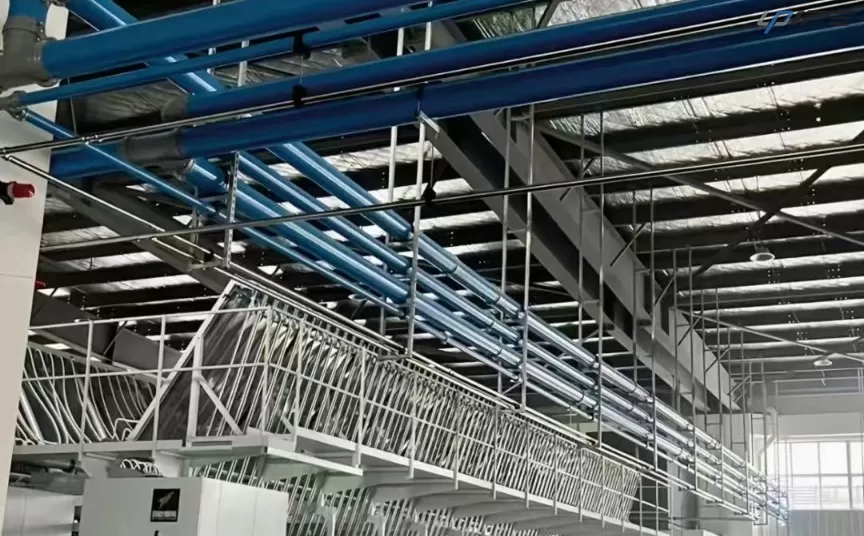
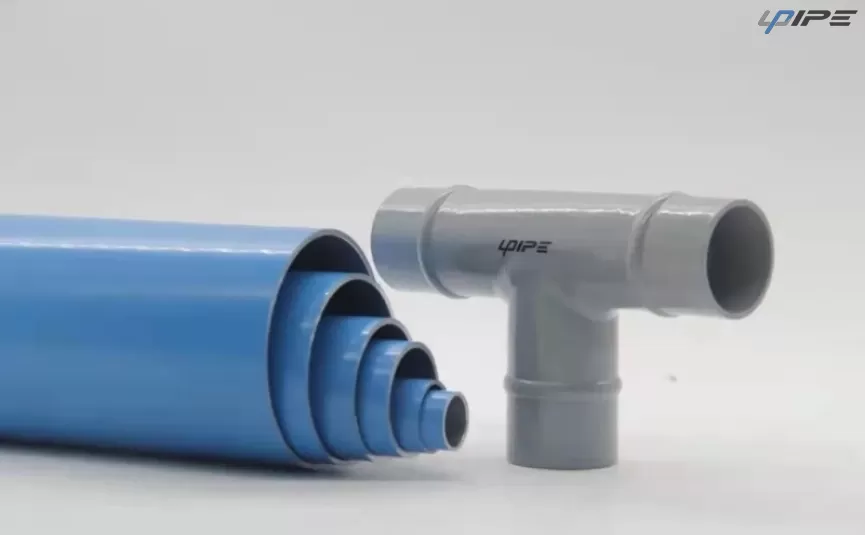
As industrial facilities pursue higher energy efficiency, cleaner production, and smarter layouts, the infrastructure behind compressed air distribution is receiving renewed attention. Among the available solutions, blue compressed air pipe systems have emerged as a distinctive and practical choice, combining functional performance with visual clarity. Beyond their recognizable appearance, these systems represent a shift toward modular, efficient, and future-ready air networks that support diverse industrial demands. In this blog post, UPIPE, as high performance aluminum blue air pipes manufacturing factory, will share the role of blue compressed air pipe systems in factory design.
Role of Blue Compressed Air Pipe Systems in Factory Design
In modern plants, compressed air is often described as the “fourth utility,” yet it is also one of the most expensive energy carriers. Blue compressed air pipe systems play a strategic role by providing a dedicated, clearly identifiable pipeline that reduces operational confusion and improves system integrity.
The blue color is not merely aesthetic. It aligns with standardized visual management practices, allowing maintenance teams to instantly distinguish compressed air lines from water, gas, or chemical pipelines. This clarity reduces accidental connections, shortens troubleshooting time, and supports safer plant operations.
Material Engineering Behind Blue Compressed Air Pipe Systems
The performance of blue compressed air pipe systems depends heavily on material selection and manufacturing technology. Most systems are produced from high-grade aluminum alloys or engineered polymers designed specifically for pressurized air distribution.
These materials offer several technical advantages. Their smooth internal surfaces minimize friction losses, helping maintain stable pressure across long distances. Corrosion resistance is another critical factor, especially in humid environments where traditional steel pipes may degrade internally over time. By preventing rust formation and particle shedding, blue compressed air piping supports cleaner air delivery and protects downstream equipment.
Pressure Stability and Energy Efficiency in Air Networks
Energy efficiency is a central concern for any compressed air installation. Blue compressed air pipe systems contribute directly to reduced energy consumption by optimizing airflow dynamics.
Uniform internal diameters, precision joints, and leak-resistant connections help maintain consistent pressure levels throughout the system. Lower pressure drops translate into reduced compressor workload, which in turn decreases electricity usage. Over the lifespan of an air network, these incremental savings can represent a substantial reduction in operating costs.
Installation Flexibility of Blue Compressed Air Pipe Systems
One of the defining characteristics of blue compressed air pipe systems is their modular installation concept. Unlike welded steel pipelines, these systems typically use mechanical fittings that enable rapid assembly and easy modification.
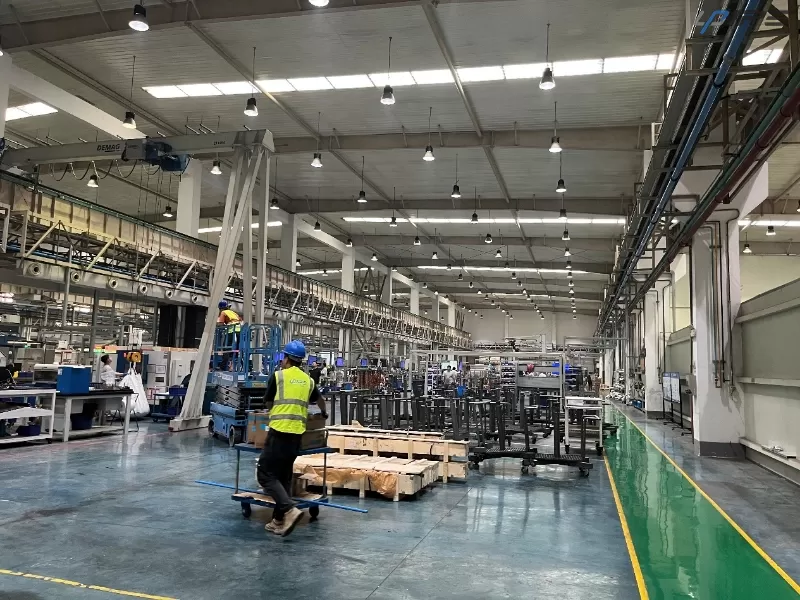
This flexibility is especially valuable in facilities with evolving production layouts. New workstations, machines, or production lines can be connected without dismantling large sections of the existing network. The lightweight nature of the pipes also reduces structural load requirements and simplifies overhead installation, minimizing downtime during upgrades.
Clean Air Delivery and Product Quality Assurance
For industries where air quality directly affects product integrity, blue compressed air pipe systems provide a measurable advantage. The absence of internal corrosion and scale formation ensures that compressed air remains free from metallic contaminants.
This characteristic is particularly important in sectors such as food processing, electronics manufacturing, pharmaceuticals, and precision assembly. By maintaining clean air distribution, blue compressed air piping supports compliance with strict quality standards while reducing the burden on filtration components downstream.
Visual Management and Safety Benefits in Industrial Environments
Safety and operational efficiency increasingly rely on clear visual management systems. Blue compressed air pipe systems integrate seamlessly into these frameworks by offering immediate line identification across complex facilities.
Clear labeling and consistent color coding reduce the likelihood of human error during maintenance or emergency situations. Technicians can isolate air lines quickly, improving response times and reducing the risk of accidental system interference. In high-traffic or multi-utility environments, this clarity becomes a critical safety asset rather than a minor convenience.
Scalability and Long-Term Value of Blue Compressed Air Pipe Systems
Scalability is a defining requirement for modern industrial infrastructure. Blue compressed air pipe systems are designed to grow with the facility, supporting incremental expansion without compromising existing performance.
As production volumes increase, additional branches or loops can be integrated seamlessly. This adaptability protects initial investments and avoids the need for costly system overhauls. Over time, the durability and low maintenance requirements of blue compressed air piping further enhance its total lifecycle value.
Compatibility with Modern Smart Factory Concepts
Smart manufacturing emphasizes data transparency, energy monitoring, and predictive maintenance. Blue compressed air pipe systems align well with these goals due to their structured layouts and accessibility.
Sensors for pressure, flow, or leakage detection can be easily integrated into the piping network. The clarity of system design simplifies data interpretation and supports proactive maintenance strategies. As factories move toward digitalized utility management, blue compressed air systems provide a stable and adaptable foundation.
Environmental Considerations and Sustainable Operation
Sustainability is no longer optional in industrial planning. Blue compressed air pipe systems contribute to environmental goals by reducing energy waste and extending service life.
Lower leakage rates mean less compressed air generation is required, directly cutting carbon emissions associated with electricity consumption. Additionally, recyclable materials and long operational lifespans reduce resource use and waste generation over time, supporting broader sustainability initiatives.
Strategic Selection of Blue Compressed Air Pipe Systems
Choosing the right compressed air piping solution requires evaluating both immediate performance and long-term implications. Blue compressed air pipe systems stand out by offering a balance of efficiency, cleanliness, flexibility, and visual control.
When integrated thoughtfully into an air distribution network, they enhance operational reliability while supporting future expansion and technological integration. For facilities seeking a modern, efficient, and clearly organized compressed air infrastructure, blue compressed air pipe systems represent a forward-looking investment rather than a simple utility upgrade.
By redefining how compressed air is distributed and managed, blue compressed air pipe systems are reshaping industrial air networks. Their impact extends beyond airflow, influencing safety, energy efficiency, product quality, and the overall intelligence of modern manufacturing environments.