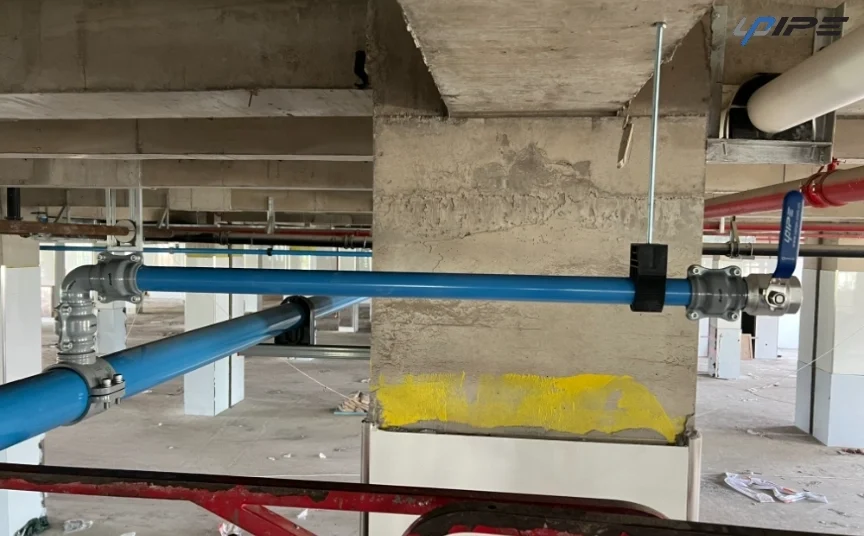
Explore how blue aluminium air pipe helps prevent rust contamination, maintain cleaner compressed air flow, and reduce maintenance needs in industrial facilities.
Why Rust Prevention Matters in Compressed Air Piping
Compressed air quality depends not only on compressors and filtration equipment but also on the condition of the distribution pipeline. In industrial environments, traditional carbon steel pipes may gradually develop internal rust when exposed to moisture and oxygen. As corrosion progresses, loose particles can enter the airflow and travel toward pneumatic tools, production equipment, and downstream processes.
These contaminants may cause blocked valves, increased maintenance requirements, and inconsistent equipment performance. For industries that require stable compressed air delivery, choosing an appropriate pipe material is therefore an important part of controlling contamination risks. A blue aluminium air pipe provides a corrosion-resistant alternative to conventional steel piping, helping maintain cleaner internal flow passages and reducing problems associated with rust formation.
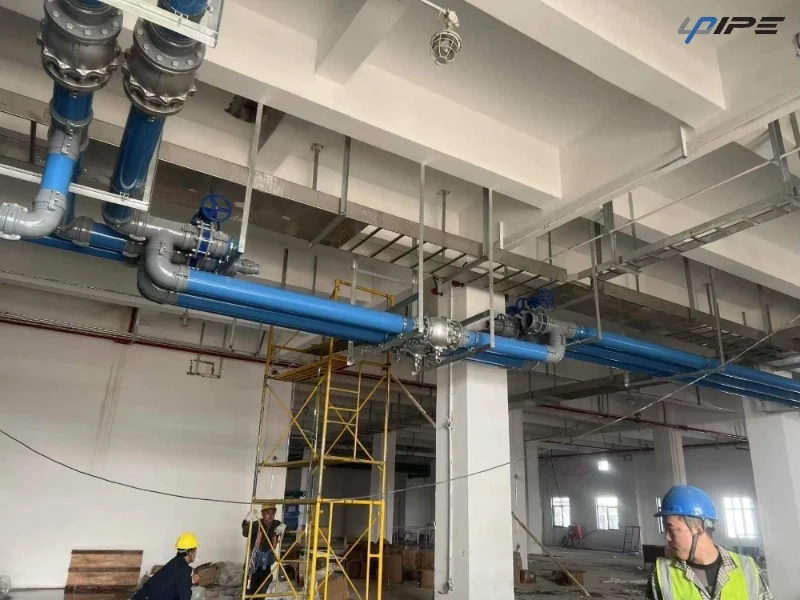
How Aluminium Construction Helps Prevent Air Contamination
Corrosion Resistance Protects Internal Pipe Surfaces
One of the main advantages of aluminium compressed air piping is its natural resistance to corrosion. Aluminium forms a thin protective oxide layer when exposed to air, which helps protect the underlying metal from further oxidation under suitable operating conditions. Unlike ordinary carbon steel, it does not produce the same type of loose iron rust that can accumulate inside conventional pipelines.
This characteristic makes an aluminium air pipe for compressed air suitable for factories where moisture may enter the distribution network through compressed air or surrounding environmental conditions. By reducing corrosion-related particle formation, aluminium piping helps protect downstream equipment from one potential source of contamination.
However, corrosion resistance does not mean that compressed air remains completely free from contaminants. Moisture, compressor oil, dust, and particles from other equipment can still affect air quality. Appropriate filtration, drying, and regular maintenance remain essential.
Cleaner Airflow Supports Consistent Equipment Operation
Internal pipe conditions influence how effectively compressed air reaches production equipment. When corrosion products accumulate inside a pipeline, they may gradually restrict airflow or become dislodged and transported downstream. These problems can affect pneumatic components and increase the frequency of cleaning and maintenance.
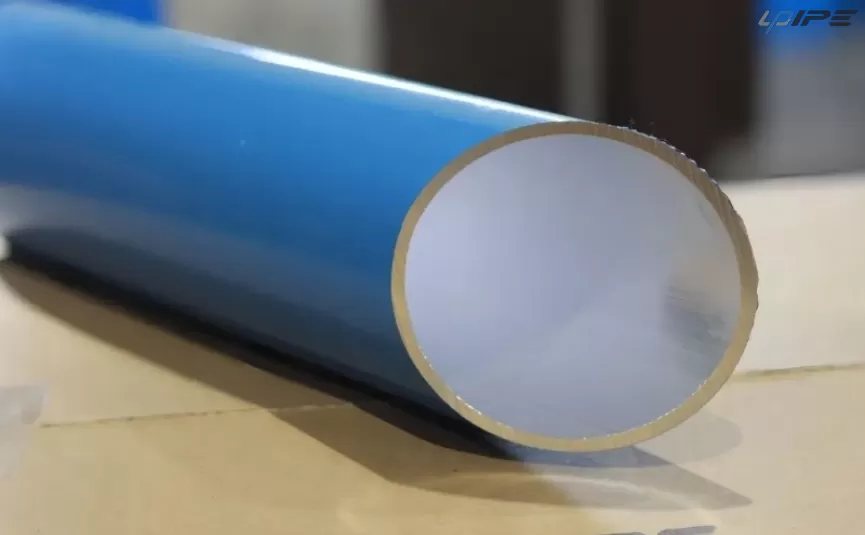
A blue aluminium air pipe helps address this issue through its corrosion-resistant material and smooth internal surface. With suitable pipe sizing and properly maintained connections, it can support consistent airflow while reducing the risk of rust-related contamination throughout the distribution network.
Why Blue Aluminium Air Pipes Are Suitable for Industrial Facilities
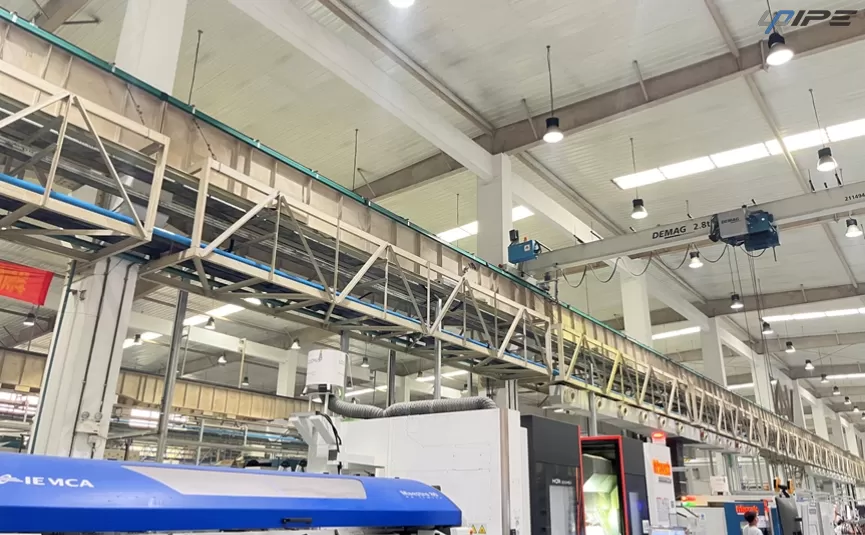
The blue exterior of industrial aluminium piping provides a recognizable appearance for compressed air distribution. In facilities containing multiple utility lines, color identification can help operators distinguish compressed air pipelines from other services, particularly when consistent labeling and plant identification standards are applied.
Beyond appearance, lightweight aluminium construction offers practical installation advantages. Compared with traditional steel pipes, aluminium pipes are easier to handle and position, helping reduce the physical workload involved in installation and pipeline modification.
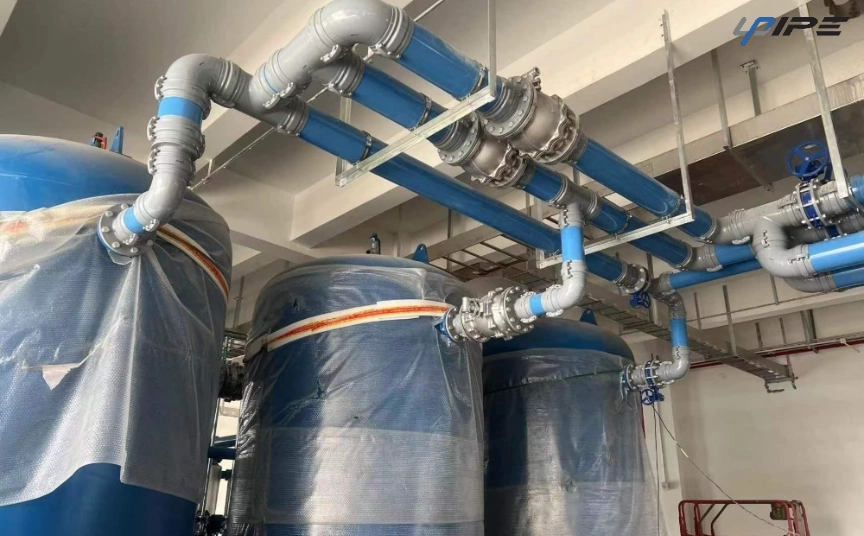
Their modular connection design also allows factories to configure distribution branches, add air outlets, and adjust pipeline layouts without relying on extensive welding operations. This flexibility is valuable when production equipment changes or additional compressed air points are required.
Key Factors That Influence Compressed Air Quality
Selecting a corrosion-resistant pipe is only one part of building a dependable compressed air distribution network. Several factors should be evaluated together to reduce contamination risks and maintain stable operation.
| Factor | Importance for Air Quality |
|---|
| Pipe material | Helps prevent corrosion-related contamination |
| Internal surface condition | Influences particle accumulation and airflow |
| Air filtration | Removes solid particles and oil aerosols |
| Air drying | Controls moisture entering distribution lines |
| Connection sealing | Helps prevent external dust and leakage |
| Regular inspection | Identifies contamination and maintenance issues |
A well-planned industrial aluminium air piping system should combine suitable materials with effective air treatment. For example, refrigerated or desiccant dryers can help control moisture according to the required air quality, while correctly selected filters remove particles and oil contaminants. These measures complement the corrosion resistance of aluminium pipes rather than replacing it.
Installation Considerations for a Cleaner Air Distribution Network
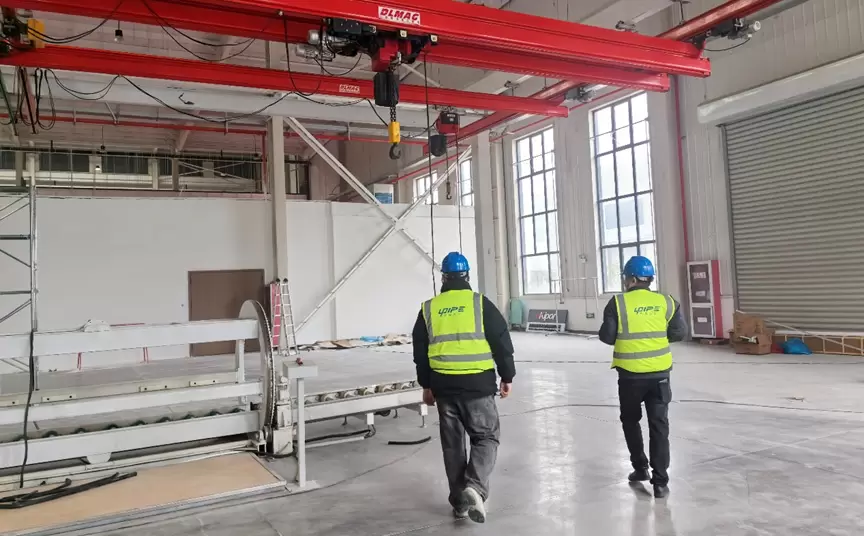
Proper installation plays an important role in maintaining the benefits of aluminium compressed air piping. Before assembly, pipe ends should be cut accurately and checked for burrs, dust, and metal fragments. Clean preparation helps prevent installation debris from entering the pipeline and supports reliable connections between pipes and fittings.
The pipeline layout should also be designed to accommodate airflow requirements and condensate management. Although aluminium is resistant to rust, water can still collect inside compressed air networks if air drying and drainage are inadequate. Appropriate pipe gradients, drainage points, and outlet arrangements help manage condensate and reduce the risk of water reaching pneumatic equipment.
Connection quality deserves equal attention. Compatible fittings, correctly positioned sealing elements, and properly assembled joints help prevent compressed air leakage and unwanted external contamination. For industrial facilities, pressure testing and leakage inspection should be completed before regular operation begins.
Choosing the Right Aluminium Pipe and Fittings
When purchasing a blue aluminium compressed air pipe, buyers should consider the entire distribution layout rather than evaluating straight pipes independently. Elbows, tees, connectors, valves, flanges, and outlet fittings all contribute to the performance and flexibility of the finished installation.
The following factors are particularly important during product selection:
Operating pressure: Confirm that pipes and fittings meet the intended working pressure requirements.
Pipe dimensions: Select suitable diameters according to airflow demand, pipeline length, and pressure drop considerations.
Material quality: Check the aluminium material and manufacturing consistency.
Connection design: Evaluate sealing structures and compatibility between pipes and fittings.
Installation flexibility: Consider whether modular components can accommodate future production changes.
Maintenance requirements: Choose components that allow convenient inspection and replacement when necessary.
For international buyers, supplier evaluation should also include technical documentation, product specifications, quality certifications, and after-sales support. A coordinated range of pipes and fittings can simplify procurement and reduce compatibility concerns during installation.
UPIPE Aluminium Piping Solutions for Industrial Compressed Air
UPIPE provides aluminium compressed air piping solutions designed for industrial air distribution applications. Its product range includes aluminium pipes, connectors, elbows, tees, valves, flanges, and quick-drop components, supporting different pipeline configurations and factory requirements.
The piping solutions use pure aluminium rather than recycled aluminium, with a focus on material consistency and corrosion resistance. Their modular connection design, double O-ring sealing structure, and lightweight construction help simplify installation while supporting dependable compressed air delivery.
UPIPE aluminium piping is suitable for applications in automotive manufacturing, electronics production, machinery processing, and other industrial environments. By combining corrosion-resistant pipes with compatible fittings and accessories, UPIPE helps customers develop flexible compressed air distribution layouts that address installation efficiency, connection reliability, and long-term maintenance needs.
For businesses planning new compressed air networks or replacing aging steel pipelines, selecting the right aluminium piping components can be an important step toward reducing rust-related maintenance and improving distribution reliability.
Frequently Asked Questions
1. Why is blue aluminium air pipe resistant to rust?
Aluminium naturally develops a thin protective oxide layer on its surface. This layer helps protect the underlying material from corrosion, reducing the risk of iron rust particles entering compressed air pipelines.
2. Does aluminium piping guarantee contamination-free compressed air?
No. Aluminium piping helps reduce contamination associated with internal pipe corrosion, but moisture, oil, dust, and compressor-generated particles may still enter the airflow. Appropriate filtration and air drying are necessary.
3. Is aluminium compressed air piping better than steel pipe?
Aluminium offers advantages in corrosion resistance, weight, and installation flexibility. Steel may still be appropriate for certain applications depending on structural requirements, operating conditions, and project costs.
4. Can blue aluminium air pipes be used in manufacturing plants?
Yes. They are suitable for many industrial compressed air applications, including automotive, electronics, and machinery manufacturing, provided the selected components meet the required pressure and airflow conditions.
5. What should be checked when purchasing aluminium compressed air pipes?
Buyers should evaluate material quality, working pressure, pipe dimensions, connection compatibility, sealing performance, and available fittings. Technical documentation and supplier support are also important for successful installation.