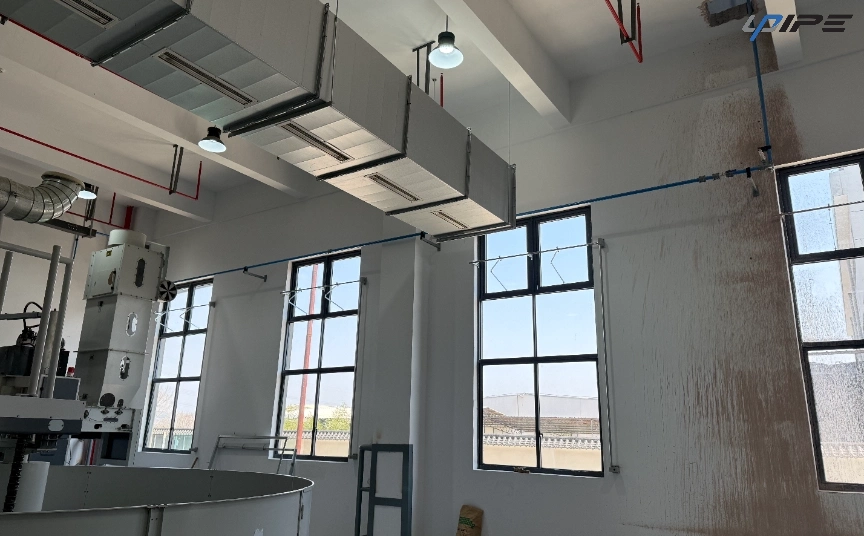
Compressed air is the backbone of modern workshops—from small fabrication units to large-scale manufacturing plants. Yet, while many businesses invest heavily in compressors, tools, and automation, the air distribution system is often overlooked. In practice, the efficiency, stability, and long-term operating cost of a workshop air compressor system depend heavily on the piping network behind it.
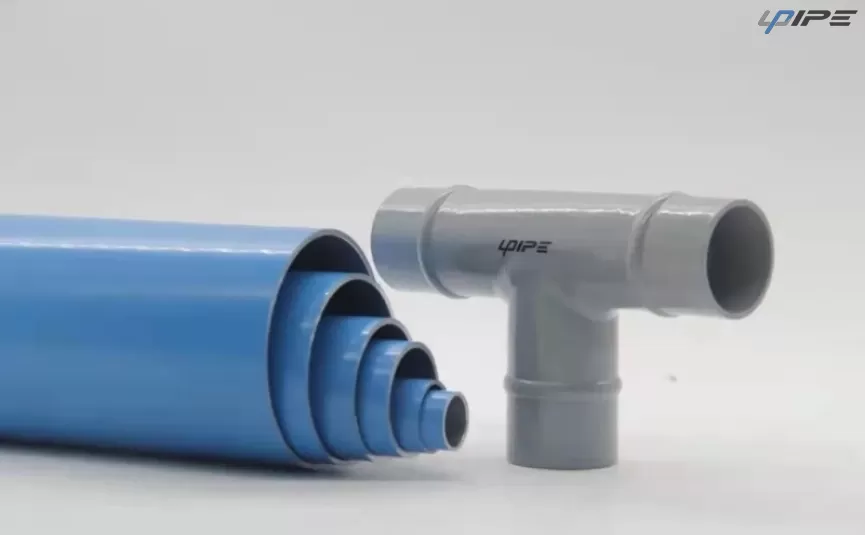
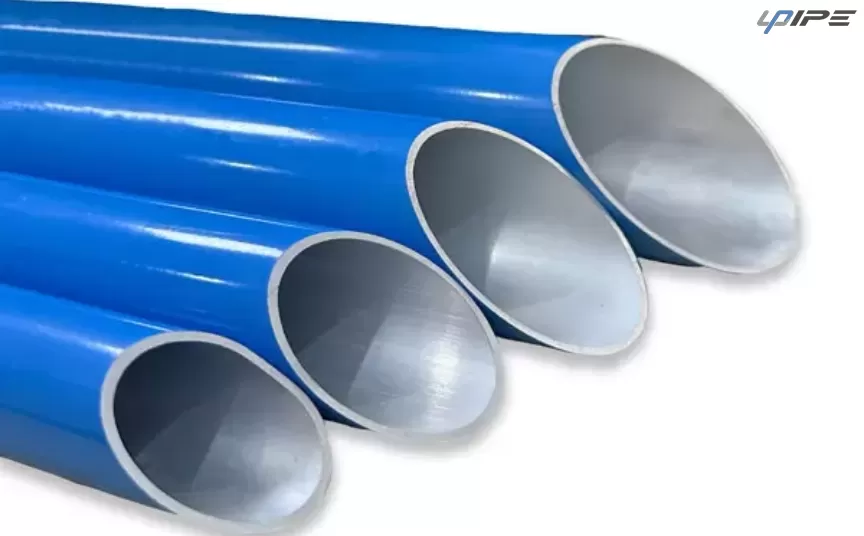
Among the various options available today, blue aluminum compressed air pipe systems have become the preferred solution for workshops seeking clean air delivery, minimal pressure loss, and scalable infrastructure. In this blog post, UPIPE, as high quality aluminum air line systems manufacturer, will share the features of blue aluminum compressed air pipe for workshop air compressor systems.
Why Workshop Air Compressor Systems Depend on Piping Quality
A compressed air system is only as good as its weakest component. While compressors generate airflow, the piping network determines how efficiently that air reaches end-use equipment.
In many workshops, traditional piping materials such as galvanized steel or black iron still exist. These systems often suffer from:
Internal corrosion leading to contamination
High friction losses reducing air pressure
Frequent leakage at threaded joints
Difficult modification when layouts change
By contrast, a blue aluminum compressed air pipe system offers a cleaner, more stable solution for air compressor distribution. Aluminum piping maintains internal smoothness, ensuring consistent airflow with minimal resistance. This directly improves tool performance and reduces compressor workload.
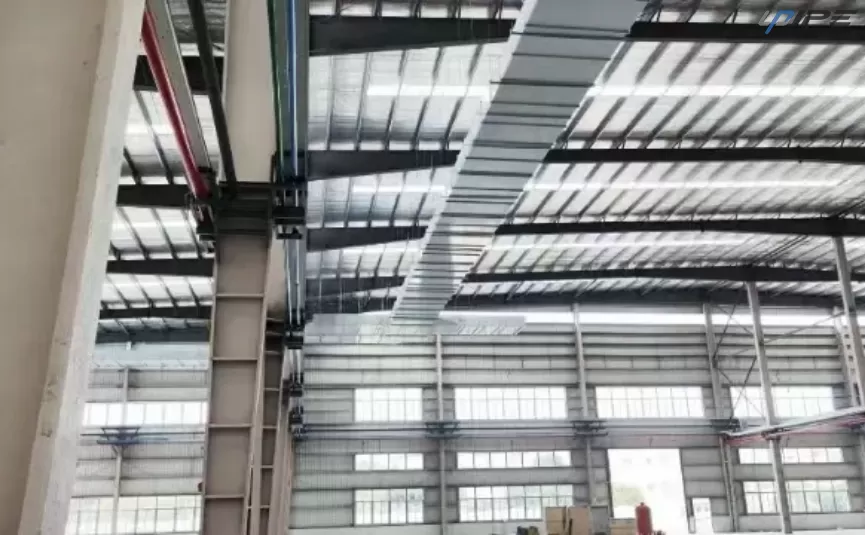
Key Advantages of Blue Aluminum Air Piping in Workshops
Corrosion-Free Air Delivery for Clean Operations
One of the most critical advantages of aluminum compressed air piping is its natural resistance to corrosion. Unlike steel systems that rust over time, aluminum pipes maintain a clean internal surface.
For workshop air compressor systems, this translates into:
Reduced contamination in pneumatic tools
Better product quality in painting or finishing processes
Lower maintenance costs due to fewer blockages
In industries such as automotive repair, woodworking, or electronics assembly, clean compressed air is not optional—it is essential.
Lightweight Structure for Faster Installation
Compared to traditional metal piping, aluminum compressed air pipe systems are significantly lighter. This provides practical benefits during installation:
In real workshop projects, installation time can be reduced by up to 50% when switching from steel piping to modular aluminum air pipe systems.
Leak-Free Connections for Energy Efficiency
Air leakage is one of the most underestimated costs in compressed air systems. Even small leaks can lead to significant energy losses over time.
Blue aluminum compressed air pipe systems typically use:
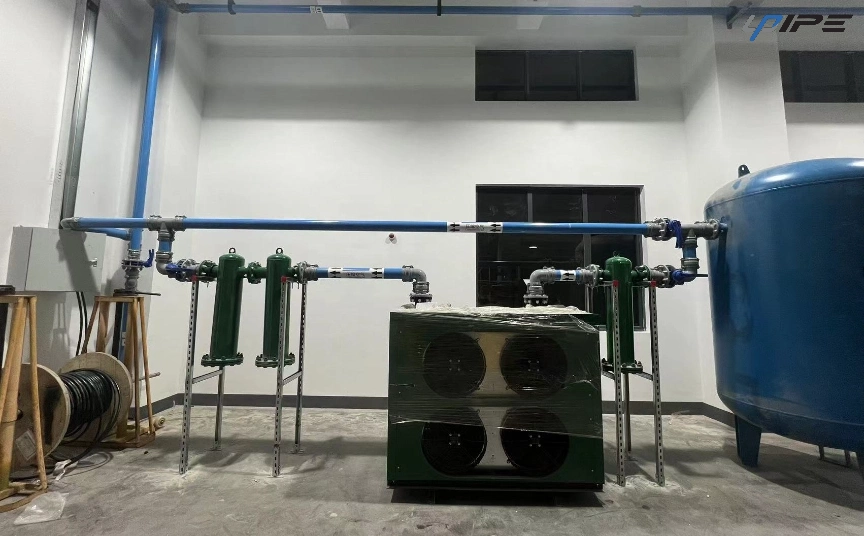
These features ensure airtight connections, reducing energy waste and maintaining stable pressure across the entire workshop air compressor system.
Designing an Efficient Aluminum Compressed Air Pipe Layout
Understanding Airflow Requirements in Workshops
Before selecting pipe sizes or routing paths, it is essential to evaluate airflow demand:
Oversized or undersized piping can both create inefficiencies. Proper sizing ensures consistent pressure and avoids unnecessary compressor strain.
Optimizing Pipe Routing for Minimal Pressure Drop
In workshop air compressor piping design, layout plays a critical role. Poor routing can result in excessive pressure loss.
Best practices include:
Using looped systems instead of dead-end layouts
Minimizing sharp bends and unnecessary fittings
Installing main lines overhead with vertical drops
A loop design allows air to flow from multiple directions, ensuring stable pressure even during peak demand.
Strategic Placement of Drops and Outlets
Each workstation in a workshop requires reliable access to compressed air. Proper placement of drops ensures efficiency and usability.
Recommendations:
Install drops from the top of the main line to prevent moisture entry
Include drain valves at low points
Use quick-connect couplings for flexibility
These details significantly improve the performance of aluminum compressed air pipe systems in real workshop conditions.
Comparing Aluminum Air Pipes with Traditional Materials
Aluminum vs Steel Compressed Air Piping
Steel piping has been widely used due to its strength, but it comes with several drawbacks:
| Feature | Aluminum Pipe | Steel Pipe |
|---|
| Corrosion Resistance | Excellent | Poor |
| Installation | Fast | Labor-intensive |
| Internal Surface | Smooth | Rough over time |
| Maintenance | Low | High |
In workshop air compressor systems, aluminum piping consistently outperforms steel in long-term efficiency and reliability.
Aluminum vs Plastic Air Pipe Systems
Plastic piping systems are sometimes considered due to lower upfront costs. However, they may not withstand high pressure or temperature variations in industrial workshops.
Aluminum compressed air pipes offer:
For workshops with demanding applications, aluminum remains the more reliable choice.
Installation Insights from Real Workshop Projects
Planning Before Installation
Successful installation begins with detailed planning. Key considerations include:
A modular aluminum compressed air pipe system allows easy expansion, making it ideal for growing workshops.
Common Mistakes to Avoid
Based on field experience, the most frequent installation errors include:
Incorrect pipe sizing
Poor sealing of joints
Lack of proper drainage
Overcomplicated routing
Avoiding these mistakes ensures optimal performance of the workshop air compressor piping system.
Maintenance Strategies for Long-Term Performance
Routine Inspection and Leak Detection
Even with high-quality aluminum piping, regular inspection is essential:
Check fittings and joints periodically
Use ultrasonic leak detectors for accuracy
Monitor pressure levels across the system
Preventive maintenance helps maintain efficiency and avoid unexpected downtime.
Cleaning and System Upkeep
Although aluminum pipes resist corrosion, maintaining clean air systems still requires:
Proper filtration at the compressor
Regular draining of moisture
Replacement of worn seals
These steps ensure consistent performance in workshop air compressor systems.
Cost Considerations and ROI Analysis
Initial Investment vs Long-Term Savings
While aluminum compressed air pipe systems may have a higher upfront cost than traditional materials, the long-term benefits are substantial:
In many workshop scenarios, the return on investment can be achieved within 1–2 years.
Energy Efficiency and Operational Savings
Leak-free connections and smooth internal surfaces significantly reduce pressure loss. This allows compressors to operate more efficiently, lowering electricity costs.
For workshops running multiple shifts, these savings can be considerable.
Applications Across Different Workshop Environments
Automotive Repair Workshops
Compressed air is essential for:
Pneumatic tools
Spray painting
Tire inflation
Blue aluminum compressed air pipe systems ensure clean, consistent air supply, improving both efficiency and finish quality.
Woodworking and Furniture Production
Dust-sensitive environments require clean air systems. Aluminum piping prevents contamination and supports reliable tool operation.
Metal Fabrication and CNC Workshops
High-demand applications require stable pressure and durability. Aluminum air piping systems provide the performance needed for precision operations.
Future Trends in Workshop Air Compressor Piping Systems
Smart Monitoring and IoT Integration
Modern workshop air systems are evolving toward smart monitoring:
Aluminum compressed air pipe systems integrate well with these technologies due to their modular design.
Sustainable and Energy-Efficient Solutions
As energy costs rise, workshops are increasingly focused on efficiency. Aluminum piping supports sustainability goals by:
Final Thoughts
Selecting the right piping system is not just a technical decision—it is a strategic investment. A well-designed blue aluminum compressed air pipe system improves performance, reduces operational costs, and provides long-term reliability for workshop air compressor systems.
From installation to maintenance, every detail matters. By focusing on quality materials, proper design, and practical execution, workshops can build compressed air systems that support productivity and growth for years to come.
If you are planning to upgrade or build a new workshop air compressor system, aluminum compressed air piping is not just an option—it is a proven solution aligned with modern industrial demands.