Clean, dry compressed air is not a luxury in modern industry—it is a baseline requirement. Whether powering automation lines, supporting precision instruments, or protecting product integrity, the quality of compressed air directly affects efficiency, safety, and long-term operating costs.
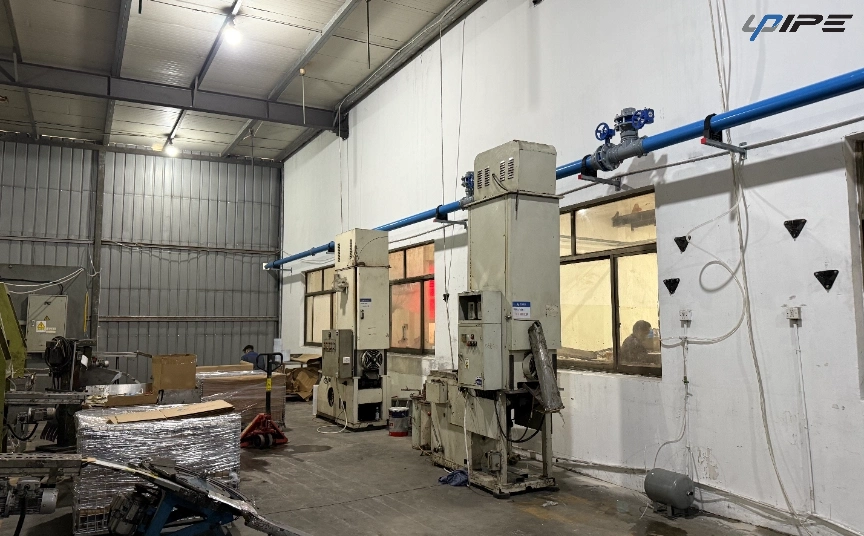
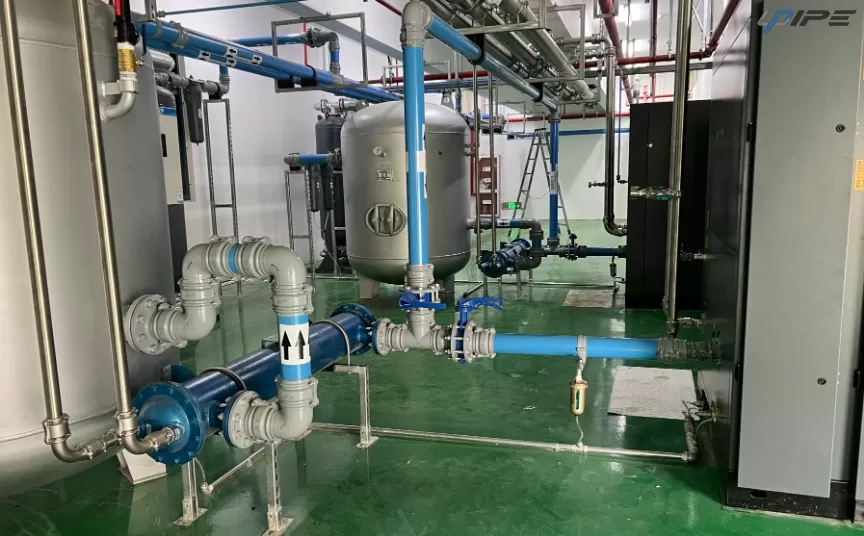
A blue compressed air pipe has become a widely recognized solution for building high-performance air distribution networks, especially when cleanliness, corrosion resistance, and installation efficiency are critical. In this blog post, UPIPE, as high performance aluminum air pipe line supplier, will share the benefits of blue compressed air pipe system for clean and dry air networks..
Why Clean and Dry Air Networks Demand Specialized Piping
Compressed air often carries hidden contaminants—moisture, oil aerosols, and particulates. Without proper control, these impurities lead to:
Equipment wear and downtime
Product contamination in sensitive industries
Reduced efficiency due to pressure drops and leaks
Traditional piping materials such as black steel or standard PVC frequently fall short in maintaining air purity. Corrosion, scaling, and internal roughness introduce new contaminants into the system over time.
A blue compressed air pipe system for clean air networks is designed to eliminate these risks through:
These features help ensure consistent air quality from compressor to endpoint.
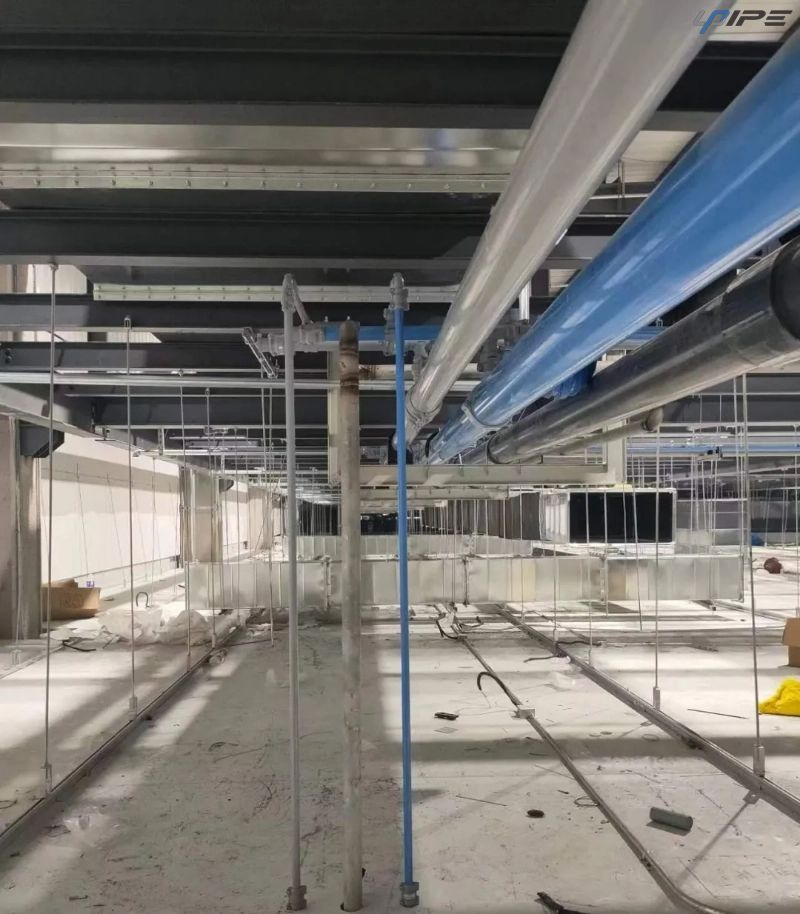
What Defines a Blue Compressed Air Pipe System
The term “blue compressed air pipe” is not only about color—it represents a standardized approach to industrial air piping systems. Blue is globally recognized for compressed air lines, improving safety and maintenance clarity.
More importantly, modern systems—especially aluminum alloy piping—offer:
Lightweight structure with high strength
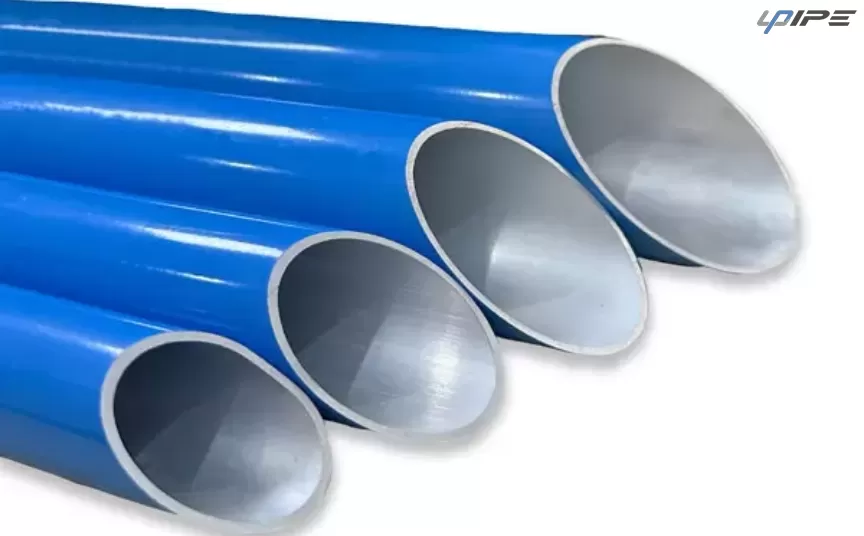
Non-corrosive internal surfaces
Modular fittings for flexible layouts
Compatibility with compressed air, vacuum, and inert gases
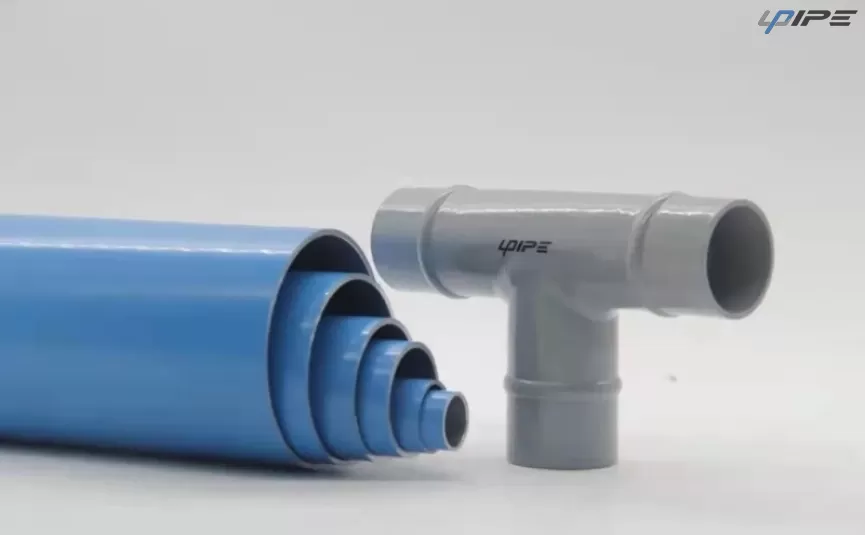
Upipe Aluminum Alloy Piping System exemplifies this design philosophy, combining corrosion resistance with modular engineering to support clean and dry air delivery across industries.
Material Selection and Its Impact on Air Quality
Choosing the right material is fundamental to achieving a clean and dry compressed air piping system.
Aluminum Alloy Advantages
Aluminum piping has become the preferred choice due to:
Zero rust formation, unlike steel systems
Smooth bore design, minimizing turbulence and pressure drop
Low particle generation, preserving air purity
Thermal stability, reducing condensation risks
Comparison with Traditional Materials
Black steel pipes: prone to corrosion and scaling
Galvanized steel: coating degradation over time
PVC pipes: limited pressure resistance and safety concerns
A blue aluminum compressed air pipe system offers a long-term solution that maintains internal cleanliness without degradation.
Designing a Clean Air Distribution Network
A well-designed layout is essential to maximize the performance of any compressed air piping system.
Loop vs. Branch Layout
For clean and dry air networks, loop configurations are often preferred due to their stability and efficiency.
Sizing and Flow Optimization
Correct pipe sizing ensures:
Oversized pipes increase cost, while undersized pipes lead to energy losses and inconsistent performance.
Strategic Placement of Drops
Proper drop line design helps:
Achieving Dry Air Performance in the Network
Even the best piping system cannot compensate for poor moisture management. However, a blue compressed air pipe system plays a crucial role in maintaining dryness.
Key Considerations
Install dryers upstream (refrigerated or desiccant)
Use sloped piping to facilitate condensate drainage
Integrate automatic drains at low points
Avoid dead legs where moisture can accumulate
Aluminum piping systems enhance these measures by reducing internal friction and minimizing areas where condensation can settle.
Modular Installation and System Flexibility
One of the defining advantages of modern blue compressed air piping systems is modularity.
Benefits of Modular Design
Fast installation with minimal downtime
Easy expansion or modification
Reduced labor costs
Consistent connection quality
Upipe systems utilize precision-engineered fittings that allow quick assembly without welding or threading. This not only speeds up installation but also ensures airtight connections critical for maintaining system efficiency.
Leak Prevention and Energy Efficiency
Air leaks are one of the most significant hidden costs in compressed air systems. Even small leaks can lead to substantial energy losses over time.
How Blue Pipe Systems Reduce Leaks
O-ring sealed fittings ensure tight connections
Precision manufacturing minimizes tolerance gaps
Lightweight materials reduce stress on joints
A properly installed blue compressed air pipe system for industrial air lines can significantly lower leakage rates compared to traditional systems.
Energy Savings Impact
Reduced leaks and optimized flow translate to:
Pressure Stability and System Performance
Maintaining stable pressure is critical for equipment performance and process consistency.
Factors Affecting Pressure
Aluminum piping systems offer smoother internal surfaces than steel, resulting in:
This makes them ideal for clean air distribution systems in manufacturing environments.
Safety and Standardization in Industrial Environments
Color-coded piping systems enhance workplace safety and operational clarity.
Why Blue Matters
Immediate identification of compressed air lines
Reduced risk of cross-connection
Simplified maintenance and troubleshooting
In addition, aluminum piping systems meet strict industrial standards for pressure resistance and durability, ensuring safe operation across demanding applications.
Maintenance Requirements and Long-Term Reliability
A major advantage of a blue compressed air pipe system is its low maintenance profile.
Minimal Maintenance Needs
No internal corrosion or scaling
Reduced need for cleaning or flushing
Long service life without degradation
Inspection and Monitoring
Regular checks should include:
With proper design and installation, maintenance efforts are significantly lower than with traditional piping systems.
Adapting to Multiple Applications
Modern compressed air networks often serve multiple functions beyond standard air delivery.
Multi-Gas Compatibility
A high-quality blue aluminum compressed air pipe system can support:
This versatility allows a single infrastructure to serve diverse operational needs without compromising performance.
Sustainability and Lifecycle Value
Energy efficiency and sustainability are increasingly important in industrial operations.
Environmental Benefits
Reduced energy consumption due to lower pressure loss
Long lifespan reduces material waste
Recyclable aluminum materials
Cost Efficiency Over Time
While initial investment may be higher than traditional piping, lifecycle costs are significantly lower due to:
Reduced maintenance
Lower energy bills
Minimal system downtime
Key Considerations When Selecting a Blue Pipe System
When choosing a blue compressed air pipe system supplier, consider:
Material quality and certification
System compatibility with existing infrastructure
Availability of fittings and accessories
Technical support and design guidance
Upipe provides a comprehensive aluminum alloy piping solution designed for clean and dry air networks, offering modular flexibility and consistent performance across industrial applications.
Common Mistakes to Avoid in System Implementation
Even high-quality systems can underperform if poorly implemented.
Frequent Issues
Avoiding these mistakes ensures that the full benefits of a blue compressed air pipe system for clean air networks are realized.
Future Trends in Compressed Air Piping Systems
The evolution of industrial air systems is moving toward:
Smart monitoring and IoT integration
Higher efficiency standards
Increased demand for clean air solutions
Blue aluminum piping systems are well-positioned to meet these demands due to their adaptability and performance characteristics.
Conclusion
A blue compressed air pipe system for clean and dry air networks is more than a piping solution—it is a strategic investment in efficiency, reliability, and air quality.
By combining corrosion-resistant materials, modular design, and optimized airflow performance, systems like those offered by Upipe provide a robust foundation for modern industrial operations.
From design and installation to long-term maintenance, every aspect of the system contributes to cleaner air, lower energy costs, and improved operational stability. For industries where air quality and efficiency are critical, adopting a well-engineered blue compressed air piping system is a decisive step toward sustainable and high-performance production.