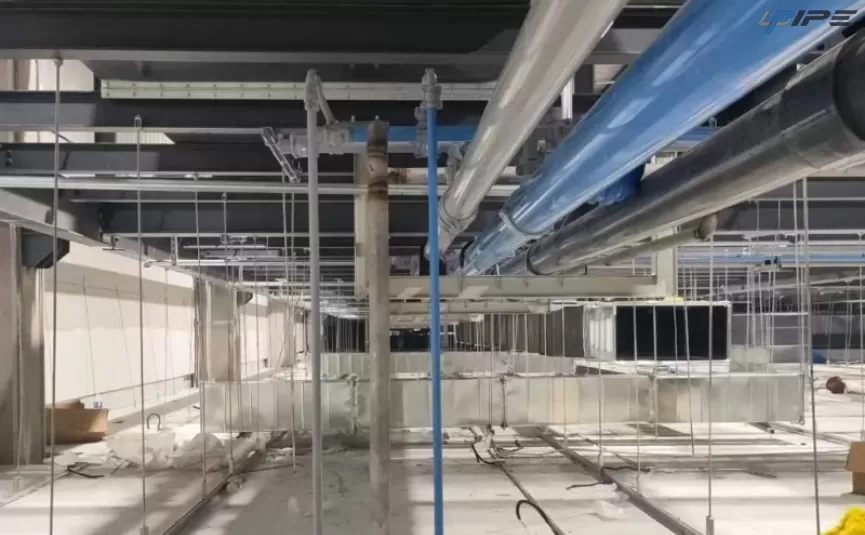
Introduction to Modern Compressed Air Infrastructure
In today’s industrial environments, efficiency and stability of air delivery systems directly influence production quality and operational cost. Among the evolving solutions, Blue pipe for compressed air systems have become a widely adopted standard in pneumatic plants due to their balance of durability, clean airflow characteristics, and installation flexibility.
Unlike traditional metallic pipelines, modern aluminum-based compressed air networks focus on minimizing pressure loss while maintaining long-term corrosion resistance. This shift is not only a material upgrade but also a structural redesign of how industrial air systems are planned and deployed across facilities. In this blog post, UPIPE, as high performance aluminium air pipe line china factory, will share the role of blue pipe for compressed air distribution in pneumatic plants.
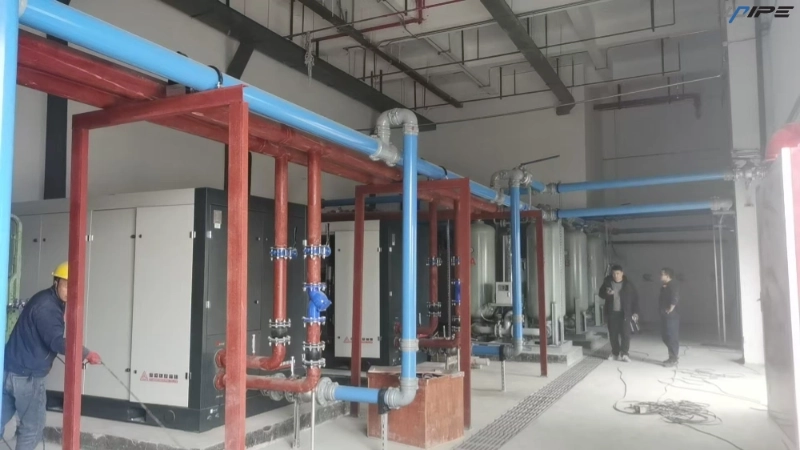
System Architecture in Pneumatic Plant Environments
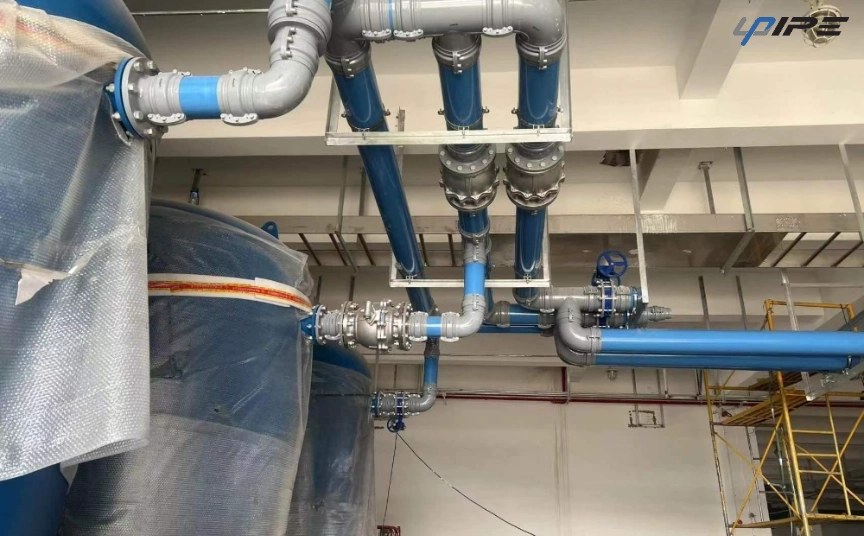
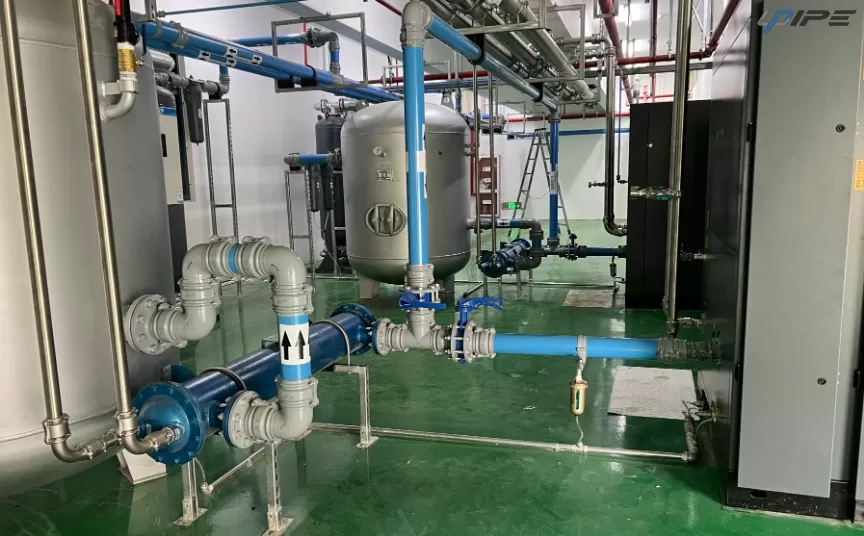
Inside pneumatic plants, air distribution must remain stable even under fluctuating demand loads. The use of Blue pipe for compressed air networks ensures that airflow remains consistent from central compressors to terminal equipment without significant leakage or pressure drop.
These systems are designed with modular logic, allowing engineers to build scalable layouts that adapt to factory expansion. The piping layout can be reconfigured without extensive shutdowns, which significantly reduces operational disruption in continuous manufacturing environments.
Material Engineering and Performance Stability
A key advantage of aluminum-based compressed air pipelines is their resistance to oxidation and internal contamination buildup. In high-demand environments, this ensures that air quality remains clean, which is essential for sensitive pneumatic equipment.
The development of blue aluminum piping systems for compressed air line applications has further improved system visibility and identification, helping maintenance teams quickly distinguish air lines from other utility pipelines. This visual standardization reduces operational errors and improves safety compliance across industrial sites.
Installation Logic and Structural Adaptability
Modern pneumatic infrastructure emphasizes speed and precision during installation. The modular design of aluminum piping allows systems to be assembled with minimal welding or heavy fabrication work.
In many projects, aluminum pipe system installation technology plays a critical role in reducing deployment time while maintaining alignment accuracy across long pipeline runs. This installation approach enables factories to scale air distribution networks without extensive downtime or complex civil modifications.
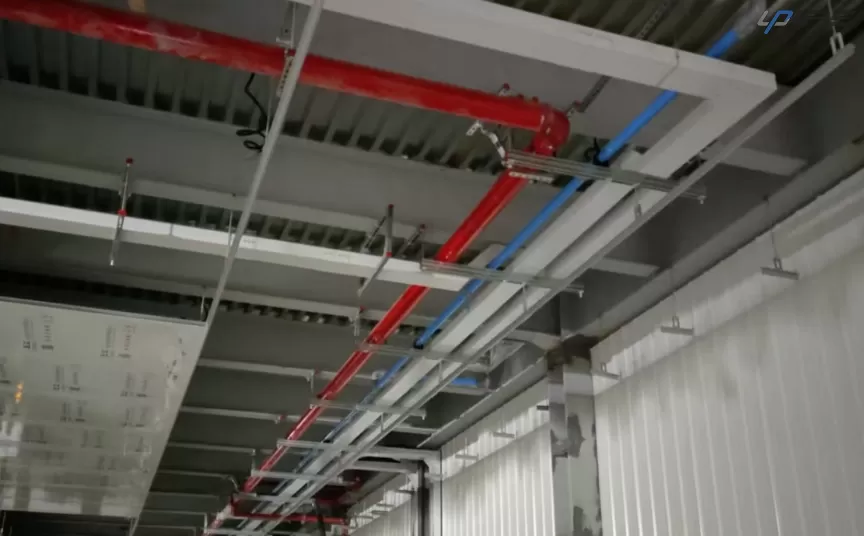
Additionally, the lightweight nature of aluminum reduces structural load requirements, making it suitable for overhead installations and confined industrial spaces.
Airflow Efficiency and Pressure Optimization
Air compression systems are highly sensitive to friction losses and internal surface roughness. Smooth internal pipe walls help maintain laminar airflow, reducing energy consumption from compressors.
The use of Blue pipe for compressed air systems contributes to optimized airflow behavior by minimizing turbulence points in distribution networks. This results in more stable pressure delivery at end-use points such as pneumatic tools, automated assembly machines, and packaging systems.
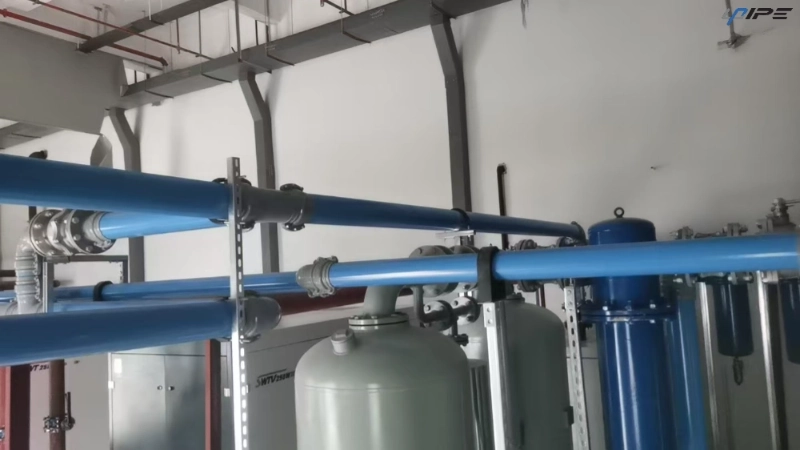
Manufacturing Standards and Industrial Production Quality
Consistency in pipeline production is essential for ensuring long-term reliability in industrial applications. Manufacturers operating within the aluminum air pipe manufacturing industry must adhere to strict dimensional tolerances and sealing performance benchmarks to ensure system compatibility.
Advanced extrusion and surface treatment processes allow pipes to achieve both mechanical strength and corrosion resistance, ensuring stable performance even in humid or chemically active environments.
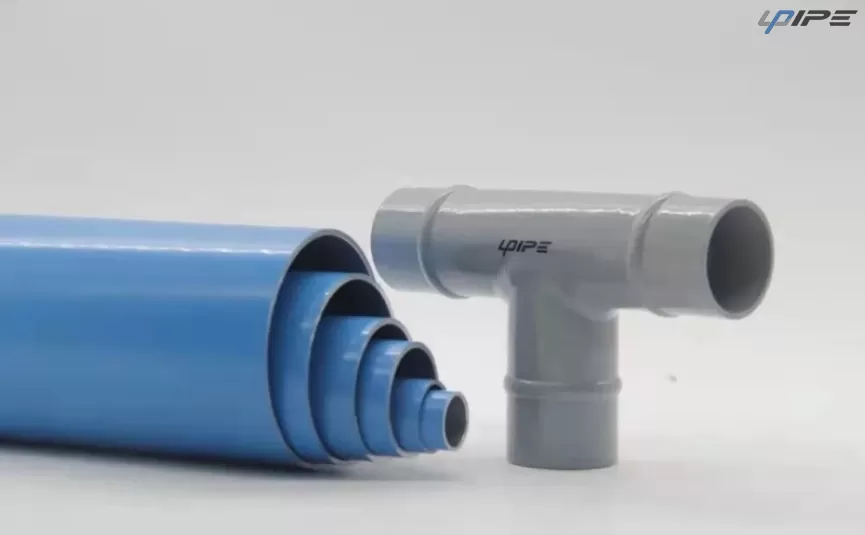
In large-scale production environments, aluminum air pipe manufacturing industry standards also emphasize compatibility between pipes and fittings to ensure leak-free assembly across modular systems.
Installation Methodology and System Integration
Efficient installation is not only about speed but also about precision alignment and sealing integrity. Proper use of aluminum pipe system installation technology ensures that joints are correctly seated, torque is evenly distributed, and sealing components are not overstressed during assembly.
This methodology supports predictable system behavior under varying pressure conditions and reduces long-term maintenance requirements. It also enables integration with existing pneumatic infrastructures without requiring full system replacement.
Distribution Network Design in Industrial Facilities
Compressed air distribution is typically structured in loop or branch configurations depending on facility size and operational demand. In both cases, Blue pipe for compressed air systems allow engineers to optimize routing paths while minimizing unnecessary bends and resistance points.
When implemented correctly, these systems ensure balanced pressure distribution across multiple production zones, preventing localized inefficiencies that could impact output consistency.
Safety, Maintenance, and Long-Term Reliability
One of the most critical aspects of pneumatic infrastructure is long-term maintenance predictability. Aluminum piping systems reduce internal scaling and corrosion buildup, which are common issues in traditional steel pipelines.
The use of blue aluminum piping systems for compressed air line layouts also improves inspection efficiency, as maintenance personnel can quickly identify system segments during troubleshooting or scheduled maintenance cycles.
Regular inspection of fittings, seals, and connectors ensures continued system integrity and minimizes unexpected downtime in production environments.
Comparative Material Performance Overview
| Feature | Aluminum Blue Pipe Systems | Traditional Steel Pipes |
|---|
| Corrosion Resistance | High | Moderate to Low |
| Installation Speed | Fast | Slow |
| Weight Load | Light | Heavy |
| Maintenance Frequency | Low | High |
| Airflow Efficiency | High | Moderate |
This comparison highlights why modern facilities increasingly transition toward aluminum-based compressed air networks.
Industrial Application Advantages
The adaptability of aluminum piping systems makes them suitable for a wide range of industrial sectors including automated manufacturing, packaging lines, and precision assembly operations. Their modular nature allows quick reconfiguration when production lines are updated or expanded.
In high-demand environments, Blue pipe for compressed air systems help maintain operational stability even under continuous load variations, ensuring consistent production output.
Manufacturing Evolution and Industry Direction
The evolution of compressed air infrastructure is closely tied to advancements in material processing and extrusion technologies. The continuous improvement within the aluminum air pipe manufacturing industry is driving higher precision standards, improved sealing mechanisms, and more efficient production workflows.
As industrial automation continues to expand, demand for reliable and scalable air distribution systems will continue to grow, reinforcing the importance of standardized aluminum piping solutions.
Future Outlook in Pneumatic System Development
Future pneumatic plant designs are expected to focus on energy efficiency, smart monitoring integration, and rapid reconfiguration capability. Aluminum-based compressed air networks are well-positioned to support these advancements due to their structural flexibility and low maintenance requirements.
By combining intelligent system design with high-quality materials, industries can achieve more efficient energy usage while maintaining operational reliability across complex production environments.
Conclusion
The adoption of aluminum-based compressed air infrastructure represents a significant step forward in industrial system design. Through improved material performance, modular installation methods, and optimized airflow characteristics, modern piping systems deliver measurable advantages in efficiency and reliability.
For facilities seeking long-term operational stability and scalable infrastructure, Blue pipe for compressed air systems provide a technically sound and future-ready solution supported by ongoing innovation in manufacturing and installation technologies.