Learn how compressed air piping installation with vibration-resistant clamps improves pipeline stability, reduces leakage risks, and supports long-term industrial air distribution efficiency.
Why Vibration Control Matters in Compressed Air Piping Installation
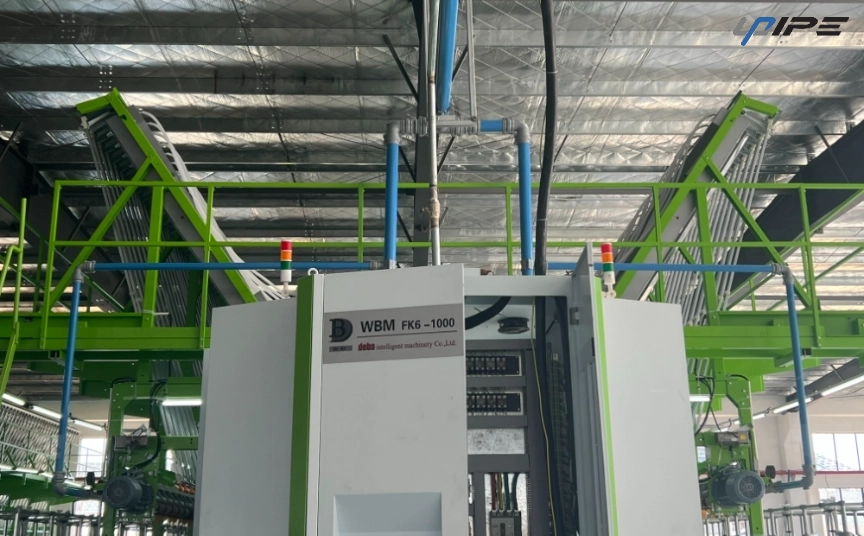
Industrial compressed air networks are frequently exposed to mechanical vibration generated by compressors, air dryers, pneumatic equipment, and production machinery. Although these vibrations may appear minor during initial operation, continuous movement can gradually affect pipe connections, support points, and sealing components. During compressed air piping installation, vibration control should therefore be considered an essential part of pipeline planning rather than an additional measure introduced after problems occur.
Uncontrolled vibration can accelerate fitting wear, loosen mechanical connections, and increase the possibility of compressed air leakage. It may also create additional stress at bends, branch connections, and equipment interfaces. Choosing suitable vibration-resistant pipe clamps helps stabilize the pipeline, distribute mechanical loads, and maintain connection integrity. For industrial facilities seeking dependable aluminum compressed air piping, proper support design contributes to more consistent operation and lower maintenance requirements.
How Vibration-Resistant Clamps Improve Pipeline Stability
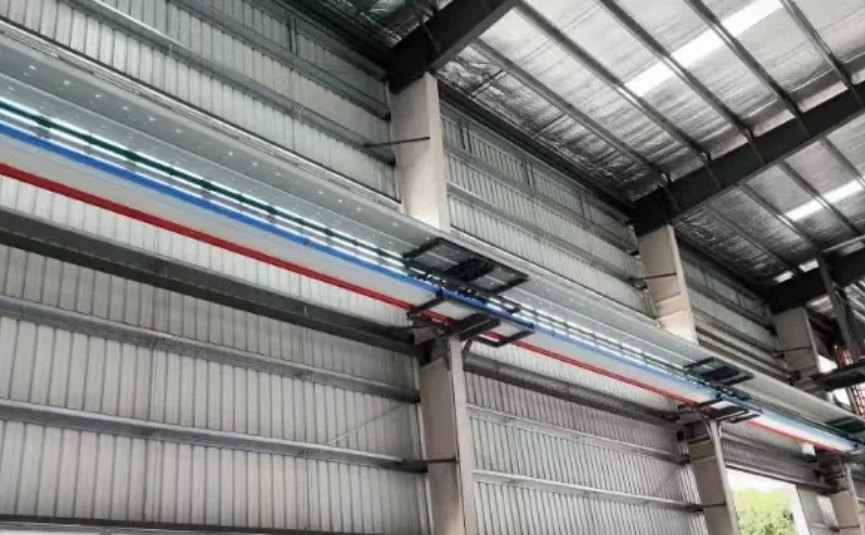
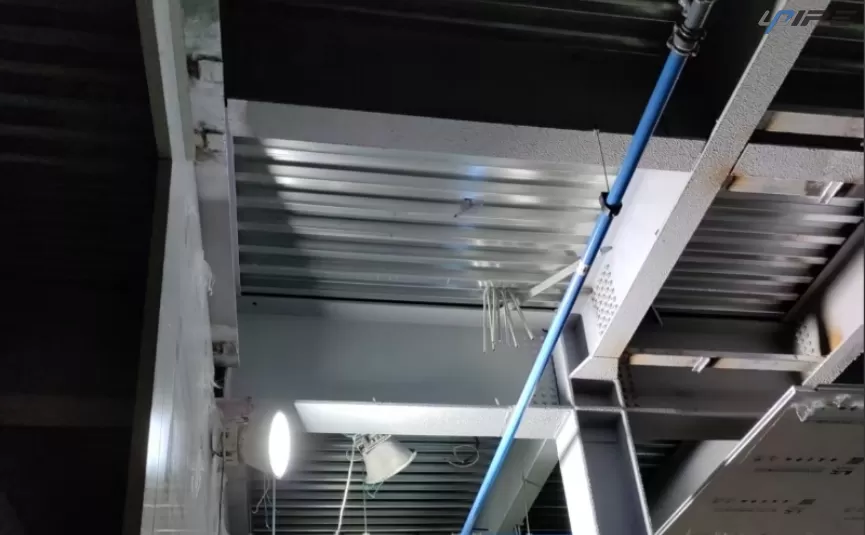
Pipe clamps serve more than a basic supporting function. They help control pipeline movement caused by pressure fluctuations, equipment operation, and thermal changes. During aluminum air pipe installation, selecting clamps that match the pipe dimensions and installation environment helps prevent excessive movement without placing unnecessary stress on the pipe surface.
The contact area between the clamp and pipe is particularly important. A suitable supporting structure should provide stable positioning while avoiding concentrated pressure that could damage the pipe or affect its protective finish. Properly arranged supports also help maintain alignment across straight sections and connection points. UPIPE aluminum compressed air piping solutions can be incorporated into carefully planned layouts to support efficient air distribution and convenient installation.
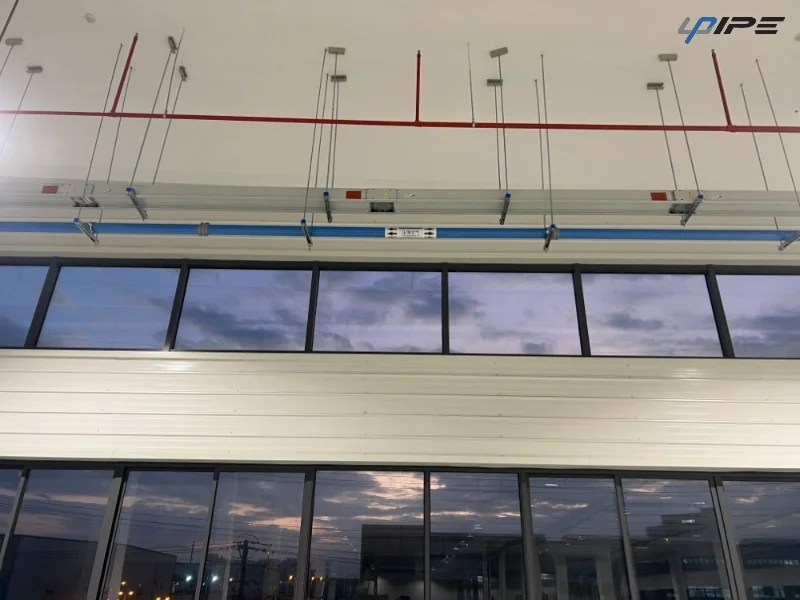
Key Factors When Selecting Pipe Clamps for Industrial Applications
Choosing the right clamp requires consideration of the operating environment, pipeline configuration, and mechanical loads. A clamp designed for a stationary section may not provide the same performance around equipment connections where vibration levels are higher. Installers should evaluate the actual movement conditions rather than selecting supports based only on appearance or purchase price.
Selection Factor | Installation Consideration |
|---|
Pipe compatibility | Match clamp dimensions to the outside diameter of the pipe |
Contact material | Avoid surface damage and unnecessary friction |
Load capacity | Consider pipe weight and operational forces |
Vibration control | Provide stable support around vibration-sensitive areas |
Installation environment | Consider moisture, temperature, and corrosion exposure |
Maintenance access | Allow convenient inspection and replacement |
For aluminum compressed air piping, material compatibility and contact protection deserve particular attention. Excessive tightening can create localized stress, while insufficient clamping may allow unwanted movement. A balanced installation approach helps preserve pipe integrity and maintain stable connections throughout long-term operation.
Proper Support Spacing and Pipeline Layout
Support spacing directly influences how a compressed air pipeline responds to vibration and pressure changes. Long unsupported sections may experience greater movement, especially near compressors, bends, and equipment connections. During compressed air piping installation, support locations should be determined according to pipe dimensions, layout direction, operating conditions, and the manufacturer's recommendations.
Horizontal pipelines generally require consistent support to prevent sagging, while vertical sections need secure positioning to maintain alignment. Additional attention should be given to branch connections, directional changes, and transitions between different pipe materials. Supports should also be positioned to avoid interfering with fittings or maintenance operations.
It is equally important to distinguish between pipe supports and equipment connections. A pipeline should not rely on compressor outlets or machine connections to carry its structural weight. Appropriate supports reduce unnecessary mechanical loading on these interfaces and help protect connection integrity.
Installation Practices That Help Prevent Air Leakage
Vibration-resistant clamps are only one part of an effective leakage prevention strategy. Connection quality, sealing performance, pipe alignment, and installation procedures all influence the long-term reliability of an industrial air distribution network. Even well-supported pipelines may develop leakage if fittings are incorrectly assembled or sealing surfaces are damaged.
Before installation, inspect pipe ends, connectors, and sealing components for contamination or visible defects. Ensure that the pipeline is correctly aligned before tightening fittings, and avoid forcing connections into position to compensate for inaccurate measurements. After assembly, conduct appropriate pressure and leakage checks according to the applicable installation requirements.
For facilities using aluminum compressed air pipe fittings, consistent assembly practices help maintain airtight connections while simplifying future maintenance. A properly supported and carefully sealed pipeline can reduce avoidable compressed air losses and help protect the efficiency of downstream pneumatic equipment.
Aluminum Piping and Long-Term Maintenance Considerations
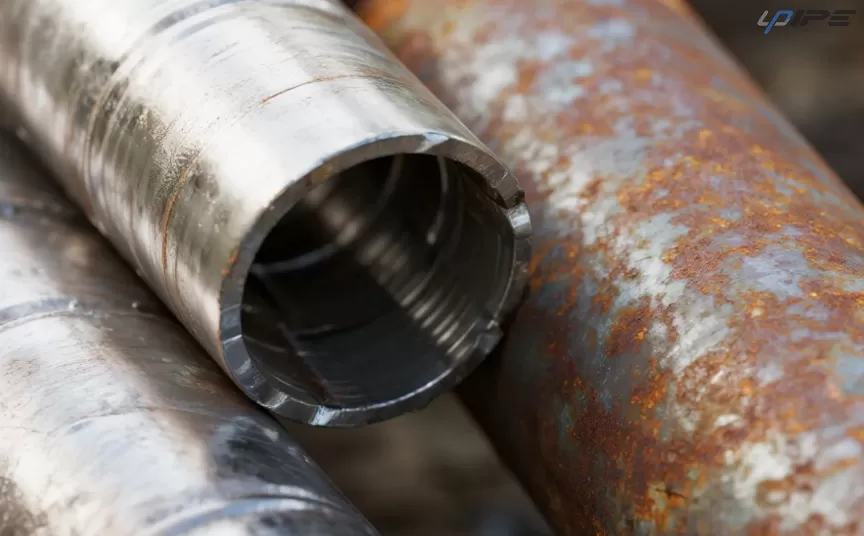
Aluminum piping is widely used in industrial compressed air distribution because it combines relatively low weight with practical installation advantages. Compared with heavier traditional piping materials, aluminum pipes can be easier to handle and position, particularly in facilities where installation time and future layout adjustments are important considerations.
However, long-term performance still depends on appropriate support selection and regular inspection. Clamps should be checked for looseness, surface wear, and signs of excessive movement. Particular attention should be paid to areas close to compressors, machines, and frequently operated equipment. If vibration conditions change after machinery replacement or production line expansion, the existing support arrangement should also be reassessed.
UPIPE focuses on aluminum compressed air piping and compatible fittings designed for industrial air distribution. Combining suitable pipe connections with properly selected supports helps create an installation that is easier to maintain, adapt, and extend as operational requirements change.
Common Installation Mistakes to Avoid
Several avoidable mistakes can reduce the effectiveness of vibration-resistant clamps. One common issue is using insufficient support, which allows long pipe sections to move excessively during operation. Another is overtightening clamps, potentially creating concentrated pressure on the aluminum pipe surface. Both situations can undermine the intended protection.
Installers should also avoid placing supports where they obstruct fitting access or interfere with pipeline expansion. Ignoring vibration sources during the planning stage can result in unnecessary mechanical stress around sensitive connections. A more effective approach is to assess the entire pipeline route, identify high-vibration areas, and coordinate support positions with the locations of fittings and equipment interfaces.
FAQ
Q1. Why are vibration-resistant clamps important for compressed air piping?
They help limit unwanted pipe movement, reduce mechanical stress around connections, and maintain pipeline stability during continuous equipment operation.
Q2. Where should additional pipe clamps be installed?
Pay particular attention to areas near compressors, bends, branch connections, equipment interfaces, and other locations exposed to noticeable vibration.
Q3. Can overtightened pipe clamps cause problems?
Yes. Excessive tightening may create localized pressure, damage protective surfaces, or introduce unnecessary stress. Clamps should be secured according to the manufacturer's installation recommendations.
Q4. How can aluminum compressed air piping reduce maintenance difficulties?
Its relatively low weight and convenient connection methods can simplify handling, installation, and future modifications when the pipeline is properly designed and supported.
Q5. What should buyers consider when sourcing compressed air piping components?
Evaluate pipe material, fitting compatibility, sealing performance, pressure requirements, installation convenience, and the availability of technical support. Choosing compatible components from an experienced supplier such as UPIPE helps simplify project coordination and long-term maintenance.