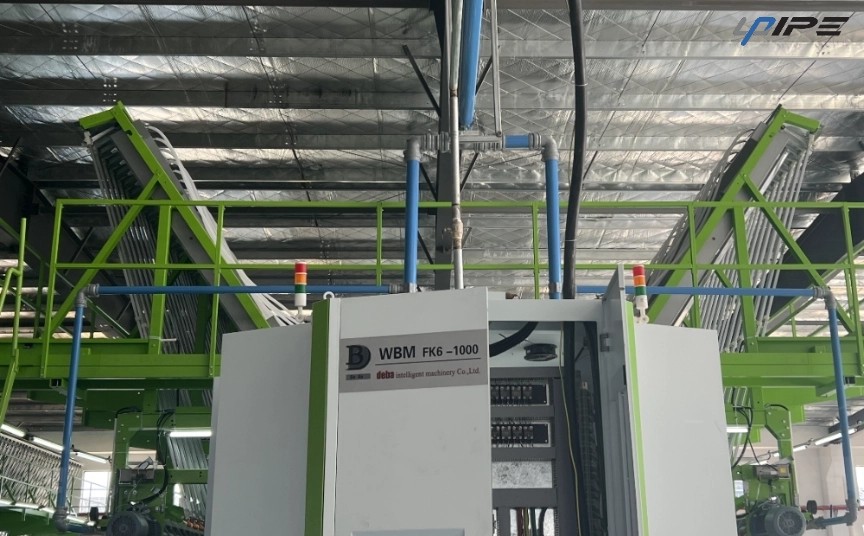
Reduce compressed air loss with an aluminum blue air pipe featuring leak-resistant connections, clean airflow, and durable performance for industrial facilities.
Rising electricity prices and growing production demands have encouraged manufacturers to examine every part of their compressed air infrastructure. While compressors often receive the most attention, the piping network is equally important because it determines how efficiently compressed air reaches production equipment. Old steel pipelines gradually become less effective as corrosion, rough internal surfaces, and aging joints create pressure loss and air leakage. These hidden problems increase operating costs while reducing the performance of pneumatic equipment. Replacing outdated pipelines with an aluminum blue air pipe is an effective way to improve airflow efficiency, maintain cleaner compressed air, and reduce long-term maintenance requirements without adding unnecessary complexity to daily operations.
Why Traditional Pipelines Become Less Efficient Over Time
Steel piping has been widely used in industrial facilities for many years, but long-term operation exposes several limitations. Moisture inside the pipeline can gradually create corrosion, while rust and scale accumulate along the inner wall. As the internal surface becomes rougher, airflow encounters greater resistance, causing pressure loss before compressed air reaches the point of use. Even a small reduction in pressure may force compressors to consume additional electricity to maintain production requirements.
Connection points also become vulnerable after years of vibration and continuous operation. Threaded joints may loosen, sealing surfaces can deteriorate, and small leaks often appear without immediate detection. Although each leak may seem insignificant, their combined effect can result in considerable energy waste. An aluminum blue air pipe helps eliminate many of these concerns by maintaining a clean internal surface and providing stable, reliable connections throughout the pipeline.
Aluminum Blue Air Pipe Delivers Better Airflow Performance
One of the greatest advantages of an aluminum blue air pipe is its ability to maintain smooth airflow over an extended service life. Aluminum naturally resists corrosion, preventing the buildup of rust that commonly affects steel pipelines. The smooth inner wall allows compressed air to travel with lower resistance, helping maintain more consistent pressure from the compressor to every production area.
Reduced pressure loss offers benefits beyond lower energy consumption. Stable air delivery improves the operating efficiency of pneumatic cylinders, valves, air tools, packaging equipment, and automated production machinery. Consistent airflow also reduces unnecessary compressor loading, allowing equipment to operate under more balanced conditions while extending service life.
Unlike traditional materials that gradually degrade internally, aluminum maintains its structural integrity even after years of industrial use. This allows manufacturers to achieve more predictable operating performance with fewer interruptions caused by pipeline deterioration.
Lightweight Construction Simplifies Installation
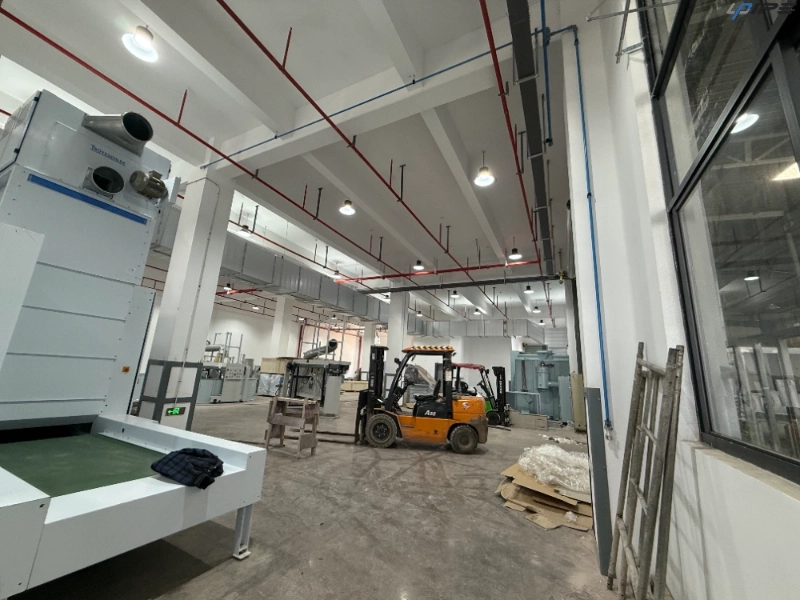
Installation quality plays an important role in the long-term reliability of any compressed air pipeline. Heavy steel pipes often require additional lifting equipment and more labor during assembly, making precise alignment more challenging. Poor alignment can place continuous stress on fittings and seals, eventually increasing the possibility of leakage.
Because an aluminum blue air pipe is significantly lighter than conventional steel piping, installers can position each section more accurately and complete projects more efficiently. The reduced weight shortens installation time while making future modifications easier whenever production layouts change or new equipment is added. Manufacturers also benefit from lower labor requirements during installation and maintenance, helping reduce the overall project cost.
Cleaner Compressed Air Protects Valuable Equipment
Compressed air quality directly influences production reliability in many industries. Rust particles, corrosion residue, and internal contamination generated by aging steel pipelines may damage pneumatic components, shorten filter life, and increase maintenance frequency. Sensitive manufacturing sectors such as food processing, electronics, pharmaceuticals, precision machining, and laboratory production require clean compressed air to protect both equipment and finished products.
An aluminum blue air pipe naturally resists corrosion, allowing compressed air to remain cleaner throughout the distribution process. The smooth internal surface also reduces particle accumulation, helping maintain reliable airflow while protecting downstream equipment from unnecessary contamination. Cleaner compressed air contributes to longer equipment life, fewer maintenance interruptions, and more stable production quality.
Comparing Common Industrial Pipe Materials
| Feature | Aluminum Blue Air Pipe | Carbon Steel | Galvanized Steel |
|---|
| Corrosion Resistance | Excellent | Low | Moderate |
| Internal Surface | Smooth | Rust Develops | Surface May Deteriorate |
| Installation Weight | Lightweight | Heavy | Heavy |
| Air Leakage Risk | Low | High | Moderate |
| Maintenance Frequency | Low | High | Moderate |
| Air Cleanliness | Excellent | Rust Contamination Possible | Zinc Residue Possible |
| Future Expansion | Easy | Difficult | Moderate |
The comparison shows why more industrial facilities are replacing aging pipelines with aluminum solutions when planning energy-saving upgrades or production expansion.
Flexible Design Supports Future Growth
Manufacturing facilities rarely remain unchanged. New production lines, additional machinery, and workshop reconfiguration frequently require adjustments to compressed air distribution. A rigid pipeline that is difficult to modify may increase downtime and labor costs whenever expansion becomes necessary.
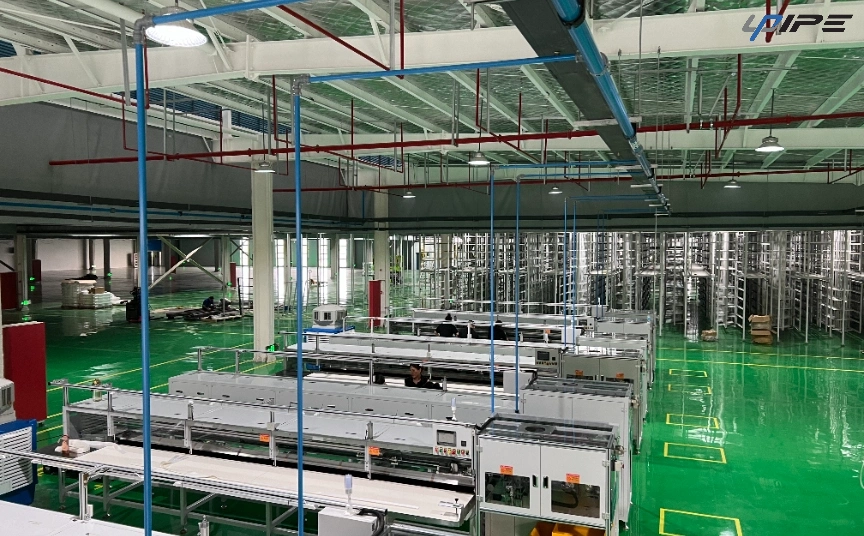
An aluminum blue air pipe provides greater installation flexibility because additional pipe sections and fittings can be integrated with minimal disruption. The lightweight material simplifies transportation and handling, while precision-manufactured connectors help maintain dependable sealing after expansion. This flexibility allows factories to respond more quickly to changing production demands without replacing large sections of the existing pipeline.
Selecting the Right Supplier Makes a Difference
Material quality alone cannot guarantee reliable performance. Manufacturing precision, dimensional consistency, sealing technology, and complete accessory availability all influence the long-term efficiency of a compressed air pipeline. Industrial buyers should evaluate suppliers based on production capability, quality control, technical support, and the ability to provide compatible fittings for future expansion.
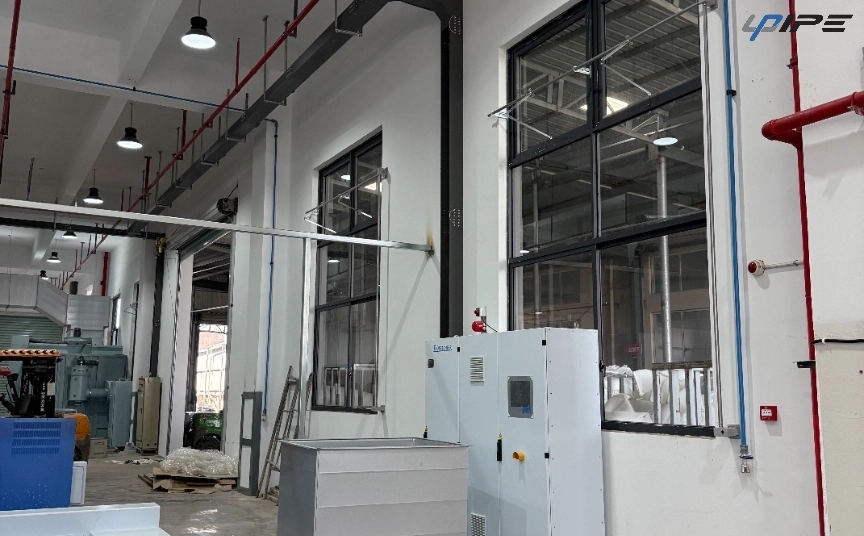
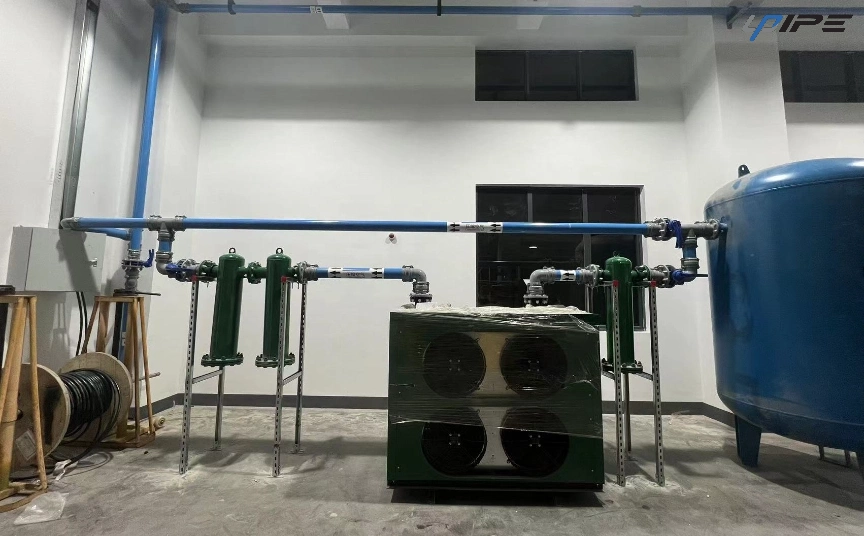
UPIPE specializes in manufacturing aluminum blue air pipe products for industrial compressed air distribution. Every component is designed to provide reliable sealing, corrosion resistance, and efficient airflow while supporting convenient installation and long-term operation. A complete range of fittings and accessories also allows customers to build piping layouts that match different factory requirements.
Long-Term Value Beyond Initial Investment
Many companies evaluate piping projects only by the initial purchase price, but the lifetime operating cost often has a greater financial impact. Lower maintenance requirements, reduced energy consumption, cleaner compressed air, and fewer production interruptions all contribute to better long-term value.
Investing in a high-quality aluminum blue air pipe helps manufacturers reduce hidden operating expenses while improving production efficiency. The combination of corrosion resistance, lightweight construction, dependable sealing, and smooth airflow provides measurable advantages that continue throughout the service life of the pipeline.
Conclusion
Energy efficiency begins with every component that transports compressed air. Aging steel pipelines gradually lose performance because of corrosion, pressure loss, and leakage, creating unnecessary operating costs that often remain unnoticed. Replacing them with an aluminum blue air pipe provides cleaner airflow, lower maintenance requirements, improved installation efficiency, and more dependable long-term performance. For manufacturers seeking greater production reliability and lower operating expenses, upgrading the pipeline is a practical investment that supports sustainable industrial growth.
FAQ
Why is aluminum blue air pipe replacing traditional steel piping?
Its corrosion-resistant material, smooth internal surface, lightweight construction, and dependable sealing help improve airflow while reducing maintenance and energy loss.
Does aluminum blue air pipe improve compressed air quality?
Yes. Aluminum does not generate rust inside the pipeline, allowing cleaner compressed air to reach production equipment and reducing contamination risks.
Is aluminum blue air pipe suitable for factory expansion?
Yes. Its lightweight construction and modular fittings make future pipeline extensions faster and easier while minimizing production interruptions.
What should buyers consider before purchasing aluminum blue air pipe?
Industrial buyers should evaluate material quality, sealing performance, dimensional accuracy, available fittings, technical support, and supplier manufacturing capability to ensure reliable long-term performance.
Why choose UPIPE?
UPIPE provides high-quality aluminum blue air pipe products designed for industrial compressed air applications. With precision manufacturing, dependable sealing technology, corrosion-resistant materials, and comprehensive technical support, UPIPE helps global manufacturers improve airflow efficiency and reduce long-term operating costs.