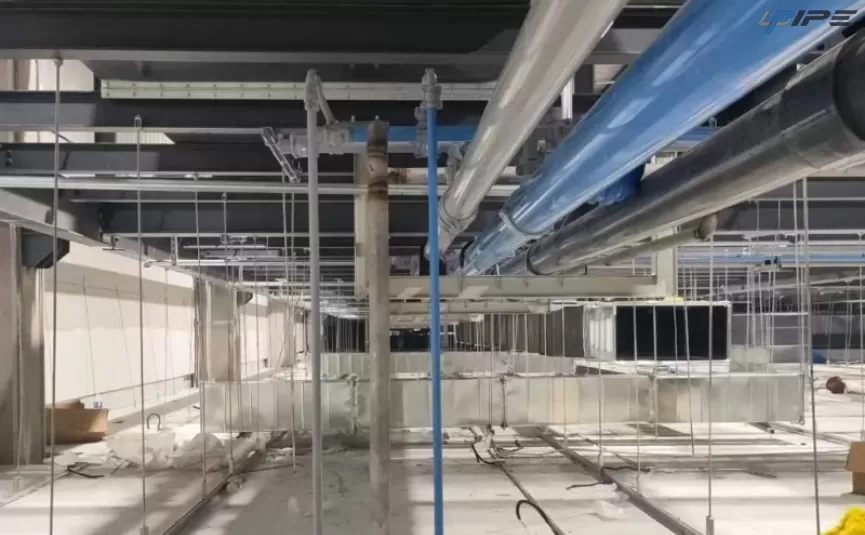
Compressed air systems sit at the heart of modern manufacturing, yet their distribution networks are often overlooked.
Compressed air systems sit at the heart of modern manufacturing, yet their distribution networks are often overlooked. As factories pursue higher efficiency, cleaner production, and flexible layouts, traditional steel piping is being re-evaluated. In this context, aluminum pipe for air lines has become a structural element rather than a simple conduit. In this blog post, UPIPE, as high performance aluminum compressed air piping systems exporter, will share the role of industrial aluminum pipes for air lines, its structural design, etc.
Changing Role of Industrial Aluminum Pipe for Air Lines
In earlier industrial models, air piping was installed once and rarely revisited. Today, compressed air is treated as a managed utility similar to power or data. Industrial aluminum pipe for air lines reflects this shift by enabling modular, reconfigurable networks that adapt to changing production demands.
Instead of acting as passive infrastructure, aluminum air pipes influence pressure stability, energy efficiency, and maintenance strategies. Their role extends beyond air transport into system optimization, making them integral to overall plant performance.
Why Material Selection Matters in Air Line Engineering
Material choice directly affects airflow quality, pressure loss, and lifecycle costs. Aluminum air line pipes differ fundamentally from carbon steel or plastic systems in both physical properties and system behavior.
From an engineering standpoint, aluminum’s smooth internal surface reduces turbulence, which lowers pressure drop over distance. This characteristic becomes increasingly important as factories expand or operate multiple shifts. Over time, reduced pressure loss translates into measurable energy savings at the compressor level.
Additionally, aluminum does not oxidize internally in the same way as steel, preserving air purity and stabilizing downstream equipment performance.
Structural Design of Industrial Aluminum Pipe for Air Lines
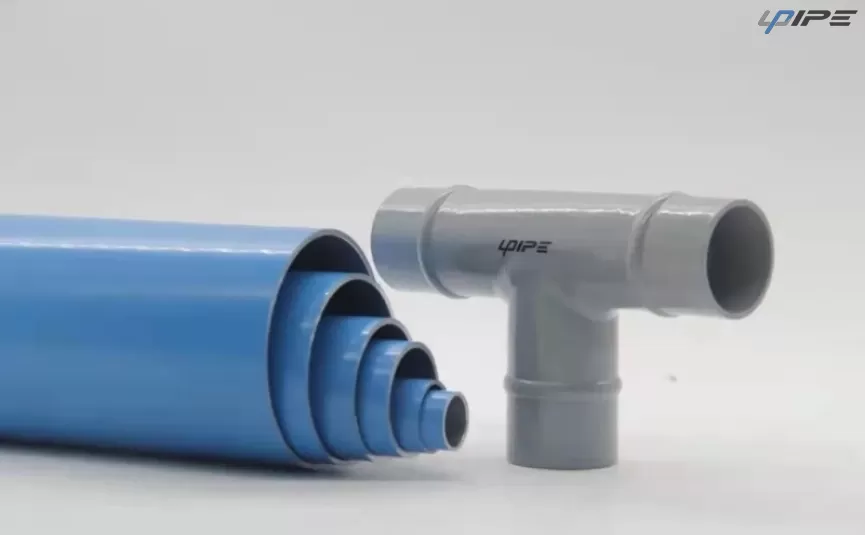
Industrial aluminum pipe for air lines is typically designed around modular extrusion profiles. This design logic allows pipes, connectors, and fittings to function as a unified system rather than discrete components.
The structural consistency of aluminum extrusion enables:
Predictable load distribution across suspended air lines
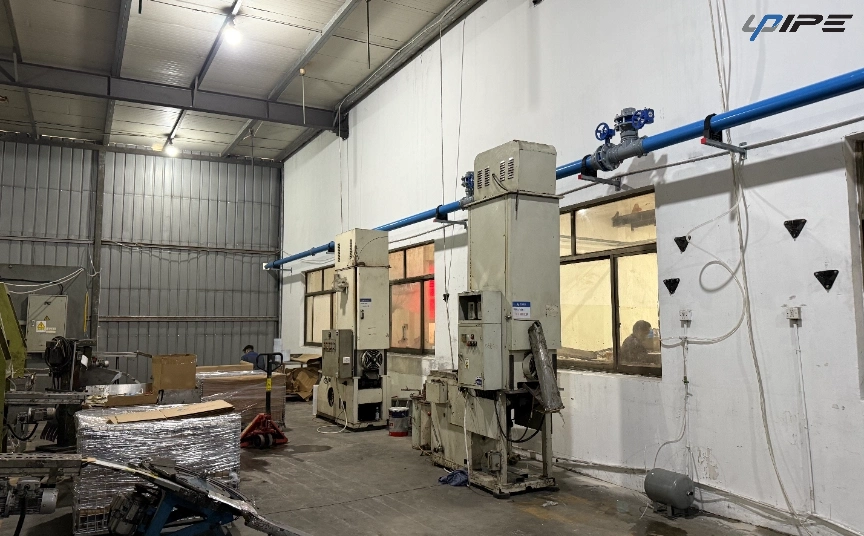
Precise alignment in ceiling or wall-mounted layouts
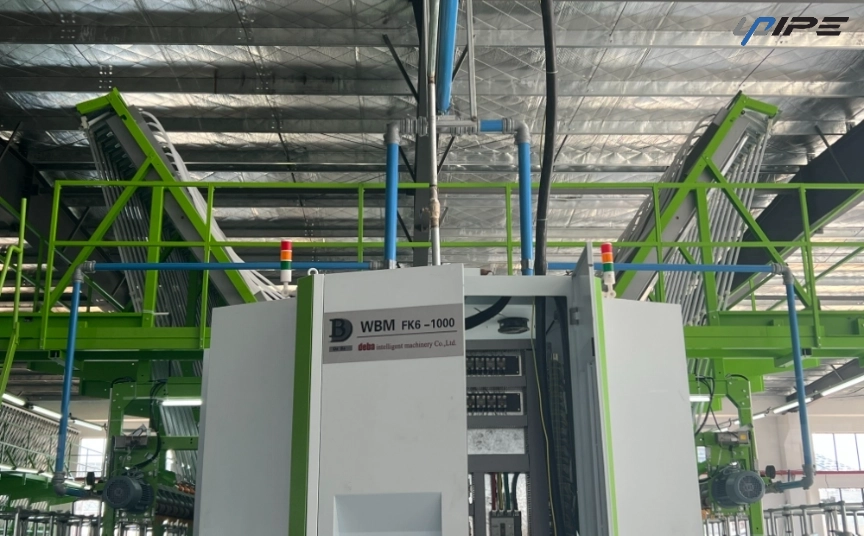
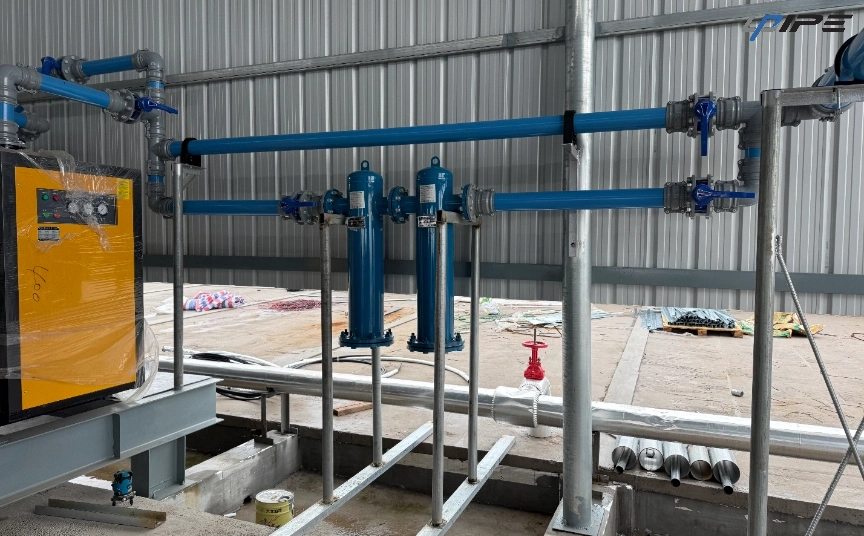
Simplified integration with valves, drops, and monitoring devices
This system-based approach reduces design complexity during both initial installation and later expansion, supporting lean manufacturing principles.
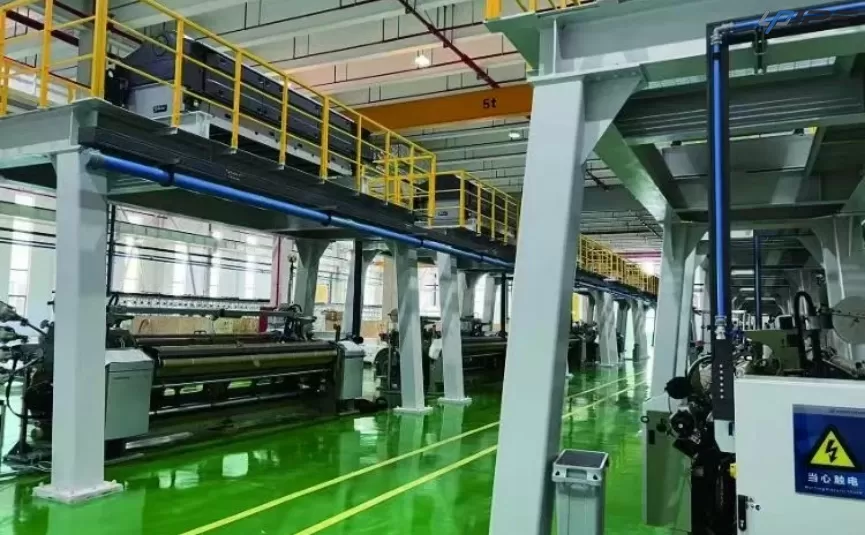
Installation Efficiency and Its Impact on Project Timelines
Factory downtime during infrastructure upgrades is costly. One reason aluminum air piping systems are increasingly specified is the speed and predictability of installation.
Industrial aluminum pipe for air lines is typically lightweight, allowing crews to handle long sections without heavy lifting equipment. Connection methods often rely on mechanical fittings rather than welding or threading, minimizing on-site fabrication.
From a project management perspective, faster installation shortens commissioning timelines and reduces coordination risks between mechanical, electrical, and production teams.
Air Quality Control Through Aluminum Piping Architecture
Compressed air quality is affected not only by filtration and drying equipment but also by the distribution network itself. Aluminum air line systems contribute to air quality stability through their internal geometry and corrosion resistance.
Because aluminum does not shed rust or scale, particulate contamination within air lines is significantly reduced. This is particularly relevant in industries where compressed air contacts products or sensitive equipment, such as electronics assembly or automated packaging.
Moreover, consistent internal diameters help maintain laminar airflow, reducing condensation formation in low-velocity zones.
Energy Management Considerations in Aluminum Air Lines
Energy consumption remains one of the largest operational costs associated with compressed air systems. While compressors receive most of the attention, distribution efficiency plays a decisive role in total energy use.
Industrial aluminum pipe for air lines supports energy management in several ways:
Lower friction coefficients reduce compressor load
Leak-resistant joint designs minimize pressure losses
Modular layouts simplify pressure zoning and isolation
By stabilizing system pressure, aluminum piping allows compressors to operate closer to their optimal efficiency points, improving overall energy utilization.
Scalability and Layout Flexibility in Growing Facilities
Modern production environments are rarely static. New equipment, revised workflows, and capacity expansions demand adaptable infrastructure.
Aluminum air piping systems are inherently scalable. New branches can be added without dismantling existing lines, and reconfiguration does not require extensive cutting or re-threading. This flexibility aligns with just-in-time manufacturing models and frequent line changes.
For facility planners, this means air distribution no longer constrains layout decisions but supports continuous improvement initiatives.
Maintenance Strategy Shifts with Aluminum Air Pipe Networks
Maintenance philosophies evolve alongside materials. With industrial aluminum pipe for air lines, maintenance shifts from reactive repair toward predictive inspection.
The absence of internal corrosion reduces unexpected failures, while standardized connectors simplify seal replacement or component upgrades. Visual inspection is often sufficient to identify potential issues, reducing reliance on intrusive testing.
Over the system lifecycle, this maintenance model lowers labor intensity and supports more predictable operating budgets.
Safety and Compliance in Compressed Air Distribution
Safety considerations extend beyond pressure ratings. Aluminum air line systems contribute to safer working environments through controlled failure modes and stable mechanical properties.
In the event of impact or overload, aluminum pipes tend to deform rather than shatter, reducing secondary hazards. Additionally, standardized aluminum systems are typically designed to comply with international pressure equipment directives and factory safety norms.
This compliance consistency simplifies documentation and inspection processes, especially for multi-site manufacturers.
Environmental and Sustainability Perspectives
Sustainability has become a strategic priority across industrial sectors. Aluminum air piping aligns with environmental goals through recyclability and long service life.
Aluminum can be recycled repeatedly without significant loss of material properties. When combined with energy savings from reduced pressure loss, industrial aluminum pipe for air lines contributes to lower carbon footprints across the operational lifecycle.
For organizations pursuing ESG benchmarks, compressed air infrastructure upgrades represent a tangible sustainability action rather than a symbolic one.
Integrating Aluminum Air Lines into Smart Factory Systems
As factories adopt digital monitoring, compressed air networks are increasingly instrumented. Aluminum air piping systems support this transition by offering consistent geometries and standardized connection points for sensors.
Flow meters, pressure sensors, and leak detection devices integrate more easily into aluminum systems, enabling real-time monitoring and data-driven optimization. This integration transforms air distribution from a hidden utility into a measurable performance variable.
Long-Term Planning with Industrial Aluminum Pipe for Air Lines
Selecting aluminum piping is not merely a material decision; it is a long-term infrastructure strategy. By prioritizing adaptability, efficiency, and system integrity, aluminum air line networks support evolving production models over decades.
Rather than being locked into fixed layouts or maintenance-heavy systems, facilities gain a resilient backbone that grows with operational demands. In this sense, industrial aluminum pipe for air lines becomes a foundational element of modern manufacturing architecture, supporting productivity, efficiency, and strategic flexibility well into the future.