See how an aluminum compressed air piping system reduces pressure loss, air leaks, and installation time while improving airflow and long-term efficiency.
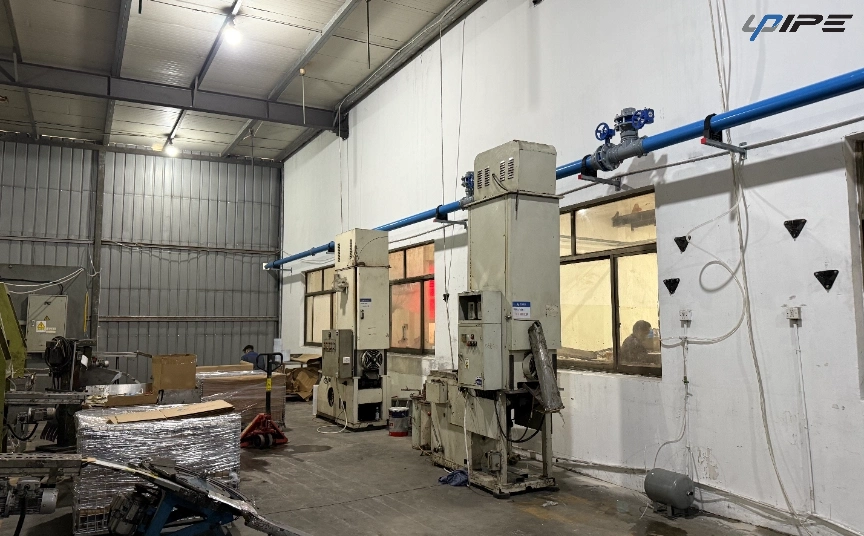
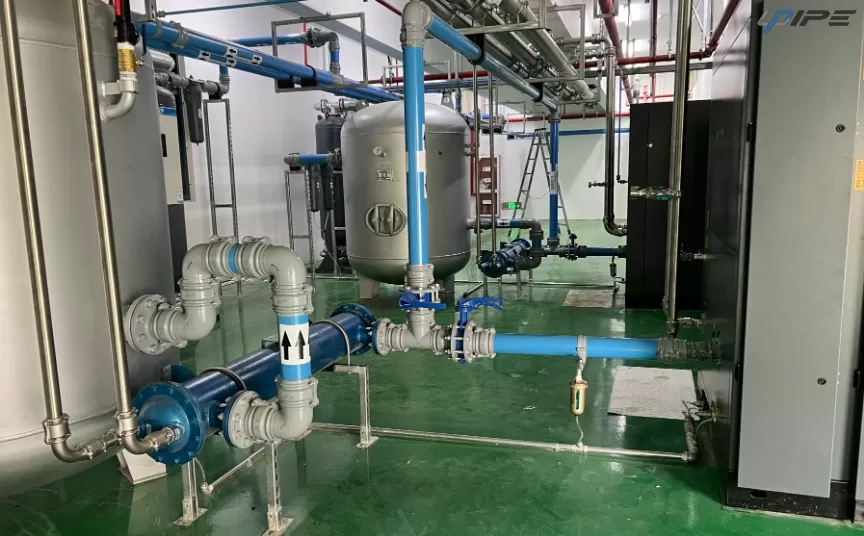
Compressed air is essential for many manufacturing processes, but unstable pressure can quietly affect production efficiency, equipment performance, and operating costs. When pressure drops occur between the compressor and points of use, increasing compressor capacity is not always the right answer. The piping network itself may be creating unnecessary resistance. For factories dealing with pressure loss, air leakage, difficult installation, or frequent maintenance, choosing an appropriately designed aluminum compressed air piping system can provide a more practical way to improve compressed air distribution.
Why Pressure Drops Occur in Compressed Air Lines
Pressure loss is often associated with undersized pipes, excessive bends, poor connections, or internal surface resistance. Every fitting and transition influences how efficiently compressed air moves through the distribution network. If the internal passage is restricted or the airflow becomes turbulent, more pressure can be lost before air reaches pneumatic equipment.
The problem becomes more noticeable when multiple production areas operate simultaneously. A compressor may deliver sufficient pressure at the source, while distant equipment receives less usable pressure. This can affect pneumatic tools, actuators, valves, and other air-operated equipment. Instead of immediately increasing compressor pressure, manufacturers should first examine compressed air piping design, pipe sizing, fittings, connections, and airflow resistance.
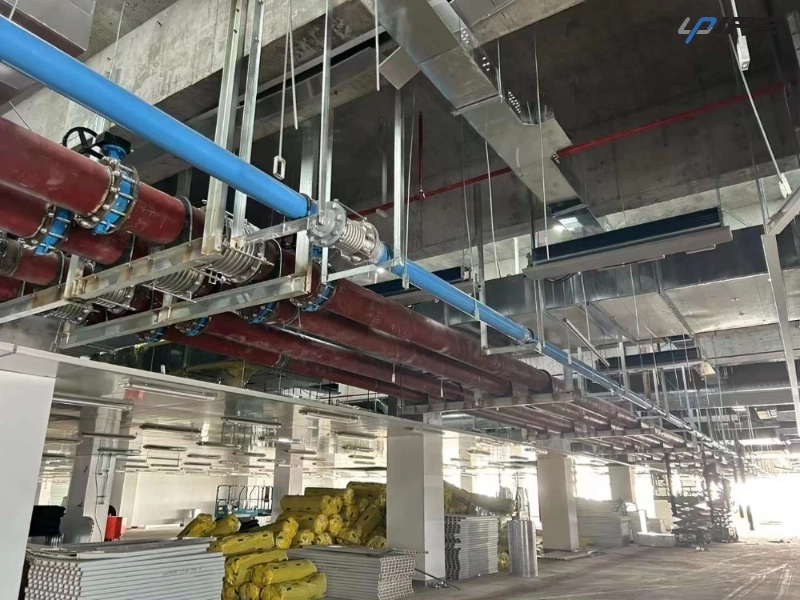
How an Aluminum Compressed Air Piping System Reduces Flow Resistance
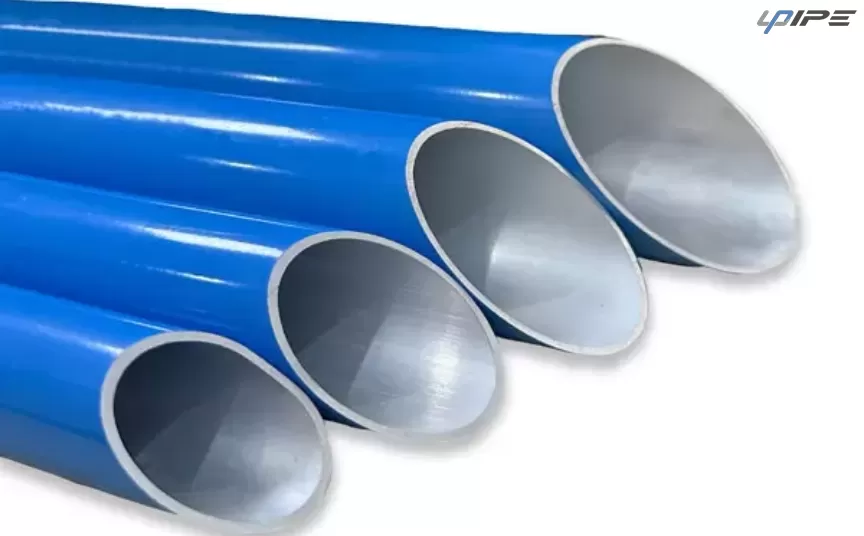
UPIPE focuses on reducing unnecessary resistance through both pipe construction and fitting design. The pipes are manufactured from pure aluminum without recycled material, providing a consistent material structure for industrial compressed air distribution. Precisely cut pipe ends and clean internal surfaces also help maintain a smooth air passage throughout the network.
A smooth internal surface is particularly important for compressed air applications because irregularities inside the pipe can increase resistance. UPIPE also uses a thickened wall design across its pipe range, supporting structural durability while maintaining the integrity of the air passage. These details may appear simple, but together they contribute to a more stable and efficient airflow path.
Flow-Directed Fittings Matter as Much as the Pipe
Pressure loss does not occur only inside straight pipe sections. Elbows, tees, and drops can create significant changes in airflow direction. Poorly shaped fittings may increase turbulence and restrict the effective passage area, especially when air must change direction quickly.
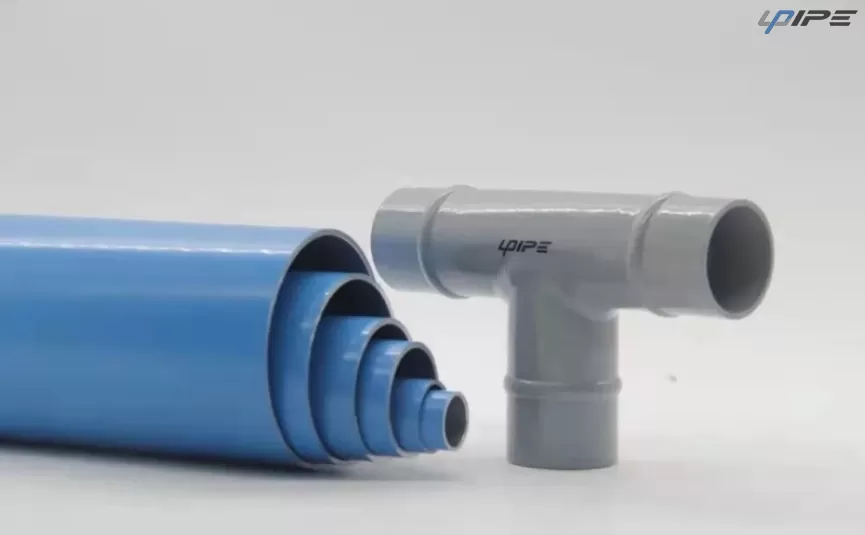
UPIPE uses special flow-directing shapes for tees, elbows, and quick drops to improve structural strength while reducing pressure loss. This approach is important when designing an aluminum air piping network because efficient airflow depends on the complete route rather than the pipe alone. A well-designed fitting can help maintain smoother air movement from the main line to the point of use.
Preventing Air Leaks Before They Become Pressure Problems
A pressure drop is not always caused by friction. Air leakage can also reduce the amount of compressed air available at the point of use, forcing compressors to work harder to maintain demand. Connections, seals, vibration, and improper installation are common areas where leakage can develop.
UPIPE uses sealing rubber made from imported Thai rubber raw materials, designed to provide strong sealing performance. The connection structure is intended to reduce the risk of leakage caused by vibration or installation errors. This is especially valuable in industrial environments where equipment operates continuously and piping may experience mechanical movement.
The goal is not simply to create a tight connection during installation. A reliable compressed air pipe installation should maintain sealing performance throughout normal operation. Reducing leakage helps preserve available pressure and prevents compressed air from being wasted before it reaches production equipment.
Connection Strength Supports Long-Term Air Distribution
The quality of pipe connectors also affects the reliability of a compressed air network. UPIPE pipe-to-pipe connectors use an integrated molding process, helping maintain consistent strength between the bolt and connector body. This construction provides higher pressure resistance and supports secure connections throughout the piping network.
Another practical advantage is the pre-treatment applied to pipes of DN40 and above. Raised rings are prepared before delivery, reducing the amount of work required during onsite installation. For contractors and factory maintenance teams, reducing preparation work can shorten installation time and make large-scale piping projects easier to manage.
| Design Feature | Practical Benefit |
|---|
| Pure aluminum construction | Consistent material quality |
| Clean, precisely cut pipe ends | Cleaner internal airflow path |
| Thickened pipe walls | Greater structural durability |
| Flow-directed fittings | Reduced pressure loss |
| Strong sealing materials | Lower leakage risk |
| Integrated connectors | Higher connection strength |
| Pre-treated larger pipes | Faster onsite installation |
| Anti-vibration clamps | More secure pipe support |
Quick Drops Designed for Better Point-of-Use Performance
The final connection to pneumatic equipment deserves as much attention as the main distribution line. Quick drops are frequently exposed to mechanical stress, repeated operation, and condensate-related concerns. If the drop connection is poorly supported or improperly sealed, it can become a weak point in the compressed air network.
UPIPE quick drops incorporate reinforcement ribs to reduce the risk of breakage caused by uneven stress. Their passive locking accessories use high-strength materials, while multi-surface sealing helps reduce leakage caused by incorrect installation. These design elements make point-of-use connections easier to install while supporting dependable air delivery.
The gooseneck structure provides another functional advantage by helping prevent condensate from flowing downward toward connected equipment. This is important because compressed air may contain moisture, and uncontrolled condensate can create problems for downstream pneumatic components. A properly designed drop therefore contributes not only to airflow but also to equipment protection.
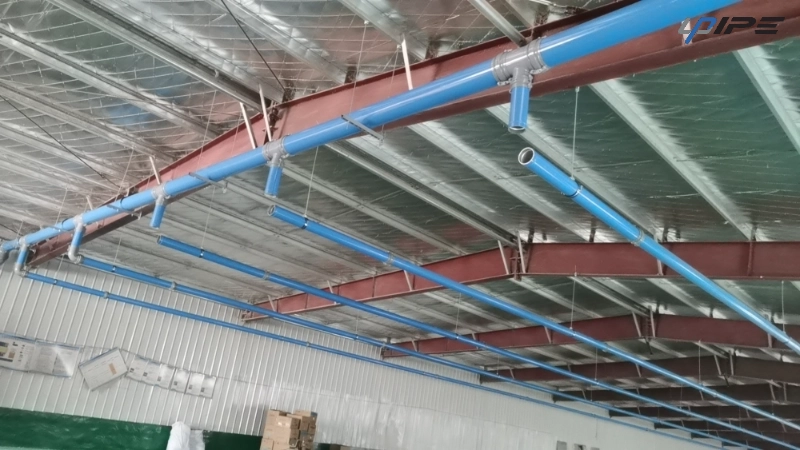
Why Installation Quality Influences Pressure Stability
Even high-quality piping can perform poorly when installation is rushed or connections are improperly assembled. Pipe alignment, sealing, support, fitting selection, and routing all influence the final performance of an industrial compressed air network.
UPIPE addresses installation efficiency through pre-treated larger pipes, quick connection designs, and sealing structures intended to reduce installation errors. Anti-vibration pipe clamps also help maintain secure support when equipment operates continuously. By considering installation conditions during the design stage, manufacturers can reduce avoidable maintenance problems after commissioning.
Packaging also contributes to installation quality. UPIPE pipes are protected with non-woven fabric lining, external plastic sealing, and sealed pipe ends to reduce contamination during storage and transportation. Keeping the internal pipe surface clean before installation helps maintain the intended airflow path.
Choosing the Right Piping Approach for Your Factory
Selecting an aluminum compressed air piping system should involve more than comparing pipe material or purchase price. The full distribution layout should be considered, including airflow demand, pipe diameter, line length, pressure requirements, fitting quantity, connection points, installation conditions, and future expansion.
For factories experiencing pressure instability, the first step should be identifying where the pressure loss occurs. Check long pipe runs, unnecessary bends, restrictive fittings, connection points, and areas with suspected leakage. This evaluation provides a better foundation for selecting pipe dimensions and designing an efficient compressed air distribution network.
A well-designed aluminum piping solution can also make future modifications easier. Production layouts change, equipment is added, and air demand can shift between work areas. Flexible connections and practical installation methods can simplify adjustments without requiring extensive reconstruction.
From Pressure Stability to Lower Operating Waste
The value of better compressed air piping is not limited to solving one pressure problem. Lower resistance, stronger connections, effective sealing, and better airflow management can work together to improve the overall efficiency of compressed air delivery.
For manufacturers, the objective is to deliver the required air volume at the required pressure with as little unnecessary loss as possible. UPIPE aluminum compressed air piping is designed around this principle, combining pure aluminum pipe construction, reinforced components, flow-directed fittings, sealing technology, quick-drop protection, and anti-vibration support.
When pressure drops are affecting production, replacing or redesigning the piping network may be a more targeted solution than simply increasing compressor output. A carefully planned aluminum air piping system for industrial compressed air can address the underlying causes of pressure loss while improving installation efficiency and long-term reliability.
FAQ
What causes pressure drops in compressed air piping?
Common causes include undersized pipes, excessive bends, restrictive fittings, long pipe runs, poor connections, and air leakage. The internal design of fittings can also influence airflow resistance and pressure loss.
Can aluminum piping help reduce compressed air pressure loss?
Yes. Aluminum piping with smooth internal surfaces and appropriately designed fittings can help reduce flow resistance. UPIPE also uses flow-directed tees, elbows, and quick drops to support smoother airflow through the network.
How can compressed air leaks affect pressure?
Leaks allow compressed air to escape before reaching equipment, reducing the amount of usable air available at points of use. Leakage can therefore contribute to unstable pressure and unnecessary compressor operation.
Why are pipe connectors important for compressed air applications?
Connectors must withstand operating pressure, vibration, and mechanical stress while maintaining a reliable seal. UPIPE uses integrated pipe-to-pipe connectors and sealing structures designed to improve connection strength and reduce leakage risks.
What should be considered when selecting an aluminum compressed air piping system?
Consider pipe sizing, airflow demand, pressure requirements, network layout, fittings, connection quality, installation conditions, leakage control, and future expansion. Looking at the complete distribution network is more effective than selecting pipe material alone.
Why are quick drops important?
Quick drops connect the main air line to equipment and therefore need reliable sealing, structural strength, and condensate management. UPIPE quick drops incorporate reinforced structures, multi-surface sealing, and a gooseneck design to address these requirements.