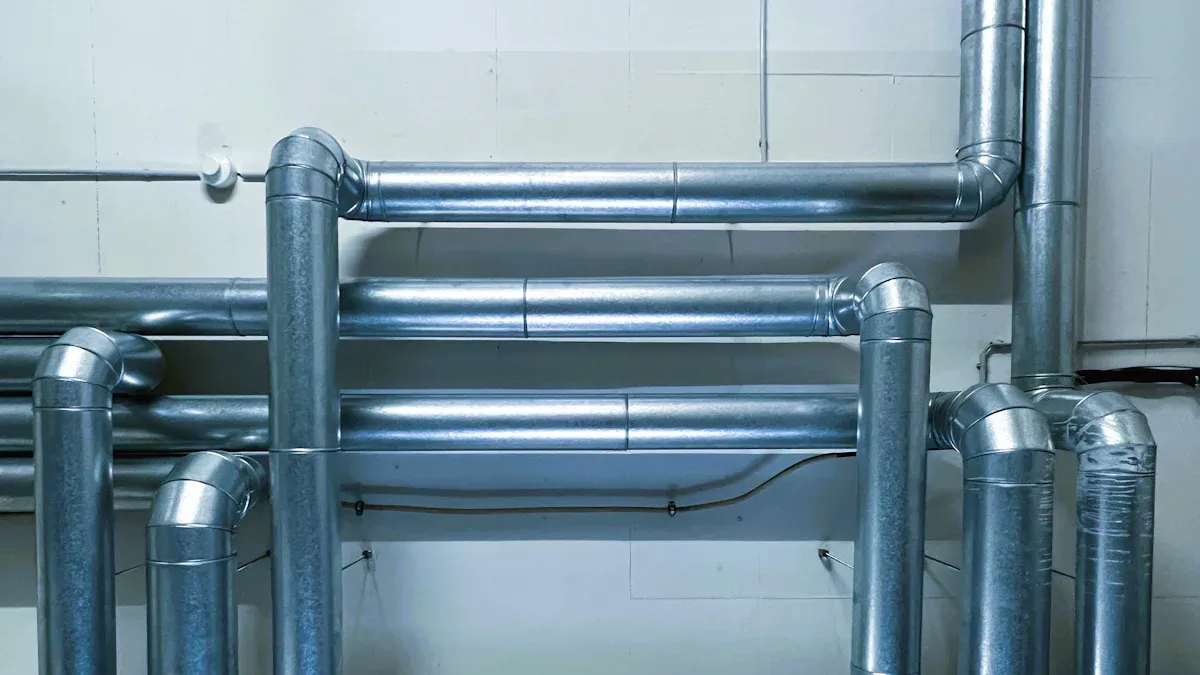
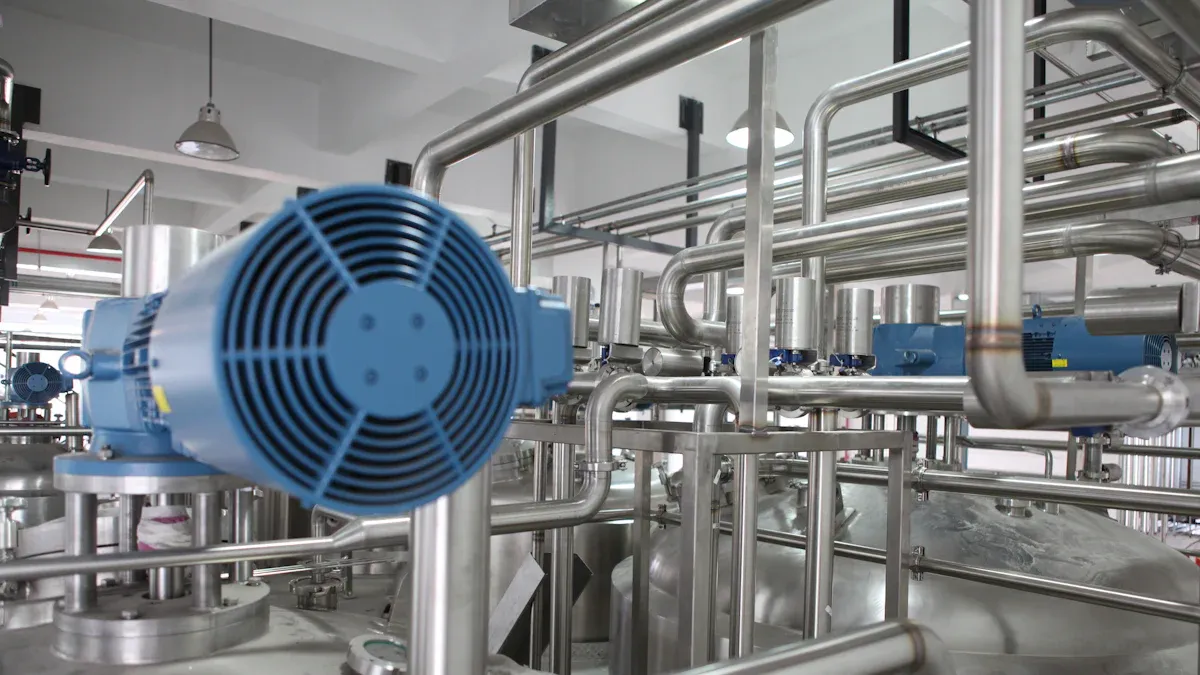
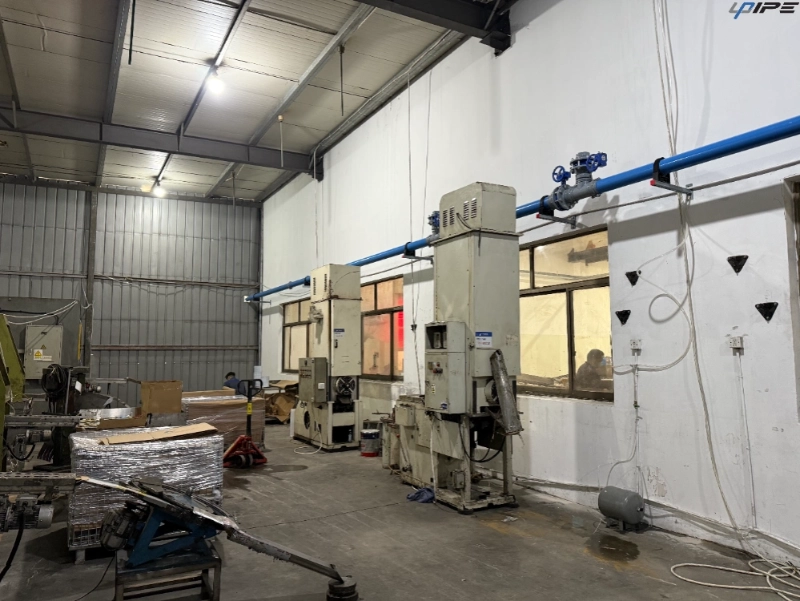
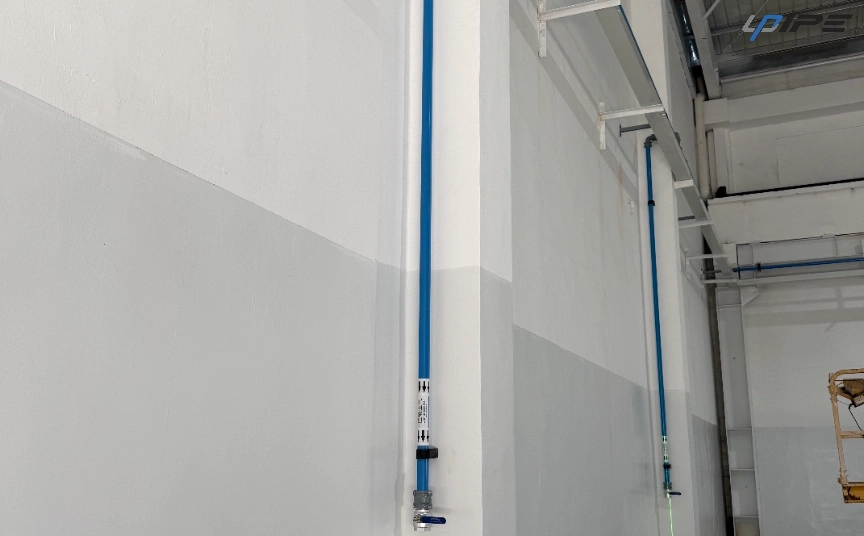
Aluminum alloy piping is easy to spot in workshops. This material does not rust and is lighter than other pipes. You can put it in place fast and move it without trouble. It stays strong for years and does not need much care.
Aluminum alloy piping lets you work faster and stop less often. You get a strong pipe that helps your workshop run well every day.
Key Takeaways
Aluminum alloy piping is light and simple to put in. This helps you save time and money on work.
This piping does not rust, so it works well in wet or chemical places.
Aluminum piping is smooth inside. This helps air move easily and lowers energy bills.
You do not need to do much upkeep. Check for leaks once a year to keep it working well for a long time.
Picking aluminum alloy piping can help you save a lot on fixing and energy costs over time.
You want pipes that last in hard places. Aluminum alloy piping is special because it does not rust easily. It makes a shield on the outside to stop rust and damage. Science shows alloys like 7A85 and 6061 work well even near the sea. These alloys can handle hot and cold weather and wet air. The oxide film on the surface helps stop rust at first. Even after a long time, you still get good protection from most rust. You can count on aluminum alloy piping to work well in your workshop.
Tip: Pick aluminum alloy piping if you need pipes for wet, chemical, or outdoor places.
Lightweight and Easy Installation
You save time and energy with aluminum alloy piping. This material is much lighter than steel or copper. You can carry and put it in place without big tools or lots of help. Reports say you can finish the job 50-70% faster than with other pipes. You get your work done sooner and pay less for workers. Aluminum alloy piping bends and fits how you need. You can pick different alloys like 6061 and 6063. These choices give you the strength and look you want for your workshop.
Aluminum alloy piping is simple to move and fits in small spots.
You can cut and connect pipes fast, so changes are easy.
The light weight helps you stay safe and not get hurt.
Efficiency in Compressed Air Systems
You want your air system to work well and use less power. Aluminum alloy piping has a smooth inside. This helps air move fast and easy with less push needed. Steel pipes can rust and get rough inside, but aluminum stays smooth. You get steady air flow and pay less for energy.
Key Benefit
Description
Energy Efficiency
Aluminum piping keeps pressure drops low, so you save energy.
Leak Resistance
The grip ring system seals tight, so less air leaks out.
Aluminum pipes have very smooth insides, so air moves well.
Steel pipes are rough inside, which slows air and wastes energy.
Aluminum fittings do not block air, so your system works better.
Low Maintenance and Longevity
You want pipes that are easy to care for and last long. Aluminum alloy piping needs little work. You only need to check it once a year for leaks or rust. Steel and copper pipes need more checks because they rust faster. Aluminum piping can stay leak-free for up to 20 years if you take care of it.
Pipe Material
Maintenance Frequency
Notes
Aluminum
Low
Check once a year for rust and leaks.
Steel
Higher
Rusts more, so needs more checks.
Copper
Moderate
Needs regular checks for rust and leaks.
Aluminum alloy piping is strong and almost as tough as steel.
You get pipes that work well for a long time.
The material is good for the earth and can be recycled.
Note: If you pick aluminum alloy piping, you fix pipes less and can do more work.
Aluminum Alloy Piping vs. Other Materials
Steel and Iron Comparison
Many old workshops use steel and iron pipes. These pipes are heavy and feel strong. Aluminum alloy piping is much lighter but still strong. You can move and put it in place with less work. Steel and iron are good for tough jobs, but they rust fast. You need to add a coating to stop rust. Aluminum alloy piping does not need extra help to fight rust.
Lightweight, flexible, good electrical conductivity
Carbon Steel Pipe
Requires anti-corrosion coating for enhanced performance
Heavier, less flexible, lower corrosion resistance
Aluminum is easier to carry than steel and iron.
Steel and iron pipes rust more and need more care.
Copper and Plastic Comparison
Copper pipes move heat very well. People use them when they need fast heat transfer. Aluminum alloy piping does not move heat as fast as copper. But it still works for many uses. Plastic pipes are light and do not rust. You can use plastic pipes for simple jobs. But they may not last long in high-pressure places.
Higher initial costs compared to some alternatives, availability issues in some areas
Copper
Corrosion-resistant, smooth flow characteristics
Higher costs, installation complexity
Plastic
Lower weight, corrosion-resistant
May not be suitable for all applications, potential durability issues in high-pressure systems
Black Iron
Readily available, low initial cost
Corrodes easily, requires frequent maintenance, not suitable for compressed air systems
Galvanized Steel
Temporary corrosion protection
Degrades over time, requires maintenance, not as efficient as aluminum
Stainless Steel
Excellent corrosion resistance
Premium cost, heavier than aluminum
PEX/PVC
Low cost, lightweight
Unsafe for compressed air, not suitable for high-pressure applications
Copper has a thermal conductivity of about 401 W/m·K. Aluminum's thermal conductivity is about 235 W/m·K. Copper moves heat faster than aluminum. Plastic pipes do not move heat well and may not work everywhere.
Cost and Lifecycle
You want pipes that help you save money over time. Aluminum alloy piping costs more at first. But you spend less on fixing and energy. Black iron pipes cost $4-8 per foot. Aluminum pipes cost $6-15 per foot. When you add up all costs, aluminum systems are about 22% cheaper than black iron, 39% cheaper than copper, and 46% cheaper than stainless steel. You save money because aluminum pipes need less care. You do not fix leaks as much. Aluminum systems can save 10-25% on energy each year. Less leaking means you use less energy.
Aluminum piping needs less care.
You save money on fixing and energy.
Aluminum pipes last longer and help your workshop work well.
Tip: Pick aluminum alloy piping if you want to save money and time for many years.
Selecting the Right Aluminum Alloy Piping System
Pressure and Temperature Needs
You need to check pressure and temperature in your workshop first. Different aluminum alloys can handle heat and pressure in different ways. Most workshops use 6061-T6 and 5083-H112 because they are strong and do not rust easily. If you want to save money, 3003 is a good pick, but it is not as strong as the others. Look at this table to see how common alloys compare:
Alloy
Strength
Corrosion Resistance
Key Features
6061-T6
Good
Good
Versatile and weldable
5083-H112
Excellent
Excellent
Superior in marine environments
3003
Fair
Good
Cost-effective and formable
High heat can make all aluminum alloys weaker. You should not use these pipes for very hot or high-pressure jobs.
Fluid and Gas Compatibility
You need to know what will go through your pipes. Aluminum alloy piping works well with air, water, and many oils. It does not work well with strong acids, strong bases, or halogenated compounds like chlorides. These chemicals can hurt the pipe and make leaks. If you use different metals together, you might see galvanic corrosion. Always check what fluid or gas you will use before picking your piping.
Do not use with strong acids or bases.
Avoid fluids with lots of chloride.
Watch for corrosion if you mix metals.
System Scalability
You might want to make your system bigger later. Modular aluminum piping makes this easy to do. You can add new lines or move old ones without much trouble. Plan your layout with straight main lines and use wall or ceiling mounts to save space. Pick bigger pipes for main lines and smaller ones for tools. Push-to-connect fittings help you change the system fast.
Tip: Modular systems let you grow your workshop without starting over.
Installation and Maintenance Tips
You can put in aluminum alloy piping fast if you follow good steps. Use strong brackets so pipes do not sag. Try not to make sharp bends so air can move well. Make sure all connections are tight so there are no leaks. Check your system for leaks every year. Clean filters and flush the pipes to keep everything working well.
Use fittings that do not rust.
Check for leaks and clean filters often.
Hold pipes up with good supports.
If you follow these steps, you get a safe, efficient, and long-lasting piping system for your workshop.
Many workshops use aluminum alloy piping every day. One car factory changed from steel pipes to aluminum ones. Workers saw that the new pipes were lighter and simple to put in. The team finished the work much faster than they thought. They found fewer leaks and had less time when machines stopped. An electronics factory needed clean air for its machines. The smooth inside of the aluminum pipes kept out dust and water. This made the machines last longer and work better.
A woodworking shop wanted to make its air system bigger. The owner picked modular aluminum pipes. He added new pipes fast and did not stop work. The system stayed easy to change and move. These stories show you can save time, spend less money, and keep your workshop working well.
Lessons and Best Practices
You get the best results if you follow these steps:
Keep all filler and base metals dry so water does not build up.
Use a stainless steel brush to clean, not shop rags.
Pick the right welding tools and settings for your job.
Use only argon gas for most welding jobs. For thick pipes, use a mix of helium and argon.
Watch the heat when you weld. Pulsed MIG is good for thin pipes. Use MIG spray transfer for thick pipes.
Tip: If you get ready and use the right tools, you will not make big mistakes or have to fix things later.
If you follow these tips, your aluminum alloy piping system will stay strong and work well. You will spend more time working and less time fixing things.
You want your workshop to run smoothly and last for years. Aluminum alloy piping gives you strong, lightweight, and rust-resistant pipes. You save time on installation and spend less on repairs. Other materials cannot match its mix of strength and easy care. If you want to upgrade, talk to a supplier or check your current system. Make the smart choice for your workshop.
FAQ
What is the best way to clean aluminum alloy piping?
You can use a soft cloth and mild soap. Rinse with clean water. Dry the pipes with a towel. Avoid harsh chemicals. This keeps your pipes shiny and strong.
Can you use aluminum alloy piping for compressed air?
Yes, you can. Aluminum alloy piping works well for compressed air. The smooth inside helps air flow fast. You get less pressure drop and save energy.
How long does aluminum alloy piping last?
Aluminum alloy piping can last over 20 years. You need to check for leaks once a year. If you care for it, your system will stay strong and safe.
Is aluminum alloy piping safe for drinking water?
You should check with your supplier. Some aluminum alloys are safe for water. Others are not. Always ask before using aluminum pipes for drinking water.
This website uses cookies to provide you with a safer and more personal experience. By accepting, you agree to the Cookie Policy and the use of cookies for advertising and analytics purposes.