Home > News > Blog > Best compressed air pipeline solution for textile factories
# Blog
Best compressed air pipeline solution for textile factories
2026-07-15
Share:
Modular aluminum compressed air pipeline ensures reliable, clean air, energy savings, and easy installation for textile factories.
You need a modular aluminum compressed air pipeline system for your textile factory. A steady air supply keeps your looms and machines working well. Clean air helps you follow safety rules and saves energy. The Upipe Aluminum Pipe System uses pure aluminum and thick walls. It also has advanced connectors for the best performance. See how being reliable helps your production:
Aspect
Impact on Textile Production Efficiency
Powering Automation and Machinery
Needed to run looms, knitting machines, and cutting tools.
Cost Efficiency and Energy Savings
Lowers costs by cutting downtime and saving energy.
Environmental and Safety Compliance
Gives clean air and lowers noise in factories.
Key Takeaways
Pick a modular aluminum pipeline system for steady air in textile factories.
Check your compressed air system often to spot and fix leaks. This saves energy and lowers costs.
Buy good fittings and connectors to keep your compressed air system leak-free and working well.
Key needs for textile compressed air pipeline
Reliability and durability
Your compressed air pipeline should work well every day. Textile factories need a lot of air for their machines. Looms, spinners, and air jet weavers all use air. These machines need steady air to run smoothly. Rotary screw compressors give a lot of air at the same pressure. Clean and steady air keeps fabric free from dust and lint. A strong pipeline that does not leak saves money. It also keeps your products high quality.
Energy efficiency and pressure drop
Energy costs are high in textile factories. Compressed air can use up to 15% of your energy. Leaks or pressure drops make compressors work harder. This wastes energy and money. Even a small leak can cost over $1,500 each year. Many leaks together can waste more than $100,000 in one mill. Pressure drops make machines work badly. This can hurt the quality of yarn and fabric. Pick a pipeline that keeps pressure steady and stops leaks.
Installation and maintenance
You want a system that is easy to put in and take care of. Regular checks help your pipeline last longer. You should look for leaks every year and fix them fast. Air dryers and other parts also need care. If you keep your system clean, you avoid sudden breakdowns. This helps your factory run without stopping.
Cost considerations
Cost is important when picking a pipeline. You pay for pipes, installation, and energy. Leaks or pressure drops make your bills go up. Higher pressure means you use more electricity. Each extra bar of pressure uses about 8% more power. A good pipeline saves money on repairs and energy. This makes your investment worth it over time.
Compressed air pipeline material comparison
Picking the right pipe material is very important. Each pipe type has good and bad points. Here are the main choices for your factory.
Steel and galvanized pipe
Many factories pick steel or galvanized pipes. These pipes are strong and handle high pressure. Galvanized steel stops rust better than black iron. But the zinc layer on galvanized pipes wears off. This can make sharp flakes inside the pipe. These flakes can block air and cause safety problems. You will also see:
More friction inside the pipe, which drops pressure.
Rust and blockages as pipes get older.
You need skilled workers to put in and fix the pipes.
Copper pipe
Copper pipes have a smooth inside for air to move. They do not rust easily. But there are some problems:
Copper grows almost twice as much as aluminum, so you need more pipe.
Aluminum pipe
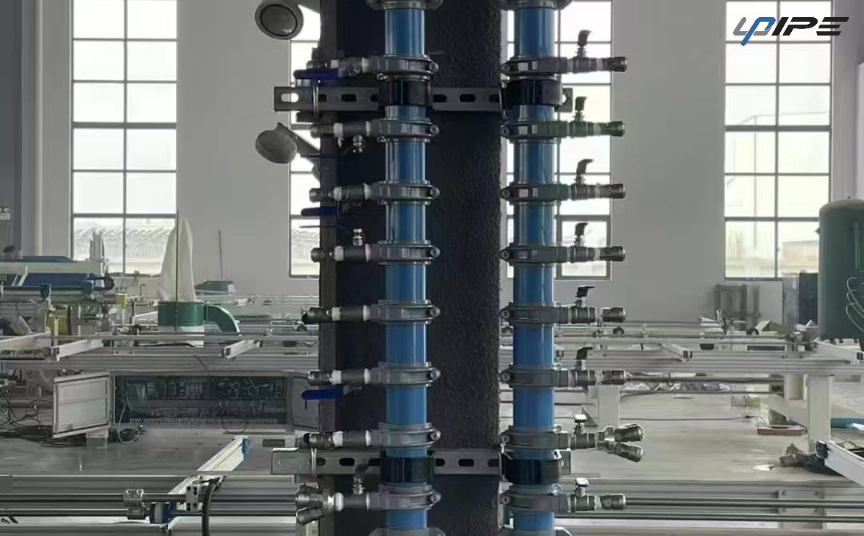
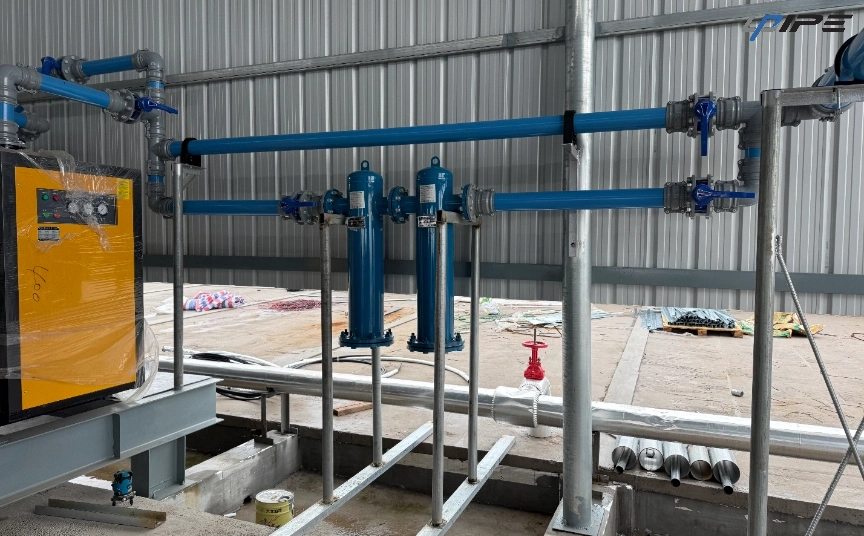
Aluminum pipes, like Upipe, have many good points. They are light and strong. They are easy to put in. Aluminum pipes last over 30 years, even in tough places. The smooth inside keeps pressure steady and helps machines work well.
Key Performance Metric
Description
Proper Pipe Sizing
Makes air flow better and keeps pressure steady.
Minimizing Pressure Drop
Saves energy and makes the system work better.
Durability of Aluminum Piping
Lasts longer and leaks less, so you save money.
Plastic pipe
Plastic pipes, like PVC, look cheap at first. But they are not safe for compressed air. OSHA does not allow PVC pipes because they can burst. Plastic pipes get old fast and can break from heat or pressure. For safety, pick aluminum, copper, or steel pipes.
Factories can be humid and have lots of fibers in the air. These things can make steel pipes rust and copper pipes get blocked. Modular aluminum systems, like Upipe, use pure aluminum. They do not use recycled materials. This makes the pipes very strong against corrosion. The thick walls give extra strength. Pipes last longer even when it is damp. You get clean air for your machines. This helps keep fabric free from stains and defects.
Lightweight and easy installation
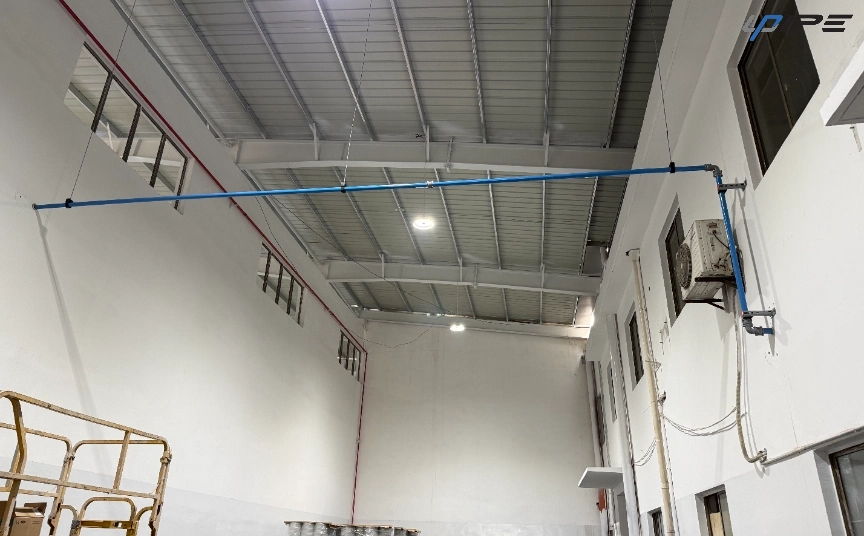
Aluminum pipes are much lighter than steel or copper pipes. This makes them easier to carry and install. Projects finish faster and need less effort. Upipe’s modular design has raised rings for bigger pipes. This helps workers install pipes even quicker. You do not need big machines or large teams. Maintenance teams can fix pipes fast.
Aluminum pipes and modular fittings help set up quickly. This means less waiting and lower labor costs.
Lightweight installation
Aluminum is light, so it is easy to move and install. This helps workers and saves time.
You save time and money on labor. Your factory starts running sooner. You do not have long shutdowns for repairs or upgrades.
Energy savings and leak prevention
Energy costs can be high in factories. Modular aluminum systems help you save energy. The inside of Upipe pipes is smooth. Air moves easily with less resistance. This lowers pressure drops and helps machines work better. Advanced connectors and special seals stop leaks. They work even if pipes shake or move.
Their light weight and strong build let you make new designs without losing performance.
Airtight details in aluminum systems stop air leaks. This saves energy and makes the system work well.
You use less electricity for your compressors. You also avoid expensive air leaks. Your compressed air pipeline stays efficient and reliable.
Long-term value
Choosing a modular aluminum system is a smart investment. Upipe pipes last for many years, even in tough factory conditions. Connectors are made strong and can handle high pressure. Special shapes in tees, elbows, and quick drops lower pressure loss and protect pipes. Anti-vibration clamps and gooseneck designs stop damage from movement and water.
Note: Upipe’s packaging uses special fabric and plastic to keep pipes clean before installation. This stops dirt from getting in and keeps your system working well from the start.
You spend less money fixing or replacing pipes. Your factory gets steady, clean air and fewer stops. Modular aluminum systems help your business grow and give you peace of mind.
Fittings and connections for compressed air pipeline
Compression fittings
Compression fittings help you join pipes quickly and securely. You do not need special tools or welding. You slide the pipe into the fitting and tighten it with a nut. This action squeezes a ring around the pipe, making a tight seal. You can use compression fittings for both small and large pipes. They work well in textile factories because they save time during installation. If you need to change your system, you can remove and reuse these fittings. This flexibility helps you keep your compressed air system running with less downtime.
Press fittings
Press fittings use a different method to connect pipes. You push the pipe into the fitting and use a pressing tool to lock it in place. The tool squeezes the fitting, creating a strong and permanent seal. Press fittings are fast and reliable. You do not need open flames or glue. This makes your work area safer. Many textile factories choose press fittings for their speed and strength. You can finish large projects quickly and keep your system safe from leaks.
Leak prevention and reliability
Leaks can waste a lot of energy in your compressed air pipeline. You want to stop leaks before they start. Aluminum air pipe fittings give you secure, leak-free connections. These fittings help you keep your system efficient and lower your energy costs. Aluminum fittings are light and resist corrosion. This means they last longer and keep your system strong. When you use high-quality fittings, you protect your machines and keep your factory running smoothly. Reliable connections help you avoid costly repairs and production stops.
Tip: Always check your fittings during routine inspections. Tighten or replace them if you find any signs of wear.
Solving textile factory challenges
Humidity and condensation
Textile factories often have trouble with humidity and water. Water inside pipes can make rust and scale. This hurts your pipes and machines. Moisture can break pneumatic valves and cylinders. Sometimes, water washes away oil or turns into ice. Too much water can ruin paint and help bacteria grow.
You can fix these problems with a modular aluminum system. Aluminum does not rust, so you avoid rust and scale. Upipe’s gooseneck shape stops water from going back into pipes. Anti-vibration clamps keep your system safe from shaking. Special seals keep your compressed air pipeline dry and clean. You get better air and save on energy costs.
Tip: Check your pipes often to find water problems early. Clean pipes and good seals protect your machines.
Lint and airborne fibers
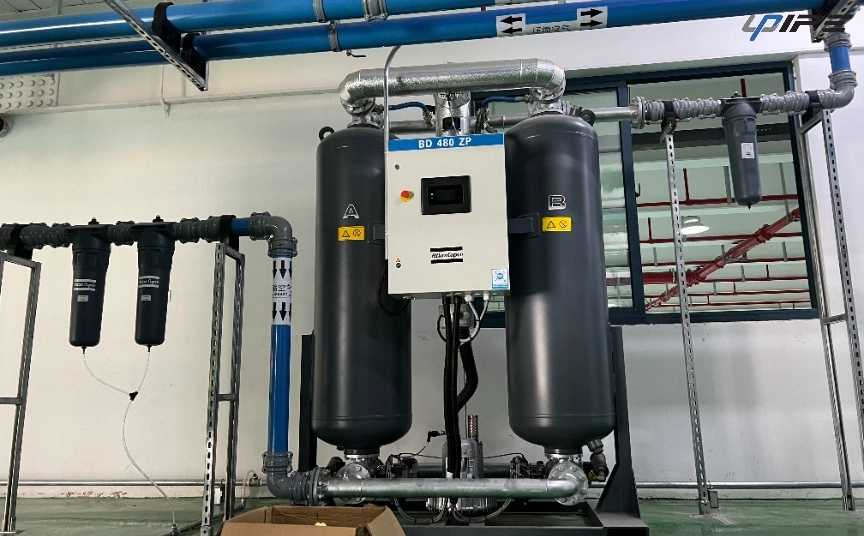
Lint and fibers float in the air in textile factories. These tiny pieces can block pipes and make air dirty. Filtration systems catch lint and fibers before they spread. They help keep your factory clean and improve airflow.
Compressed air systems power cleaning tools on the floor. Yarn and fabric cleaning stations use air nozzles to blow away dirt. This stops defects and keeps your products the same. You should clean and check your system often. Strong seals and smooth pipes in modular aluminum systems help stop blockages.
Filtration systems lower fiber in the air.
Cleaning tools using compressed air remove lint right away.
Cleaning and checking your system often keeps it working well.
System scalability and flexibility
You need a system that can grow with your business. Modular aluminum systems let you cut, drill, and put pipes together fast. You can change or add to your layout without welding. This makes it easy to grow and meet new needs.
Manufacturers can change layouts quickly. Modular aluminum systems help you adapt for a long time. You can add machines or move equipment as your factory grows. Upipe’s connectors and modular parts make adding more pipes easy.
Note: Flexible systems help you stay ahead and meet new production needs.
Plan your compressed air system before you install it. Put main lines high up so they stay safe. Use straight pipes and gentle bends for smooth air flow. Do not use sharp turns or long pipes. These can cause pressure drops. Place machines that use air close together. This makes pipes shorter and saves energy. Label pipes clearly so you can find them during maintenance. A good layout keeps your system safe and easy to manage.
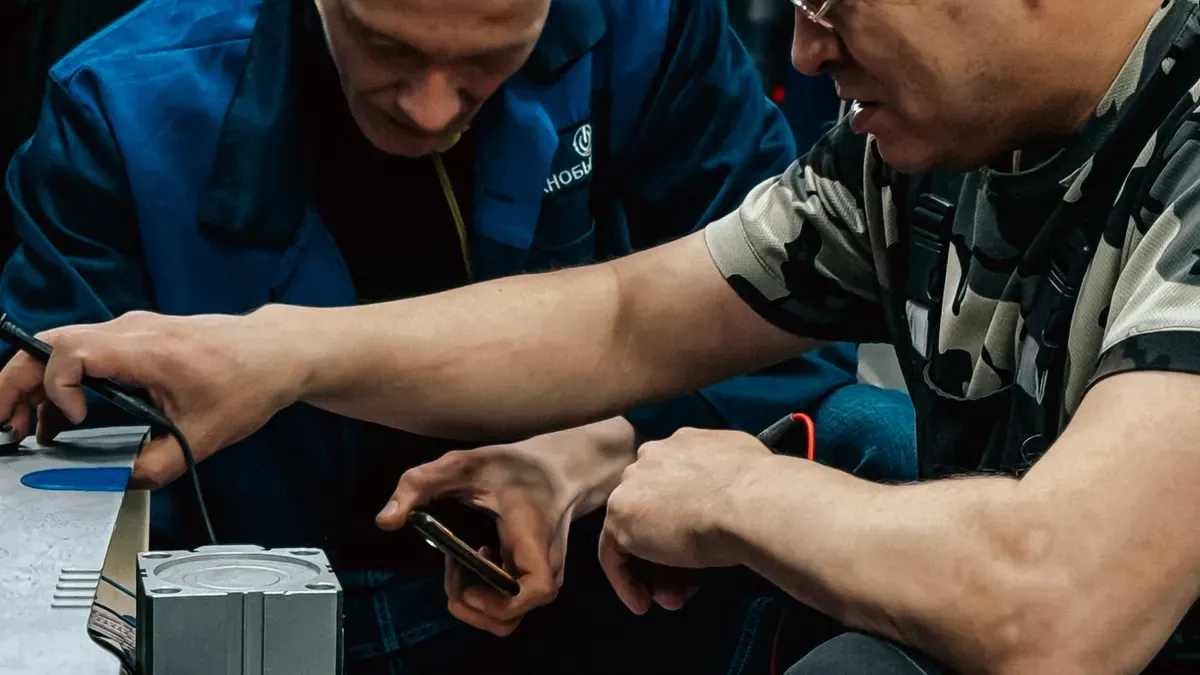
Use special tools to find leaks by their size and type.
Inspection Conditions
Make sure there is good light and control the environment for accurate checks.
Data Recording and Analysis
Write down what you find to track your system over time.
Safety Protocols
Wear protective gear and follow safe steps when using chemicals for leak tests.
Check your system often and write down what you see. Fix leaks right away to save energy and avoid big repairs.
Optimizing system performance
You can make your compressed air system work better with smart steps. Start with a full check to find ways to save energy. Add air storage tanks to keep pressure steady during busy times. Use Variable Speed Drive (VSD) to match compressor output to what your factory needs. Try load-shedding to balance air use when it is busy. Watch your system and change settings as needed.
A good maintenance plan lowers costs and makes your system reliable. You get better air for your machines. Taking care of your system saves energy and helps your equipment last longer. You can use heat from compressors for other heating in your factory. Good maintenance keeps your compressed air pipeline running well and helps your production goals.
You need a compressed air pipeline that gives clean, steady air. It should also help you save money as time goes on. Modular aluminum systems like Upipe are very reliable. They work well and last a long time in textile factories. When picking a system, look at a few things. Check the dryer, keep filters clean, and look for leaks. Make sure you manage pressure and keep the right papers. For the best results, ask experts or suppliers who understand your needs.
FAQ
What makes modular aluminum pipelines better for textile factories?
You get strong, lightweight pipes that resist rust and leaks. Aluminum pipes like Upipe install quickly and last longer. They keep your air clean and steady, which helps your machines work better.
How do I prevent leaks in my compressed air system?
Check your pipes and fittings often. Use high-quality connectors and seals, like those in the Upipe system. Tighten loose parts right away. Regular inspections help you find and fix leaks before they waste energy.
Can I expand my pipeline system as my factory grows?
Yes! Modular aluminum systems let you add or move pipes easily. You can change your layout without welding or special tools. This flexibility helps you keep up with new machines or production needs.
Is aluminum safe for use with compressed air?
Aluminum is very safe for compressed air. It does not rust or break easily. Upipe uses pure aluminum with thick walls for extra strength. You get a safe, reliable system for your factory.
How often should I inspect my compressed air pipeline?
Inspect your system at least once every year. Look for leaks, loose fittings, or signs of wear. Write down what you find. Fix problems quickly to keep your air supply clean and steady.
This website uses cookies to provide you with a safer and more personal experience. By accepting, you agree to the Cookie Policy and the use of cookies for advertising and analytics purposes.