UPIPE air pipe system solutions help reduce pressure drop, air leakage, and energy waste through smooth aluminum piping, efficient fittings, and secure connections.
Compressed air efficiency is often discussed in terms of compressor capacity, but the distribution route can be just as important. If an air pipe system creates excessive resistance, unstable pressure, or leakage, the energy generated by the compressor is not delivered efficiently to the point of use. Poor routing, restrictive fittings, long runs, and unsuitable connections can gradually increase operating costs while making pneumatic equipment more sensitive to pressure fluctuations.
For industrial facilities, effective piping design should therefore focus on preserving airflow rather than simply moving compressed air from one location to another. UPIPE develops aluminum piping solutions around this principle, combining smooth internal surfaces, flow-directed fittings, secure sealing components, and flexible installation methods to support low-pressure-loss compressed air distribution.
Why Pressure Drop Starts with Air Distribution Design
Pressure loss develops as compressed air travels through straight pipes, bends, tees, valves, connectors, and other components. The longer and more complicated the route becomes, the more opportunities there are for airflow resistance to accumulate. An undersized pipe can increase friction, while excessive fittings can introduce additional changes in airflow direction and reduce effective flow capacity.
The result is often a difference between pressure at the compressor and pressure available at production equipment. When downstream pressure becomes unstable, operators may increase compressor pressure to compensate. This can increase energy consumption without addressing the original restriction. A better approach is to evaluate pipe sizing, routing, fitting geometry, connection quality, and overall airflow demand during the design stage.
Key factors that influence pressure loss
| Design factor | Potential effect | Recommended focus |
|---|
| Pipe diameter | Higher resistance when undersized | Match diameter to airflow demand |
| Internal surface | Influences friction and contamination | Maintain a clean, smooth passage |
| Pipe routing | Longer routes increase resistance | Keep runs practical and direct |
| Fittings | Direction changes create resistance | Use efficient flow paths |
| Connections | Poor sealing can cause leakage | Use secure, consistent sealing |
| Future expansion | Can overload existing branches | Allow flexibility during planning |
A well-planned industrial air pipe system should balance these factors instead of focusing on a single component. This approach helps maintain pressure stability from the main line to individual points of use.
How Aluminum Piping Supports Lower Resistance
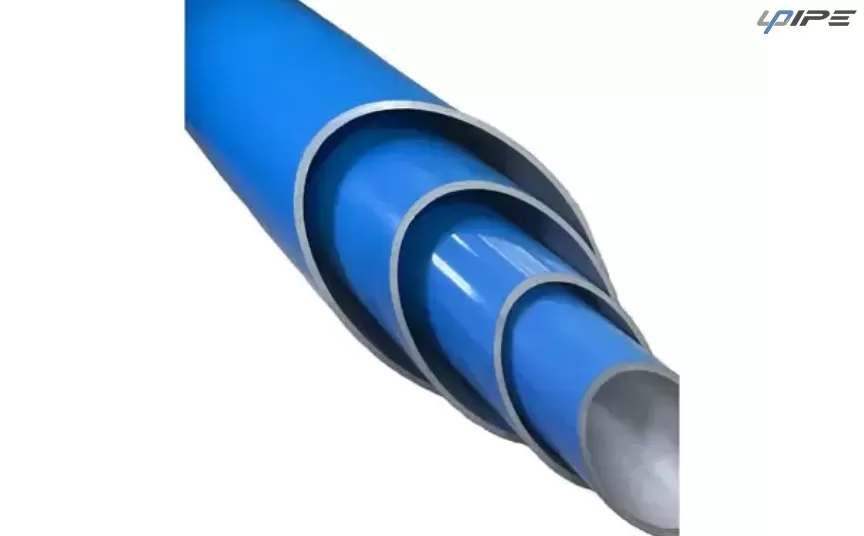
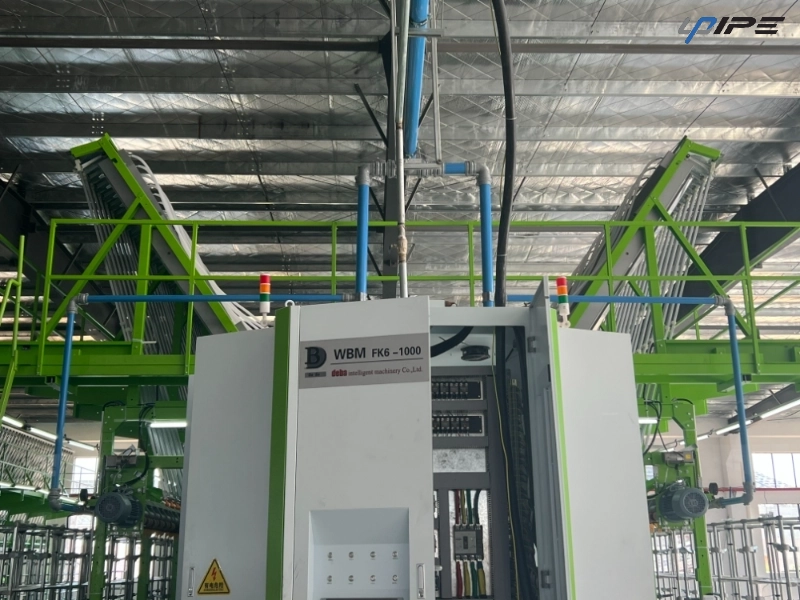
Material selection has a direct influence on long-term airflow performance. Aluminum is naturally resistant to corrosion, and a properly manufactured aluminum pipe provides a clean internal passage without the rust and scale accumulation associated with aging steel piping. UPIPE uses pure aluminum construction and precisely prepared pipe ends to support consistent installation and airflow.
The internal surface matters because compressed air must travel through the entire distribution route under pressure. Roughness, corrosion, or accumulated debris can increase resistance over time. By maintaining a smooth internal passage, an aluminum compressed air pipe can help reduce unnecessary friction and preserve airflow quality throughout long operating periods.
This benefit becomes particularly relevant when a facility has multiple production areas with different air requirements. Stable flow through the main pipeline provides a stronger foundation for distributing air to branches, drops, pneumatic tools, and automated equipment.
Fitting Geometry Matters Beyond Straight Pipe Runs
Selecting a suitable pipe alone does not guarantee efficient airflow. Elbows, tees, valves, and quick drops can significantly influence the resistance of an air distribution network because every change in direction affects how compressed air moves through the passage.
UPIPE incorporates flow-directed designs into key fittings to help reduce unnecessary turbulence and maintain a more effective flow path. Full-size flow passages also help limit restrictions at connection points. These details are important because the performance of an air pipe system design depends on the complete route rather than the straight pipe sections alone.
A practical design should therefore avoid unnecessary bends and excessive branch connections. Where direction changes are unavoidable, appropriately designed elbows and tees can help preserve the available flow area while keeping the network easier to maintain.
Air Leakage Can Turn Pressure Loss into Energy Waste
Not every pressure problem is caused by friction. Leakage is another major source of compressed air loss, particularly around fittings, joints, valves, and sealing areas. A small leak may appear insignificant at one connection, but multiple leakage points across a large facility can increase compressor workload and reduce the amount of usable air reaching production equipment.
For this reason, connection design should be considered as important as pipe material. UPIPE combines dedicated sealing components with precision connections intended to maintain dependable joints under industrial operating conditions. Proper installation and suitable pipe support are also important because vibration and mechanical movement can gradually affect sealing performance.
An effective compressed air piping solution should aim to prevent leakage rather than rely entirely on periodic repair. Fewer unnecessary joints, accurate cutting, secure connections, and suitable support can collectively reduce the number of potential leakage points.
Planning the Layout Around Actual Air Demand
Pipe sizing should begin with the expected airflow rather than selecting a diameter simply because it is commonly used. Engineers need to consider total consumption, peak demand, distance from the compressor, simultaneous equipment operation, and the number of outlets required in each production zone.
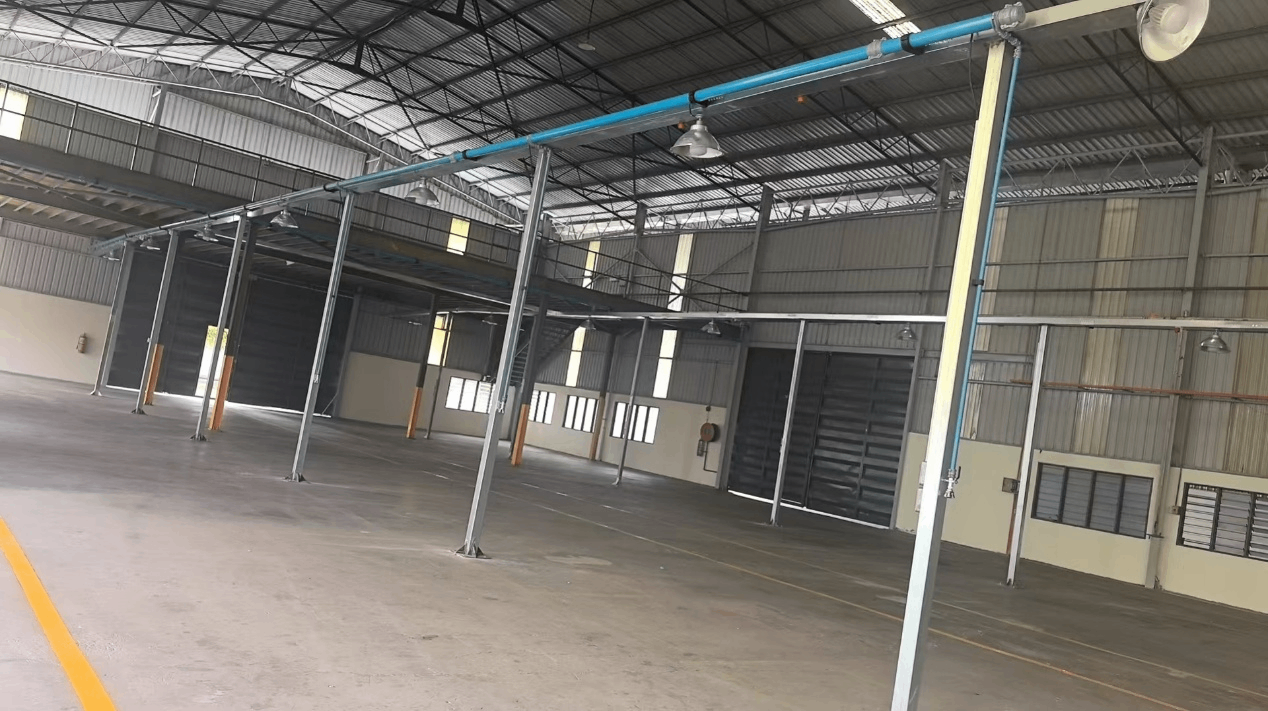
Routing is equally important. Long and indirect pipelines create more opportunities for pressure loss. A practical layout keeps the main distribution route efficient while positioning branches close to the equipment that requires air. For larger facilities, looped or balanced layouts can help distribute airflow more evenly than a simple long branch arrangement.
Condensate management should also be considered during planning. Drain points, appropriate take-off positions, and suitable slopes can help prevent accumulated moisture from reaching downstream equipment. A carefully designed factory air piping network therefore considers airflow, moisture management, access, maintenance, and future changes together.
Installation Efficiency Affects Long-Term Performance
Installation quality can influence the performance of even a well-designed pipeline. Misalignment, poorly prepared pipe ends, damaged seals, or excessive mechanical stress can create problems that are difficult to identify after the network is commissioned.
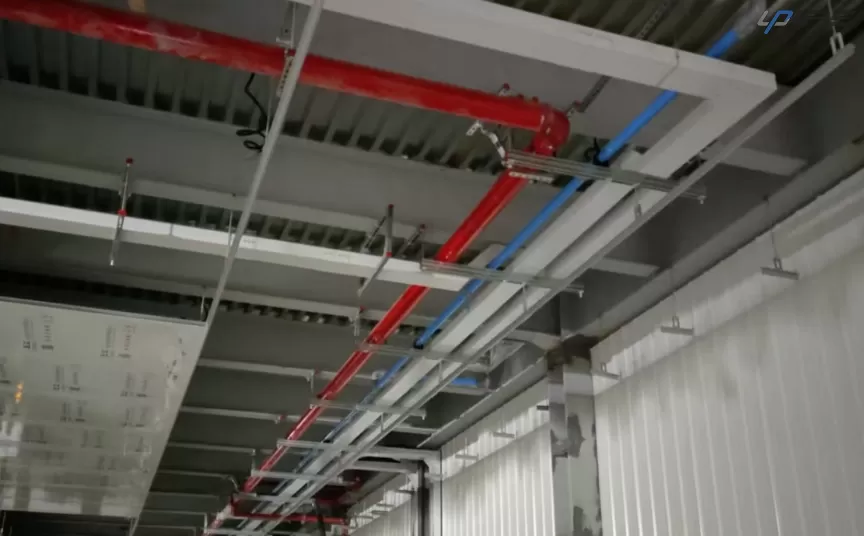
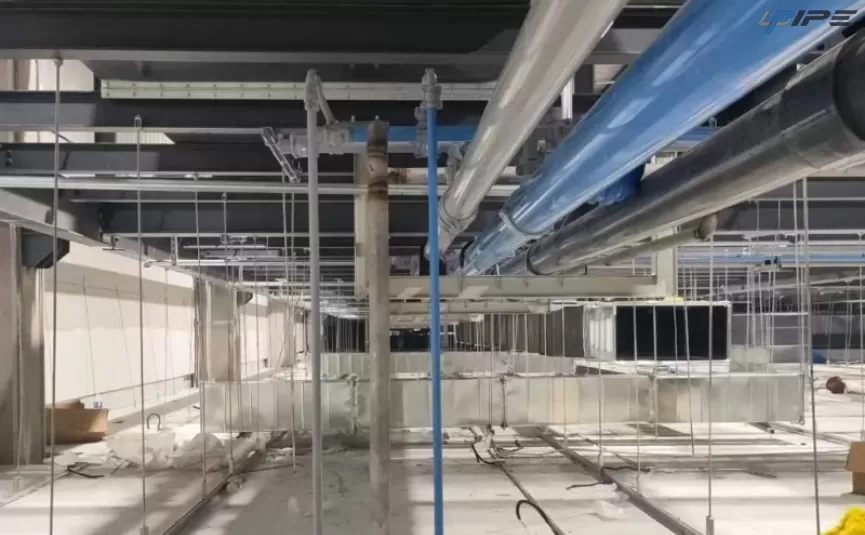
Aluminum piping offers an installation advantage because it is lightweight and designed for modular connection. UPIPE's range includes connectors, elbows, tees, quick drops, valves, clamps, sealing components, and other accessories that allow the distribution route to be assembled without relying on conventional welded steel construction.
This modular approach also makes future adjustments more practical. Manufacturing layouts can change when equipment is relocated or additional workstations are introduced. A flexible industrial compressed air piping layout can accommodate these changes with less disruption than a rigid network that was designed without expansion in mind.
Designing for Efficiency Instead of Compensating for Loss
When production equipment receives insufficient pressure, increasing compressor output may appear to be the fastest solution. However, if the underlying problem is excessive piping resistance or leakage, additional compressor capacity does not remove the source of the loss. It may simply increase the amount of energy required to compensate for inefficient distribution.
A better strategy is to evaluate the air route from the compressor to the point of use. Pipe diameter, internal surface condition, routing distance, fitting design, sealing performance, and support should all be reviewed as connected elements.
UPIPE focuses on these details through aluminum pipe construction and coordinated components designed for efficient compressed air distribution. The objective is not simply to provide a lightweight pipe, but to create a cleaner and more controlled airflow path with fewer unnecessary restrictions.
A Practical Framework for Selecting an Air Pipe Network
When evaluating an air pipe system for industrial applications, buyers should look beyond material and purchase price. A lower initial cost may not represent the actual lifecycle cost if the network produces excessive pressure loss, frequent leaks, difficult maintenance, or complicated modifications.
Consider the following points before final selection:
Required airflow and peak consumption
Main pipe and branch diameter
Total pipeline distance
Number and type of fittings
Internal surface condition
Connection and sealing method
Vibration and mechanical support
Condensate drainage
Accessibility for maintenance
Potential future expansion
This broader evaluation helps engineers select a distribution solution based on operating requirements rather than a single specification. It also makes it easier to identify where energy losses are being introduced before installation begins.
FAQ
What causes pressure drop in an air pipe system?
Pressure drop can result from undersized pipes, long runs, excessive bends, restrictive fittings, poor routing, and internal surface resistance. Leakage can further reduce the pressure available at the point of use.
Why is aluminum suitable for compressed air piping?
Aluminum provides a lightweight, corrosion-resistant material with a smooth internal surface. These characteristics can support clean airflow, lower resistance, easier installation, and reduced maintenance requirements compared with aging corrosion-prone piping.
How can piping design reduce energy loss?
Energy loss can be reduced by selecting appropriate pipe diameters, minimizing unnecessary bends, maintaining efficient airflow paths, preventing leakage, and using fittings that do not unnecessarily restrict the flow passage.
Do fittings affect compressed air pressure?
Yes. Elbows, tees, valves, and connectors change airflow direction or restrict the available passage. Efficient fitting geometry can therefore help reduce unnecessary resistance throughout the distribution route.
What should be considered before upgrading factory piping?
Start with actual airflow demand, pressure requirements, existing leakage points, pipe routing, fitting condition, condensate management, and future expansion needs. This provides a more complete basis for selecting an air pipe system than evaluating pipe material alone.