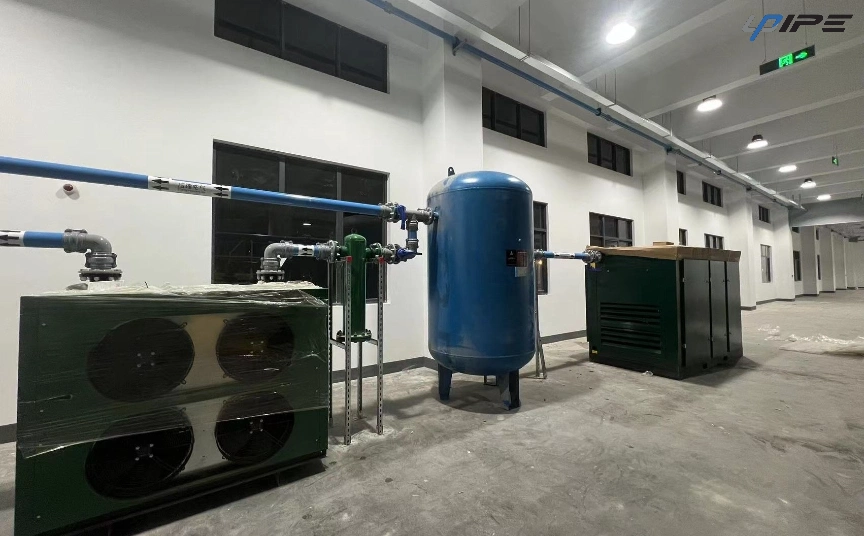
Industrial factories worldwide are under constant pressure to reduce operational costs while improving efficiency. One of the most overlooked but impactful areas is the compressed air network. Many factories still rely on outdated steel piping, resulting in energy losses, maintenance issues, and system inefficiencies. Upgrading to aluminum air piping systems can be transformative, not only for reducing energy consumption but also for long-term operational performance. In this blog post, UPIPE, as high performance blue aluminium air pipe manufacturer, will share how aluminum air piping systems improve energy efficiency in factories.
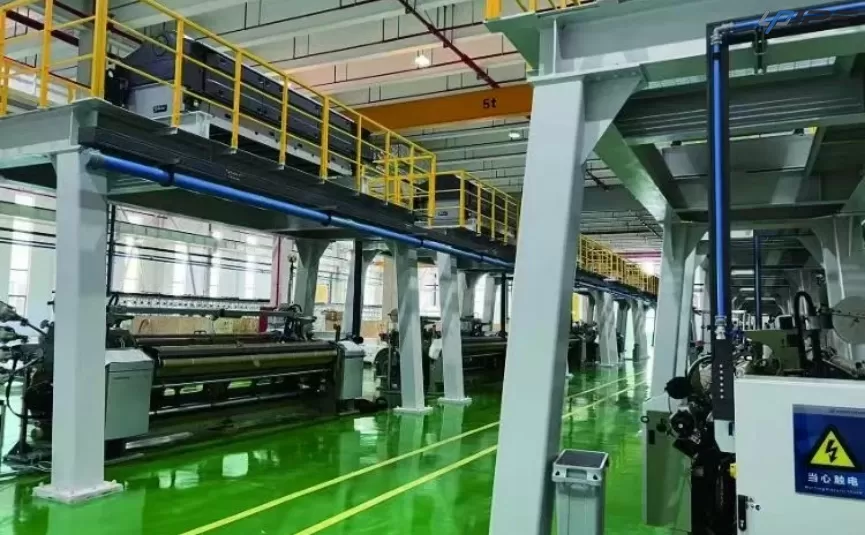
Benefits of Aluminum Air Piping Systems in Industrial Settings
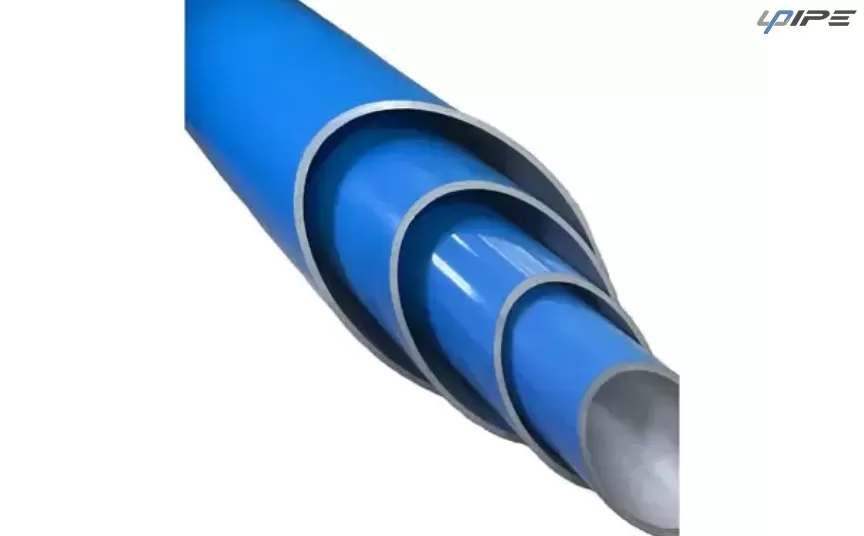
Aluminum air piping systems are increasingly preferred across industries due to their lightweight yet durable construction. Unlike traditional steel pipes, aluminum pipes resist corrosion naturally, reducing the need for frequent replacements or coatings. Their modular design allows easy adjustments or expansions in factory layouts, which is essential for flexible manufacturing environments.
In addition, aluminum piping exhibits lower internal friction, improving airflow efficiency. Reduced friction means compressors consume less energy to maintain pressure, directly contributing to factory energy efficiency.
Energy Savings Through Reduced Pressure Drop
One of the critical factors in compressed air efficiency is pressure drop. Pressure drop occurs when air moves through pipes and encounters resistance. In traditional steel or plastic piping, rough surfaces, rust buildup, and bends significantly increase pressure drop, forcing compressors to work harder.
Aluminum pipes, with their smooth interior surfaces, minimize friction losses. Factories that switch to aluminum piping often report up to 15-20% reduction in compressor energy consumption. Long-term, this leads to substantial savings on electricity bills and lowers the overall carbon footprint of production facilities.
Easy Installation and Maintenance for Continuous Efficiency
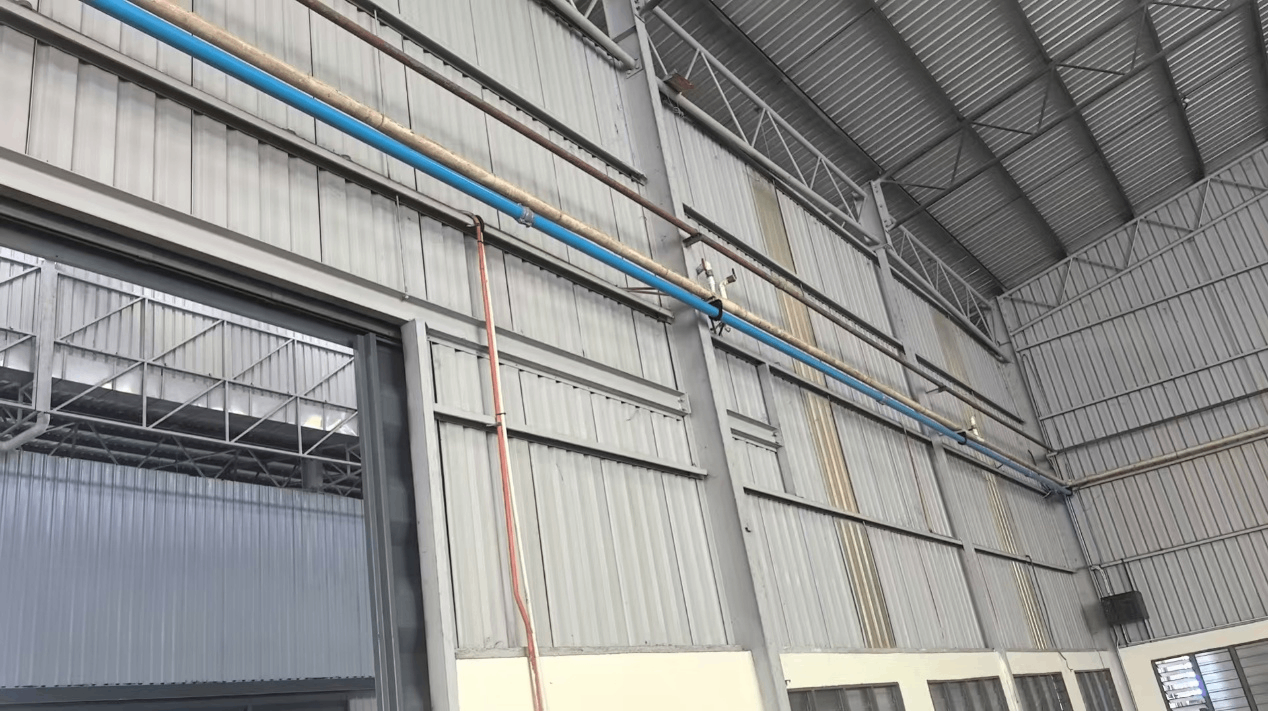
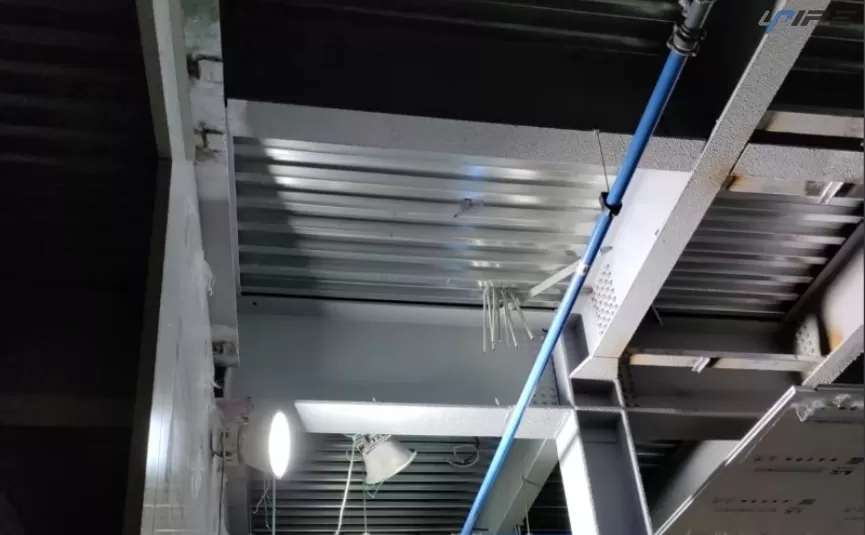
Installing aluminum air piping systems is faster and less labor-intensive compared to welding steel pipes. Modular aluminum systems use push-to-connect fittings or flanged connections, allowing factories to expand or reconfigure compressed air networks without shutting down production lines.
Maintenance is equally simple. Aluminum does not rust, so there is less risk of internal corrosion or contamination in the compressed air system. Clean, unobstructed airflow ensures consistent pressure delivery to critical equipment, improving both energy efficiency and production reliability.
Long-Term Cost Benefits Beyond Energy Savings
While aluminum piping systems may involve a higher upfront cost than some alternatives, the total cost of ownership is lower in the long term. Reduced maintenance, extended lifespan, and lower energy consumption combine to create a favorable return on investment (ROI).
Moreover, modular aluminum systems reduce downtime during expansions or repairs. Factories can reconfigure layouts without cutting or welding, which not only saves labor costs but also maintains operational continuity—a critical factor in high-volume production environments.
Aluminum Piping Systems in High-Pressure Industrial Applications
Many factories operate compressed air networks at high pressures to power machinery and automation systems. Aluminum air piping systems are specifically engineered to withstand these pressures safely. Reinforced aluminum sections and secure fittings prevent leaks, which are a major source of wasted energy in compressed air systems.
In industries such as automotive assembly, electronics manufacturing, and food processing, where precise air delivery is crucial, aluminum piping ensures efficiency without compromising safety.
Environmental Impact and Sustainability
Factories are under increasing pressure to adopt environmentally friendly practices. Switching to aluminum air piping systems contributes to sustainable factory operations in several ways:
Lower energy consumption: Less energy for compressors means reduced greenhouse gas emissions.
Recyclable materials: Aluminum is highly recyclable, supporting circular economy goals.
Reduced material waste: Modular designs allow only the necessary sections to be installed or replaced, minimizing scrap.
By choosing aluminum air piping, factories not only cut operational costs but also demonstrate a commitment to environmental responsibility—a factor increasingly valued by clients and investors alike.
Choosing the Right Aluminum Air Piping System
Selecting the ideal system requires understanding the factory’s specific needs. Factors to consider include:
Pipe diameter and airflow requirements: Correct sizing ensures minimal pressure drop.
System layout flexibility: Modular systems are preferred for dynamic production lines.
Pressure ratings: Ensure the system can handle peak operating pressures safely.
Fittings and connections: High-quality push-to-connect or flanged fittings reduce leak risk.
Consulting with experienced suppliers can provide tailored recommendations that align with production volume, energy goals, and budget constraints.
Case Studies and Real-World Applications
Several factories have successfully improved energy efficiency by transitioning to aluminum air piping systems:
Automotive Parts Manufacturer: Reduced compressor energy use by 18% while maintaining consistent air pressure for automated assembly lines.
Food Packaging Plant: Modular aluminum piping allowed rapid reconfiguration for seasonal production changes, cutting downtime by 30%.
Electronics Factory: Leak-free aluminum network improved compressed air efficiency and reduced contamination risks for sensitive equipment.
These examples highlight the practical advantages of aluminum air piping beyond theoretical energy savings, showing measurable improvements in efficiency, cost, and operational reliability.
Integrating Aluminum Air Piping with Smart Factory Technology
In modern smart factories, monitoring and controlling compressed air systems is critical. Aluminum air piping integrates seamlessly with flow meters, pressure sensors, and IoT-based monitoring tools. Real-time data allows predictive maintenance and continuous optimization of air consumption, further enhancing factory energy efficiency.
Automation and data analytics enable factories to detect minor leaks or pressure inconsistencies before they become major issues, ensuring that the energy efficiency benefits of aluminum piping are sustained over time.
Conclusion: A Strategic Move for Energy-Efficient Factories
Switching to aluminum air piping systems is not just a material upgrade—it is a strategic step toward energy efficiency, cost reduction, and operational flexibility. From reducing pressure drop and maintenance costs to supporting sustainability initiatives, aluminum piping delivers tangible benefits for modern factories.
By choosing the right aluminum air piping system, factories can achieve significant energy savings, improve production reliability, and maintain a competitive edge in an increasingly efficiency-focused industrial landscape.