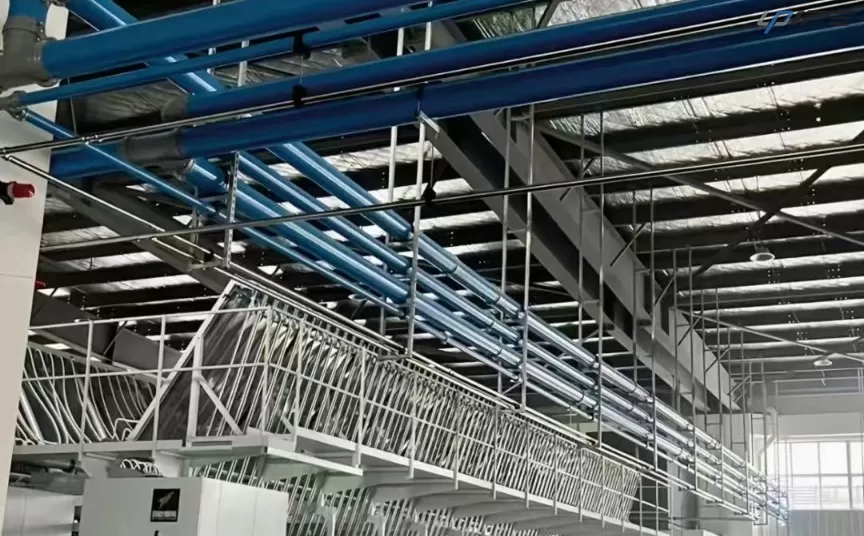
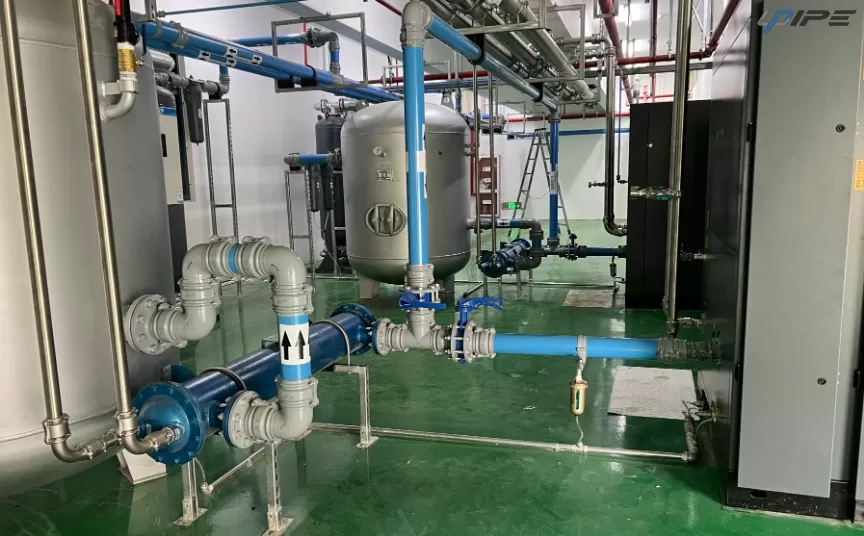
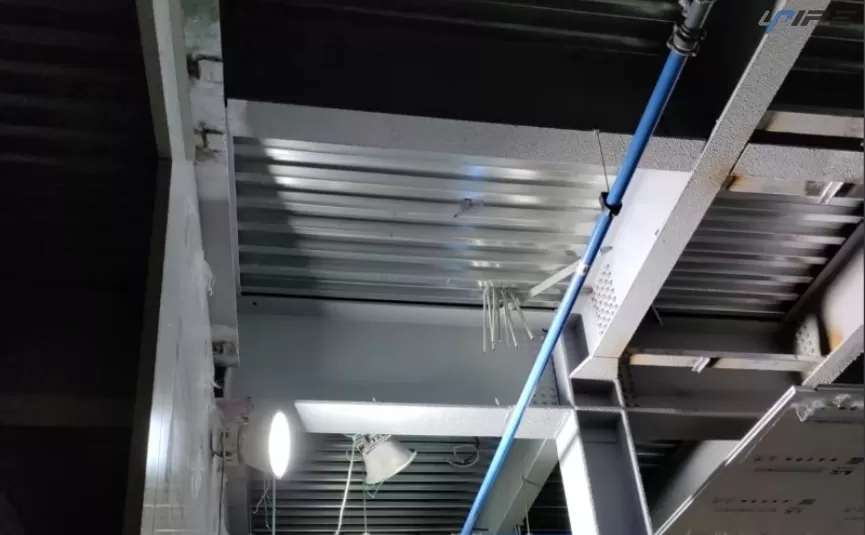
An aluminium air pipe line for industry use is increasingly specified in these plants because it aligns with how modern factories are designed and expanded.
Production Environments That Demand Stable Compressed Air Architecture
Automotive and machinery plants operate under continuous-load production logic. Assembly lines, CNC machining centers, robotic welding cells, and automated handling systems depend on uninterrupted compressed air delivery. In such environments, the air pipe network is not a peripheral utility but a structural part of production reliability. Any pressure instability, leakage accumulation, or maintenance interruption directly translates into downtime risk.
An aluminium air pipe line for industry use is increasingly specified in these plants because it aligns with how modern factories are designed and expanded. Unlike legacy piping layouts that were built once and tolerated inefficiencies, current automotive and machinery facilities prioritize modularity, predictability, and long-term operating cost control across the entire compressed air infrastructure. In this blog post, as high quality blue aluminum compressed air pipes manufacturer, UPIPE will share the aluminum air pipe lines for industrial use in automotive and machinery plants.
How Aluminium Pipe Networks Support High-Duty Manufacturing Cycles
Machinery and automotive plants typically operate in multi-shift cycles, often exceeding 6,000–8,000 operating hours annually. Under these conditions, the internal condition of air distribution pipelines becomes a decisive factor in system performance.
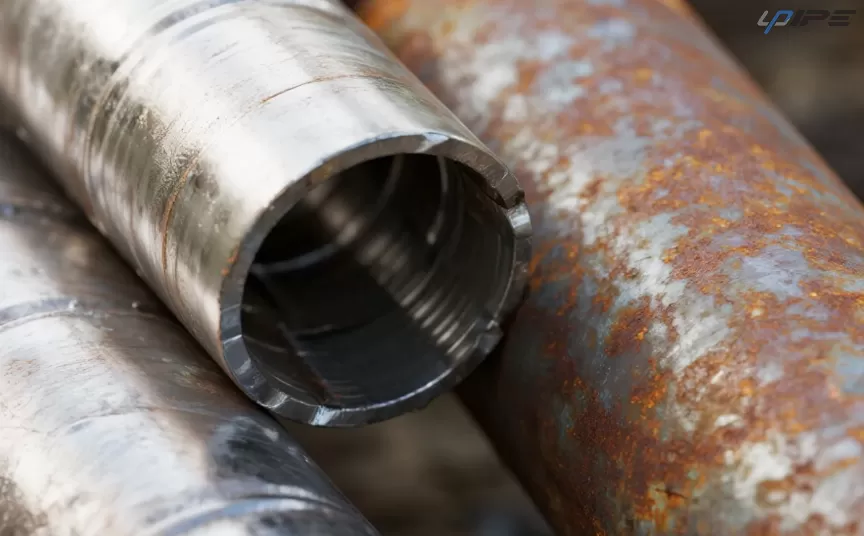
Aluminium air piping systems are engineered to maintain stable internal surfaces over long service periods. Unlike carbon steel pipelines that progressively generate internal oxidation and scale, aluminium pipelines preserve a consistent internal diameter. According to data published by the Compressed Air & Gas Institute (CAGI), internal pipe degradation can increase pressure loss by more than 15% within five years in untreated steel systems, especially in humid compressor rooms.
In contrast, aluminium air pipe lines for industrial use reduce turbulence-related losses, helping maintain consistent downstream pressure at pneumatic tools, actuators, and control valves—an operational requirement in precision machining and automated assembly.
Air Quality Control in Automotive and Machinery Manufacturing
In automotive body shops and machinery assembly halls, compressed air often comes into indirect contact with sensitive processes: paint spraying, sealing, air bearings, pneumatic measurement devices, and tool actuation. Contaminants introduced by the air distribution system itself are frequently overlooked.
Aluminium pipe systems contribute to air quality control by minimizing particle shedding inside the network. ISO 8573-1 air quality standards emphasize not only filtration at the compressor outlet but also cleanliness throughout the distribution system. Aluminium pipelines do not flake internally, which reduces particulate load reaching point-of-use equipment.
This characteristic is particularly relevant in machinery plants producing precision components, where compressed air contamination can affect spindle performance, sensor accuracy, or automated inspection systems.
System Layout Flexibility for Evolving Production Lines
Automotive and machinery plants rarely remain static. Model changes, line balancing, automation upgrades, and capacity expansion require frequent reconfiguration of utilities. Traditional welded steel pipe networks are rigid by nature, often discouraging optimization due to modification costs.
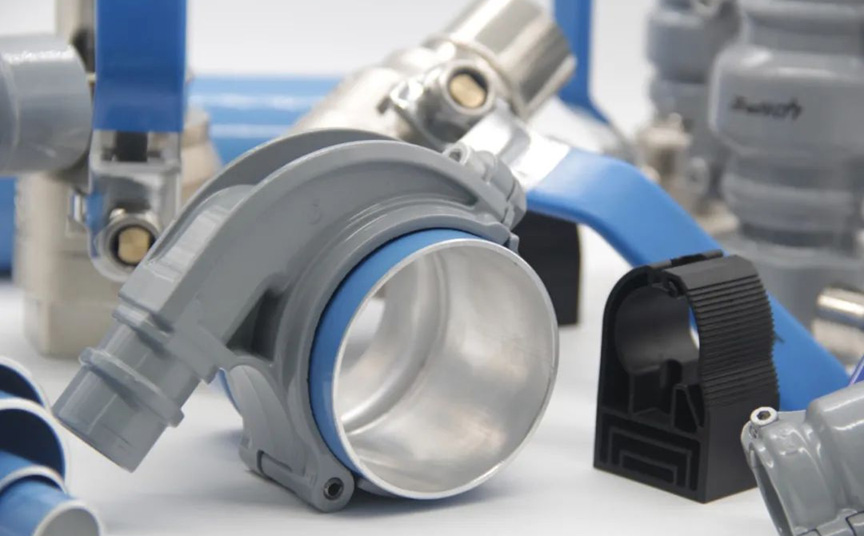
An aluminium air pipe line for industry use enables modular network architecture. Mechanical connections, standardized fittings, and lightweight components allow compressed air lines to be rerouted, extended, or isolated without shutdown of the entire system. This flexibility aligns with lean manufacturing principles and supports incremental automation upgrades.
A study by the European Compressed Air Association notes that modular piping systems can reduce modification labor time by over 60% compared to welded steel networks, a non-trivial advantage in plants where downtime windows are tightly controlled.
Leakage Management and Long-Term Energy Performance
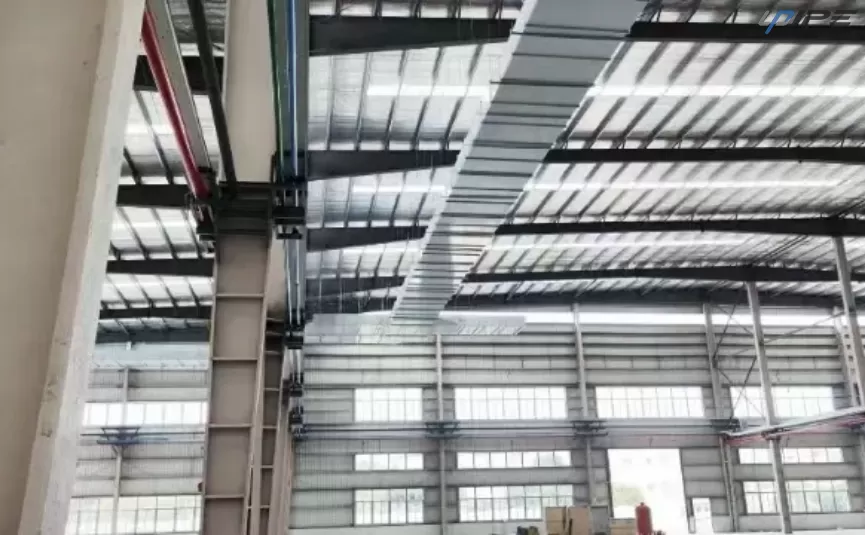
Compressed air is widely recognized as one of the most expensive forms of energy in manufacturing. The U.S. Department of Energy estimates that leakage accounts for 20–30% of compressed air consumption in typical industrial facilities, with poorly maintained systems exceeding 40%.
Leakage is not only a maintenance issue but a system design outcome. Aluminium air pipe networks rely on sealed mechanical joints that maintain integrity under vibration and thermal cycling common in machinery plants. This reduces the gradual development of micro-leaks associated with threaded or welded joints in conventional piping.
From an energy management perspective, reducing pressure drop and leakage across the distribution network can lower compressor load, extend service intervals, and improve system efficiency metrics tracked under ISO 50001 energy management programs.
Mechanical Compatibility With Industrial Equipment Zones
Automotive and machinery plants combine diverse operating zones: heavy machining areas, clean assembly zones, testing stations, and logistics corridors. Each zone imposes different mechanical and environmental stresses on air piping.
Aluminium piping systems provide a balance between mechanical strength and adaptability. Their lower mass reduces stress on ceiling structures and support frames, particularly relevant in retrofitted facilities. At the same time, their rigidity maintains alignment in areas with frequent equipment vibration, such as stamping lines or large machining centers.
This mechanical compatibility allows aluminium air pipe lines for industrial use to function reliably across mixed-use production environments without over-engineering or excessive reinforcement.
Installation Strategy and Workforce Efficiency
Installation time and labor skill availability are increasingly critical factors for overseas manufacturing projects. Automotive and machinery plants built or expanded under tight schedules cannot afford prolonged utility installation phases.
Aluminium air piping systems support faster installation with reduced dependency on specialized welding personnel. Mechanical assembly shortens project timelines and improves consistency across international projects where labor standards and certifications may vary.
Industry surveys conducted by Atlas Copco and Kaeser indicate that installation time for aluminium compressed air piping can be reduced by 40–50% compared to traditional welded systems, directly affecting project commissioning speed.
Compliance With Global Industrial Standards
Global automotive OEMs and machinery manufacturers operate under harmonized standards governing safety, energy efficiency, and system reliability. Air distribution networks must comply with pressure equipment directives, occupational safety requirements, and internal corporate engineering specifications.
Most aluminium air pipe line systems are designed to meet or exceed PED, ASME, and ISO pressure classifications commonly required in international plants. This compliance simplifies approval processes during factory audits and reduces the need for region-specific redesigns.
For suppliers serving multinational automotive groups, this standard alignment is essential for scaling projects across regions without requalification.
Lifecycle Cost Perspective Beyond Initial Installation
While initial installation cost is often considered during procurement, automotive and machinery plants increasingly evaluate compressed air infrastructure through lifecycle cost analysis. Maintenance frequency, energy consumption, modification cost, and downtime risk are all factored into total cost of ownership.
Aluminium air pipe lines for industry use demonstrate value in this broader evaluation framework. Lower internal degradation, reduced leakage rates, and simplified expansion contribute to predictable long-term performance. According to lifecycle cost models published by the British Compressed Air Society, distribution system efficiency improvements can deliver energy savings equivalent to 10–15% of total compressed air operating cost over a ten-year period.
For capital-intensive plants, these savings materially affect operating margins.
Strategic Role of Air Distribution in Smart Manufacturing
As automotive and machinery plants move toward Industry 4.0 architectures, utilities infrastructure is no longer isolated from digital management systems. Compressed air consumption is increasingly monitored, optimized, and linked to production KPIs.
Aluminium piping systems facilitate this transition by supporting easy integration of flow meters, pressure sensors, and monitoring points without invasive modifications. This enables real-time diagnostics, leakage detection, and performance benchmarking across production zones.
The International Energy Agency has highlighted compressed air optimization as a priority area for smart manufacturing energy reduction, particularly in automotive and heavy machinery sectors.
Aligning Aluminium Air Pipe Systems With Modern Plant Strategy
In automotive and machinery manufacturing, compressed air distribution is no longer a background utility. It is a strategic infrastructure layer that influences productivity, quality, and energy performance. An aluminium air pipe line for industry use aligns with how modern plants are built, operated, and continuously improved.
By supporting stable pressure delivery, air quality control, modular expansion, and lifecycle cost efficiency, aluminium air piping systems meet the operational realities of high-demand industrial environments. For manufacturers targeting long-term reliability rather than short-term fixes, the air distribution network deserves the same engineering attention as core production equipment