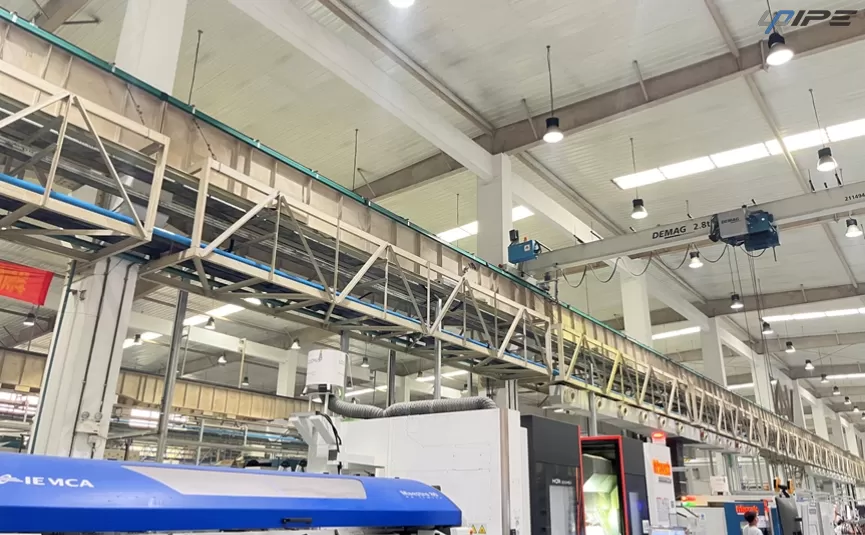
Reduce compressed air leakage and energy waste with aluminum air piping systems from UPIPE, designed for efficient airflow, corrosion resistance, and easier installation.
Why Air Leakage and Pressure Loss Increase Operating Costs
Compressed air is essential for production equipment, pneumatic tools, and automated manufacturing processes, but leakage and pressure loss can quietly increase operating expenses. When connections loosen, internal corrosion develops, or airflow encounters excessive resistance, compressors may need to work harder to maintain the required pressure. These losses can affect equipment performance and make energy consumption difficult to control. Aluminum air piping systems help address these challenges through corrosion-resistant pipework, smooth internal surfaces, and secure modular connections.
For industrial buyers, selecting piping is not simply a matter of comparing purchase prices. Pipe material, connection quality, airflow capacity, installation requirements, and future maintenance all influence long-term value. UPIPE provides aluminum alloy piping and compatible fittings for compressed air, vacuum, and inert gas applications, helping manufacturers build flexible distribution networks with reduced leakage risk and easier maintenance.
How Aluminum Pipe Design Helps Reduce Energy Waste
Pressure loss occurs when compressed air encounters friction, restrictive fittings, unnecessary bends, or undersized pipe sections. As resistance increases, downstream equipment may receive less pressure than required. Choosing a suitable pipe diameter and minimizing unnecessary flow restrictions are therefore important steps in improving air delivery.
Aluminum piping offers a smooth internal surface and corrosion resistance that can help maintain consistent airflow over time. Unlike materials that may develop internal rust, aluminum does not form iron rust, although surface condition and contamination still require appropriate control. With correctly sized pipes and well-designed connections, an industrial aluminum air piping network can help limit avoidable pressure losses and support more efficient compressor operation.
Connection Quality and Leak Prevention
Pipe joints are common leakage points, especially where vibration, poor alignment, damaged seals, or inconsistent installation affect connection integrity. Even small leaks can waste compressed air continuously, increasing compressor workload without contributing to production.
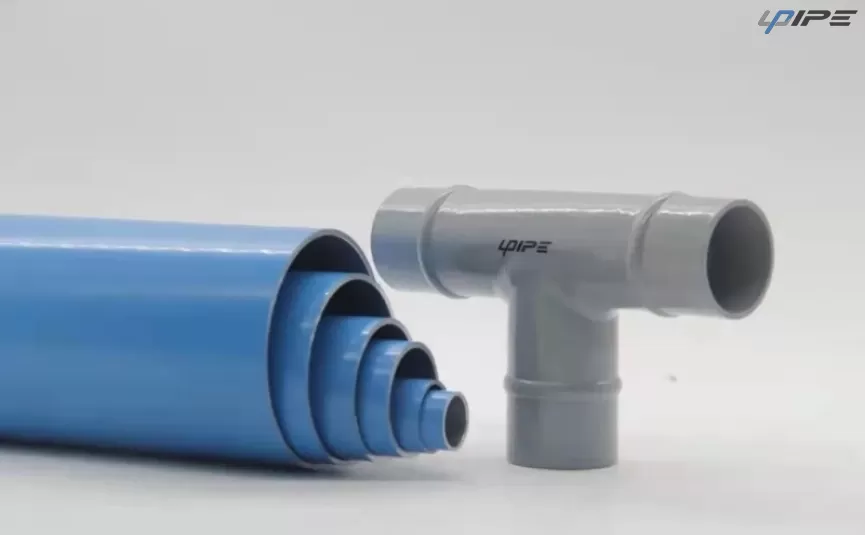
UPIPE aluminum pipe fittings are designed to provide secure connections and sealing performance. The range includes elbows, tees, pipe-to-pipe connectors, flanges, and quick drops for different distribution layouts. Choosing compatible fittings and following the correct installation procedure helps reduce leakage risks while making inspection and maintenance more manageable.
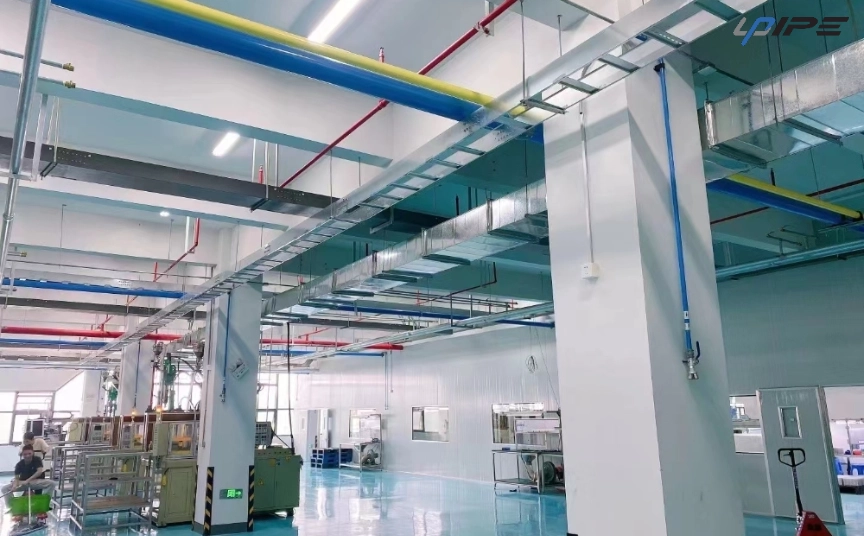
Choosing the Right Aluminum Air Piping Configuration
A suitable layout must account for air demand, operating pressure, pipe length, fitting quantity, and the number of equipment connections. A pipe that is too small can create unnecessary resistance, while an unnecessarily large design may increase material and installation costs. Buyers should evaluate peak airflow demand rather than relying only on average consumption.
UPIPE offers aluminum pipes across a broad range of industrial diameters, with a stated working pressure of 16 bar and a standard pipe length of 5.8 m. These options support different factory distribution requirements, but the final selection should be verified against actual operating conditions, applicable standards, and the manufacturer's current technical documentation.
Selection factor | What buyers should evaluate |
|---|
Pipe diameter | Required airflow, peak demand, and pressure drop |
Working pressure | Maximum operating pressure and component ratings |
Pipe routing | Total length, bends, branches, and elevation changes |
Fitting design | Sealing performance, compatibility, and service access |
Future expansion | Additional outlets and changes in production demand |
Modular Installation for Lower Maintenance Costs
Traditional piping installations may require more cutting, threading, welding, or specialized site work, depending on the material and connection method. These activities can increase labor requirements and extend production interruptions during upgrades. Modular aluminum piping provides another approach by allowing compatible components to be assembled into a planned distribution layout.
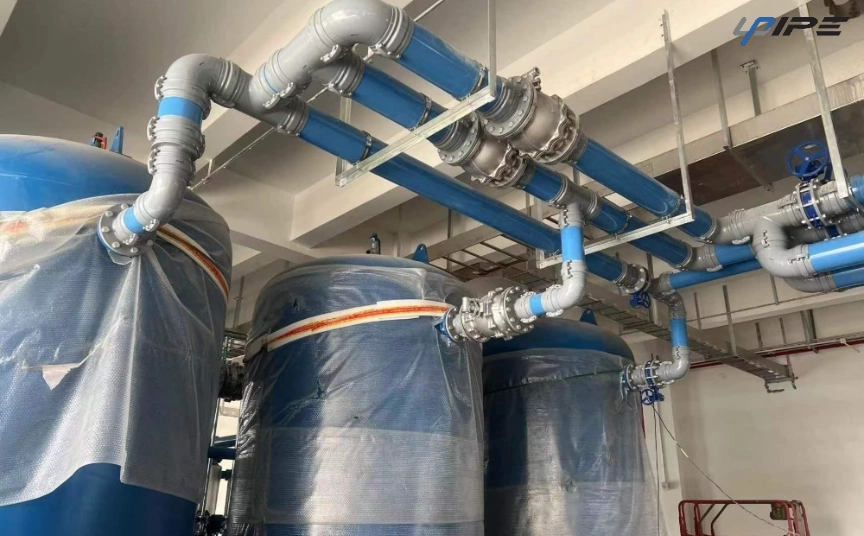
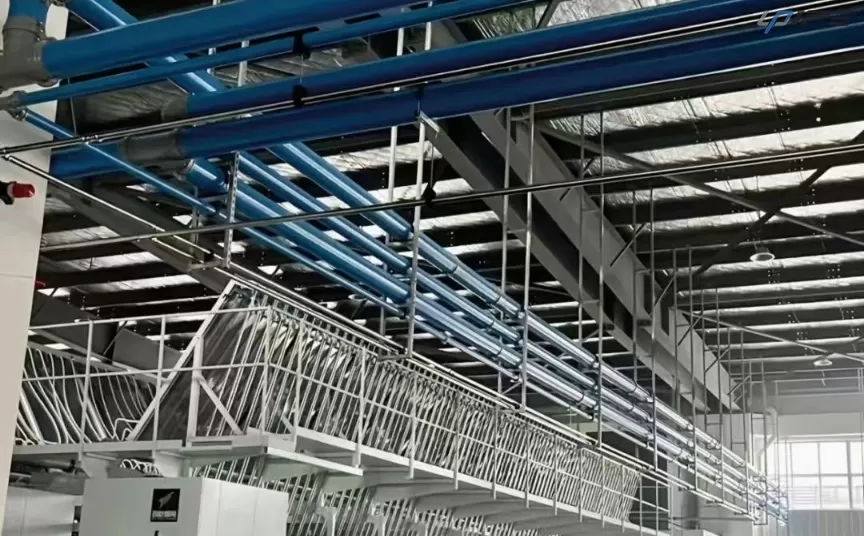
For factories that expect equipment changes or additional air outlets, modular connections can simplify alterations to individual sections. Lightweight aluminum pipe also helps reduce handling demands during installation. UPIPE's product range includes fittings and valves intended to support different layouts, allowing buyers to plan distribution around machinery locations and maintenance access.
The benefits depend on proper design and workmanship. Pipes must be supported appropriately, connections must be assembled according to instructions, and the completed installation should be inspected and pressure-tested as required. A well-planned layout reduces the chance that installation shortcuts will create leakage points or future maintenance problems.
Corrosion Resistance and Long-Term Air Quality
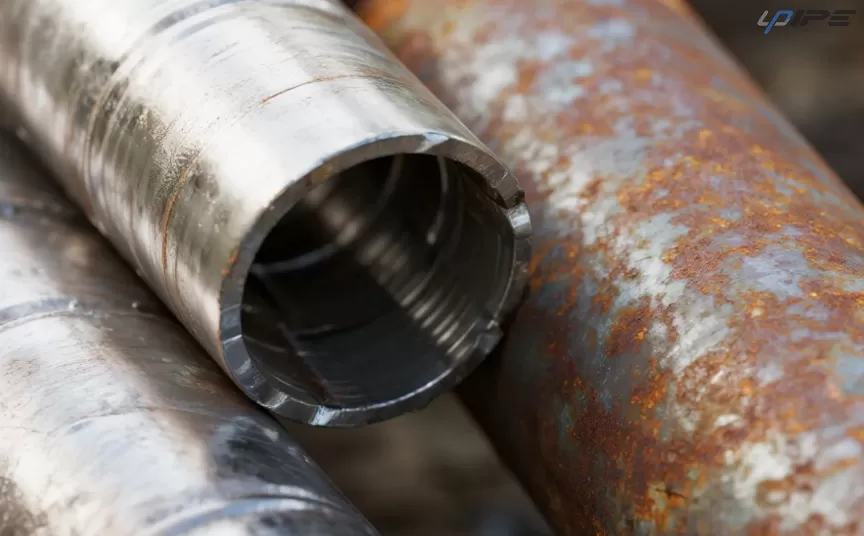
Internal corrosion can gradually affect conventional steel piping, creating maintenance concerns and potentially introducing particles into the compressed air stream. Aluminum alloy offers corrosion resistance without the iron-rust problem associated with carbon steel. This makes it a useful option for industrial environments where long-term pipe condition and air cleanliness matter.
However, clean compressed air depends on more than pipe material. Moisture management, filtration, drying, compressor condition, and routine maintenance all influence the quality of air delivered to production equipment. Buyers in electronics, automotive manufacturing, and other process-sensitive industries should specify the required air-quality class and confirm that the entire installation can meet it.
UPIPE aluminum air piping is intended for compressed air, vacuum, and inert gas applications. Before ordering, buyers should confirm that the selected components are suitable for the intended medium, operating pressure, temperature, and site environment.
Evaluating Total Cost Beyond the Purchase Price
A low initial quotation does not always result in the lowest lifetime cost. Pipework that is difficult to install, prone to leakage, or expensive to modify can create additional expenses through labor, energy consumption, and maintenance. A more useful comparison considers the complete cost of ownership over the expected service life.
For procurement teams, the assessment should include pipe and fitting prices, installation labor, freight, pressure testing, maintenance access, and the expected cost of production interruptions. Suppliers should also provide clear information about product specifications, compatibility, warranty conditions, and technical support.
UPIPE's aluminum piping range combines lightweight pipework with compatible fittings and modular configuration options. For projects where leakage prevention and installation efficiency are priorities, buyers can compare these features against the demands of their facility rather than judging products on material cost alone.
FAQ
How do aluminum air piping systems help reduce energy waste?
They can help limit pressure losses through smooth internal surfaces and reduce leakage risks when used with correctly selected, securely installed fittings. Proper sizing and maintenance remain essential.
What should buyers check when selecting aluminum compressed air pipes?
Confirm the required airflow, working pressure, pipe diameter, fitting compatibility, operating environment, and applicable standards. The complete layout should be evaluated before purchasing components.
Are aluminum air pipes suitable for industrial factory upgrades?
They can be suitable for many upgrades because their lightweight construction and modular fittings support installation changes and future expansion. Suitability depends on the existing pipe network and operating requirements.
Does corrosion-resistant piping eliminate compressed air maintenance?
No. Aluminum helps avoid iron rust, but seals, valves, supports, filters, and condensate management still require inspection and maintenance.
Why consider UPIPE for industrial aluminum air piping?
UPIPE offers aluminum alloy pipes and compatible fittings for compressed air, vacuum, and inert gas applications. Buyers can evaluate its pipe dimensions, pressure rating, connection options, and technical support against their project requirements.