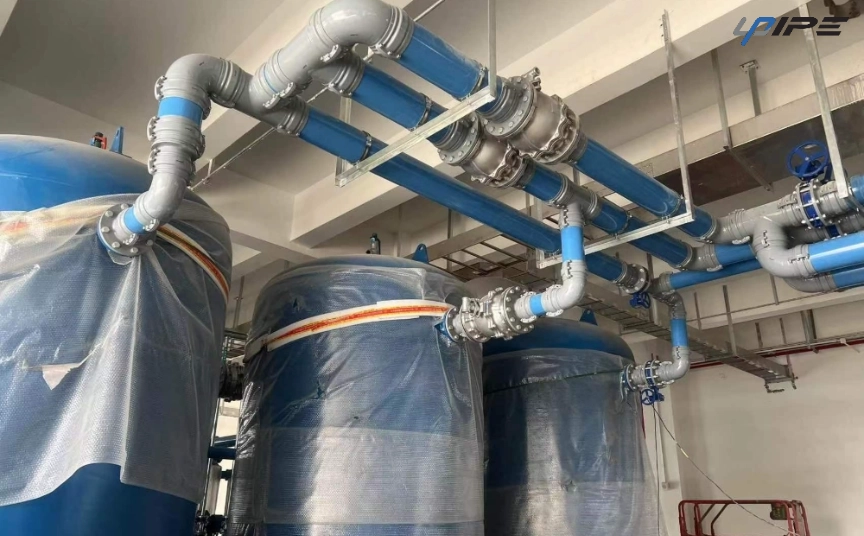
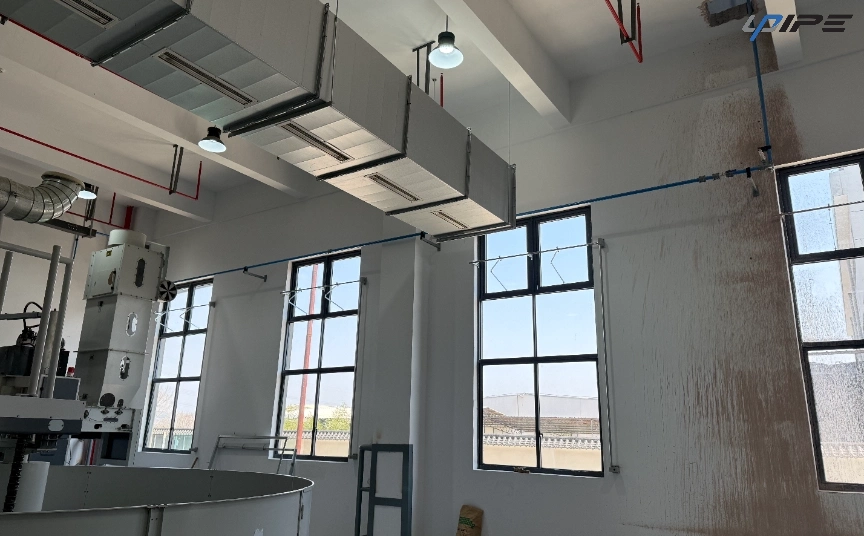
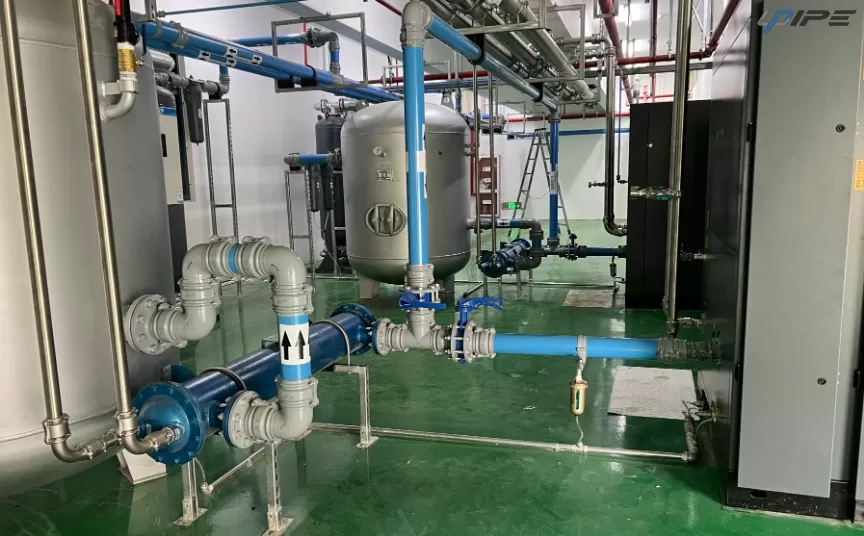
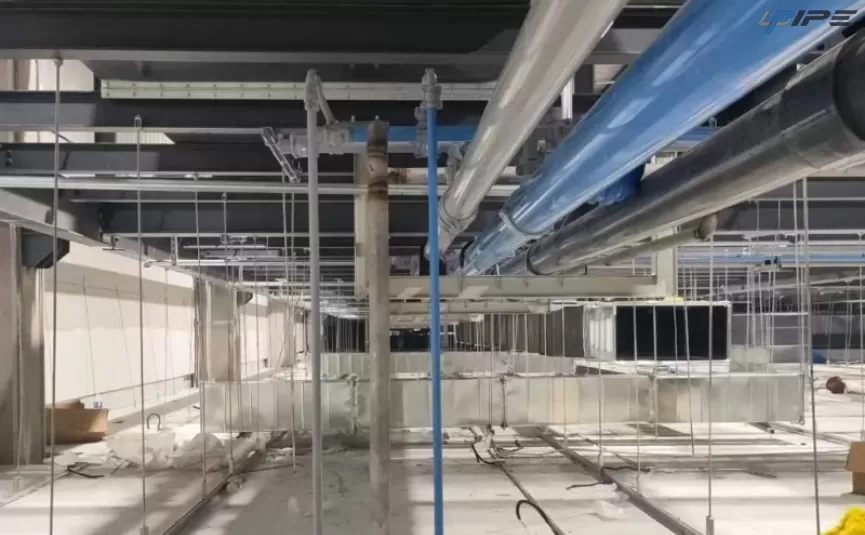
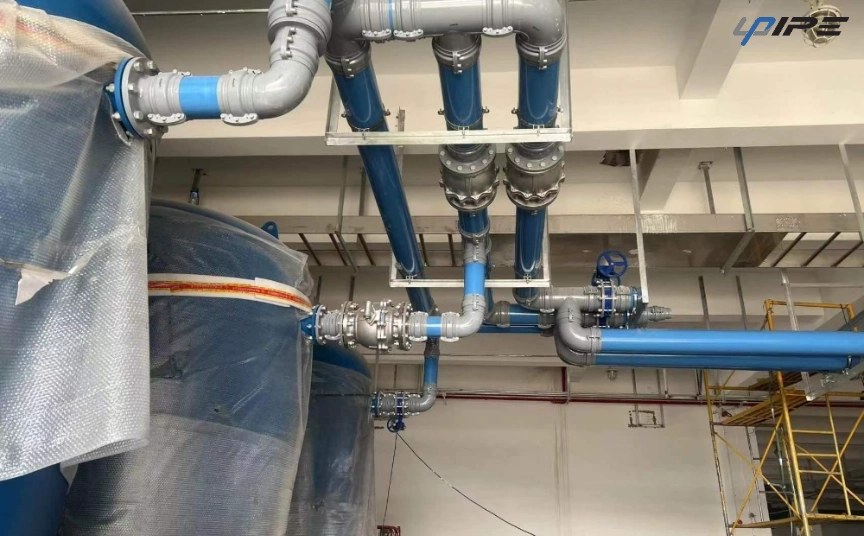
Efficient air delivery is the backbone of any modern workshop. From automotive repair shops to woodworking and metal fabrication facilities, pneumatic systems play a crucial role in day-to-day operations. Aluminum compressed air line systems have become the preferred choice for workshops seeking durability, flexibility, and long-term performance.In this blog post, UPIPE, as high performance blue pipes for compressed air exporter, will share the benefits of aluminum compressed air line systems for workshop applications, offering practical insights, design considerations, installation strategies, and maintenance tips.
Why Aluminum Compressed Air Line Systems Are Ideal for Workshops
Aluminum compressed air line systems combine lightweight construction, corrosion resistance, and modular flexibility, making them ideal for workshop environments. Unlike steel or copper piping, aluminum is highly resistant to rust and corrosion, ensuring longevity even in humid or chemically active environments. The smooth internal surfaces of aluminum pipes reduce pressure drops, delivering consistent airflow to pneumatic tools and machinery.
Workshops benefit from the ease of installation and adaptability of aluminum air lines, which can be configured to match evolving layouts or tool requirements. Lightweight construction also reduces strain on support brackets and simplifies handling during system expansions or relocations.
Designing an Efficient Workshop Air Line Network
Layout Planning for Maximum Efficiency
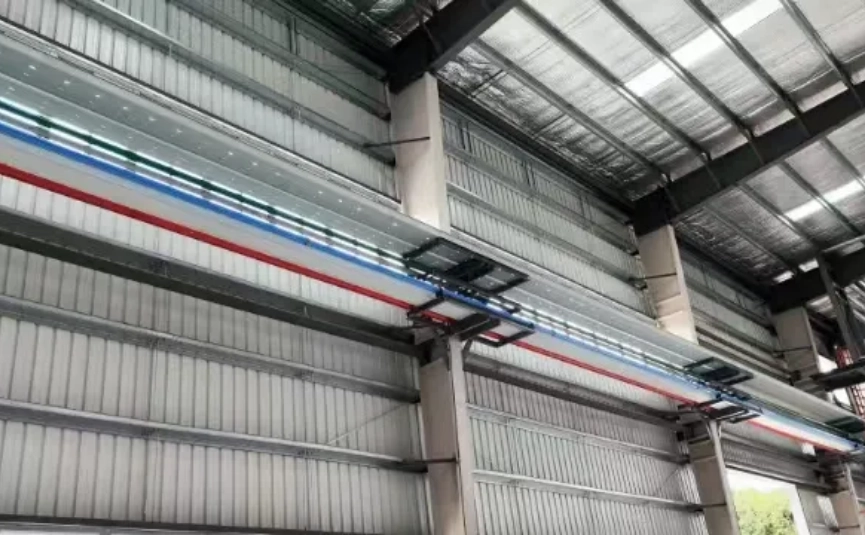
An effective aluminum compressed air line system starts with careful layout planning. Workshops often have limited floor space, so overhead or wall-mounted installations help maximize usable workspace. Keeping mainlines as straight as possible and minimizing bends reduces pressure loss and energy consumption. Modular aluminum systems allow for simple additions or modifications, providing scalability as workshop needs evolve.
Determining Pipe Diameter and Pressure Requirements
Correct pipe sizing ensures that airflow remains adequate for multiple tools operating simultaneously. For workshops using high-demand pneumatic equipment, larger mainlines paired with smaller branch lines help maintain consistent pressure. Aluminum pipes are capable of handling moderate to high-pressure applications, making them suitable for a wide range of workshop scenarios, including automotive, woodworking, and fabrication operations.
Selecting Fittings and Connections
Fittings play a critical role in system reliability. Push-to-connect fittings are particularly advantageous for workshops, allowing rapid assembly and reconfiguration without specialized tools. Threaded or flanged fittings may be used for high-pressure or permanent installations. Choosing corrosion-resistant fittings further ensures system longevity, particularly in environments where moisture, oil, or chemicals are present.
Installation Guidelines for Aluminum Air Lines
Proper installation is essential for performance and safety. Follow these key recommendations:
Support and Anchoring: Use brackets specifically designed for aluminum pipes at regular intervals to prevent sagging and vibration.
Avoid Sharp Bends: Gentle curves maintain smooth airflow and reduce stress on joints. Pre-fabricated elbows and flexible connectors can assist in tight spaces.
Leak Prevention: Even small leaks can reduce efficiency and increase operational costs. Ensure all connections are securely fastened and sealed with high-quality components.
A well-installed system minimizes downtime, improves tool performance, and extends the lifespan of both the air lines and the connected pneumatic equipment.
Benefits of Aluminum Compressed Air Line Systems in Workshops
Consistent Air Pressure for Pneumatic Tools
Aluminum compressed air lines deliver steady airflow, essential for pneumatic tools such as impact wrenches, nail guns, spray guns, and air hammers. Consistent pressure improves tool efficiency and reduces cycle times, increasing overall workshop productivity.
Lightweight and Safe
Compared to steel, aluminum lines are lightweight, reducing stress on mounting hardware and lowering the risk of structural failure. Aluminum is also non-sparking, enhancing safety in workshops where flammable materials are handled. Its corrosion resistance ensures durability even in environments with humidity, oil, or chemicals.
Cost-Effectiveness and Longevity
Although aluminum piping may have a higher initial cost compared to PVC or other materials, the long-term benefits outweigh this investment. Reduced maintenance, energy savings due to minimal pressure drop, and recyclability contribute to overall cost efficiency and sustainability. Workshops investing in aluminum compressed air systems benefit from long-term reliability and reduced downtime.
Specialized Applications in Workshops
Aluminum compressed air line systems are versatile and can support a wide range of workshop applications:
Automotive Repair Shops: Supply consistent air pressure for spray booths, tire inflators, and impact wrenches.
Woodworking Workshops: Provide clean, dry air for pneumatic sanders, nail guns, and dust extraction systems.
Metal Fabrication Shops: Maintain stable airflow for grinders, presses, and automated pneumatic machinery.
The modularity of aluminum systems allows workshops to adapt their networks as equipment or workflow requirements change, reducing the need for extensive renovations.
Maintenance Best Practices for Long-Term Performance
Routine maintenance ensures aluminum compressed air line systems operate efficiently for years:
Regular Leak Inspections: Conduct visual checks and use leak detection solutions to identify minor leaks before they escalate.
Filter and Dryer Maintenance: Ensure air dryers and filters are functioning properly to remove moisture and particulate matter, protecting tools and machinery.
Check and Tighten Fittings: Periodically inspect joints and fittings, particularly in high-vibration areas, to prevent air loss.
System Flushing: Occasionally flush the system to remove accumulated debris, oil, or dust.
These practices not only extend the life of the air line system but also maintain optimal air quality and pressure for tools.
Comparing Aluminum to Other Air Line Materials
Workshops have several options for air line materials, but aluminum provides a balanced solution:
Steel: Strong but heavy, prone to rust, and more challenging to install in confined spaces.
Copper: Corrosion-resistant but expensive and less adaptable to modular layouts.
PVC/Plastic: Lightweight and low-cost but unsuitable for high-pressure or industrial applications, and susceptible to cracking.
Aluminum’s combination of strength, weight, corrosion resistance, and flexibility makes it an ideal material for workshop compressed air systems.
Modular Aluminum Air Line Systems for Enhanced Flexibility
Modern aluminum systems are highly modular, allowing workshops to configure custom air networks. Features include:
Quick-connect fittings for easy reconfiguration
Adjustable air outlets for specific tool stations
Pre-assembled manifolds for streamlined installation
This flexibility ensures that air systems can adapt to changing workshop layouts or new equipment without significant downtime.
Troubleshooting Common Workshop Air Line Issues
Even well-designed systems may encounter occasional problems:
Pressure Drops: Often caused by undersized pipes, excessive bends, or leaks; addressing these factors restores efficiency.
Condensation: Can damage tools; installing inline dryers or filters mitigates this risk.
Fitting Wear: Vibrations may loosen fittings; regular inspections prevent air loss.
Proactive monitoring and maintenance reduce interruptions and safeguard productivity.
Trends and Innovations in Workshop Air Systems
The future of aluminum compressed air line systems emphasizes efficiency, automation, and sustainability:
Smart Pneumatic Integration: Sensors monitor air pressure and detect leaks, supporting predictive maintenance.
Energy-Efficient Designs: New systems minimize pressure loss and reduce compressor energy consumption.
Sustainable Materials: Lightweight, recyclable aluminum aligns with environmentally conscious workshop operations.
Workshops that adopt these innovations gain operational efficiency and long-term cost savings.
Conclusion
Aluminum compressed air line systems offer unmatched versatility, reliability, and performance for workshop applications. Their lightweight construction, corrosion resistance, and modular flexibility make them suitable for automotive, woodworking, and metal fabrication environments. By carefully planning layouts, selecting appropriate fittings, installing properly, and performing regular maintenance, workshops can maximize system efficiency and tool performance.
Investing in a high-quality aluminum compressed air line system is not just a practical choice—it is a strategic step toward safer, more efficient, and future-ready workshop operations.