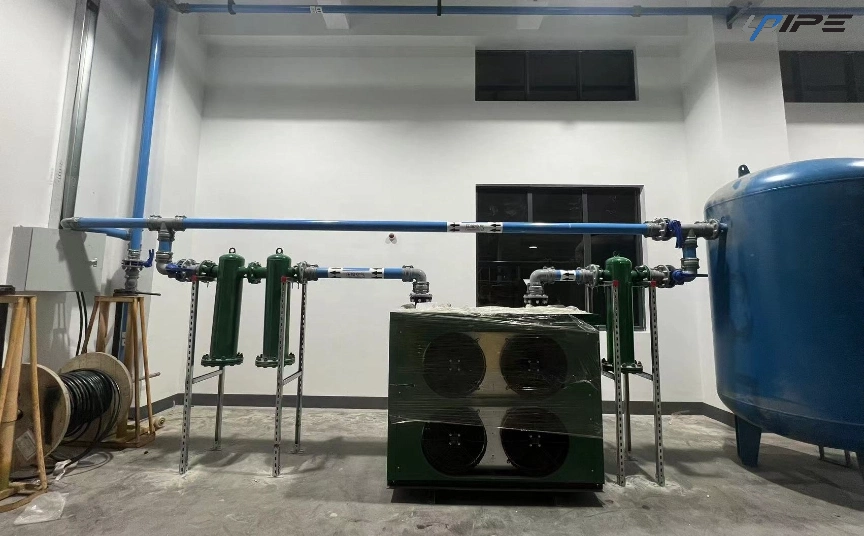
UPIPE provides aluminum pipe for air compressor lines with reinforced gooseneck quick drops, effective condensate control, secure connections, and easier installation.
Why Gooseneck Connections Matter in Compressed Air Distribution
In industrial compressed air distribution, the performance of a piping network depends on more than the main pipeline. Branch connections also play an important role in controlling airflow, managing condensate, and protecting downstream equipment. Poorly designed drop connections may allow accumulated moisture to enter pneumatic tools and production machinery, increasing maintenance requirements and affecting operational stability. Choosing aluminum pipe for air compressor lines with properly designed gooseneck quick drops provides a practical approach to addressing these challenges.
A gooseneck quick drop features an upward-curved connection before compressed air reaches the outlet. This configuration helps prevent condensate accumulating inside the main pipeline from flowing directly into the branch connection. Since moisture can collect as compressed air cools during distribution, the position and direction of each outlet deserve careful attention. A properly arranged drop connection helps improve condensate management and reduces the risk of moisture reaching sensitive pneumatic equipment.
For factories with multiple air consumption points, this design also provides greater flexibility when arranging outlet locations. Operators can connect pneumatic tools, production machinery, and other air-operated equipment without making unnecessary changes to the main pipeline. Combining suitable branch fittings with an appropriately designed aluminum air piping network helps create a more organized and accessible compressed air distribution layout.
How Aluminum Pipe Improves Industrial Air Line Performance
Aluminum has become a popular material for industrial compressed air piping because of its relatively low weight, corrosion resistance, and convenient installation characteristics. Compared with conventional heavy metal piping, aluminum pipes are easier to transport, position, and assemble, particularly when installation involves long distribution routes or multiple connection points.
Material quality is another important consideration. UPIPE uses pure aluminum rather than recycled aluminum to manufacture its piping products, supporting consistent material properties and dependable product quality. A suitable internal surface finish also contributes to efficient airflow by limiting unnecessary resistance inside the pipeline. When selecting an aluminum pipe for air compressor lines, buyers should evaluate material composition, wall construction, connection compatibility, and manufacturing consistency together rather than focusing on price alone.
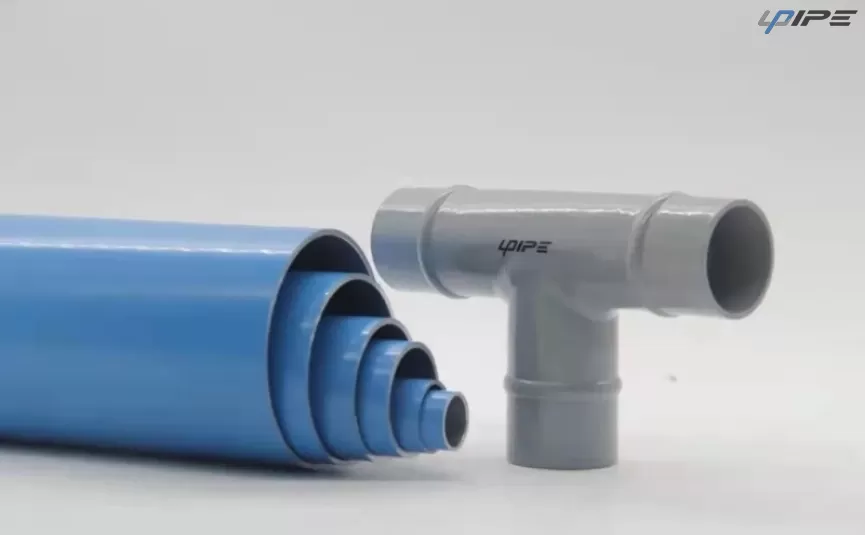
Thickened pipe wall construction provides additional structural support for industrial applications. A durable pipe structure helps withstand the mechanical demands associated with installation and regular operation. For larger pipe sizes, pre-treated raised rings also simplify connection preparation and reduce the amount of additional processing required at the installation site.
Managing Condensate Through Proper Quick Drop Design
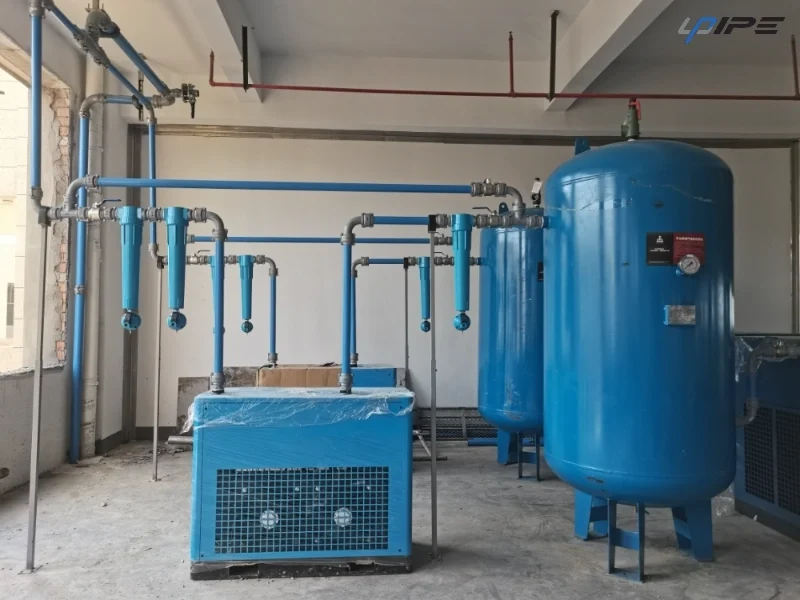
Condensate management is an essential part of compressed air piping design. Moisture can develop when compressed air cools during transportation, eventually accumulating at low points and inside pipeline sections. If branch connections are positioned incorrectly, collected water may enter air outlets and affect equipment performance.
Gooseneck quick drops address this concern through their elevated connection structure. Rather than providing a direct downward path from the main pipeline, the curved design helps prevent accumulated condensate from entering the outlet. This arrangement is particularly useful in manufacturing facilities where pneumatic equipment requires a more controlled air supply.
However, gooseneck fittings should be considered as one part of a broader moisture management strategy. Proper drainage at pipeline low points, suitable air treatment equipment, and appropriate outlet positioning remain important. Combining these measures with aluminum compressed air piping helps improve moisture control throughout the distribution network.
Reinforced Quick Drop Fittings for Secure Connections
The mechanical design of quick drop fittings affects both installation quality and long-term connection stability. Repeated equipment movement, pipeline vibration, and external mechanical loads can place additional stress on branch connections. Reinforced construction helps address these conditions and supports more dependable fitting performance.
UPIPE incorporates reinforcement ribs into its quick drop design to improve structural strength and distribute mechanical stress. High-strength locking accessories further support connection stability, helping reduce the risk of damage associated with improper installation or excessive mechanical loading. These features are particularly relevant when compressed air outlets are installed near frequently operated machinery.
Sealing performance is equally important. Leakage at branch connections can result in unnecessary compressed air consumption and additional energy costs. UPIPE uses imported rubber sealing materials and multi-surface sealing structures to support effective connections. When combined with correctly installed aluminum pipe connectors, these features help reduce potential leakage points across the distribution network.
Flow Optimization and the Role of Aluminum Pipe Fittings
The efficiency of an industrial air line is influenced by pipe routing, connection geometry, and changes in airflow direction. Poorly designed fittings may introduce unnecessary turbulence and pressure losses, especially where compressed air passes through multiple elbows, tees, and branch connections.
Flow-optimized aluminum fittings help improve the transition between different pipeline sections. UPIPE incorporates specialized flow-guiding structures into selected tees, elbows, and quick drop connections to support smoother airflow. Proper fitting selection and an appropriately planned pipeline layout can help reduce unnecessary resistance and maintain more consistent pressure at equipment outlets.
Another important factor is connection consistency. Pipe-to-pipe connectors, threaded connectors, flanges, and other accessories should be compatible with the selected piping arrangement. Using matching components helps simplify assembly and reduces the possibility of installation problems caused by unsuitable connections.
Installation Advantages of Aluminum Air Piping
Installation efficiency directly affects project schedules, labor requirements, and future maintenance access. Heavy piping materials can require more handling effort, while complicated connection procedures may increase the time needed to complete an industrial air distribution network.
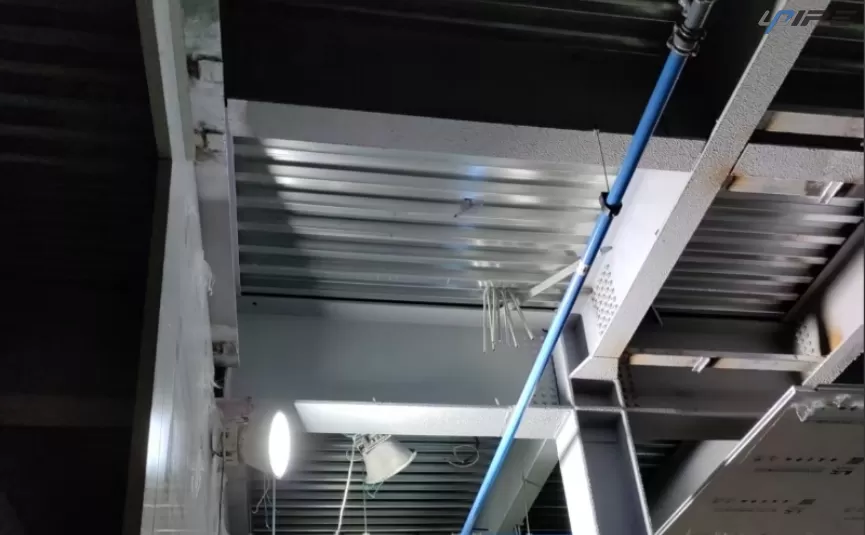
Aluminum pipe for air compressor lines offers practical installation advantages because of its relatively low weight and modular connection design. UPIPE's pre-treated raised rings on larger pipes help reduce additional preparation work, while its range of connectors and installation accessories supports different pipeline configurations.
Protective packaging also contributes to product handling quality. UPIPE uses a nonwoven inner lining, external plastic protection, and sealed pipe ends to help prevent contamination during transportation and storage. Keeping pipe interiors protected before installation is important because foreign particles can affect downstream pneumatic equipment and air treatment components.
For facility managers planning new compressed air distribution routes, accessible connections and properly positioned outlets should also be considered. A well-organized layout makes it easier to inspect fittings, replace accessories, and extend air supply points when production requirements change.
What Buyers Should Evaluate Before Selecting an Aluminum Air Pipe Manufacturer
Choosing an aluminum air pipe manufacturer requires more than comparing pipe dimensions and purchasing costs. Buyers should assess the complete range of components, material quality, sealing technology, installation requirements, and compatibility with their intended compressed air applications.
| Evaluation factor | What buyers should check |
|---|
| Material quality | Pure aluminum and consistent manufacturing |
| Pipe construction | Wall strength and surface quality |
| Quick drop design | Gooseneck structure and reinforcement |
| Sealing performance | Rubber material and sealing surfaces |
| Fitting compatibility | Connectors, tees, elbows, and valves |
| Installation support | Pre-treated pipes and matching accessories |
| Packaging protection | Internal cleanliness and sealed pipe ends |
It is also important to consider the operating environment and the requirements of connected equipment. Pipe routing, working pressure, temperature conditions, air consumption, and future expansion plans all influence the appropriate product selection. Working with a manufacturer that provides compatible pipes and fittings can simplify procurement and reduce coordination between different component suppliers.
UPIPE Aluminum Pipe Solutions for Industrial Air Distribution
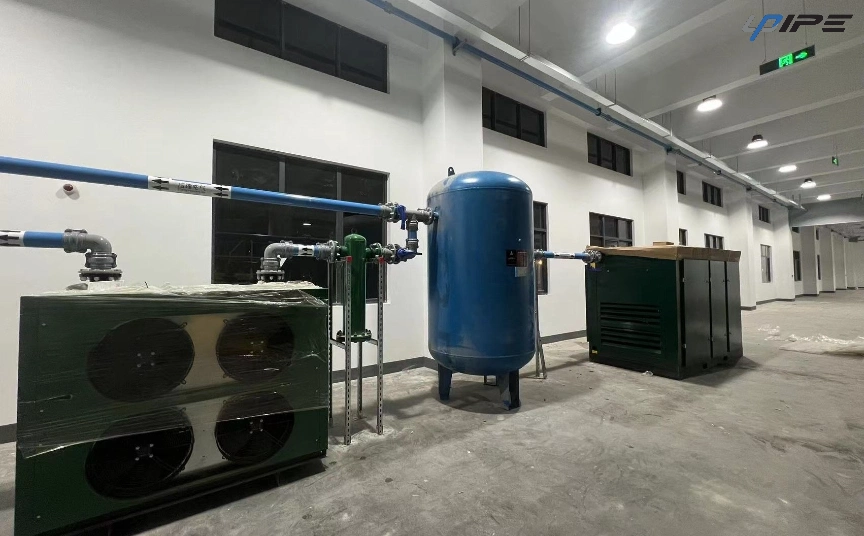
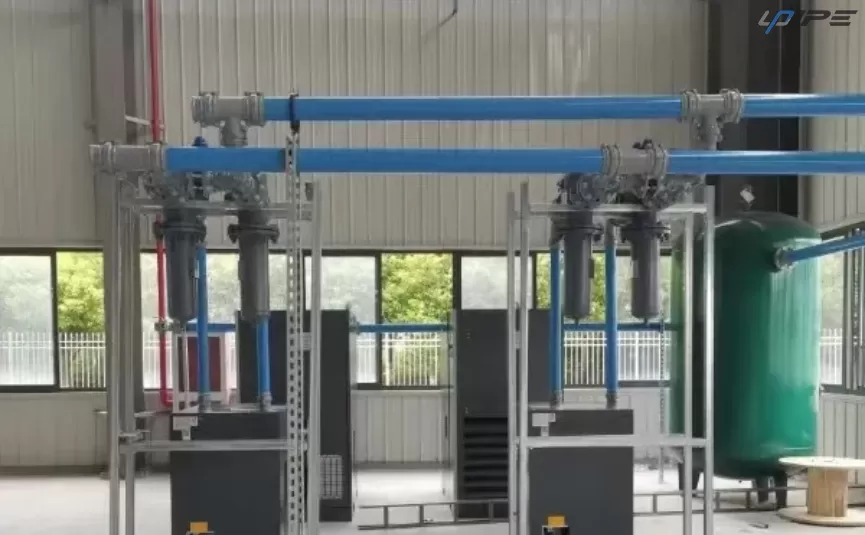
UPIPE provides aluminum compressed air piping products designed to address practical requirements in industrial air distribution. Its product range includes aluminum pipes, quick drops, elbows, tees, pipe-to-pipe connectors, valves, flexible hoses, flanges, clamps, and installation accessories.
The combination of pure aluminum materials, reinforced quick drop structures, multi-surface sealing, and flow-guided fittings supports efficient pipeline installation and dependable air distribution. In particular, the gooseneck quick drop design offers an additional measure for condensate management, helping protect downstream equipment from moisture entering branch outlets.
For factories upgrading existing compressed air lines or planning new installations, selecting compatible piping components can improve connection consistency and simplify maintenance. UPIPE focuses on practical piping details that matter throughout the installation and operating process, from material selection and protective packaging to fitting design and connection performance.
Frequently Asked Questions
Why are gooseneck quick drops used in compressed air piping?
Gooseneck quick drops use an upward-curved connection to help prevent condensate collected inside the main pipeline from entering downstream air outlets. They are useful for improving moisture management at branch connections.
Can aluminum pipe fittings help reduce compressed air leakage?
Yes. Properly designed connectors with suitable sealing materials and correctly installed joints help reduce leakage risks. Multi-surface sealing structures provide additional support for connection reliability.
What makes aluminum piping suitable for factory air distribution?
Aluminum offers relatively low weight, corrosion resistance, and convenient installation. These properties make it suitable for industrial compressed air networks that require flexible routing and multiple outlet connections.
What fittings are needed for an aluminum compressed air piping network?
Common components include elbows, tees, quick drops, pipe-to-pipe connectors, threaded connectors, valves, flanges, clamps, and end caps. The selection depends on pipeline layout and equipment connection requirements.
What should be considered when installing quick drop connections?
Installers should consider outlet positioning, condensate drainage, connection compatibility, sealing condition, and mechanical support. Proper installation helps maintain connection stability and protect downstream pneumatic equipment.