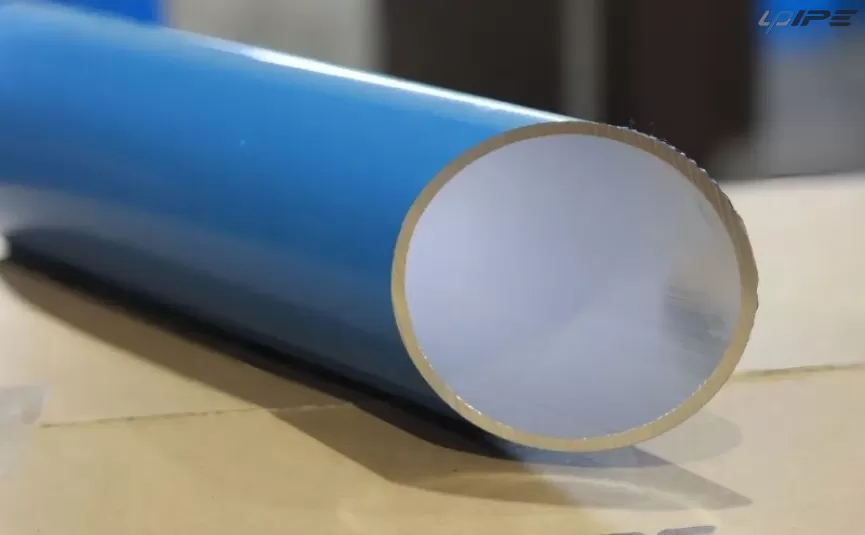
The Hidden Cost of Poor Air Distribution
Compressed air is one of the most expensive utilities in modern manufacturing, yet many facilities still overlook the component that determines whether that air arrives efficiently: the piping network. A high-performance compressor cannot compensate for a poor distribution system. If the piping leaks, corrodes, or creates excessive pressure loss, the entire operation becomes less efficient.
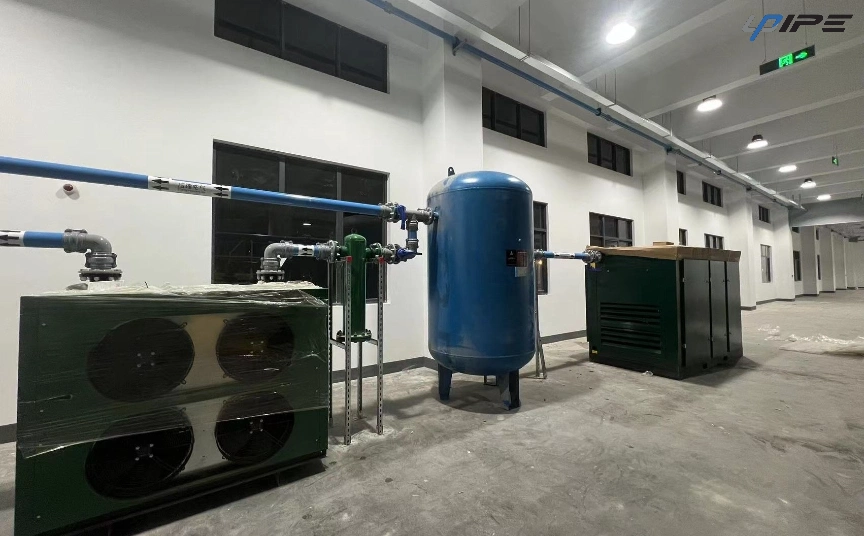
That is why more industrial engineers are replacing traditional steel lines with blue compressed air pipe systems. These systems are designed not only to transport air, but to protect pressure stability, reduce energy waste, and support long-term production reliability. For manufacturers seeking lower operating costs and cleaner air delivery, the piping network has become a strategic investment rather than a basic utility component.
At UPIPE, we believe air distribution should be engineered with the same precision as every other production asset. Modern industrial facilities require piping systems that perform consistently, scale easily, and remain reliable for decades.
Why Modern Facilities Prefer Aluminum Over Traditional Steel
For decades, steel dominated industrial compressed air installations. It was widely available, familiar to contractors, and initially inexpensive. However, modern performance expectations have changed the market.
Steel piping has several long-term disadvantages. Internal rust gradually reduces pipe diameter, increasing friction loss and contaminating the compressed air stream. Threaded joints can loosen over time, creating leak points that are difficult to detect.
Aluminum solves these problems differently.
Its corrosion-resistant surface keeps the internal bore clean and smooth, allowing air to move with less resistance. That translates directly into better pressure stability and lower compressor workload.
This is one major reason the aluminum air pipe manufacturing industry continues to expand globally.
What Makes Blue Piping a Preferred Choice
The blue finish commonly used in industrial air systems is not simply a design decision. It serves a practical operational purpose.
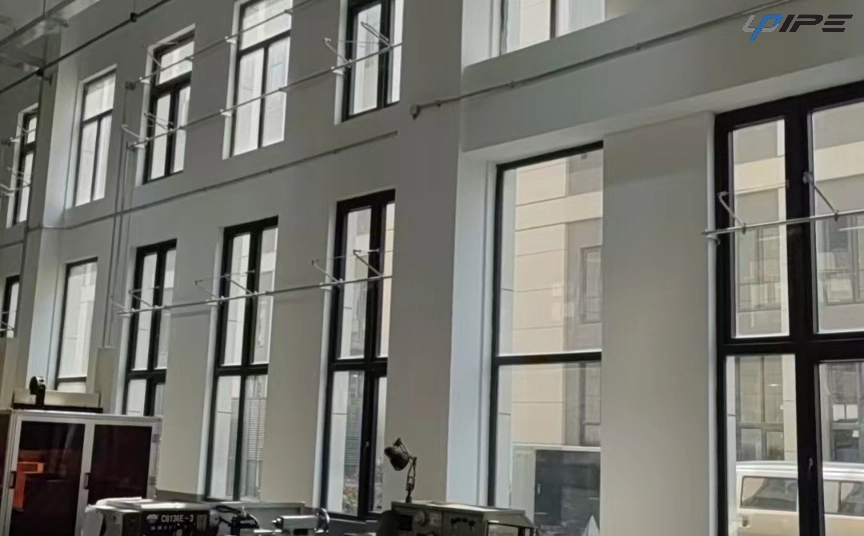
In facilities with multiple utilities—such as water, gas, vacuum, and steam—clear visual identification matters. Blue piping immediately signals compressed air, helping maintenance teams identify lines quickly and reducing the risk of accidental service errors.
Beyond visibility, a blue aluminum compressed air pipe network provides additional advantages:
clean professional appearance
easier maintenance planning
faster troubleshooting
improved safety compliance
This makes blue systems especially popular in modern automated plants.
Leak Prevention Starts with Better Engineering
Air leaks are among the most expensive hidden problems in industrial operations. Even a small leak can waste significant energy over time, especially in facilities running continuously.
Leak-free design depends on more than pipe material. It requires precision engineering at every connection point.
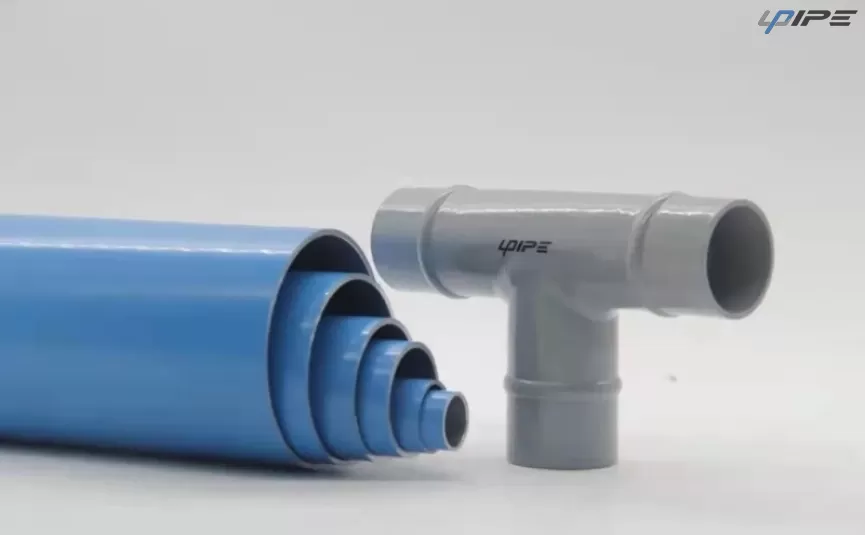
Modern blue compressed air pipe systems use modular fittings designed to:
create consistent sealing pressure
reduce installation errors
minimize long-term joint movement
simplify future maintenance
This engineered approach is one of the biggest differences between modern modular systems and traditional threaded pipe installations.
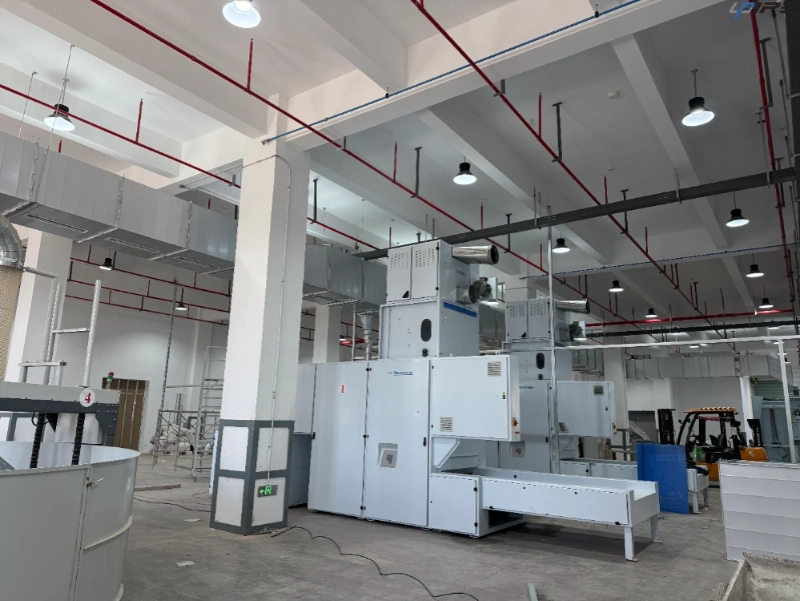
How Pressure Drop Impacts Production Efficiency
Pressure loss is often misunderstood. Many operators assume increasing compressor pressure solves downstream performance issues. In reality, that usually increases energy cost without fixing the root cause.
Poor piping design commonly causes pressure loss through:
| Common Cause | Operational Impact |
|---|
| undersized pipe diameter | restricted airflow |
| excessive bends | unnecessary turbulence |
| rough internal surfaces | higher friction loss |
| hidden leaks | wasted compressor output |
| poor system layout | unstable endpoint pressure |
A properly designed blue compressed air pipe systems layout reduces all five factors, allowing air to travel farther with less energy loss.
That means machines perform more consistently—and compressors work less.
Installation Technology Has Evolved
One of the biggest barriers to upgrading compressed air infrastructure used to be installation downtime. Traditional systems required cutting, threading, welding, and extended production shutdowns.
Modern aluminum pipe system installation technology has changed that completely. Lightweight aluminum sections and modular fittings allow faster assembly with fewer specialized tools.
This creates several advantages:
For growing manufacturers, this flexibility is extremely valuable.
Clean Air Quality Supports Better Product Quality
Compressed air touches more products than many people realize. It powers tools, drives automation, moves materials, and often directly contacts finished goods.
When piping corrodes internally, contamination can enter the air stream and damage product quality.
A clean blue aluminum compressed air pipe network helps eliminate rust contamination while supporting higher air purity standards.
This is especially important in:
Cleaner air protects both equipment and brand reputation.
System Flexibility Matters in Modern Manufacturing
Production lines rarely stay the same. New machines are added, layouts shift, and factories expand.
Traditional steel systems struggle with these changes because modifications require cutting and reworking fixed infrastructure.
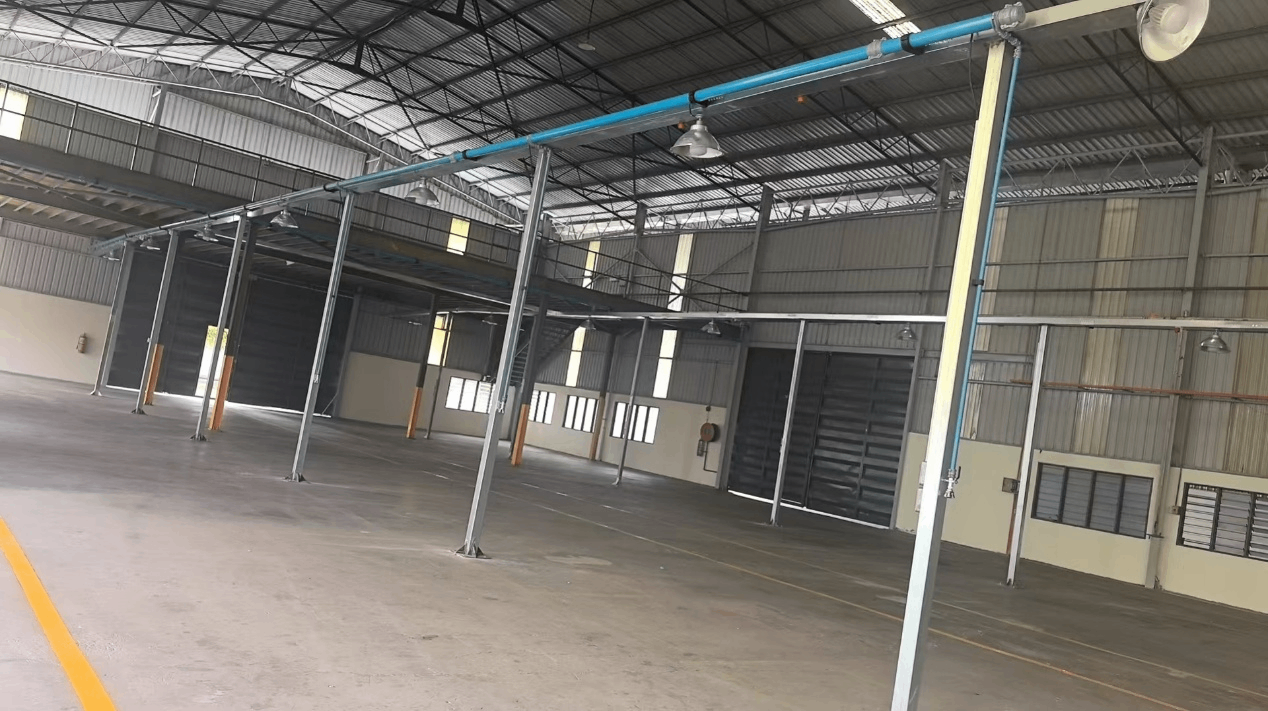
Modular blue compressed air pipe systems make future changes easier. New branches can be added quickly, lines can be rerouted efficiently, and capacity upgrades become far simpler.
That flexibility helps manufacturers adapt faster to changing market demand.
Energy Efficiency Is Now a Business Priority
Compressed air remains one of the most energy-intensive systems in industrial operations. Even small improvements in efficiency can produce major savings.
A well-designed piping network reduces:
This is one reason sustainability teams increasingly support aluminum air infrastructure upgrades.
Lower leakage means lower energy consumption—and lower environmental impact.
Choosing the Right Supplier Matters
Not all piping suppliers deliver the same value. A true industrial partner should offer more than pipe and fittings.
When evaluating a fluid transportation products exporter, buyers should consider:
At UPIPE, these capabilities define how we support industrial clients worldwide.
Why UPIPE Focuses on Long-Term System Value
At UPIPE, we design piping systems around performance—not just product specifications.
Our engineering philosophy emphasizes:
leak-resistant connection technology
corrosion-free aluminum architecture
scalable modular design
reduced lifecycle operating cost
simplified future expansion
We believe a compressed air system should continue performing efficiently year after year.
That is the true value of a professionally engineered blue compressed air pipe systems solution.
Frequently Asked Questions
Why are aluminum systems replacing steel in compressed air applications?
Because aluminum offers better corrosion resistance, lower weight, faster installation, and more stable long-term airflow performance.
Are blue compressed air pipe systems suitable for large industrial plants?
Yes. They are widely used in manufacturing, automotive, electronics, pharmaceuticals, and large-scale processing facilities.
Do modular systems really reduce leaks?
Yes. Precision-engineered fittings significantly reduce leak risk compared with traditional threaded steel connections.
Can existing factories upgrade gradually?
Absolutely. Modular aluminum systems allow phased installation without replacing the entire network at once.
How long does an aluminum compressed air system typically last?
With proper design and installation, it can provide reliable performance for decades with minimal maintenance.
Final Thoughts
Compressed air efficiency does not begin at the compressor—it begins with the distribution network.
A modern blue compressed air pipe systems upgrade improves far more than airflow. It strengthens production reliability, lowers operating costs, improves air cleanliness, and creates long-term flexibility for future expansion.
For industrial companies planning sustainable growth, better piping is not a maintenance expense.
It is infrastructure strategy—and at UPIPE, that strategy is built for performance.