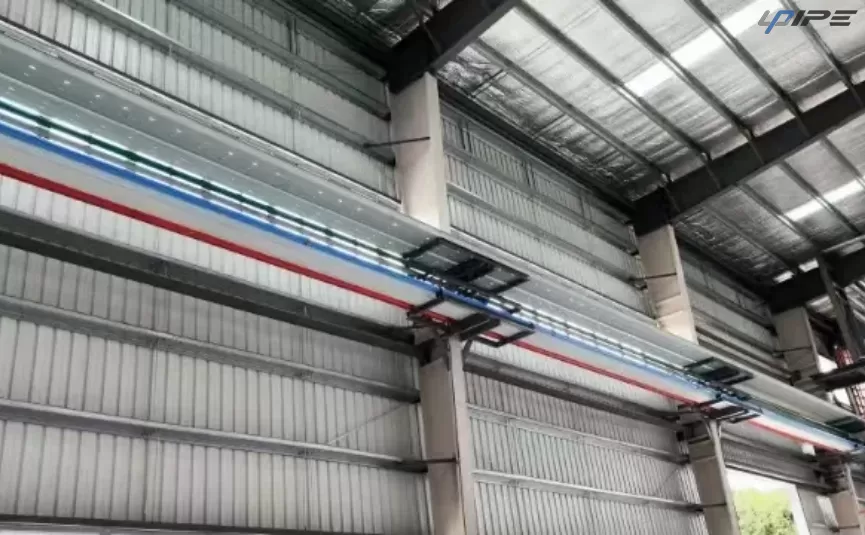
UPIPE’s compressed air piping system supports electronics manufacturing with clean airflow, stable pressure, low leakage, and flexible aluminum piping.
Electronics manufacturing depends on stable production conditions, clean working environments, and consistent equipment performance. Compressed air is often used for pneumatic tools, automated equipment, component handling, cleaning processes, instrumentation, and other manufacturing operations. Because even small pressure fluctuations or contamination issues can affect production efficiency, the distribution network deserves careful engineering attention.
A well-designed compressed air piping system should do more than transport air from the compressor to individual machines. It needs to maintain adequate pressure, minimize leakage, support future production changes, and provide clean and reliable air at each point of use. For electronics factories, where precision and continuity are particularly important, pipe material, layout, connection methods, drainage, and maintenance access all influence long-term performance.
Why Electronics Plants Need Careful Air Distribution Design
Electronics production areas may contain automated assembly equipment, pneumatic actuators, pick-and-place machinery, testing equipment, packaging machines, and precision tools. These applications can have different air consumption patterns, meaning demand is rarely constant throughout the facility. A distribution network designed only around average consumption may struggle when several machines operate simultaneously.
Pressure loss is another important consideration. Air passing through long pipe runs, elbows, tees, valves, and undersized connections experiences resistance. Excessive pressure loss can reduce the performance of pneumatic equipment and may encourage operators to increase compressor discharge pressure unnecessarily. A properly sized compressed air piping system helps deliver usable pressure where it is needed without creating avoidable energy demand.
Air cleanliness is equally significant. Electronics manufacturing generally requires a controlled production environment, so the distribution network should avoid introducing rust particles, scale, moisture, or other contaminants. This is one reason aluminum piping can be attractive for compressed air distribution: aluminum does not develop the internal rust associated with conventional carbon steel piping, helping maintain a cleaner air path when the overall air treatment process is properly designed.
Choosing the Right Pipe Material for Clean Air
Material selection should consider pressure requirements, environmental conditions, installation practices, expected service life, and maintenance needs. Traditional steel piping can provide structural strength, but it may require more labor during cutting, threading, welding, and modification. Internal corrosion can also become a concern when moisture is present in poorly controlled compressed air.
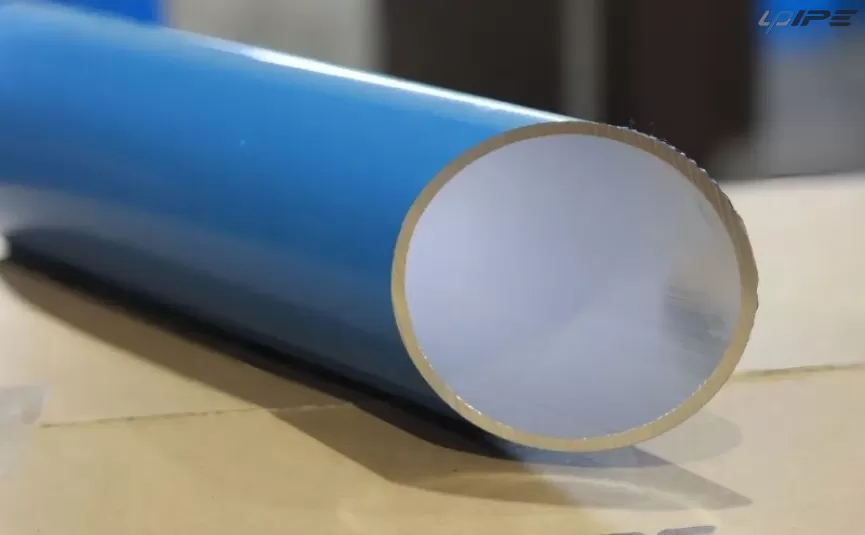
An aluminum compressed air pipe offers a different approach. Its lightweight construction makes handling easier during installation, while its corrosion-resistant characteristics are well suited to compressed air distribution. A smooth internal surface can also help reduce flow resistance compared with rough or deteriorated pipe interiors.
For electronics manufacturing facilities, the value of aluminum goes beyond weight reduction. Production areas are frequently reorganized as equipment changes, capacity expands, or new production lines are introduced. A modular aluminum piping arrangement can make these changes easier to manage because sections can be adjusted without relying heavily on hot work or extensive fabrication.
Designing the Layout Around Air Demand
A good layout begins with the actual production requirements rather than the physical location of the compressor alone. Engineers should identify major consumption points, expected simultaneous demand, operating pressure, branch lengths, and potential expansion areas before determining pipe sizes and routing.
A ring or loop arrangement is often useful in larger manufacturing facilities because compressed air can approach a demand point from more than one direction. This can help distribute pressure more evenly and reduce the effect of a single long branch. Smaller branch lines can then connect individual machines or production zones to the main distribution route.
The following design factors should be considered together:
| Design factor | Why it matters |
|---|
| Air demand | Determines appropriate pipe capacity |
| Pipe diameter | Influences velocity and pressure loss |
| Route length | Longer runs generally create greater resistance |
| Fittings | Each bend and connection contributes flow resistance |
| Future expansion | Prevents early redesign when production grows |
| Drainage | Helps manage moisture and condensate |
| Isolation valves | Simplify maintenance and sectional shutdowns |
| Access | Makes inspection and modification easier |
Rather than selecting pipe diameter based solely on the compressor outlet, the design should account for the complete route from the air source to the most demanding point of use.
Managing Pressure Loss Across the Network
Pressure loss is one of the most important technical issues in compressed air distribution. Every section of pipe creates resistance, while fittings, valves, filters, flexible connections, and changes in direction add additional losses. When the total pressure drop becomes excessive, equipment at the end of the line may receive less pressure than intended.
A practical compressed air piping design therefore aims to maintain an appropriate balance between pipe diameter, airflow, distance, and operating requirements. Oversizing every pipe may increase initial material costs without providing proportional benefits, while undersizing can create continuous operating problems.
Pipe routing should also avoid unnecessary bends and restrictive fittings. A shorter, more direct route generally reduces resistance and simplifies installation. Where long-distance distribution is unavoidable, appropriate pipe sizing becomes even more important.
Reducing Air Leakage at Connection Points
Leaks are a major source of wasted compressed air. They can occur around fittings, valves, threaded connections, hoses, damaged seals, or poorly installed joints. In a manufacturing environment operating for long hours, even relatively small leaks can become a significant source of energy loss over time.
For this reason, a compressed air pipe installation should pay particular attention to joint quality. Reliable connection technology, correct installation procedures, proper sealing, and regular inspection all contribute to leakage control.
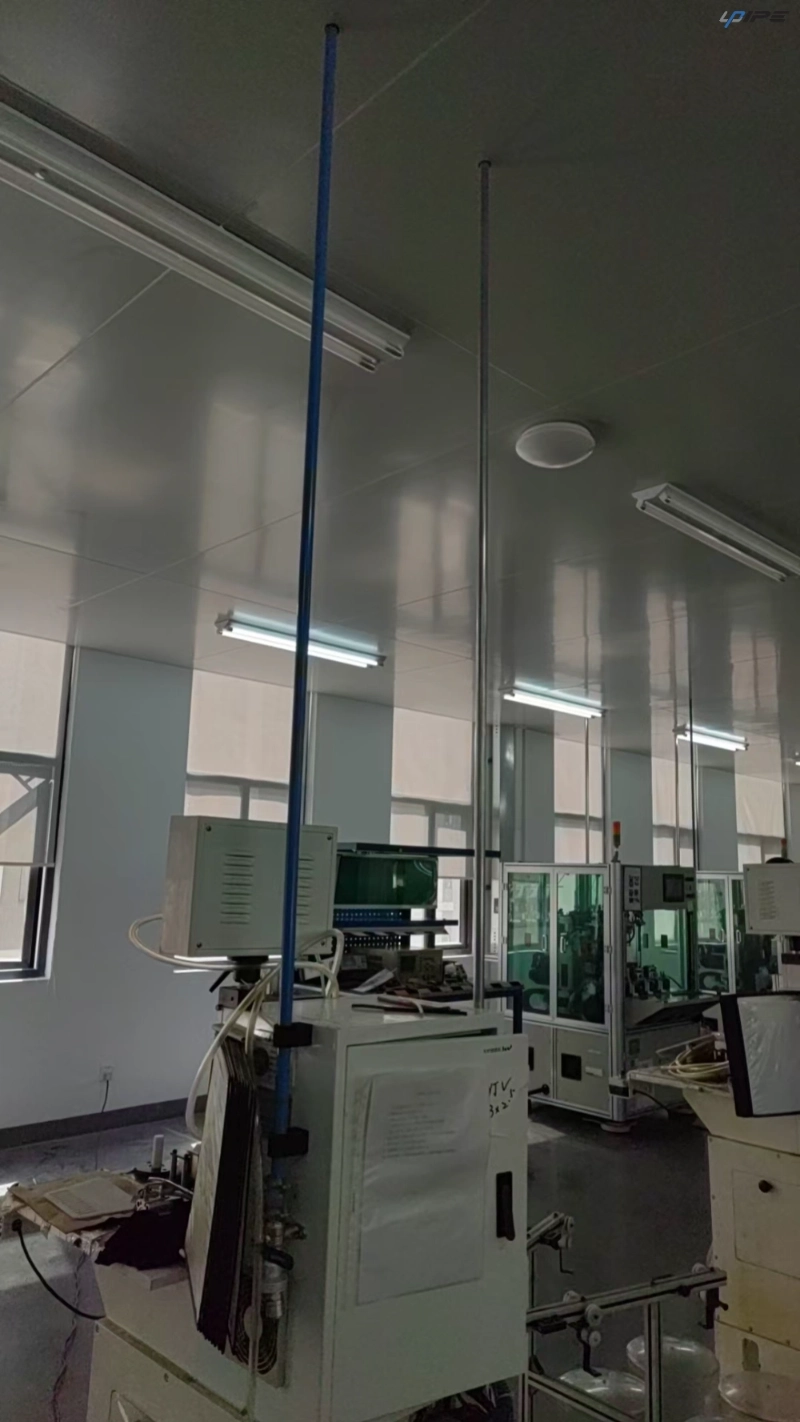
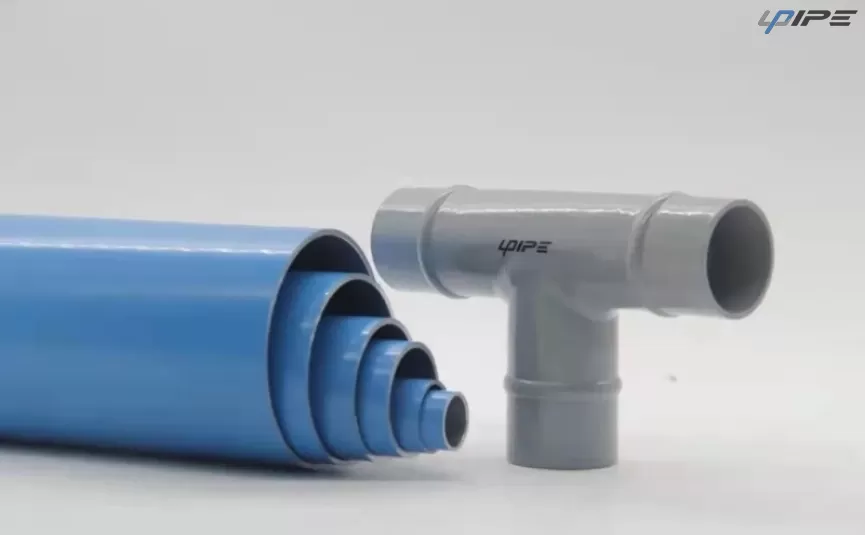
UPIPE aluminum piping uses dedicated fittings and connection components designed for modular compressed air distribution. This approach can simplify installation while providing consistent connections throughout the network. However, leak prevention should never depend on pipe material alone. Good installation practices and periodic leak detection remain essential.
Moisture Control and Air Quality
Compressed air naturally contains moisture, and cooling during compression and distribution can cause condensation. If moisture is not properly controlled, it may accumulate in low points, damage pneumatic components, or affect sensitive production equipment.
The distribution network should therefore work together with dryers, filters, separators, drains, and other air-treatment equipment. Pipe routing should avoid creating unnecessary pockets where condensate can accumulate, while appropriate drainage points should be incorporated into the overall design.
For electronics manufacturing, air quality requirements should be determined according to the actual application. Air used for general pneumatic actuation may have different requirements from air used in precision cleaning or direct-contact processes. The piping network should be designed as part of the complete compressed air quality strategy rather than treated as an isolated component.
Planning Branch Lines and Drop Points
Drop points should be positioned according to machine locations and maintenance requirements. A poorly positioned outlet may require long hoses, creating additional pressure loss and increasing the risk of trip hazards or accidental damage.
A properly arranged compressed air piping system keeps branch connections organized and allows individual production areas to be isolated when maintenance is required. Quick-drop arrangements can also make connection points easier to access while keeping the main distribution line clear.
Where production equipment may move in the future, the layout should include reasonable flexibility. Providing additional connection capacity in strategic areas can be more cost-effective than rebuilding the entire network later.
Installation Advantages of Aluminum Piping
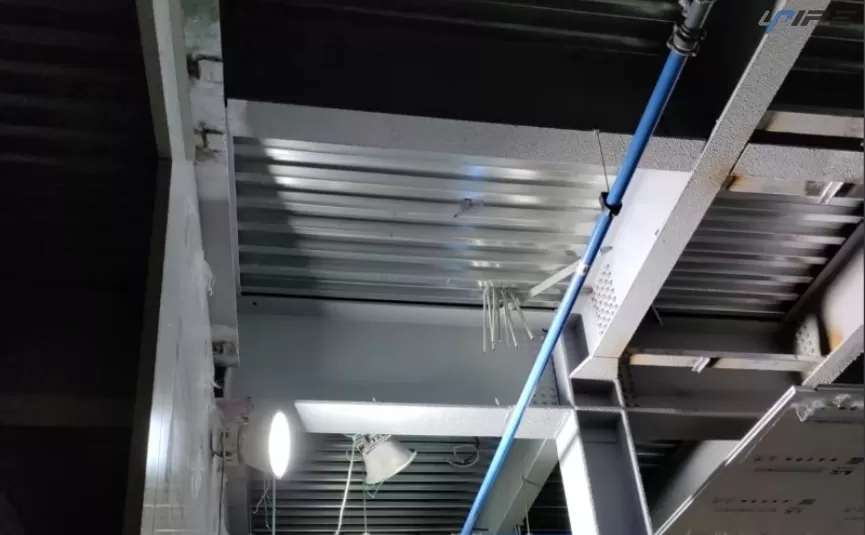
Installation efficiency is particularly valuable in operating factories, where construction work may need to take place without significantly disrupting production. Aluminum piping is relatively lightweight, making transportation and positioning easier than heavier metallic alternatives.
Dedicated cutting, deburring, drilling, and connection tools can support a more controlled installation process. Proper preparation of pipe ends is important because clean, accurately prepared connections help maintain sealing performance and reduce installation defects.
Another advantage is adaptability. Aluminum compressed air piping systems can be easier to modify when production layouts change, allowing additional branches or extensions to be incorporated without extensive welding operations. This flexibility can be useful for electronics plants with frequently changing equipment configurations.
Designing for Maintenance and Future Expansion
A piping network should be designed for its entire service life rather than only for the initial installation. Maintenance teams need access to valves, filters, drains, connection points, and other components without excessive disruption to production.
Isolation valves can divide the network into manageable sections. When one area requires maintenance, the affected section can be shut down while other production areas continue operating. This arrangement improves maintainability and can reduce unnecessary downtime.
Future capacity should also be considered during the initial compressed air piping system design. If a facility expects additional production equipment, the main distribution route should have sufficient capacity to accommodate reasonable growth. This approach can reduce the likelihood of repeated pipe replacement or major route changes.
Key Design Priorities for Electronics Facilities
The most effective design combines several engineering objectives rather than focusing on one specification. Pressure stability, cleanliness, leakage control, installation efficiency, and expandability should be considered together.
For electronics manufacturing, the following priorities are especially relevant:
Maintain stable pressure at critical points of use.
Select pipe diameters according to actual and future demand.
Minimize unnecessary bends and restrictive fittings.
Use corrosion-resistant piping where clean air distribution is important.
Reduce potential leakage at joints and connection points.
Provide suitable drainage and air-treatment arrangements.
Divide large networks into maintainable sections.
Keep branch lines short and logically positioned.
Allow room for future equipment expansion.
Inspect the network periodically for leaks and pressure losses.
Why UPIPE Fits Industrial Air Distribution
UPIPE provides aluminum piping, fittings, valves, connection components, and installation tools for compressed air, vacuum, and inert gas applications. Its aluminum construction combines relatively low weight with corrosion resistance, while the modular connection approach supports faster installation and easier changes to the piping layout.
For electronics manufacturing, these characteristics can be valuable where clean air distribution, organized routing, maintenance accessibility, and future flexibility are important. The piping network can be planned around production zones rather than forcing equipment placement to follow a rigid distribution arrangement.
A successful installation still depends on correct engineering. Pipe sizing, air treatment, routing, connection quality, drainage, and operating pressure should all be evaluated according to the facility's actual requirements.
Final Considerations for Compressed Air Distribution
Designing a compressed air piping system for electronics manufacturing requires more than choosing a suitable pipe and connecting it to the compressor. The distribution network should provide stable airflow, controlled pressure loss, dependable connections, appropriate air quality, and sufficient flexibility for future production changes.
Aluminum piping can provide a practical foundation for this type of installation because of its corrosion resistance, lightweight construction, smooth internal surface, and modular installation characteristics. When combined with appropriate air treatment, correctly sized pipework, reliable fittings, effective drainage, and routine maintenance, it can support a cleaner and more manageable compressed air distribution network.
For electronics manufacturers, the best piping design is ultimately one that works reliably under real production conditions while remaining easy to maintain and adapt. UPIPE aluminum piping solutions provide a flexible approach for building compressed air distribution networks that meet these practical requirements.
FAQ
What should be considered when designing compressed air piping for electronics manufacturing?
The main considerations include air demand, operating pressure, pipe diameter, pressure loss, route length, air quality, moisture control, leakage prevention, maintenance access, and future expansion. The design should reflect the requirements of the equipment rather than relying only on compressor capacity.
Is aluminum suitable for compressed air distribution?
Yes. Aluminum is widely used for compressed air distribution because it is lightweight and corrosion resistant. Its smooth internal surface can also support efficient airflow, while modular fittings can simplify installation and future modifications.
How can pressure loss be reduced in a compressed air network?
Appropriate pipe sizing is essential. Designers should also minimize unnecessary bends, avoid restrictive fittings, keep branch runs practical, and consider the total distance between the air source and points of use.
Why is leak prevention important in electronics factories?
Compressed air leaks continuously consume energy without contributing to production. Reliable fittings, proper installation, routine inspection, and timely repairs can help maintain distribution efficiency and reduce unnecessary compressor demand.
Can an aluminum piping layout be expanded later?
A modular aluminum piping arrangement can generally be easier to extend or modify than permanently welded piping. Additional branches and connection points can be incorporated when production equipment or facility layouts change, provided the existing network has adequate capacity.