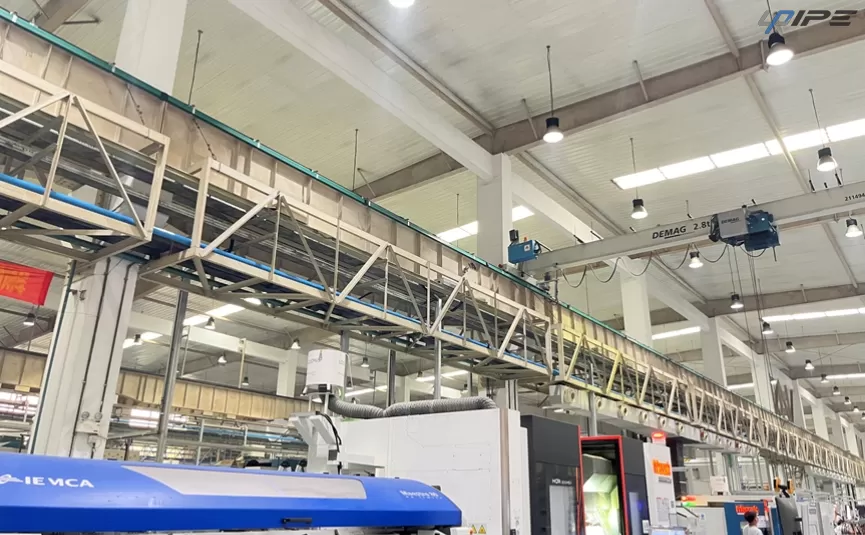
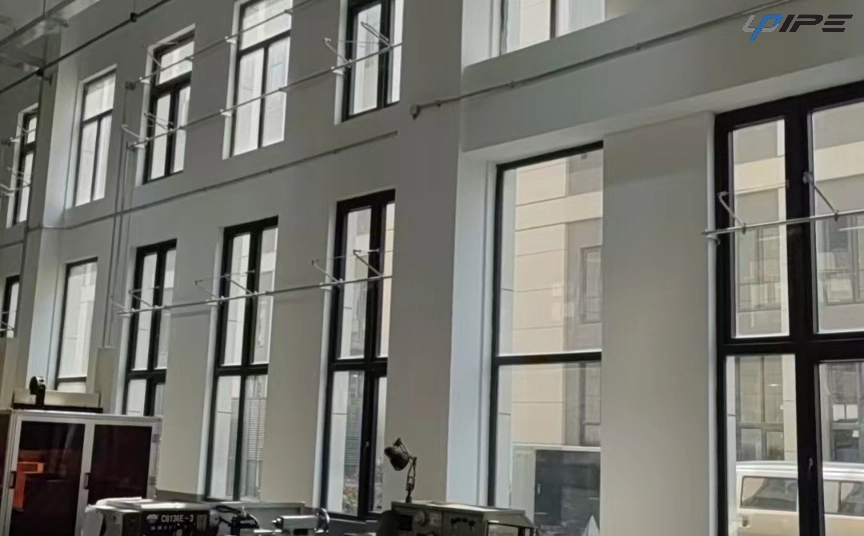
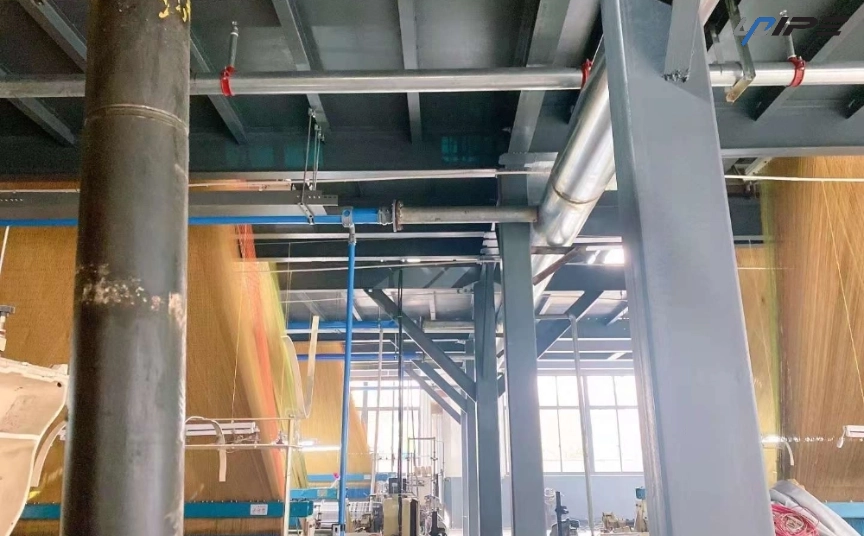
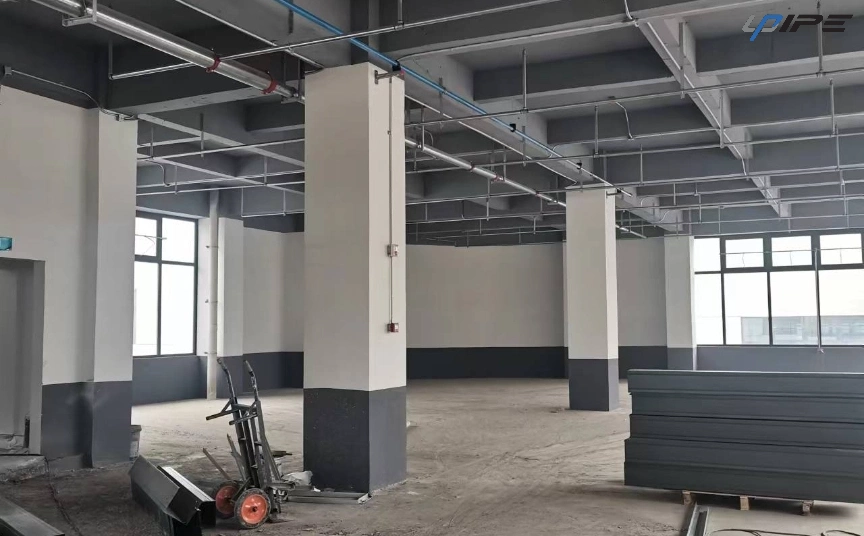
Improve factory airflow with aluminum compressed air piping systems featuring corrosion resistance, secure connections, smooth airflow, and easier textile air line installation.
Textile production depends heavily on stable compressed air. Pneumatic looms, spinning equipment, winding machines, air-jet machinery, cutting equipment, automatic controls, and material-handling devices can all require dependable air delivery throughout the production floor. When pressure fluctuates or leakage increases, the effect can extend beyond the air network and influence production consistency, maintenance schedules, and energy consumption.
For this reason, aluminum compressed air piping systems are increasingly worth considering when planning textile factory air lines. The right piping solution should do more than transport compressed air. It should provide clean internal passages, dependable connections, controlled pressure loss, resistance to vibration, and practical installation characteristics that suit a demanding textile production environment.
Why Textile Factories Need Carefully Designed Air Lines
Textile facilities often contain extensive production areas with numerous points of compressed air consumption. Air must travel from the compressor area through main lines, branch lines, drops, valves, and connections before reaching individual machines. A poorly planned distribution network can create unnecessary pressure loss and increase the number of potential leakage points.
Textile machinery also operates continuously in environments where vibration, airborne fibers, temperature changes, and frequent equipment movement can place additional demands on piping connections. Therefore, industrial compressed air piping for textile manufacturing needs to maintain connection stability while providing consistent airflow across different production zones.
A well-designed aluminum distribution network can address several of these requirements through material selection, connection construction, and carefully engineered fittings.
Smooth Aluminum Piping Helps Maintain Airflow Quality
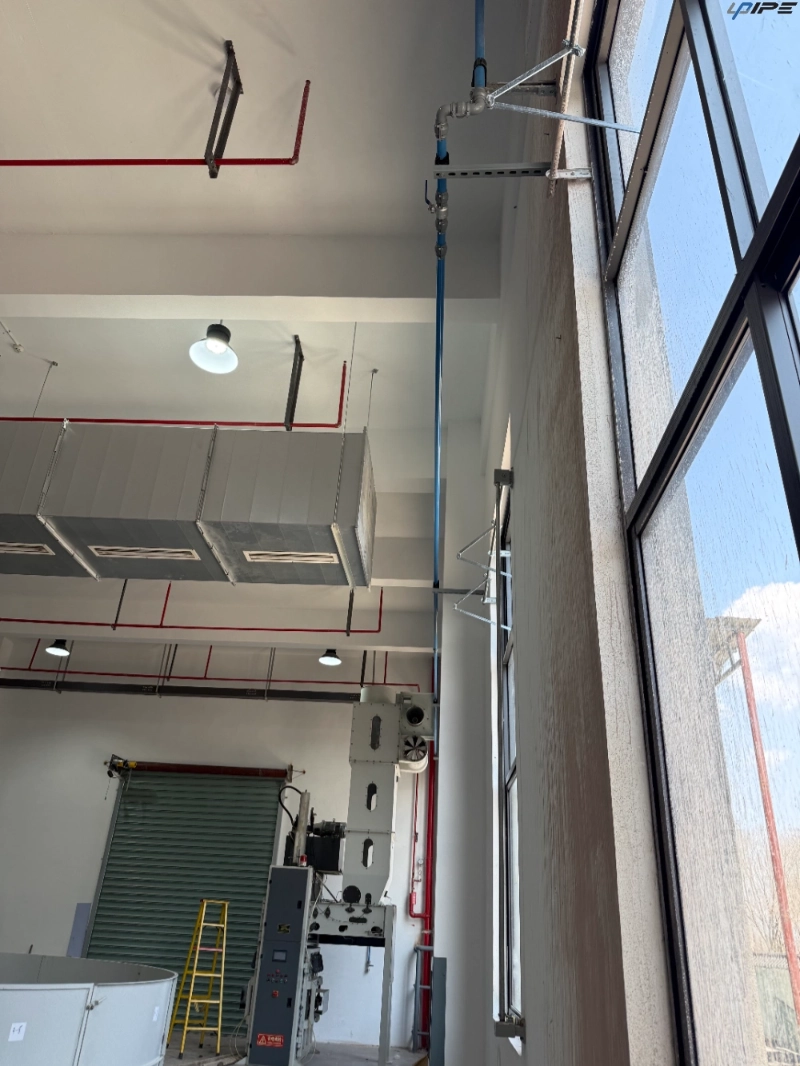
The internal condition of a compressed air pipe directly affects how efficiently air moves through the network. Traditional steel pipes can develop rust and scale over time, particularly when moisture is present. These deposits may increase internal roughness, restrict airflow, and introduce unwanted particles into downstream equipment.
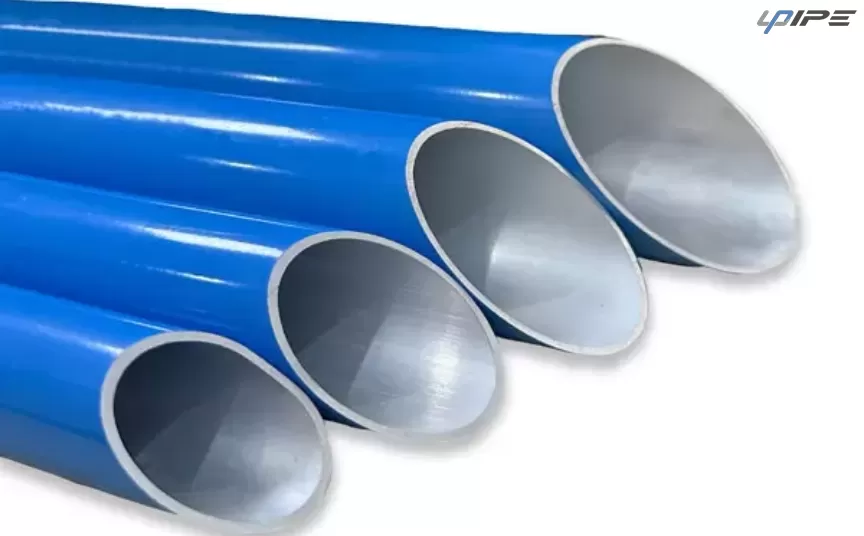
UPIPE uses pure aluminum without recycled material for its pipe construction. The clean material composition, combined with precisely processed pipe ends and smooth internal surfaces, helps provide a consistent passage for compressed air. This is particularly valuable in textile production, where pneumatic equipment may depend on stable pressure and clean air delivery.
The objective is not simply to use aluminum as an alternative material. The entire pipe structure should support predictable airflow throughout long operating periods.
Strong Pipe Construction Supports Long-Term Factory Operation
Textile factories typically place continuous demands on their compressed air infrastructure. Frequent cycling of pneumatic equipment and ongoing production activity mean that pipes and fittings must withstand repeated operating conditions without becoming a source of instability.
UPIPE aluminum pipes feature a thickened wall design across the available pipe range. This construction provides additional structural support while maintaining the handling advantages associated with aluminum. For industrial buyers, this balance between strength and manageable installation weight can simplify project execution without treating lightweight construction as a compromise in durability.
Pipe preparation is another important consideration. Precisely cut ends with clean internal surfaces help create better conditions for connection and installation. For larger pipes, pre-treated raised rings can further reduce preparation work at the installation site, helping installation teams complete connections more efficiently.
Connection Quality Is Critical for Leak Prevention
Air leakage is often associated with fittings and joints rather than the straight sections of pipe. A textile factory may contain hundreds of connection points, meaning even a small weakness repeated across the network can become a significant maintenance concern.
UPIPE pipe-to-pipe connectors use an integrated molding process designed to provide consistent strength between the connector body and bolt structure. This construction supports secure connections and improved resistance to operating pressure. Proper connector design is especially important in production areas where equipment vibration may continuously affect the pipeline.
Sealing performance also deserves careful attention. UPIPE uses imported rubber raw material from Thailand for its sealing components, helping provide strong sealing performance and reduce the risk of leakage caused by vibration or installation errors. For compressed air distribution, dependable sealing is an essential part of maintaining pressure efficiency.
Engineered Fittings Can Reduce Unnecessary Pressure Loss
A compressed air network is made up of much more than straight pipe. Tees, elbows, quick drops, valves, and other components influence how air changes direction and moves toward production equipment. Poorly designed fittings can introduce unnecessary turbulence and resistance.
UPIPE uses flow-directing shapes in tees, elbows, and quick drops to support smoother air movement while maintaining structural strength. This approach is important when designing aluminum compressed air piping for textile factories because the distribution network may need numerous branches without creating excessive resistance.
Instead of treating fittings as simple accessories, they should be considered functional parts of the airflow path. Their internal geometry, connection quality, and installation position all contribute to the overall performance of the pipeline.
Quick Drops Protect Equipment From Condensate
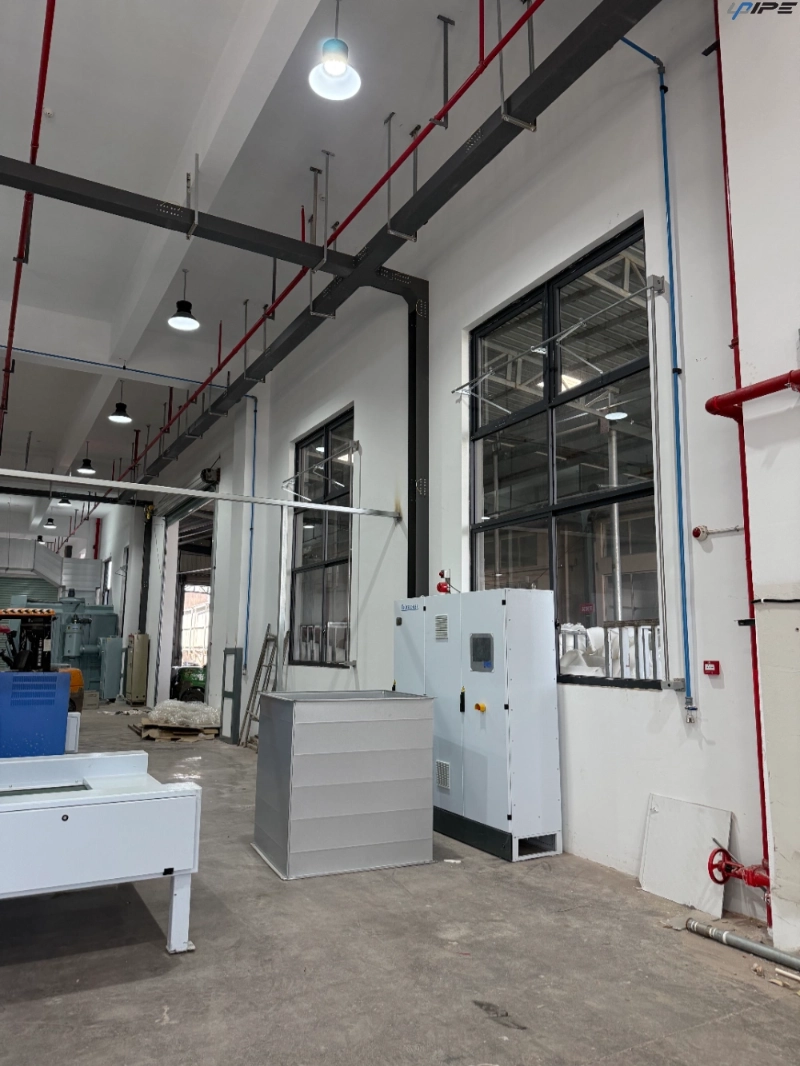
The point where compressed air leaves the main distribution line deserves special attention. Condensate can accumulate within compressed air networks, and poorly positioned drops may allow water to move toward sensitive pneumatic equipment.
UPIPE quick drops incorporate a gooseneck design that helps prevent condensate from flowing downward directly into the equipment connection. This design provides an additional level of protection for downstream machinery while keeping the air outlet practical for factory use.
The quick-drop body also uses reinforcement ribs to help prevent breakage caused by uneven stress. High-strength passive locking accessories are designed to reduce fracture risks, while multi-surface sealing provides a foolproof connection approach that makes installation easier and helps limit leakage.
These details matter in textile facilities because production equipment may require frequent access to compressed air while minimizing maintenance interruptions.
Anti-Vibration Design Matters on Textile Production Floors
Vibration is an unavoidable consideration around many types of textile machinery. Continuous mechanical movement can transfer vibration to nearby piping and connections. If clamps or fittings are not designed to accommodate these conditions, repeated stress may eventually affect connection stability.
UPIPE pipe clamps incorporate anti-vibration features to provide more secure support for the piping network. Proper clamping also helps maintain alignment and prevents excessive movement during operation.
The support structure should be considered during installation rather than added as an afterthought. Correct spacing, alignment, and secure fixing help distribute mechanical loads more evenly and protect connections throughout the operating life of the compressed air network.
Integrated Aluminum Ball Valves Provide Secure Control
Isolation valves allow specific sections of a compressed air network to be shut off during maintenance, equipment replacement, or production adjustments. Their reliability is therefore important to both operational control and maintenance efficiency.
UPIPE ball valves are manufactured from integrated aluminum alloy, providing a robust construction for long-term operation. Using compatible valve components within the same piping solution can also simplify procurement and help maintain consistency across the installation.
For textile production facilities with multiple branches, strategically positioned valves can make it easier to isolate individual areas without interrupting compressed air delivery to the entire production floor.
Clean Packaging Protects Pipe Quality Before Installation
Pipeline performance can be affected before installation even begins if pipe interiors are exposed to dust, moisture, or other contaminants during transportation and storage. This consideration is particularly relevant for factories where compressed air cleanliness is important.
UPIPE packages its pipes with non-woven fabric lining, external plastic sealing, and sealed pipe ends to reduce exposure to external contamination. Protecting the pipe during transportation helps preserve its internal condition until the installation stage.
This may appear to be a small manufacturing detail, but it reflects an important principle in industrial procurement: quality control should continue from production through delivery and installation rather than stopping when the pipe leaves the factory.
Key Features for Textile Factory Air Lines
| Design Feature | Practical Value for Textile Production |
|---|
| Pure aluminum construction | Corrosion-resistant material for long-term air distribution |
| Smooth internal surfaces | Supports efficient and clean airflow |
| Thickened pipe walls | Provides additional structural strength |
| Integrated pipe connectors | Supports secure and pressure-resistant connections |
| High-performance sealing rubber | Helps reduce leakage caused by vibration or installation |
| Flow-directing fittings | Helps reduce unnecessary pressure loss |
| Gooseneck quick drops | Helps protect equipment from condensate |
| Anti-vibration pipe clamps | Improves piping support and connection stability |
| Integrated aluminum ball valves | Provides secure section isolation |
| Protected pipe packaging | Helps prevent contamination before installation |
Plan the Distribution Network Around Production Requirements
Selecting quality components is only one part of designing aluminum compressed air piping systems for textile factories. The distribution layout should also reflect the actual production environment. Main lines should be positioned to supply different areas efficiently, while branch lines should be sized according to the expected air demand of connected equipment.
The number of fittings should be controlled without sacrificing accessibility. Valves and quick drops should be positioned where operators and maintenance personnel can reach them conveniently. Drainage considerations should also be incorporated into the layout so that condensate can be managed without exposing pneumatic equipment to unnecessary moisture.
Future production adjustments should also be considered during planning. Leaving suitable connection opportunities can make later expansion easier and reduce the need to disturb existing production areas.
Installation Accuracy Protects the Investment
Even high-quality piping components require careful installation. Pipe ends should be prepared correctly, connectors should be assembled according to the recommended procedure, and clamps should provide adequate support without placing excessive stress on the pipe.
The installation team should also inspect connections before commissioning the compressed air network. Checking for leakage, verifying airflow, and confirming that valves and drops operate correctly can identify problems before the pipeline becomes part of daily production.
For international textile manufacturers, choosing a supplier that can provide compatible pipes, fittings, valves, drops, and technical guidance can simplify procurement and reduce compatibility concerns during installation.
Why UPIPE Is Suitable for Textile Air Distribution
UPIPE focuses on aluminum piping solutions for compressed air applications where airflow efficiency, connection reliability, installation convenience, and long-term durability are important. Its approach combines pure aluminum pipes, reinforced construction, precision processing, engineered fittings, secure sealing components, anti-vibration supports, and practical quick-drop designs.
Rather than relying on a single material advantage, the complete product structure is designed around the challenges that occur throughout a compressed air distribution network. For textile factories, this can provide a more consistent approach to building air lines that support pneumatic production equipment while simplifying installation and maintenance.
Final Considerations Before Selecting Piping
When purchasing compressed air piping for a textile factory, buyers should look beyond pipe material alone. Internal surface quality, wall construction, connection strength, sealing performance, fitting geometry, condensate protection, pipe support, valve construction, and packaging quality can all influence the final result.
Aluminum compressed air piping systems can provide a practical combination of corrosion resistance, clean airflow, lightweight handling, and modular installation. When these characteristics are supported by carefully engineered connectors and fittings, the resulting air network can be better prepared for the continuous demands of textile manufacturing.
For factories planning a new compressed air network or replacing aging piping, evaluating the complete solution rather than individual components can lead to a more dependable and easier-to-maintain installation. UPIPE provides the combination of aluminum piping and supporting components needed to build industrial air lines around the actual requirements of textile production.
FAQ
Why are aluminum compressed air piping systems suitable for textile factories?
Aluminum offers corrosion resistance, clean internal surfaces, and relatively lightweight handling. Combined with reliable connectors and fittings, these characteristics make it suitable for textile facilities requiring consistent compressed air distribution.
How can UPIPE piping help reduce compressed air leakage?
UPIPE combines integrated pipe-to-pipe connectors with high-performance sealing rubber and carefully designed connection components. These features help maintain secure connections and reduce leakage risks associated with vibration or improper installation.
How do quick drops help protect textile machinery?
The gooseneck design helps prevent condensate from flowing directly downward into connected equipment. Reinforced construction and multi-surface sealing also support secure and practical installation.
Why are anti-vibration pipe clamps important?
Continuous vibration can place stress on piping connections. Anti-vibration clamps help provide stable support, maintain alignment, and reduce unnecessary movement within the compressed air network.
What should buyers consider when selecting aluminum compressed air piping for textile production?
Buyers should evaluate pipe material, internal surface quality, wall strength, connectors, sealing performance, fitting design, quick drops, valves, pipe supports, installation requirements, and future expansion needs rather than considering pipe price alone.