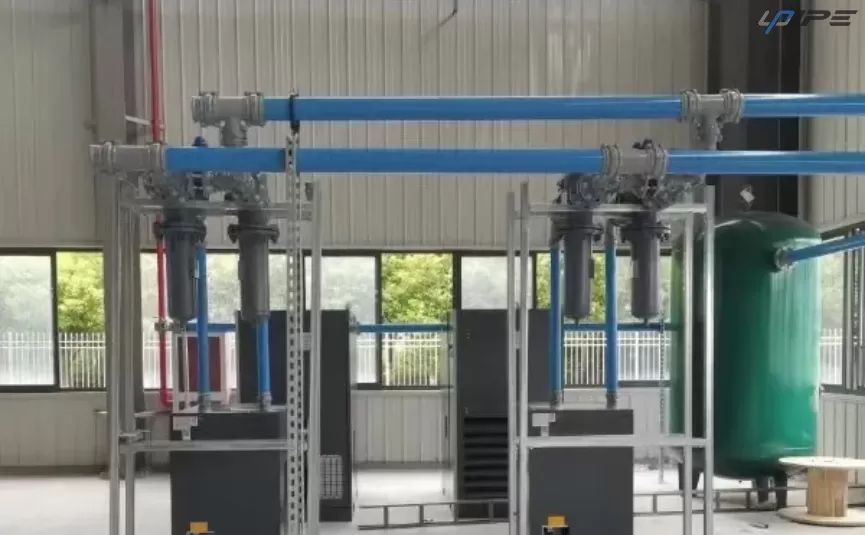
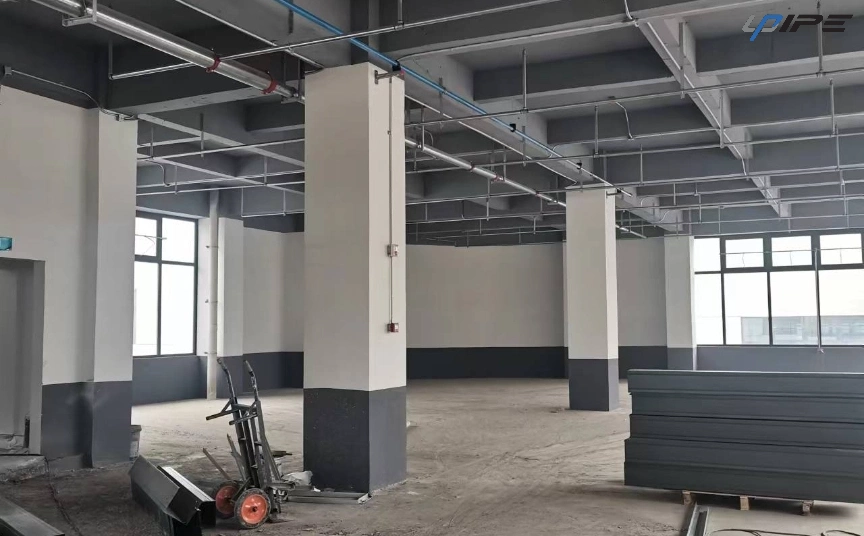
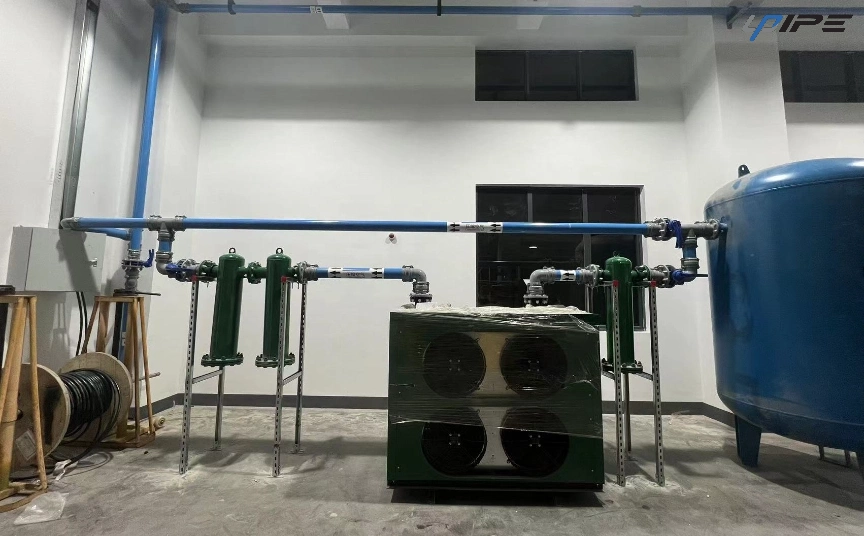
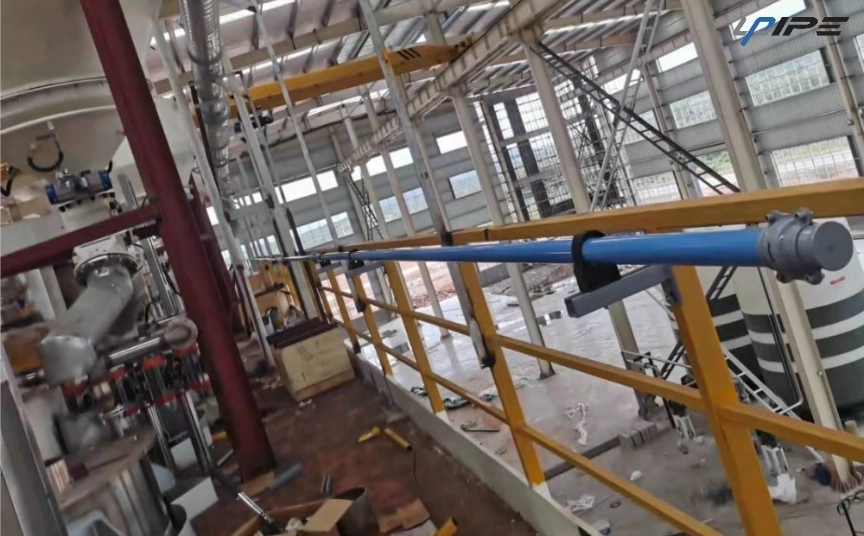
Global manufacturing operations depend heavily on efficient, clean, and reliable compressed air distribution. As production environments become more automated and energy-conscious, the choice of piping infrastructure plays a decisive role in operational performance. Among the available options, the Aluminium Compressed Air Pipe System has emerged as a preferred solution due to its balance of durability, efficiency, and ease of installation—especially when paired with the realities of international ocean transportation and global supply chains.
In this blog post, UPIPE, as high performance aluminium air pipe line supplier, will share the the features of aluminium compressed air pipe systems for manufacturing plants, covering design considerations, logistics challenges, installation practices, and performance optimization from a global perspective.
Why Aluminium Pipe Systems Fit Modern Manufacturing Needs
Manufacturing plants require compressed air systems that deliver consistent pressure, minimize leaks, and adapt to evolving layouts. Traditional materials such as steel or copper often struggle to meet these demands without extensive maintenance or higher lifecycle costs.
An aluminium compressed air piping system addresses these issues through its inherent properties:
Corrosion resistance ensures long-term air quality
Lightweight structure simplifies handling and reduces installation time
Smooth internal surfaces minimize pressure drop and energy loss
Modular design allows scalability and flexible reconfiguration
These characteristics align closely with the priorities of modern manufacturing, where downtime, inefficiency, and contamination directly impact profitability.
Material Advantages in Industrial Air Distribution
The performance of compressed air networks is deeply influenced by the material used. Aluminium stands out for several technical and operational reasons.
Corrosion-Free Airflow Integrity
Unlike steel pipes that oxidize over time, aluminium does not rust internally. This eliminates the risk of contaminants entering pneumatic tools or sensitive production processes. Clean air delivery is especially critical in sectors such as electronics, food processing, and precision engineering.
Reduced Pressure Loss
The internal surface of aluminium pipes remains smooth throughout their lifespan. This reduces friction, allowing compressed air to flow with minimal resistance. As a result, compressors operate more efficiently, lowering energy consumption—a key concern in high-demand manufacturing environments.
Structural Efficiency and Weight
An aluminium compressed air pipe system is significantly lighter than traditional alternatives. This reduces structural load on facility infrastructure and simplifies installation, particularly in large plants where piping networks span extensive distances.
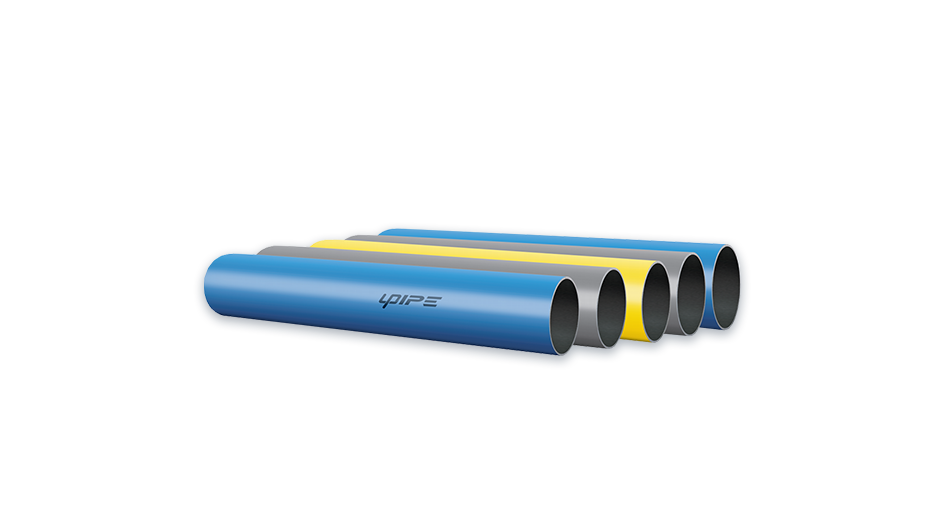
Designing an Aluminium Compressed Air Pipe System for Plants
A well-designed system is essential to fully leverage the benefits of aluminium piping. Design decisions should consider both immediate operational needs and long-term scalability.
Layout Planning for Air Distribution
Efficient air distribution depends on a well-structured layout. Loop systems are often preferred over dead-end configurations because they maintain consistent pressure and reduce flow imbalance.
Key considerations include:
Strategic placement of drop points
Minimizing unnecessary bends and fittings
Ensuring proper pipe sizing based on airflow demand
Allowing space for future expansion
A modular aluminium compressed air pipe system enables these design principles to be implemented without complex fabrication.
Pressure and Flow Optimization
Manufacturing plants often experience varying air demand across different production zones. Designing a system that accommodates peak loads without excessive energy use is crucial.
Aluminium piping supports this by:
Maintaining stable pressure levels
Reducing leakage risks through secure fittings
Supporting high-pressure applications without deformation
Proper sizing and system balancing ensure that compressed air reaches every endpoint efficiently.
Installation Efficiency and Modular Flexibility
One of the most practical advantages of aluminium piping systems is the ease of installation. Unlike welded steel systems, aluminium pipes typically use push-fit or compression fittings.
Faster Installation Timelines
Manufacturing projects often operate under tight deadlines. Aluminium systems can be installed significantly faster due to:
No need for welding or threading
Reduced labor requirements
Pre-engineered components for quick assembly
This translates into shorter downtime and faster commissioning of production lines.
Adaptability to Changing Layouts
Manufacturing plants frequently undergo layout changes to accommodate new machinery or production processes. A modular aluminium compressed air pipe system allows for:
Easy disassembly and reconfiguration
Minimal disruption during modifications
Reuse of existing components
This flexibility supports long-term operational efficiency and reduces total cost of ownership.
Role of International Ocean Transportation in Supply Chain
For global manufacturers, sourcing piping systems often involves international logistics. Ocean transportation plays a critical role in ensuring that materials arrive safely, cost-effectively, and on schedule.
Packaging and Protection for Aluminium Pipes
Although aluminium is durable, proper packaging is essential during long-distance shipping. Key practices include:
Protective wrapping to prevent surface damage
Secure bundling to avoid movement during transit
Moisture-resistant packaging to maintain material integrity
These measures ensure that the aluminium compressed air pipe system arrives in optimal condition for installation.
Cost Efficiency of Ocean Freight
Compared to air freight, ocean transportation offers a more economical solution for bulk shipments. This is particularly relevant for large-scale manufacturing projects requiring extensive piping networks.
Benefits include:
Lower transportation costs per unit
Ability to ship large volumes efficiently
Reduced environmental impact compared to air transport
Careful planning of shipping schedules helps align delivery timelines with project milestones.
Maintenance Considerations and Long-Term Performance
A major advantage of aluminium piping systems is the reduced need for maintenance. However, proper system management remains essential for sustained performance.
Leak Prevention and System Integrity
Leaks are a common issue in compressed air systems and can lead to significant energy losses. Aluminium systems mitigate this risk through:
Precision-engineered fittings
Stable material properties that resist deformation
Secure connection mechanisms
Regular inspection ensures that the system continues to operate at peak efficiency.
Minimal Internal Degradation
Because aluminium does not corrode internally, there is no buildup of rust or scale. This reduces the need for cleaning and prevents blockages that could disrupt airflow.
As a result, the system maintains consistent performance over time, supporting uninterrupted manufacturing operations.
Energy Efficiency and Cost Optimization
Energy consumption is a major concern in manufacturing plants, and compressed air systems are often among the largest energy users.
Lower Operational Costs
An aluminium compressed air pipe system contributes to cost savings by:
Reducing pressure drops, which lowers compressor workload
Minimizing leaks, preventing wasted energy
Maintaining consistent airflow, improving equipment efficiency
These factors collectively reduce operational expenses and improve overall plant efficiency.
Lifecycle Cost Advantages
While initial investment may vary, aluminium systems often deliver better value over time due to:
This makes them a strategic choice for manufacturers seeking long-term cost optimization.
Environmental and Sustainability Benefits
Sustainability is becoming an increasingly important consideration in industrial operations. Aluminium piping systems offer several environmental advantages.
Recyclability of Aluminium
Aluminium is highly recyclable without loss of quality. This supports circular economy principles and reduces environmental impact.
Energy Savings and Emission Reduction
By improving system efficiency and reducing energy consumption, aluminium compressed air systems contribute to lower greenhouse gas emissions. This aligns with global efforts to promote sustainable manufacturing practices.
Integration with Modern Manufacturing Technologies
As manufacturing evolves, compressed air systems must integrate seamlessly with advanced technologies.
Compatibility with Automation Systems
Modern plants rely on automated machinery that requires stable and clean compressed air. Aluminium piping systems provide:
Consistent pressure for reliable operation
Clean air delivery for sensitive equipment
Flexibility to support system upgrades
Smart Monitoring and System Optimization
Advanced monitoring tools can be integrated with compressed air systems to track performance and identify inefficiencies. Aluminium systems support these technologies by maintaining stable operating conditions.
Selecting the Right Aluminium Compressed Air Pipe System
Choosing the appropriate system involves evaluating multiple factors beyond material selection.
Key Selection Criteria
Pressure and temperature requirements
Plant size and layout complexity
Future expansion plans
Compatibility with existing infrastructure
A well-chosen system ensures optimal performance and long-term reliability.
Supplier and Logistics Considerations
For international projects, selecting a supplier with experience in ocean transportation is essential. Reliable logistics ensure timely delivery and minimize risks associated with global shipping.
Common Challenges and Practical Solutions
Even with advanced materials, certain challenges may arise during implementation.
Handling Large-Scale Installations
In extensive manufacturing facilities, coordinating installation across multiple zones can be complex. Modular aluminium systems simplify this by enabling phased installation.
Managing International Shipping Delays
Ocean transportation can be affected by external factors such as port congestion or weather conditions. Mitigation strategies include:
Early planning and scheduling
Buffer inventory management
Working with experienced logistics partners
These approaches help maintain project timelines.
Future Trends in Compressed Air Piping Systems
The evolution of manufacturing will continue to influence the development of compressed air systems.
Increased Demand for Modular Solutions
Flexibility will remain a key priority, driving the adoption of modular aluminium piping systems that can adapt to changing production needs.
Focus on Energy Efficiency
As energy costs rise, manufacturers will prioritize systems that reduce consumption and improve efficiency. Aluminium piping will play a central role in achieving these goals.
Integration with Digital Technologies
Smart factories will require compressed air systems that integrate with digital monitoring and control platforms, enabling real-time optimization.
Conclusion
An Aluminium Compressed Air Pipe System represents a strategic investment for manufacturing plants seeking efficiency, reliability, and adaptability. Its advantages extend beyond material properties to include installation efficiency, long-term cost savings, and compatibility with modern industrial practices.
When combined with effective international ocean transportation strategies, aluminium piping systems can be deployed globally with confidence, supporting the demands of modern manufacturing operations. By focusing on thoughtful design, proper logistics, and ongoing optimization, manufacturers can build compressed air networks that deliver consistent performance and sustainable value over time.