Reduce energy loss with an aluminum compressed air piping system featuring leak-resistant connections, clean airflow, and durable performance for industrial facilities.
How Air Leaks Increase Operating Costs
Air leaks are one of the most overlooked causes of energy loss in industrial production. Even a small leak can force compressors to work longer, consume more electricity, and reduce the efficiency of pneumatic equipment. As production expands, unnoticed leaks often multiply, creating higher operating costs and unnecessary maintenance work.
Selecting an aluminum compressed air piping system is one of the most effective ways to reduce these losses from the source. Unlike traditional steel piping that may corrode, accumulate debris, or develop sealing problems over time, aluminum piping provides a cleaner airflow path and more reliable connections. Its lightweight construction also makes installation more precise, reducing the possibility of alignment issues that often contribute to leakage.
Why Traditional Piping Is More Vulnerable to Air Leaks
Many factories continue using galvanized steel or black iron piping because of familiarity rather than performance. While these materials can transport compressed air, they gradually become susceptible to internal corrosion, rust accumulation, and pressure loss. As corrosion develops, sealing surfaces become less reliable, increasing the chance of leakage throughout the pipeline.
In addition, threaded joints and welded connections may loosen after years of vibration and thermal expansion. Every connection becomes a potential escape point for compressed air, reducing delivery efficiency and increasing compressor workload. Regular maintenance can slow these issues, but it rarely eliminates them completely.
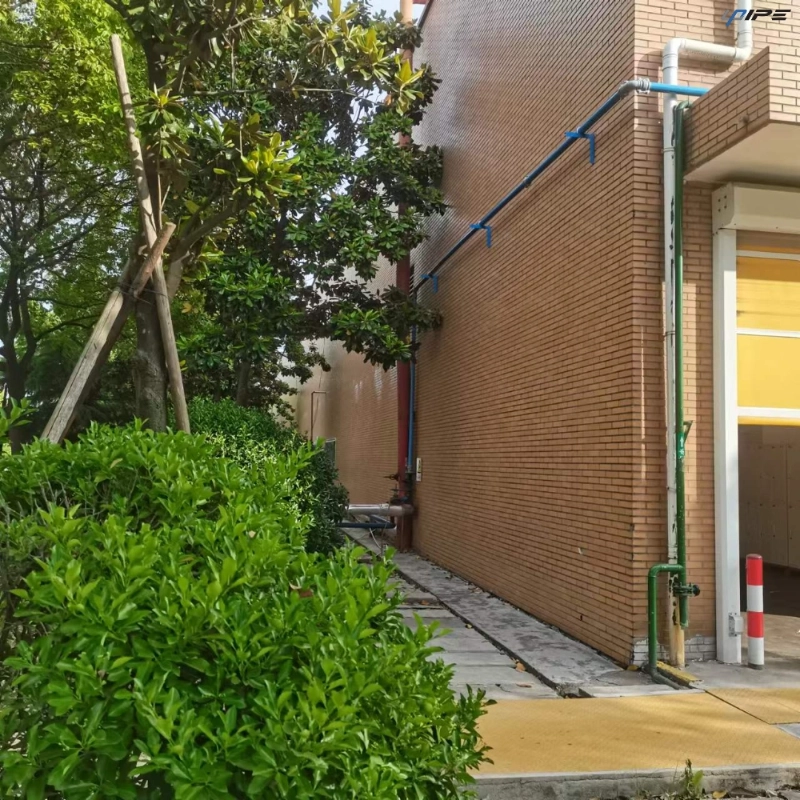
How an Aluminum Compressed Air Piping System Prevents Leakage
A high-quality aluminum compressed air piping system is engineered to minimize leakage through both material selection and connection design. The smooth inner wall reduces airflow resistance while preventing rust and scale from forming inside the pipeline. Stable internal pressure places less stress on fittings, allowing seals to maintain consistent performance over long operating periods.
Precision-machined connectors combined with double-sealing technology create secure joints that resist vibration and pressure fluctuations. Since aluminum does not corrode like carbon steel, sealing surfaces remain clean and stable, allowing every connection to retain its integrity for years with minimal maintenance.
Lightweight Materials Improve Installation Accuracy
Installation quality has a direct impact on leakage prevention. Heavy steel pipes often require additional handling equipment, making alignment more difficult during assembly. Aluminum pipes are significantly lighter, allowing installers to position and connect sections with greater precision.
Accurate alignment reduces unnecessary stress on connectors and sealing rings. As a result, fittings remain properly seated, helping maintain airtight performance even when production equipment operates continuously under demanding conditions.
Corrosion Resistance Protects Long-Term Performance
Corrosion does more than damage pipe walls. It also contaminates compressed air, increases pressure loss, and gradually weakens connection points. Aluminum naturally forms a protective oxide layer that prevents rust from developing inside the pipeline.
This clean interior helps maintain stable airflow while protecting pneumatic tools, valves, filters, and automated equipment from contamination. Industries such as food processing, electronics, pharmaceuticals, and precision manufacturing particularly benefit from cleaner compressed air delivery.
Comparing Different Pipe Materials
| Feature | Aluminum Piping | Carbon Steel | Galvanized Steel |
|---|
| Corrosion Resistance | Excellent | Low | Moderate |
| Internal Surface | Smooth | Rust develops | May deteriorate over time |
| Installation Weight | Light | Heavy | Heavy |
| Air Leakage Risk | Low | Higher | Moderate |
| Maintenance Demand | Low | High | Moderate |
| Air Quality | Clean | Rust particles possible | Zinc residue possible |
The comparison shows why many manufacturers replace older pipelines with aluminum solutions when reducing leakage becomes a priority.
Proper Installation Makes a Significant Difference
Even premium materials require correct installation practices. Pipes should be accurately supported, connectors properly tightened, and expansion allowances considered during layout planning. Avoid unnecessary bends and excessive connection points because every additional fitting increases the possibility of future leakage.
A well-designed compressed air pipe system also considers airflow direction, equipment locations, and future production expansion. Efficient routing minimizes pressure drop while maintaining consistent air delivery across the entire facility.
Routine Inspection Helps Maintain Airtight Performance
Leak prevention does not end after installation. Scheduled inspections help identify loose fittings, damaged seals, or accidental mechanical impacts before they develop into larger problems. Ultrasonic leak detectors are widely used because they locate small leaks that cannot be heard during normal production.
Monitoring operating pressure also provides valuable information. Unexpected pressure fluctuations may indicate hidden leakage somewhere within the pipeline. Addressing these issues early prevents unnecessary energy consumption and extends equipment life.
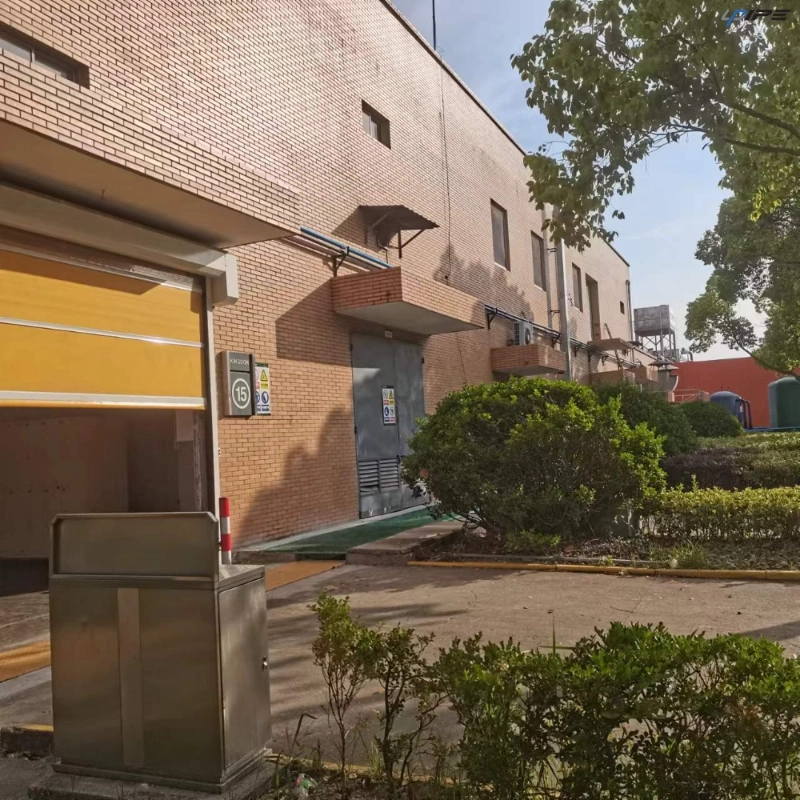
Selecting Reliable Compressed Air Pipe Suppliers
Product quality directly affects long-term sealing performance. Experienced compressed air pipe suppliers invest in precision manufacturing, strict dimensional control, and dependable sealing technology that reduces installation errors and improves operational reliability.
UPIPE focuses on aluminum piping designed for industrial compressed air distribution. High-quality aluminum materials, precision connectors, and dependable sealing structures help manufacturers reduce leakage while simplifying installation and future expansion. Choosing a trusted supplier also ensures consistent product quality, technical guidance, and dependable after-sales support throughout the pipeline lifecycle.
Supporting Energy Efficiency Beyond Leak Prevention
Reducing leakage produces benefits that extend well beyond lower electricity bills. Stable air pressure improves pneumatic tool performance, reduces compressor cycling, and decreases wear on production equipment. Maintenance teams spend less time repairing leaking joints, allowing more attention to preventive maintenance and productivity improvements.
Many manufacturers searching for dependable compressed air system solutions now recognize that pipeline quality plays a critical role in overall energy efficiency. A reliable aluminum pipeline provides a strong foundation for cleaner air delivery, lower operating costs, and more predictable production performance.
Planning Future Expansion with Flexible Aluminum Piping
Manufacturing facilities rarely remain unchanged. New production lines, additional machinery, or layout adjustments often require pipeline modifications. Aluminum piping offers excellent flexibility because additional sections can be integrated with minimal disruption to existing production.
This modular approach shortens installation time while reducing labor costs and production downtime. Businesses also gain greater flexibility when planning future capacity increases without replacing large sections of their existing compressed air line system.
Conclusion
Preventing air leaks begins with selecting the right piping material rather than relying solely on frequent maintenance. Aluminum piping combines corrosion resistance, lightweight construction, smooth internal surfaces, and dependable sealing technology to minimize leakage throughout years of continuous operation.
UPIPE delivers high-quality aluminum piping designed to improve airflow efficiency, maintain clean compressed air, and reduce long-term operating expenses. For manufacturers seeking greater reliability and lower energy consumption, investing in an aluminum pipeline is a practical decision that supports sustainable industrial performance.
FAQ
Why does aluminum piping reduce air leaks?
Aluminum piping uses precision-engineered connections, corrosion-resistant material, and smooth internal surfaces that help maintain stable sealing performance over long operating periods.
Is aluminum better than galvanized steel for compressed air?
For many industrial applications, aluminum offers lower leakage risk, cleaner air delivery, lighter installation weight, and reduced maintenance compared with galvanized steel.
How often should compressed air pipelines be inspected?
Routine inspections are recommended at scheduled maintenance intervals. Facilities with continuous production typically perform leak detection several times each year to maintain peak efficiency.
Can existing factories upgrade to aluminum piping?
Yes. Aluminum piping is lightweight and easy to expand, making it suitable for replacing aging pipelines or integrating with existing production layouts while minimizing installation downtime.
Why choose UPIPE?
UPIPE provides durable aluminum piping with reliable sealing performance, corrosion resistance, easy installation, and dependable technical support, helping manufacturers improve compressed air efficiency and reduce long-term operating costs.