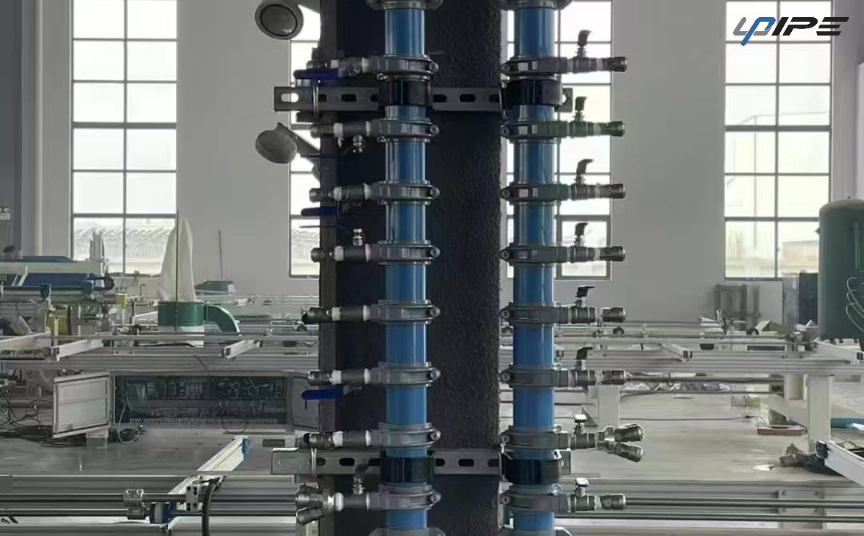
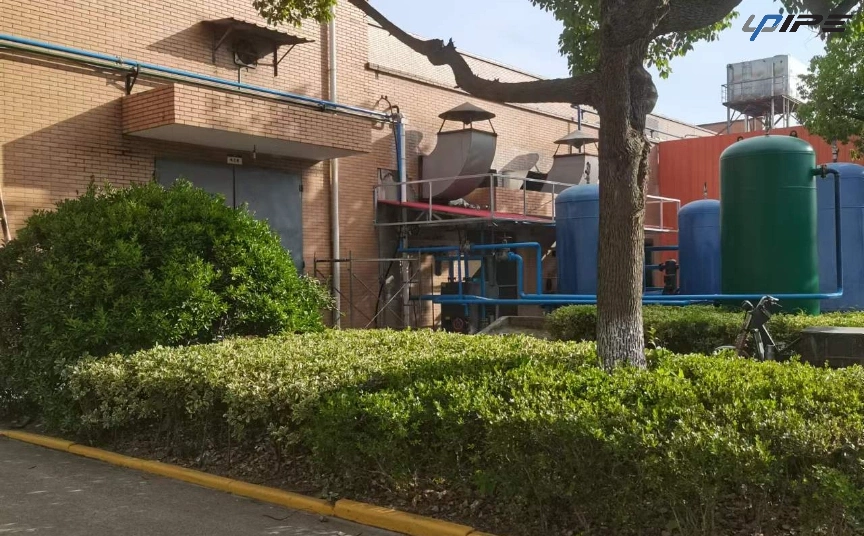
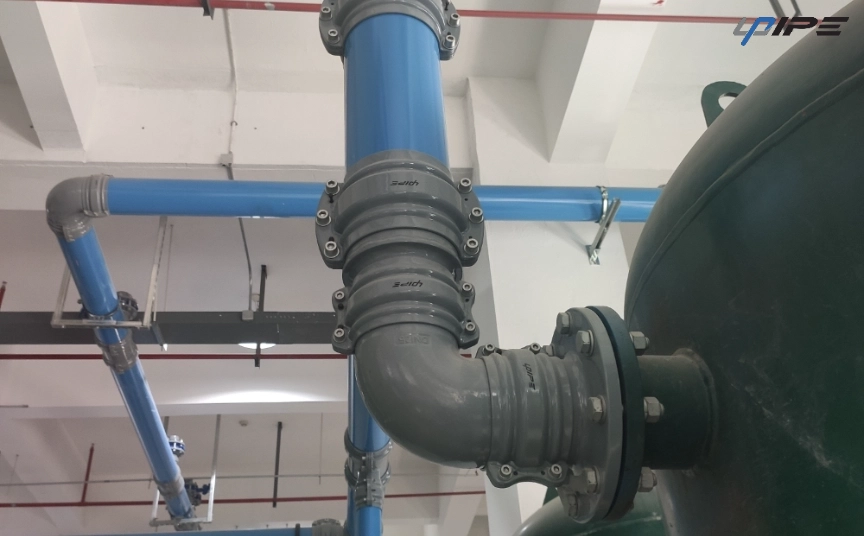
You need a good compressed air pipe system for your car factory. UPIPE is the best choice. AIRpipe also works well and is dependable. Picking the right system helps you work better and spend less money. Studies in the industry show:
You want pipes that last a long time. Stainless steel is very strong and does not rust, but it costs a lot and needs experts to put in. Copper is tough and does not rust either, but it is getting more expensive. Aluminum pipes are now common in car factories. They are light, do not rust, and are simple to install. This means you can trust aluminum pipes to work well for many years without needing to change them often.
Tip: Pick materials that keep air clean and stop leaks for the best results.
Pressure and Performance
Car factories use compressed air pipes to run many tools and robots. These pipes must handle high pressure and go across big spaces. Aluminum pipes can take up to 232 PSI, which is enough for most car factory jobs. You should not use PPR pipes for high-pressure tools because they are not made for tough jobs.
Corrosion Resistance
Rust can block air, lower pressure, and make your system work harder. This can raise your energy bills. Using pipes that do not rust, like aluminum or stainless steel, helps stop these problems. Aluminum makes a shield that keeps it from rusting, so you spend less time and money fixing things. Checking your pipes often and using special tests can help you find problems early and keep your system working well.
Installation and Maintenance
Putting in pipes can be hard if they are too small, too long, or have too many turns. These problems can lower pressure and make repairs harder. Aluminum pipes are easy to put in and change, so you save time and money. Plan your pipe layout well and leave space to add more later. Pipes that do not rust and need fewer fixes make taking care of your system easier.
Cost-Effectiveness
Aluminum pipes cost more at first, but you save money later. They use less energy and need fewer repairs, so your bills go down. Most places get their money back in two years. Old pipes like black iron and galvanized steel may seem cheap, but you will pay more for repairs and new pipes over time.
Material
Pressure Rating
Corrosion Resistance
Installation Time
Maintenance Needs
Aluminum
Up to 232 PSI
None
Fast
Minimal
Stainless Steel
Varies
Very High
Slow
Minimal
Black Iron
Varies
Low
Slow
Frequent
Copper
250-400 PSI
High
Slow
Minimal
Note: Aluminum pipes give you the best mix of strength, good work, and price for car factories.
Best Compressed Air Pipe Brand
UPIPE Overview
You want a compressed air pipe system that works every day. UPIPE is a top brand in the industry. Many car factories use UPIPE because it has new technology and strong materials. UPIPE makes its pipes from high-quality aluminum. This material does not rust and keeps your air clean. Big car plants around the world use UPIPE systems. The company is known for being reliable and creative. UPIPE makes products for the hard jobs in car factories.
UPIPE’s team helps you from start to finish. You get expert help at every step.
Key Features and Benefits
UPIPE gives you many good things when you pick their system. Here are some important features:
Lightweight Aluminum Construction: You can move and put in the pipes easily. This saves you time and money on work.
High Pressure Rating: UPIPE can handle up to 232 PSI. You can use all your tools and machines with no problem.
Corrosion Resistance: The aluminum pipes do not rust. Your system stays clean and works well for a long time.
Quick Installation: The design lets you change or add to your system fast. You do not need special tools.
Low Maintenance: You spend less time fixing leaks or changing parts. This means your factory works more.
You get a system that works well and lasts many years. UPIPE helps you save energy and have less downtime.
Why UPIPE for Automotive Factories
You need a compressed air pipe system that is fast and strong. UPIPE gives you what you need. The system moves a lot of air and keeps pressure steady over long pipes. You can trust UPIPE to give clean, dry air everywhere in your factory. This helps your robots, tools, and paint booths work their best.
Many car factories pick UPIPE because it is easy to put in and change. You can add new pipes or move things as your factory grows. UPIPE’s strong aluminum pipes stop leaks and keep your air safe. You save money on repairs and energy bills. You also get help from UPIPE’s experts when you need it.
Note: AIRpipe is also a good choice if you want an aluminum system. Many factories use AIRpipe because it is good and works well.
You make a smart choice when you pick UPIPE for your car factory. You get a system ready for the future.
Brand Comparison
UPIPE vs. AIRpipe
Busy car factories need good pipe systems. UPIPE and AIRpipe use aluminum pipes. Aluminum pipes are strong and do not rust. They help keep air clean in your factory. UPIPE is easy to install and fits many layouts. AIRpipe also installs fast and stops leaks well. Both brands use O-ring seals to stop leaks and keep things working right.
Feature
UPIPE & AIRpipe
Piping Material
Aluminum (corrosion resistant)
Installation Time
Half the time of traditional systems
Maximum Pressure
Up to 190 psi
Energy Efficiency
Smooth inner wall lowers air costs
Leak Prevention
O-ring seals for leak-free operation
Compliance
ASME and OSHA standards
Fire Resistance
Meets UL94HB flammability standard
Application
Small shops and large factories
Both brands work well in busy factories. You can trust them to do the job.
Aluminum vs. Steel and Iron Pipes
Picking the right pipe material is important. Aluminum pipes weigh much less than iron pipes. You can put them in easily and do not need big supports. Aluminum does not rust, so your air stays clean. Steel and iron pipes can rust and make air dirty. Aluminum pipes stop leaks and have smooth insides. This helps keep air moving and saves energy.
Aluminum pipes help you save money and keep your factory working well.
Strengths and Weaknesses
Aluminum systems from UPIPE and AIRpipe have many strengths. They do not rust, install fast, and stop leaks. You spend less on repairs and energy. Steel and iron pipes cost less at first but need more fixes and can make air dirty. Aluminum pipes are flexible and reliable for car factories.
Pick aluminum pipes for saving money and getting good results.
You want to know how factories use these systems. Many car plants switched to UPIPE and AIRpipe. They share good results. For example, a big car factory in Michigan used UPIPE in its main hall. The maintenance manager said,
"We stopped most air leaks. Our tools work better now, and we fix the system less."
Another factory in Texas picked AIRpipe for its paint shop. The plant manager said the new system was faster and easier to install. Workers finished in half the time compared to old steel pipes. The team saw cleaner air and fewer shutdowns.
Both brands help factories work better. They make daily jobs smoother and more reliable.
Performance and Reliability Data
You need strong data to make a smart choice. Factories using UPIPE and AIRpipe report high reliability. Most users see leak rates drop below 2%. Energy savings often reach 15% each year. Aluminum pipes have smooth walls that keep pressure steady. This helps your machines work their best.
Metric
UPIPE
AIRpipe
Leak Rate
<2%
<2%
Energy Savings
10-15% annually
10-15% annually
Installation Time
50% faster
50% faster
Maintenance Calls
Rare
Rare
You can trust these systems to keep your compressed air pipe network running with less downtime and lower costs.
Implementation Tips for Compressed Air Pipe Systems
Pipe Sizing and Layout
You need to choose the right pipe size for your system. Proper sizing helps keep air pressure steady and reduces energy loss. Use this table to match pipe size to your air demand:
Pipe Size
CFM Range
1/2"
up to 25 CFM
3/4"
25 to 50 CFM
1"
50 to 100 CFM
1-1/4"
100 to 200 CFM
1-1/2"
200 to 400 CFM
2" or larger
over 400 CFM
Plan your layout with a loop-style design. This setup lets air flow in both directions, so you get even pressure everywhere. Limit the number of elbows and tees. Sharp turns cause turbulence and pressure loss. Place pipes where you can reach them for future checks or changes. Choose aluminum pipes for their smooth walls and flexibility.
Tip: A good layout with the right pipe size keeps your compressed air pipe system efficient and reliable.
Installation Best Practices
Start your installation at the compressor. Make sure the area has good airflow and stays clean. Use sweeping bends instead of sharp angles to reduce pressure loss. Install shut-off valves at key points. This makes repairs and maintenance easier. Always use the correct pipe material for your system. Avoid rushing the job. Take time to check each connection for leaks.
Common mistakes to avoid:
Picking the wrong pipe size
Using sharp elbows
Placing pipes in cramped or dirty spaces
Skipping important safety checks
Note: Careful installation helps prevent leaks and keeps your system running smoothly.
Maintenance Guidelines
Regular maintenance keeps your system working well for years. Follow these steps:
Keep air intake areas clean and change filters often.
Check and replace oil filters and lubricants as needed.
Drain water from the system to stop rust and blockages.
Test all safety shutoffs and alarms.
Check coolant levels and clean radiators.
Keep a log of all inspections and repairs.
Follow the maintenance schedule in your owner's manual.
Maintenance Task
Why It Matters
Clean air intake and filters
Stops dirt from entering the system
Replace consumables
Keeps parts working and prevents breakdowns
Drain moisture
Prevents rust and keeps air quality high
Test safety systems
Protects workers and equipment
Maintain cooling system
Stops overheating and damage
Keep records
Tracks system health and helps spot problems
Regular checks and good records help you catch small issues before they become big problems.
You want your car factory to work well. UPIPE is the best compressed air pipe system. AIRpipe is also a good and dependable choice. The system you pick affects how safe and efficient your factory is. It also helps you save money over time. Remember these important things:
Pick pipes that fit your pressure and air needs.
Use materials that do not rust and can be expanded later.
Make sure all parts follow safety rules and pressure limits.
Good planning and careful installation keep your system working for a long time.
FAQ
What makes aluminum compressed air pipes better for automotive factories?
You get lightweight, rust-free pipes with aluminum. These pipes install quickly and last longer. You also see fewer leaks and lower energy costs. Aluminum pipes keep your air clean and your system efficient.
How do I choose the right pipe size for my factory?
You should check your total air demand in CFM (cubic feet per minute). Use this table as a guide:
Pipe Size
CFM Range
1"
50–100
2"
Over 400
Pick a size that matches your needs.
Can I expand my UPIPE or AIRpipe system later?
Yes, you can. Both systems use modular designs. You add or move pipes easily as your factory grows. This flexibility helps you adapt to new machines or layout changes.
How often should I check my compressed air pipes?
You should inspect your pipes every three to six months. Look for leaks, loose fittings, or moisture. Regular checks help you prevent big problems and keep your system running smoothly.
This website uses cookies to provide you with a safer and more personal experience. By accepting, you agree to the Cookie Policy and the use of cookies for advertising and analytics purposes.