Home > News > Blog > Which Compressed Air Pipe Fittings Have Verified Corrosion Resistance Certifications
# Blog
Which Compressed Air Pipe Fittings Have Verified Corrosion Resistance Certifications
2026-10-12
Share:
Stainless steel, aluminum, and brass compressed air pipe fittings have verified corrosion resistance certifications like ISO 8573-1, ASTM B117, and CRN.
Stainless steel, aluminum, and brass compressed air pipe fittings have verified corrosion resistance certifications. Buyers often see four key standards. ISO 8573-1 covers air purity classes. ASTM B117 covers salt spray testing. CRN gives Canadian registration for pressure equipment. ISO 9001:2015 confirms quality management systems. This article explains which fittings hold which certifications and how to check them. Verified certifications matter for safety, air purity, and long-term reliability in compressed air systems. They prove a fitting resists corrosion in tough industrial environments. They also make sure the fitting meets recognized quality benchmarks. Without verification, buyers risk early failure and contaminated air lines.
Key Takeaways
Stainless steel, aluminum, and brass fittings fight rust and have certificates to prove it.
Four important certifications show corrosion resistance: ISO 8573-1, ASTM B117, CRN, and ISO 9001:2015.
Always check certifications from approved groups and look at test reports to make sure they are real.
Certified fittings keep compressed air systems safe, make sure the air stays clean, and help the system last a long time.
UPPER Aluminum Compressed Air Pipe has CRN registration and passes ASTM B117 testing.
Stainless steel compressed air pipe fittings are well known for resisting corrosion. These fittings often have ISO 8573-1 certification for delivering clean air. They also pass ASTM B117 salt spray testing for corrosion resistance. These two certifications help buyers trust both air purity and material strength.
ISO 8573-1 Certification
ISO 8573-1 sets air purity classes for compressed air systems. Stainless steel fittings meet this standard because their surfaces resist rust and contamination. The metal mixture stops particles from getting into the air stream. This keeps compressed air clean for sensitive uses like food processing and electronics manufacturing.
Manufacturers with ISO 9001:2015 certification often make these fittings. Asahi/America is one example of a manufacturer with this quality management certification. An ISO 9001:2015 certificate shows the factory follows steady production and testing steps. This adds a layer of quality assurance on top of the corrosion resistance certifications.
ASTM B117 Verification
ASTM B117 covers salt spray testing for metal materials. This test puts fittings in a salt fog environment for a set time. Stainless steel fittings that pass this test show very little corrosion after exposure. The test results give buyers measurable proof of corrosion resistance.
Verification means checking manufacturer documents. Buyers should ask the supplier for test reports directly. Accredited certification bodies issue these reports after independent testing. A real ASTM B117 report includes the test duration, salt concentration, and visual inspection results. Buyers can also check the ISO and ASTM registries to confirm a certification body's accreditation status.
A valid certification always traces back to an accredited body, not just a manufacturer's claim.
This verification step protects buyers from fake or expired certificates. It also makes sure compressed air pipe fittings work as promised in tough industrial environments.
Aluminum Compressed Air Pipe Fittings
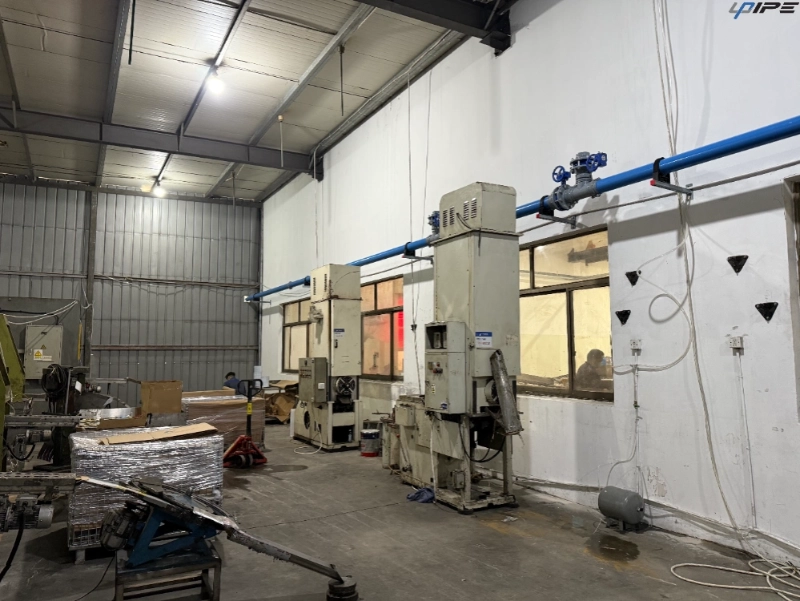
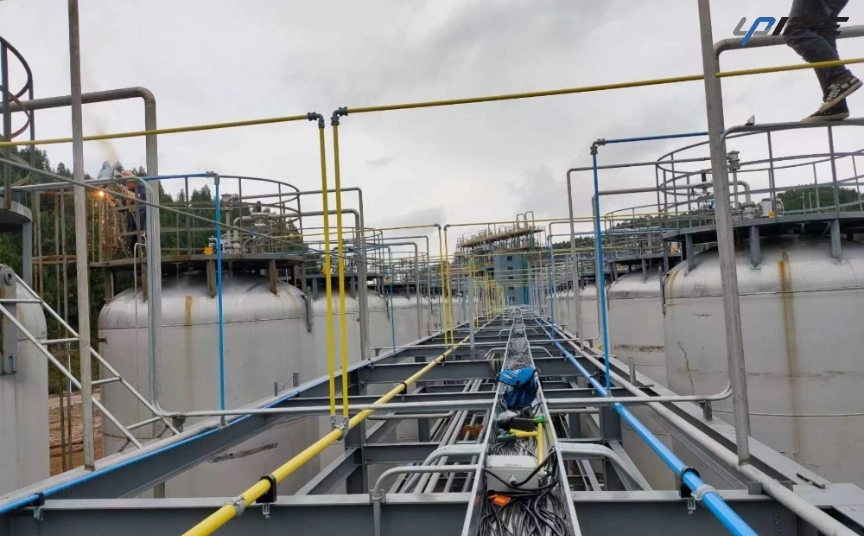
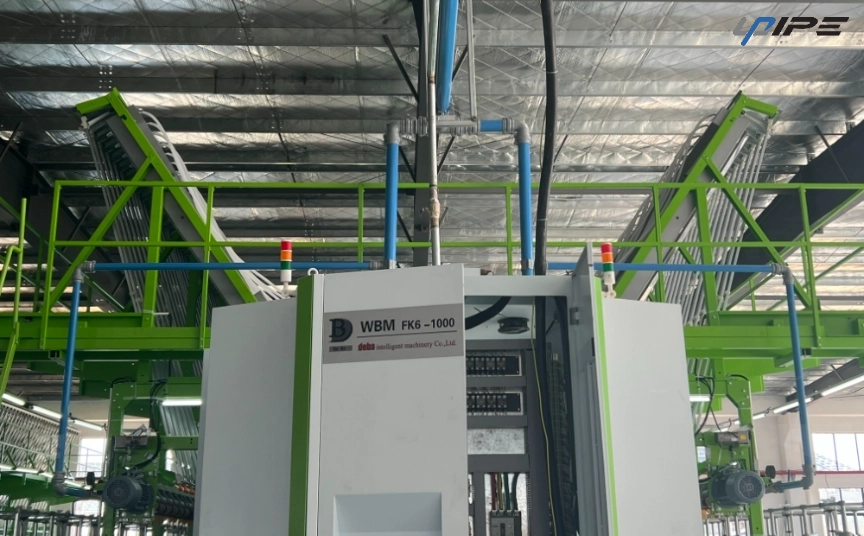
Aluminum compressed air pipe fittings are light but still fight rust well. UPPER Aluminum Compressed Air Pipe is a clear example of this. This system uses an extruded aluminum alloy and comes in sizes from DN20 to DN200. It works at pressures up to 16 bar and ships in 5.8-meter lengths. Buyers can pick blue, yellow, or grey pipes to tell lines apart in a building.
ASTM B117 and CRN Certifications
CRN registration and ASTM B117 testing are the main proven rust-resistance certifications for aluminum fittings. ASTM B117 puts the material in a salt fog chamber and checks how well it stops oxidation. CRN registration proves the fitting meets Canadian pressure equipment safety rules. Together, these two credentials give buyers written proof of strength in humid or chemical-heavy plants.
Aluminum systems like UPPER use outside electrostatic paint and inside treatments to stop oxidation. These surface layers shield the metal across a pH range from 1 to 14. That wide range covers most industrial air settings, like wash-down areas and chemical processing zones. The coating also keeps the pipe wall smooth, which helps steady airflow and low pressure drop.
ISO 8573-1 Clean Air Compliance
Modular fittings finish the aluminum network. Tees, elbows, and flanges join with nitrile gaskets to make leak-free joints. These sealed connections stop outside dirt from getting into the air stream. This design supports ISO 8573-1 clean air compliance, so the system gives air that meets set purity classes.
Leak-free joints also guard system pressure. A loose connection wastes energy and drops pressure where it is used. Nitrile gaskets keep a tight seal through vibration and temperature changes. This reliability keeps compressed air pipe fittings working well over years of use. Buyers who need proven rust resistance should ask for the CRN certificate and ASTM B117 test report before buying.
Brass Fittings
Brass compressed air pipe fittings have certifications that prove they resist corrosion. These fittings usually hold ISO 8573-1 certification for delivering clean air. They also pass ASTM B117 salt spray testing. These two credentials give buyers written proof that brass fittings resist rust in humid or chemical-heavy places.
ISO 8573-1 Compliance
ISO 8573-1 sets air purity classes for compressed air systems. Brass fittings meet this standard because their copper-zinc alloy resists oxidation. The material stops rust particles from entering the air stream. This keeps compressed air clean for sensitive uses like pneumatic tools and instrumentation.
Brass sits in the middle between copper and galvanized iron. Copper resists corrosion almost completely, which makes it a top choice. Galvanized iron starts with a zinc coating, but that coating wears off over time. Once the zinc layer breaks down, rust can start. Brass holds up better than galvanized iron in most compressed air environments. It does not depend on a surface coating to fight corrosion.
CRN and ASTM B117 Verification
CRN registration is common for brass fittings used in pressure-rated compressed air systems. This Canadian registration proves the fitting meets provincial safety rules for pressure equipment. Buyers in Canada need this credential before installing brass fittings in regulated air lines.
ASTM B117 testing gives measurable proof of salt spray resistance. The test places brass fittings in a salt fog chamber for a set time. Fittings that pass show very little corrosion after exposure. Buyers should ask the supplier for the ASTM B117 test report. A valid report includes the test duration, salt concentration, and visual inspection results.
Verification matters for compressed air pipe fittings because fake certificates exist. Buyers can check the ASTM and ISO registries to confirm a certification body's accreditation. They can also ask the manufacturer for ISO 9001:2015 documentation. This quality management certificate shows the factory follows steady production and testing steps. Together, these checks protect buyers from expired or invalid claims.
Verifying Compressed Air Pipe Fittings Certifications
Buyers should always check certifications through official sources. ISO keeps a list of accredited certification bodies. ASTM has a directory of testing labs. CRN registrations show up in provincial pressure equipment databases across Canada. These lists let buyers confirm that a certificate is real and up to date.
Manufacturers and suppliers must give documents when asked. A valid test report includes the standard number, test duration, and pass or fail results. Buyers should check the issue date and expiration date on every certificate. An expired certificate gives no protection. A certificate from an unaccredited body means nothing either.
CAL-OSHA compliance adds another check for compressed air piping systems in some areas. California employers must follow certain rules for pressure vessels and air systems. Buyers in California should ask for proof of CAL-OSHA compliance along with other certifications.
Comparison Table of Fittings and Certifications
The table below shows which certifications apply to each fitting type.
Fitting Type
ISO 8573-1
ASTM B117
CRN
ISO 9001:2015
Stainless Steel
Yes
Yes
Common
Yes
Aluminum
Yes
Yes
Yes
Yes
Brass
Yes
Yes
Common
Yes
Stainless steel fittings have ISO 8573-1 and ASTM B117 certifications. Many manufacturers also carry ISO 9001:2015. CRN registration is common for stainless steel in Canadian pressure systems.
Aluminum fittings like UPPER Aluminum Compressed Air Pipe carry CRN registration and pass ASTM B117 testing. They also meet ISO 8573-1 clean air standards. Their manufacturers usually hold ISO 9001:2015 certification.
Brass fittings meet ISO 8573-1 and pass ASTM B117 testing. CRN registration is common for brass in pressure-rated systems. ISO 9001:2015 certification applies to most brass fitting manufacturers.
Buyers who verify these credentials protect their compressed air pipe fittings from early failure. They also ensure safe, clean air for their operations.
Stainless steel, aluminum, and brass are the main compressed air pipe fittings with proven corrosion resistance certifications. Each material has its own strengths for industrial air systems.
Four key certifications help buyers make decisions. ISO 8573-1 covers air purity. ASTM B117 proves salt spray resistance. CRN registers pressure equipment for Canadian safety rules. ISO 9001:2015 confirms quality management systems.
Checking official documents and accredited certification bodies is still very important. Buyers should look at test reports, check issue dates, and confirm where certifications come from. This keeps systems safe and reliable.
Readers should pick certified fittings for long-term performance. UPPER Aluminum Compressed Air Pipe has CRN registration and passes ASTM B117 testing. It meets ISO 8573-1 clean air standards. This makes it a strong choice for industrial compressed air systems.
FAQ
Which fitting material offers the best corrosion resistance?
Stainless steel and brass fight rust well without needing a surface coating. Aluminum uses outside paint and inside treatments to stop oxidation. Copper resists rust almost completely, but it costs more. Each material fits different industrial settings and budget levels.
How does a buyer confirm an ASTM B117 test report is real?
A valid report comes from an accredited testing lab. It lists the standard number, test duration, salt concentration, and pass or fail results. Buyers should check the issue and expiration dates. They can also confirm the lab through the ASTM directory.
Does UPPER Aluminum Compressed Air Pipe carry CRN registration?
Yes. UPPER Aluminum Compressed Air Pipe holds CRN registration and passes ASTM B117 testing. The system also meets ISO 8573-1 clean air standards. Its manufacturer holds ISO 9001:2015 certification. These credentials give buyers written proof of corrosion resistance and pressure safety.
Why do nitrile gaskets matter for clean air compliance?
Nitrile gaskets seal tees, elbows, and flanges so they do not leak. Tight seals stop outside dirt from getting into the air stream. This supports ISO 8573-1 clean air compliance. Joints without leaks also keep system pressure steady and cut energy waste over time.
What happens when a fitting lacks verified certifications?
A fitting without certification may fail early in humid or chemical-heavy plants. Rust particles can get into the air stream and harm sensitive equipment. Expired or fake certificates give no protection. Buyers should always ask for documents from accredited bodies before they buy.
This website uses cookies to provide you with a safer and more personal experience. By accepting, you agree to the Cookie Policy and the use of cookies for advertising and analytics purposes.