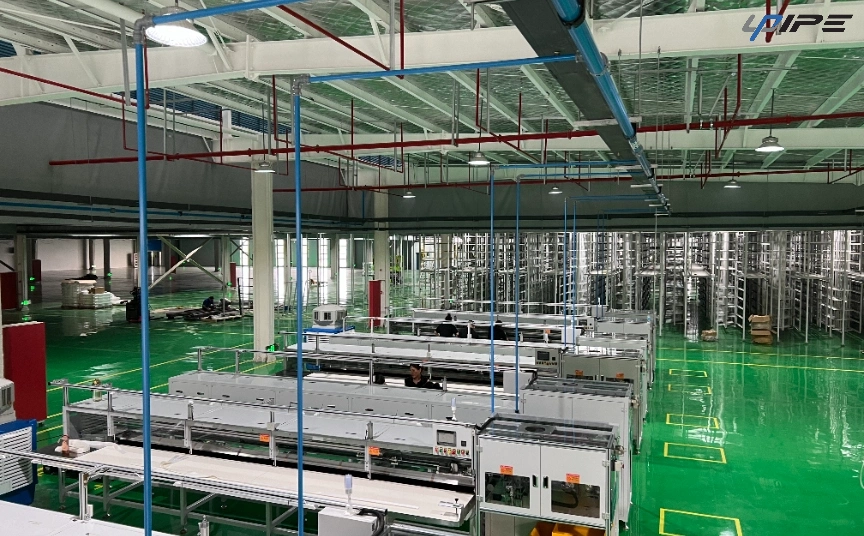
Select the right CE certified compressed air pipe brand by evaluating air purity, flow efficiency, and material performance from Upipe, Kaeser, and Transair.
You must choose the right compressed air pipe brand to ensure high performance and safety. Top CE-certified market leaders include Upipe, Kaeser, Atlas Copco AIRnet, AIRpipe, and Parker Transair. Following PED 2014/68/EU rules guarantees safety and strong building quality under high operating pressures. You should check brands using working pressure, ISO 8573-1 air purity, leak prevention, and total cost of ownership. Easy-to-build aluminum systems save much more money than older black iron pipes.
Facility Size | 5-Year Total Savings (Aluminum vs. Black Iron) |
|---|
Small Workshop (500-1,000 sq ft) | $1,800 - $4,000 |
Medium Manufacturing (5,000-10,000 sq ft) | $12,000 - $29,000 |
Large Industrial (25,000+ sq ft) | $55,000 - $155,000+ |
Key Takeaways
CE-certified piping systems keep your factory safe and follow important rules about air pressure safety.
Modular aluminum pipes are quicker to set up and save money on work costs when compared to older steel pipes.
Stainless steel pipes offer the cleanest air for places that make food or need sanitized rooms.
Smooth inside pipe surfaces stop air leaks and lower factory electricity costs over time.
Top CE Certified Compressed Air Pipe Brands
Picking a CE-certified piping network guarantees high operating safety for your factory. Top manufacturers create special modular setups to improve overall efficiency. You may review the top brands below to fit your daily plant needs.
Upipe Modular Aluminum and Stainless Systems
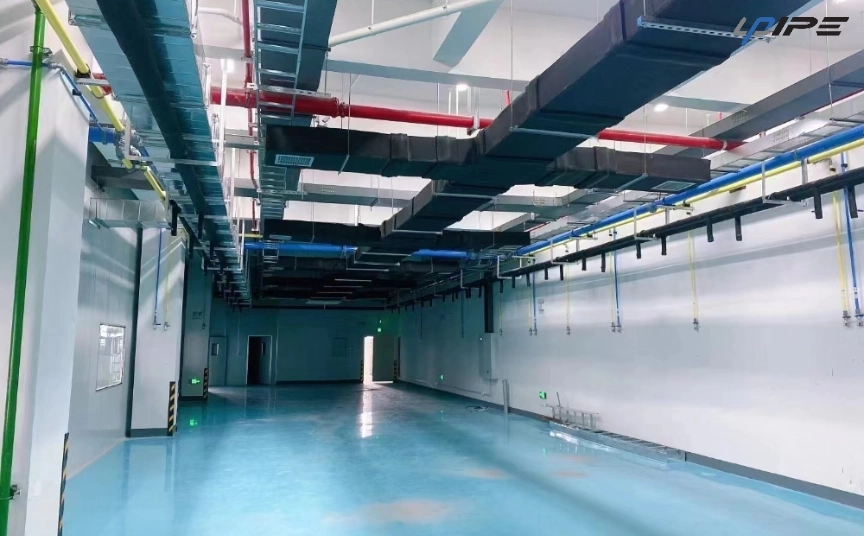
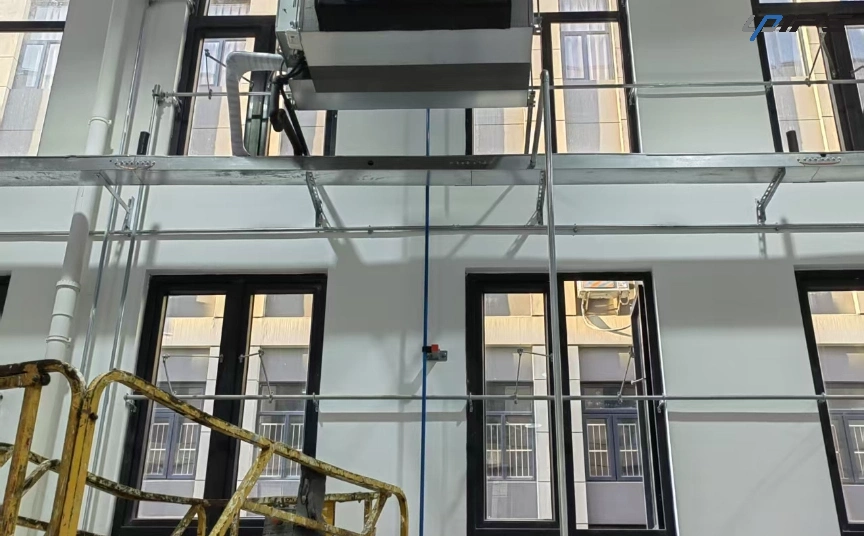
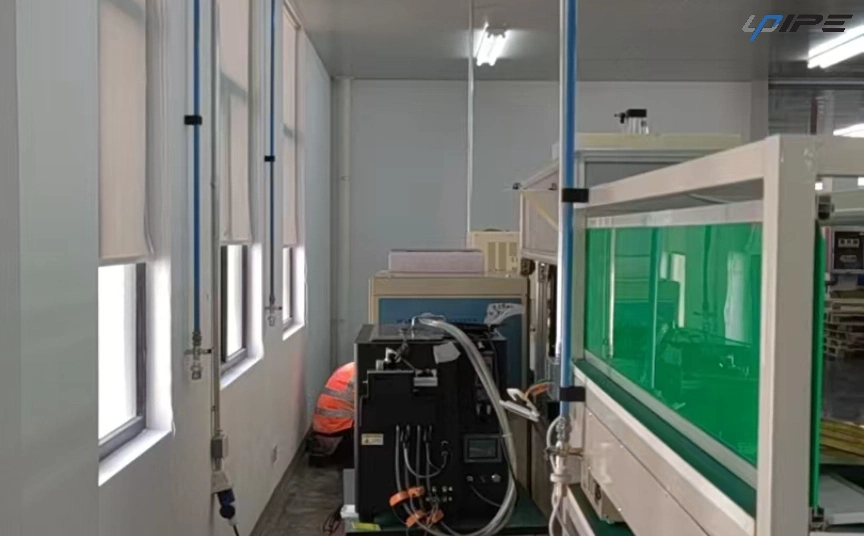
Upipe offers reliable compressed air pipe systems that are easy to build and save money. The brand makes the Upipe Aluminum Alloy Pipe System along with Liq-pipe and Wpipe Stainless Steel Systems. These light aluminum and stainless steel choices prevent rust easily while keeping air flowing clean.
Upipe employs leak-free modular fittings to stop pressure loss throughout your factory layout. You may choose from 90° elbows, equal tees, reducing tees, connectors, flanges, quick drops, and end caps. The simple push-to-connect style helps complete your facility projects much faster.
Metric | Upipe Modular Aluminum | Traditional Steel Pipe |
|---|
Installation speed | 60% faster | Baseline |
Joint installation time | 3–5 minutes per joint | 15–30 minutes per joint |
On-site work reduction | 90% less (prefabricated components) | Baseline (full on-site work) |
These ready-made parts make modifying lines very simple. You cut power costs because slick inner walls reduce air drag. Plants in green energy, car production, electronics, and tool making trust Upipe networks every day.
Established Industry Brands Compared
Many well-known equipment makers sell top-quality CE-compliant piping setups. You can compare four key brands below:
Kaeser SmartPipe: This aluminum network includes smooth inner walls to ensure clean air movement. Kaeser supplies nine pipe sizes ranging from 3/4 inch to 8 inches. The maker relies on compression fittings for 2.5 inches or less. They supply bolt-on fittings for 3 inches and larger. Kaeser supports this product line with a 10-year warranty.
Atlas Copco AIRnet: AIRnet manufactures aluminum and stainless steel piping options. The slick inner lining drops pressure loss by more than 50%. Its simple snap-together fittings help complete setups up to 85% faster than old steel. Atlas Copco covers material defects with a solid 10-year guarantee.
AIRpipe: AIRpipe delivers high-flow aluminum pipelines for moving factory fluids. Their easy-to-use fittings build strong tight seals that stop air leaks and prevent wasted power.
Parker Transair: Transair aluminum lines make setup easy while keeping overall system weight low. Labor fees make up just 20% of Transair setup costs, compared to 60–80% for steel piping.
You save money and time when you pick modular quick-connect options over old threaded pipes.
System Type | Labor Cost (% of total installation) | Installation Speed (feet per hour) |
|---|
Transair (aluminum) | 20% | 45 |
Galvanized steel | 60–80% | 6 |
Copper | 50–70% | 8 |
Plastic | 40–60% | N/A |
Old threaded steel pipes require slow cutting, thread making, and welding work on site. Modular aluminum setups use quick clamps or simple push-fit connections instead. Your work crews can set up aluminum lines at 45 feet every hour, but steel goes up at only 6 feet hourly. This fast assembly cuts down factory delays during pipe upgrades. You can quickly adjust modular setups whenever your assembly plant grows.
Choosing the Right Compressed Air Pipe by Application
Picking pipe materials that fit your daily factory operations and fluid moving needs is essential. Every production area has different pressure requirements, air purity targets, and system layout plans. Linking plant demands to the correct piping setup stops expensive shut downs and keeps everything running smoothly.
High-Purity and Cleanroom Environments
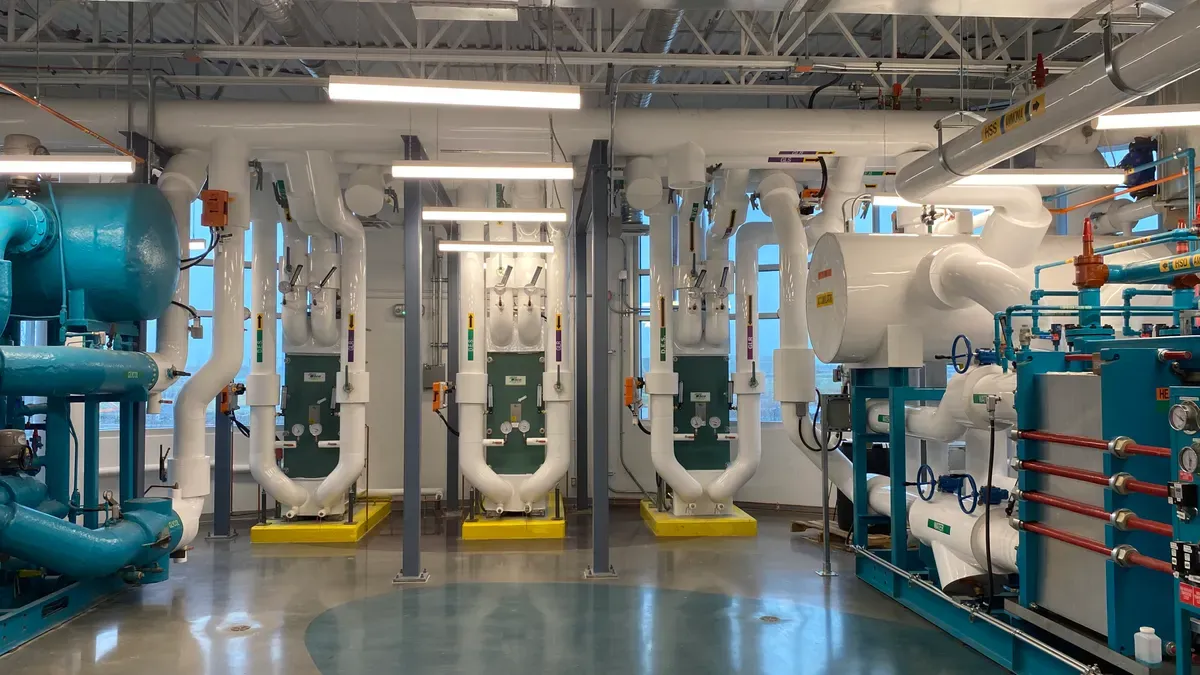
Strict manufacturing fields require super clean air so delicate goods stay totally safe. Microchip factories, medicine labs, and food plants must wipe out oil mists, moisture drops, and fine dust bits. Following strict ISO 8573-1 air cleanliness rules is easy when using modern stainless steel piping systems like Upipe Liq-pipe, Upipe Wpipe, or Atlas Copco stainless choices.
Contaminant | ISO Class | Requirement |
|---|
Solid Particles | 1 | Maximum of 20,000 particles (0.1–0.5 μm), 400 particles (0.5–1.0 μm), and 10 particles (1.0–5.0 μm) per cubic meter |
Water | 2 | Pressure dew point of -40°C or lower |
Oil | 1 | Maximum total oil concentration of 0.01 mg/m³ |
Strict sterile workspaces frequently need far higher air purity levels to operate correctly. ISO Class 1 sterile work zones demand a pressure dew point of ≤ −70 °C, max oil levels under 0.01 mg/m³, and tiny dust controlled to ≤ 0.1 μm with super low particle counts.
Stainless steel lines protect clean air flow across every point of these delicate supply setups. Stainless metal brings important working advantages for clean manufacturing spaces:
Clean & smooth surfaces stop bacteria, mold, and tiny germ growth
Rust protection against harsh acids, salts, extreme heat, and heavy washing agents prevents metal wear
Simple cleaning using manual tools or CIP systems helps meet safety rules
Long life and toughness across tough high-pressure and hot working areas
Safe food-grade standard compliance with FDA, 3A, and CE rules keeps food and drinks safe
Such polished inner surfaces guarantee zero dust flaking while shielding sensitive plant machines.
Industrial Manufacturing and Automotive Plants
Large factories need fast air flow efficiency, tough pipe strength, and total layout freedom. Vehicle assembly spaces, green energy plants, tech sites, and heavy gear shops update their work floors often. Light, quick-to-set-up aluminum options like the Upipe Aluminum Alloy Pipe System and Kaeser SmartPipe suit growing plants nicely.
Aluminum tubing uses slick interior walls that boost air speeds and lower pressure losses. Expanding modular aluminum lines is simple without turning off active plant assembly operations. Quick push-style joints allow fast layout changes, saving precious repair time during floor updates.
Sector | Recommended Material | Primary Technical Benefit | Expansion Flexibility |
|---|
Pharmaceutical & Cleanroom | Stainless Steel (Upipe Liq-pipe/Wpipe) | Zero particle contamination and high corrosion resistance | Moderate |
Food & Beverage | Stainless Steel (Upipe Liq-pipe/Wpipe) | Non-porous surface prevents bacterial growth and metal leaching | Moderate |
Automotive & Assembly | Aluminum Alloy (Upipe Aluminum) | Low pressure drop and fast installation | High |
Heavy Machinery & New Energy | Aluminum Alloy (Kaeser SmartPipe) | High working pressure capacity and lightweight structure | High |
Finding the best compressed air pipe material cuts your factory power bills and lowers daily shop costs. Adaptable aluminum networks support high working pressure needs while giving total freedom to grow during tool changes. Stainless steel pipes ensure maximum purity for chemical, electronic, and food handling setups. Checking these plant needs guarantees top performance and safety throughout your whole building.
Critical Technical Evaluation Criteria
Material Selection and Pressure Ratings
Selecting the right pipes requires checking a few key details. Plant managers should match pipe choices with shop heat, moisture, system pressure needs, and growth goals. Weather conditions like heat, dampness, or cold strongly affect how long parts last. Steel and aluminum react to moisture in different ways as time passes. The materials you pick will control your initial setup costs and long-term repair bills.
Aluminum and stainless steel options handle tough shop conditions without wearing down. You can check the main traits of both metals below:
Material | Corrosion Resistance Property | Expected Lifespan | Cost Impact |
|---|
Aluminum | Forms a protective oxide layer | 30–50 years or longer | Lower cost |
Stainless Steel | Offers excellent corrosion resistance | 50 years or longer | Premium cost |
Flow Efficiency and Energy Savings
Your pipe size directly changes monthly power costs and tool power. Small pipes raise air friction, causing big pressure losses down long lines. Teams often boost air pressure to fix these flow blocks. Power costs usually jump 1% for every 2% boost in pressure. Blocked air limits tool output and makes compressors wear out sooner. Losing 14.5 psi of pressure burns extra power equal to 10% of total energy. Dropping system pressure by 15 to 20 PSI cuts yearly power bills by 7–10%. Trimming just 2 PSI saves about 1% in power costs. Full system upgrades can cut compressor power use by 30%.
Giant pipes raise hardware costs and slow down air response during busy times. Adding air storage tanks gives cheaper capacity than buying overly large main pipes. Wise system layouts boost air flow without wasting cash. A large aircraft builder first planned a 4-inch main line using a U-shape. Techs checked air speed and put in a 2.5-inch compressed air pipe loop instead. This smart plan kept performance high, cut material costs over 40%, and lowered setup time by 25%. Selecting proper compressed air pipe layouts protects your shop funds.
You can pick the best setup using a simple three-step guide:
Check your needed air purity levels based on ISO 8573-1 rules.
Figure out your total air flow needs and highest working pressure.
Pick light aluminum for quick setup or stainless steel for pure air.
Choosing approved modular pipes pays you back right away by stopping wasted air. A medium plant saves $12,000 to $29,000 over five years and covers costs in under twelve months.
You need to run a full system pressure check before ordering your air pipe parts to ensure safe, smooth operation for many years.
FAQ
What does CE certification mean for compressed air piping systems?
A CE mark shows that your pipe system follows official safety rules from the Pressure Equipment Directive (PED 2014/68/EU). This badge proves that pipes remain strong while carrying high air pressure. Using approved equipment shields your team from danger and satisfies mandatory factory laws.
Why should you choose modular aluminum pipes over black iron?
Setting up modular aluminum tubes takes 60% less time than putting in standard steel lines. Slick interior surfaces lower air resistance, stop pressure losses, and prevent iron rust. Your business cuts initial installation labor costs while spending less money on compressor power later.
Which piping material fits high-purity cleanroom environments?
Stainless steel setups, like Upipe Liq-pipe or Wpipe, work best inside delicate cleanrooms. These strong pipes never shed tiny dust bits and easily resist damage from strong chemicals. Selecting this metal helps your factory follow tough ISO 8573-1 air cleanliness rules without trouble.
How do quick-connect modular fittings prevent air leaks?
Quick-connect parts rely on special built-in seals and firm grips to lock pipe joints tight. They replace old threaded parts that often wiggle loose and leak air over time. Your factory maintains strong, steady line pressure while stopping costly air waste.