Building Efficient Industrial Air Networks with Aluminum Pipe Systems in Modern Factories
In modern industrial environments, compressed air is more than a utility—it is a core energy source that drives automation, controls equipment, and supports continuous production lines. As factories become more dependent on stable pneumatic performance, the demand for lightweight, corrosion-resistant, and easy-to-install piping systems has increased significantly.
Among the available options, aluminum-based piping solutions have gained strong attention due to their balance of durability, safety, and installation efficiency. Many engineering teams now prefer modular aluminum piping networks when designing or upgrading factory air systems, especially where long-term reliability and clean air delivery are required.
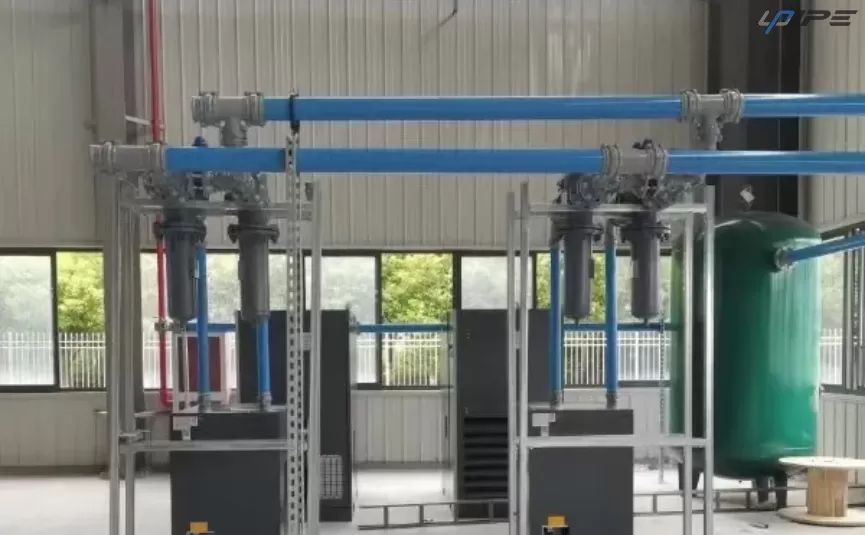
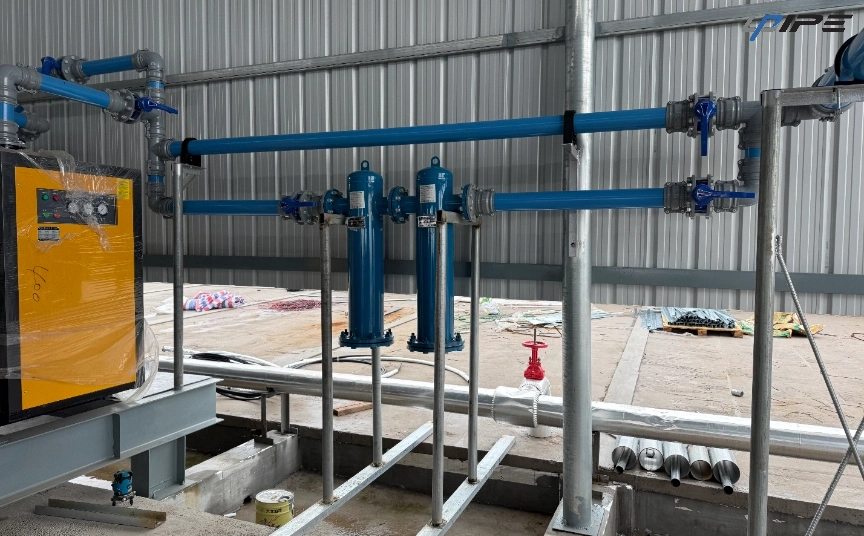
In this blog post, UPIPE, as high quality aluminum compressed air lines exporter, will share the use of blue aluminum compressed air pipe system for factory pneumatic supply.
System Architecture of Aluminum-Based Pneumatic Distribution
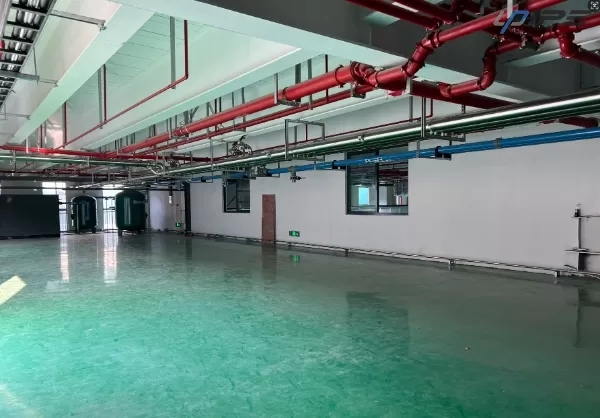
A well-designed industrial air distribution network must ensure pressure stability, minimal leakage, and consistent airflow delivery across multiple production zones. Aluminum piping systems are particularly suitable because of their smooth internal surfaces and resistance to oxidation.
Unlike traditional steel systems, aluminum pipelines reduce internal friction, which helps maintain pressure consistency over long distances. This is especially important in facilities where multiple machines operate simultaneously and require synchronized airflow.
The modular nature of these systems also simplifies expansion. Factories can gradually extend their pipeline layout without interrupting production, which is a key advantage in dynamic manufacturing environments.
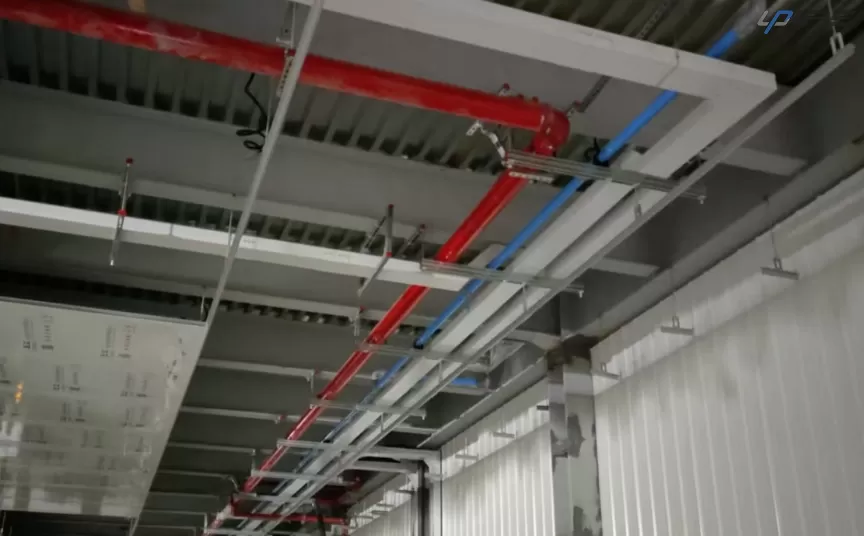
In many configurations, engineers choose a blue aluminum compressed air pipe as a visual and functional identifier within the facility. The color coding helps distinguish air lines from other utilities, reducing maintenance errors and improving safety management.
Material Behavior and Long-Term Performance in Industrial Environments
Aluminum as a piping material provides several performance advantages that directly influence system lifespan and maintenance requirements. Its natural resistance to corrosion makes it suitable for humid or chemically active environments where steel systems may degrade over time.
Another important characteristic is its thermal stability. In compressed air systems, temperature fluctuations can affect pressure and moisture content. Aluminum helps reduce these impacts by maintaining structural consistency under varying operating conditions.
When evaluating long-term performance, engineers often compare multiple piping options and conclude that a blue compressed air pipe system offers a balanced combination of durability and operational efficiency, especially in continuous production environments.
Engineering Considerations in Pneumatic Network Design
Designing a compressed air network requires careful planning of flow capacity, pressure drop, and distribution balance. One of the most critical aspects is ensuring that air demand is evenly distributed across all end-use points.
System layout typically follows a ring or loop configuration, which helps maintain consistent pressure even when multiple machines are operating simultaneously. Branch lines are then connected to individual workstations to ensure localized supply stability.
During planning, engineers also evaluate future expansion requirements. Factories rarely remain static, so modularity becomes essential. Aluminum systems support this need by allowing quick modifications without extensive welding or downtime.
A properly designed network reduces energy loss and improves compressor efficiency, which can significantly lower operational costs over time.
Installation Principles for Industrial Air Line Systems
Installation quality directly affects the performance and lifespan of any pneumatic system. Proper alignment, secure fittings, and controlled tightening torque are essential to prevent leakage and maintain system integrity.
A structured compressed air pipe installation process typically begins with layout marking, followed by bracket positioning, pipe cutting, and connection assembly. Each stage requires precision to ensure airflow consistency and structural stability.
Unlike rigid steel systems, aluminum piping allows faster assembly due to its modular connectors. This reduces labor time and minimizes production interruptions during installation or upgrades.
In many industrial projects, technicians prefer using a blue pipe for compressed air to clearly identify pneumatic lines within complex facility layouts. This visual differentiation improves maintenance efficiency and reduces operational risks.
Flow Efficiency and Energy Optimization in Air Systems
Energy efficiency is a major concern in compressed air systems because air compression is one of the most energy-intensive processes in manufacturing facilities. Any leakage, pressure drop, or flow restriction can significantly increase operational costs.
Aluminum piping systems contribute to energy efficiency through smooth internal surfaces that reduce turbulence and resistance. This allows compressed air to travel more efficiently from the compressor to the end-use point.
Proper system sizing also plays a key role. Oversized or undersized pipelines can both negatively impact performance. Engineers must carefully balance diameter selection, airflow demand, and pressure requirements.
When correctly implemented, a blue aluminum compressed air pipe network helps stabilize pressure levels and reduce compressor workload, improving overall system efficiency.
Maintenance Strategies for Long-Term System Stability
Maintenance is a critical factor in ensuring consistent performance in industrial air systems. Although aluminum piping requires less maintenance compared to traditional materials, periodic inspection is still essential.
Key maintenance activities include checking for joint integrity, monitoring pressure consistency, and ensuring that no external damage has occurred to exposed pipeline sections.
Leak detection is especially important in large-scale systems. Even minor leaks can lead to significant energy losses over time. Regular inspection routines help identify issues early and prevent costly downtime.
In well-managed facilities, maintenance teams follow structured protocols to ensure that the entire compressed air infrastructure remains stable and efficient throughout its operational lifecycle.
Safety Standards and Industrial Compliance Considerations
Safety is a fundamental requirement in all industrial piping systems. Compressed air, while widely used, must be handled with proper engineering controls to prevent accidents and system failures.
Pipeline design must comply with relevant industrial safety standards, including pressure rating requirements and material certification guidelines. Aluminum systems generally meet these requirements when properly specified and installed.
Color coding also contributes to safety management. Identifying air lines through standardized visual systems reduces confusion and helps technicians quickly isolate specific utility networks during maintenance or emergency situations.
A well-designed aluminum piping network ensures not only performance efficiency but also operational safety across the entire facility.
Integration with Modern Manufacturing Systems
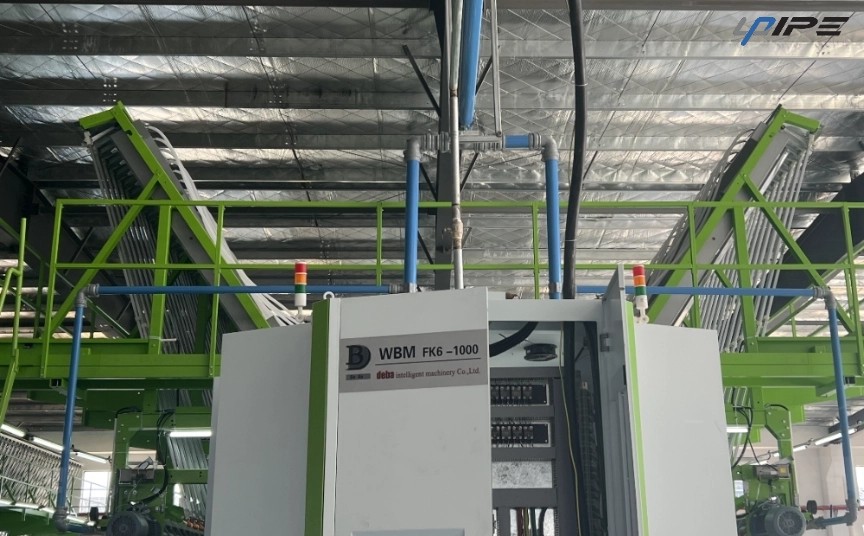
Modern factories increasingly rely on automation and digitally controlled machinery. Pneumatic systems must therefore integrate seamlessly with automated production environments.
Stable air pressure is essential for robotic arms, packaging machines, and precision tools. Any fluctuation in supply can affect production accuracy and consistency.
Aluminum piping systems provide the stability required for such environments. Their modular structure also allows integration with monitoring sensors, pressure regulators, and smart control systems.
As factories continue to evolve toward intelligent manufacturing, compressed air infrastructure must support both flexibility and scalability.
Installation Planning and Layout Optimization
Before installation begins, careful planning of pipeline layout is essential. Engineers typically map out production zones, air demand points, and compressor locations to design an efficient distribution network.
Routing decisions must minimize pressure loss while avoiding unnecessary complexity. Straight-line routing with minimal bends is generally preferred for optimal airflow performance.
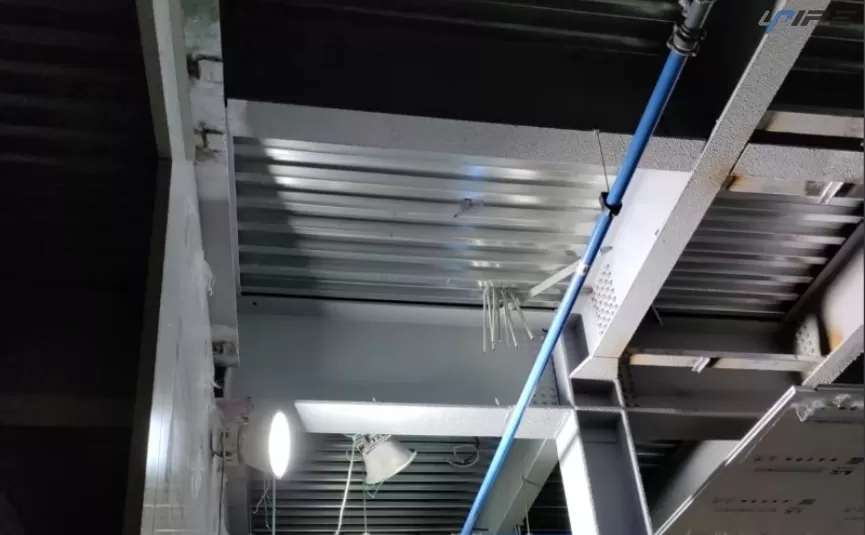
Support structures must also be considered. Proper spacing of mounting brackets ensures pipeline stability and prevents vibration-related stress over time.
A well-planned compressed air pipe installation process ensures that the system performs efficiently from the moment it becomes operational.
Operational Advantages of Modular Aluminum Systems
One of the key advantages of aluminum-based piping systems is modularity. Unlike welded steel systems, modular aluminum networks can be expanded, modified, or reconfigured with minimal disruption.
This flexibility is particularly valuable in factories where production lines frequently change or expand. It allows engineers to adapt infrastructure quickly without major reconstruction work.
Maintenance efficiency is also improved. Sections can be isolated and serviced independently, reducing downtime and improving system reliability.
In many industrial environments, this flexibility makes aluminum systems the preferred choice for long-term pneumatic infrastructure planning.
Role of UPIPE in Industrial Air System Development
UPIPE focuses on delivering industrial-grade aluminum piping solutions designed for modern pneumatic systems. With an emphasis on structural integrity, installation efficiency, and long-term performance, the brand supports factories in building stable and scalable air distribution networks.
Through continuous material development and system optimization, UPIPE solutions are widely applied in manufacturing environments where reliability and efficiency are critical.
Conclusion
As industrial systems continue to evolve, compressed air infrastructure must keep pace with increasing demands for efficiency, flexibility, and stability. Aluminum piping systems provide a balanced solution that addresses these requirements while supporting long-term operational performance.
From design and installation to maintenance and optimization, every stage of system development plays a role in ensuring reliable air delivery. With proper engineering planning and material selection, factories can significantly improve energy efficiency and production stability.
Modern pneumatic systems are no longer just support utilities—they are integral components of industrial productivity, and aluminum-based piping networks are at the center of this transformation.