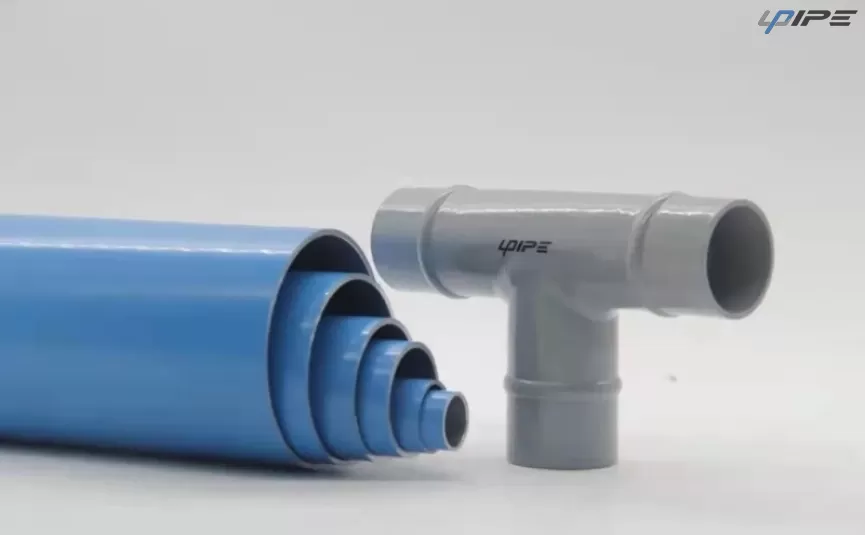
Improve airflow efficiency with aluminium compressed air pipe from UPIPE, delivering low pressure loss, clean air distribution, easy installation, and lasting reliability.
Air distribution efficiency is influenced by far more than compressor capacity. The design and material of the pipeline directly affect airflow quality, pressure stability, maintenance frequency, and long-term operating costs. An aluminium compressed air pipe offers a practical way to reduce pressure loss while delivering clean compressed air across production areas. Compared with traditional steel piping, aluminum construction maintains smooth airflow, minimizes internal contamination, and supports reliable operation throughout years of continuous use.
UPIPE focuses on aluminum piping solutions that help industrial facilities improve compressed air delivery with corrosion-resistant materials, lightweight construction, and flexible installation. These advantages contribute to consistent airflow while reducing unnecessary energy consumption and maintenance work.
Why Pressure Loss Deserves Greater Attention
Pressure loss occurs whenever compressed air travels through pipes, fittings, valves, and connection points. Excessive friction, internal corrosion, rough pipe surfaces, or poorly designed layouts increase resistance and reduce the available pressure at the point of use. Even a relatively small pressure drop can force compressors to work harder, resulting in higher electricity consumption and lower production efficiency.
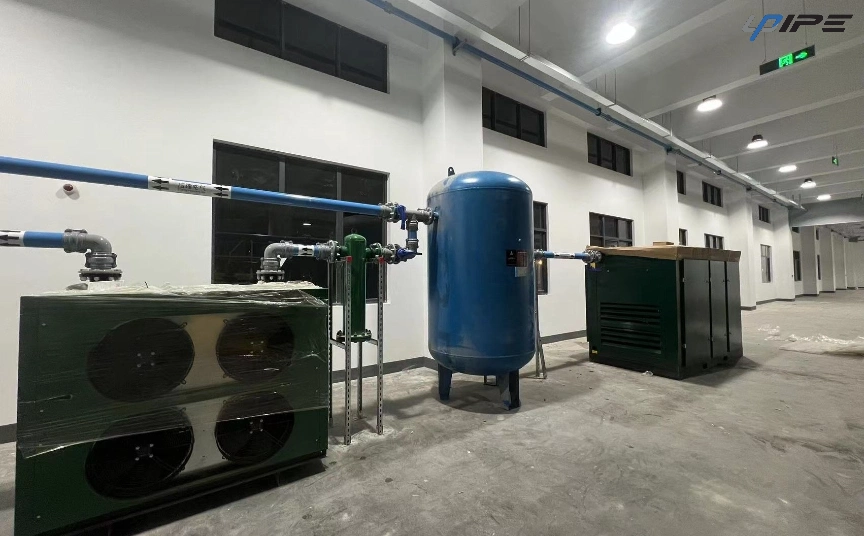
Selecting high-quality piping is therefore not simply about transporting air. It is about preserving the pressure already produced by the compressor and delivering that energy where it is needed. A carefully designed aluminium compressed air pipe helps maintain stable airflow while reducing unnecessary resistance throughout the distribution network.
How Aluminium Improves Airflow Performance
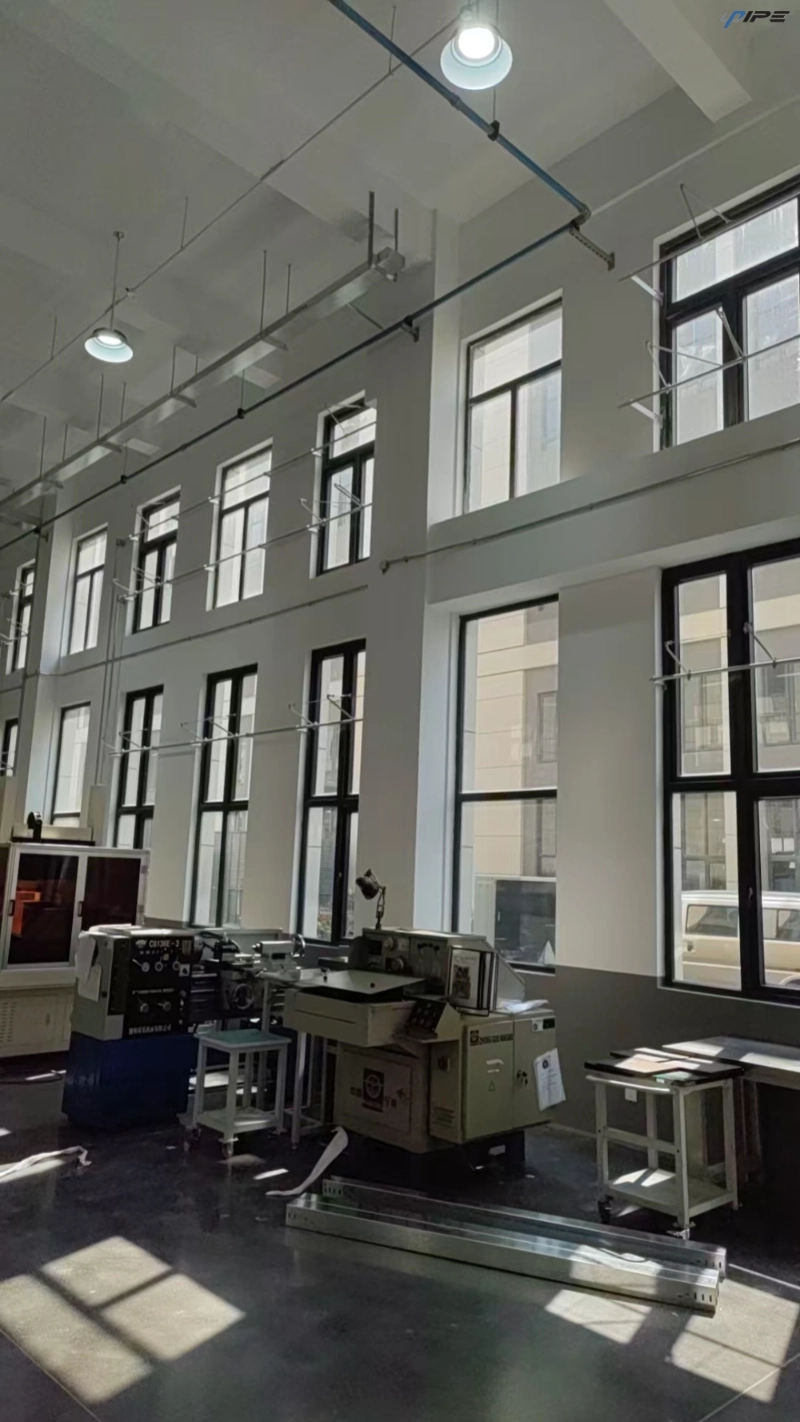
Unlike galvanized steel or black iron pipes, aluminum does not rust internally. Its naturally corrosion-resistant surface keeps the internal passage smooth over time, allowing compressed air to move with less friction. Stable airflow contributes to improved equipment performance and helps maintain consistent production quality.
The lightweight nature of aluminum also allows installers to create cleaner routing with fewer installation challenges. Reduced weight makes future production expansion easier because additional pipe sections can be connected without complicated structural modifications.
Another important benefit is thermal stability. Aluminum dissipates heat efficiently, helping compressed air cool naturally as it travels through the pipeline. Better temperature control supports moisture management and contributes to cleaner compressed air delivery.
Material Comparison for Industrial Air Distribution
| Feature | Aluminium Pipe | Steel Pipe |
|---|
| Corrosion Resistance | Excellent | Prone to rust |
| Internal Surface | Smooth | Roughens over time |
| Pressure Loss | Low | Higher as corrosion develops |
| Installation | Lightweight and fast | Heavy and labor-intensive |
| Maintenance | Minimal | Frequent inspection required |
| Service Life | Long | Reduced by internal corrosion |
The comparison shows why many industrial facilities are replacing traditional materials with aluminum piping. Lower pressure loss not only improves airflow but also supports lower operating expenses throughout the service life of the pipeline.
Flexible Installation Creates Better Air Distribution
Efficient air distribution depends not only on pipe material but also on installation quality. UPIPE designs components that simplify assembly through modular connections rather than welding. This approach shortens installation time while maintaining secure sealing performance.
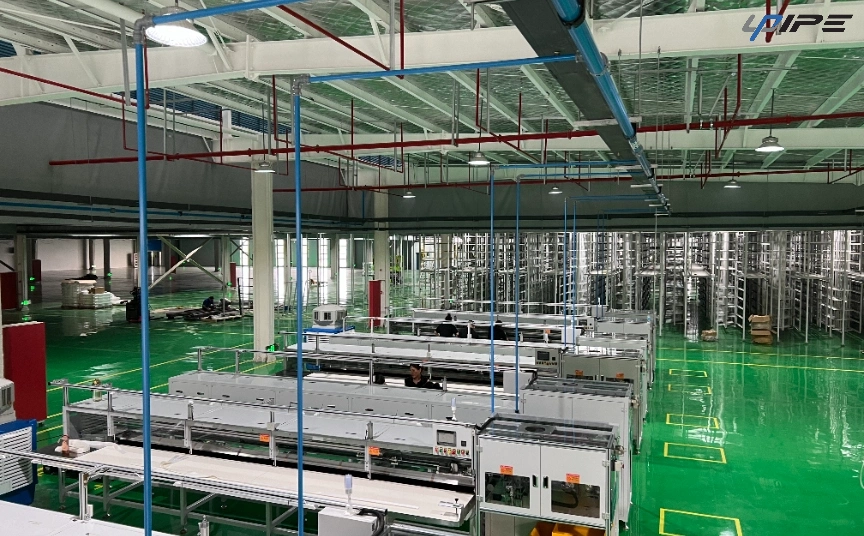
Flexible routing allows production areas to expand without replacing the entire pipeline. Additional branches can be added with minimal interruption, making future layout adjustments more practical. Reliable sealing also helps reduce air leakage, which remains one of the largest sources of energy waste in compressed air distribution.
Clean Air Begins Inside the Pipeline
Compressed air quality is influenced by every section of the pipeline. Rust particles, scale, and internal contamination generated by traditional metal pipes may enter downstream equipment and reduce production quality.
An aluminium compressed air pipe avoids internal oxidation, helping preserve clean airflow during long-term operation. This characteristic is particularly valuable for industries where compressed air comes into contact with production processes, including electronics manufacturing, food processing, pharmaceutical production, automotive assembly, and precision machining.
Maintaining a clean pipeline also reduces maintenance requirements for filters and downstream equipment, improving overall operating efficiency.
Blue Aluminum Air Line Makes Identification Easier
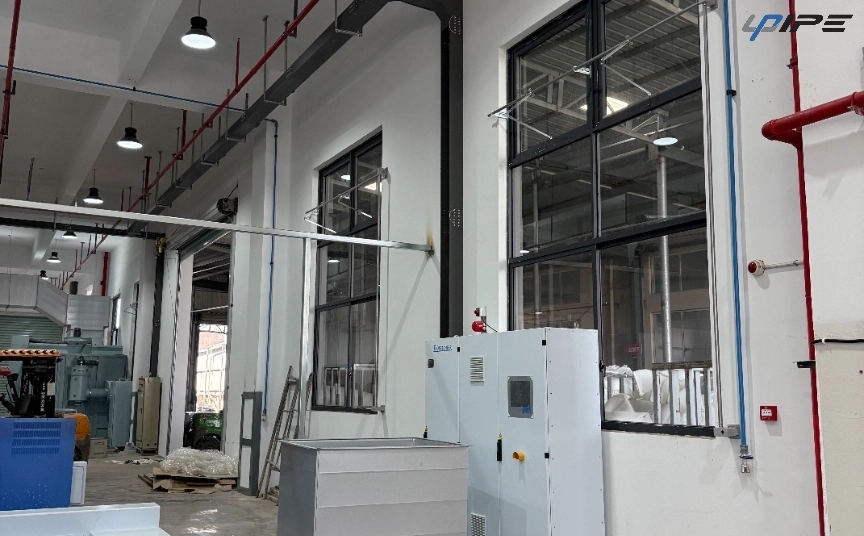
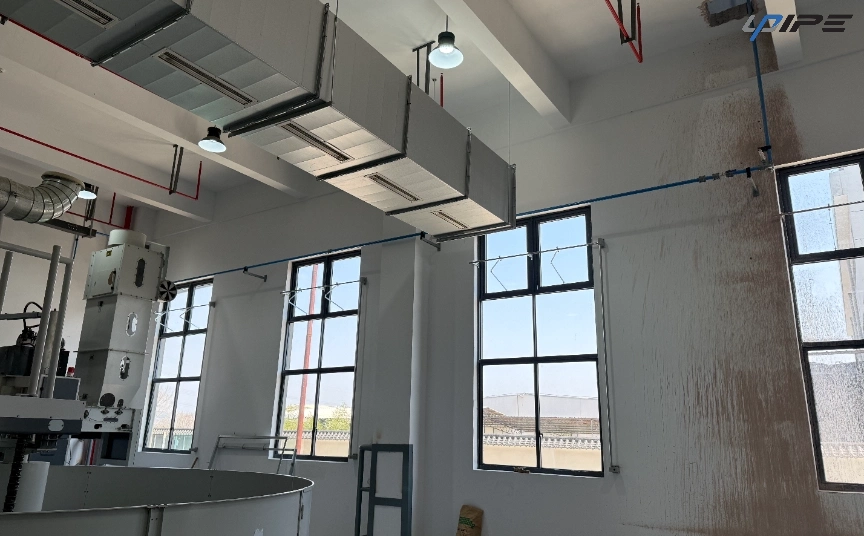
Many industrial facilities choose a blue aluminum air line because the color provides immediate visual identification of compressed air pipelines. Clear identification simplifies maintenance, supports workplace organization, and reduces the possibility of connecting utilities incorrectly during equipment expansion.
The durable external finish also maintains an attractive appearance after years of industrial use. Combined with corrosion resistance, this helps facilities maintain both operational reliability and organized production environments.
Blue Compressed Air Pipe Supports Long-Term Efficiency
A blue compressed air pipe combines practical identification with excellent structural performance. Lightweight construction reduces installation effort, while precision sealing minimizes leakage that would otherwise increase compressor workload.
Because aluminum retains a smooth internal surface throughout its service life, airflow remains consistent without the gradual performance decline commonly associated with corroded steel pipelines. Stable pressure helps pneumatic equipment operate more efficiently while lowering maintenance demands.
Why UPIPE Focuses on Aluminum Piping
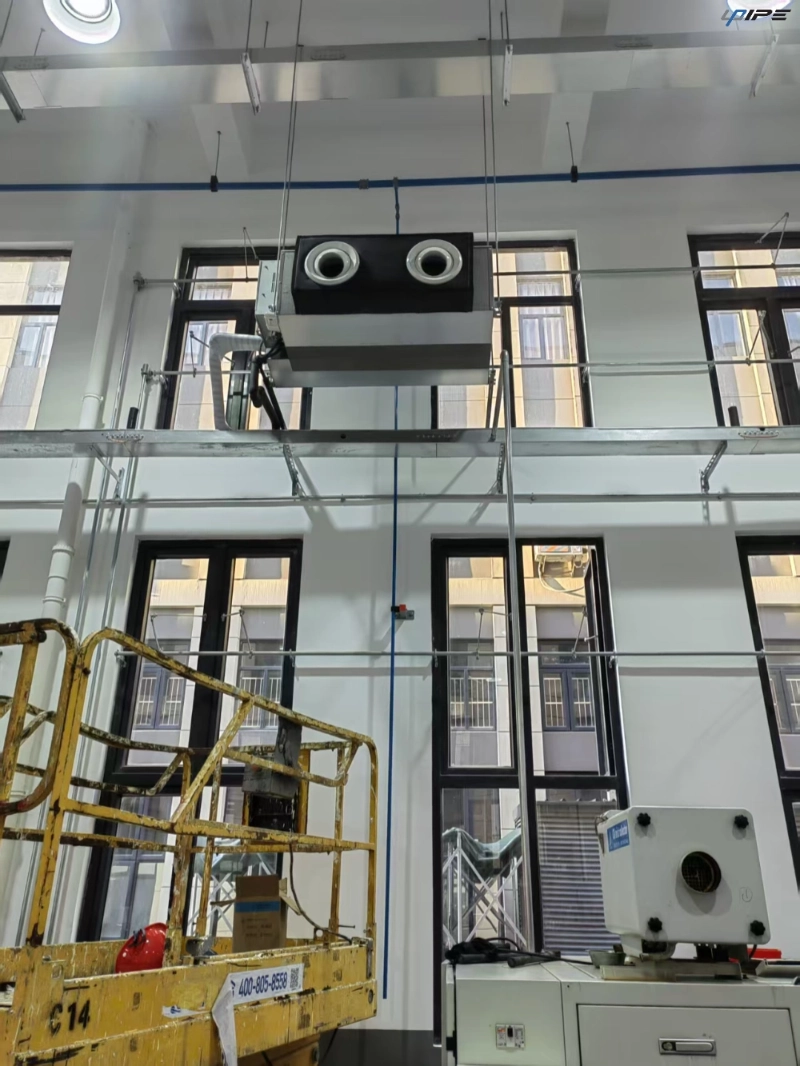
UPIPE develops aluminum piping solutions designed for industrial compressed air, vacuum, and inert gas applications. Every connection is engineered to deliver secure sealing performance while supporting convenient installation and future expansion.
Rather than relying on heavy welded pipelines, UPIPE emphasizes modular construction that improves installation efficiency and simplifies maintenance. Lightweight aluminum materials reduce handling effort without sacrificing durability, making the pipeline suitable for demanding industrial environments.
The corrosion-resistant interior helps preserve airflow quality, while carefully designed fittings reduce turbulence inside the pipeline. Together, these features contribute to lower pressure loss, cleaner compressed air, and reduced operating expenses throughout the pipeline's service life.
Choosing the Right Aluminium Compressed Air Pipe
Several factors should be considered before selecting a pipeline for industrial air distribution.
Evaluate airflow demand throughout the facility.
Design pipe routing to minimize unnecessary bends.
Select corrosion-resistant materials for long service life.
Choose reliable sealing technology to reduce leakage.
Allow sufficient flexibility for future production expansion.
Prioritize products from experienced manufacturers with proven engineering capability.
Considering these factors together creates a more efficient compressed air distribution layout that supports stable production while controlling long-term operating costs.
Conclusion
Pressure loss cannot be eliminated entirely, but it can be significantly reduced through thoughtful material selection and efficient pipeline design. An aluminium compressed air pipe provides smooth airflow, corrosion resistance, lightweight installation, and dependable sealing that together improve compressed air distribution efficiency.
UPIPE continues to provide aluminum piping solutions that help industrial facilities reduce energy consumption, maintain clean compressed air, simplify installation, and support future expansion without unnecessary complexity. For manufacturers seeking reliable air distribution with lower lifetime operating costs, aluminum piping has become an increasingly practical investment.
FAQ
Why does aluminium compressed air pipe reduce pressure loss?
The smooth internal surface creates less airflow resistance than corroded steel piping, allowing compressed air to travel more efficiently across the pipeline.
Is aluminum suitable for demanding industrial environments?
Yes. Aluminum offers excellent corrosion resistance, low weight, and long service life, making it appropriate for continuous industrial operation.
Why do many factories choose a blue aluminum air line?
The blue color clearly identifies compressed air pipelines, improving maintenance efficiency while helping organize industrial utility networks.
Can a blue compressed air pipe support future factory expansion?
Yes. Modular aluminum piping allows additional branches and production areas to be connected more easily than traditional welded pipelines.
What industries benefit most from aluminum compressed air piping?
Automotive manufacturing, electronics, food processing, pharmaceuticals, precision machining, packaging, and many other industries benefit from clean airflow, lower pressure loss, and reduced maintenance.