Improve efficiency with compressed air piping design that minimizes air leaks, supports reliable airflow, and simplifies installation using durable aluminum piping.
Air leakage remains one of the most costly challenges in industrial compressed air distribution. While many manufacturers focus on compressor efficiency or downstream equipment, leakage often begins much earlier during the planning phase. A well-executed compressed air piping design helps minimize pressure loss, improve airflow stability, and reduce unnecessary energy consumption before installation even begins. Careful planning also lowers maintenance demands and supports long-term operational efficiency.
Designing an efficient pipeline requires much more than selecting pipe sizes or connecting equipment. Engineers must evaluate airflow direction, pipeline routing, connection methods, expansion requirements, and material performance. Every design decision affects future operating costs, installation efficiency, and production reliability. UPIPE provides aluminum piping solutions that help manufacturers build dependable compressed air distribution with greater flexibility and cleaner airflow.
Why Careful Planning Prevents Air Leaks
Many air leaks are created long before compressed air enters a facility. Poor routing decisions, excessive fittings, unnecessary branches, and poorly positioned joints all increase the possibility of leakage over time. Even small leaks can accumulate into significant energy losses, forcing compressors to operate longer and increasing electricity costs throughout the year.
An effective pipeline layout focuses on reducing unnecessary connection points while maintaining balanced airflow across the entire facility. Straight pipe runs, properly positioned valves, and logical branch layouts help create consistent pressure while minimizing locations where leakage may eventually develop. Planning every section before construction begins is far less expensive than correcting problems after production starts.
Material Selection Has a Direct Impact on Long-Term Performance
Choosing the appropriate pipe material influences airflow quality, maintenance frequency, and operating efficiency. Traditional steel piping gradually develops internal corrosion, increasing airflow resistance and introducing contaminants into compressed air. Rust formation may also weaken threaded connections, creating additional opportunities for leakage as pipelines age.
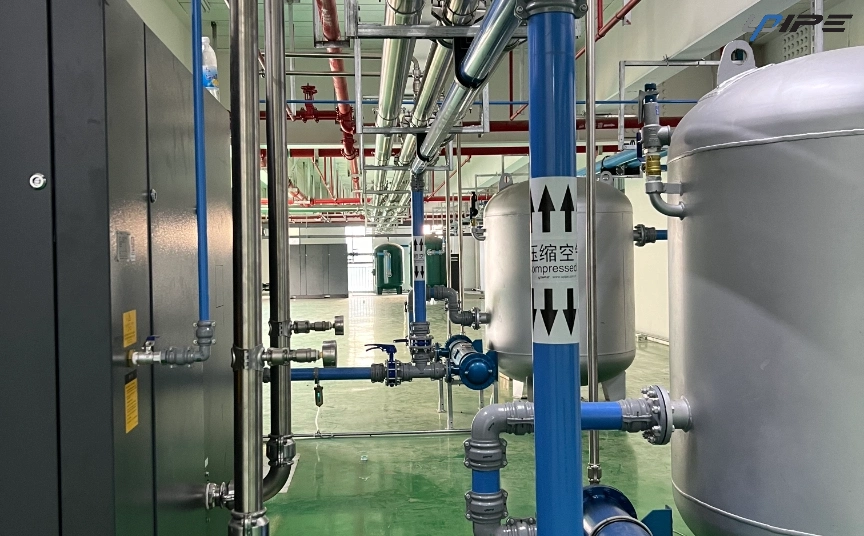
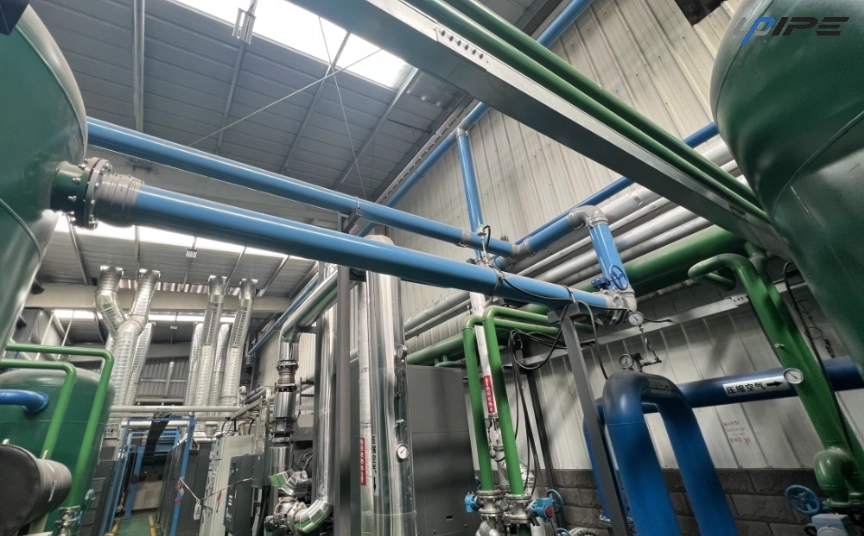
Many industrial facilities now prefer blue aluminum compressed air pipe because aluminum naturally resists corrosion while maintaining a smooth internal surface. The lightweight construction simplifies transportation and handling, allowing installation teams to complete projects more efficiently without sacrificing structural strength. A cleaner internal surface also helps preserve consistent airflow throughout the pipeline.
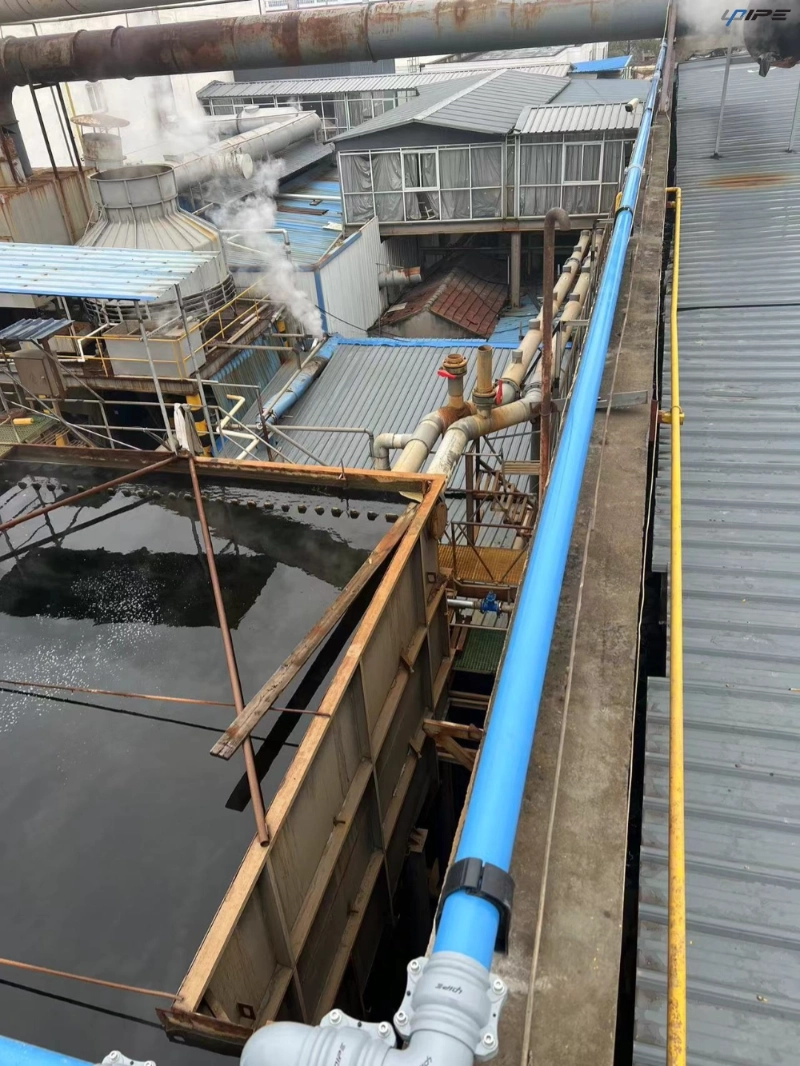
Efficient Pipe Routing Improves Air Distribution
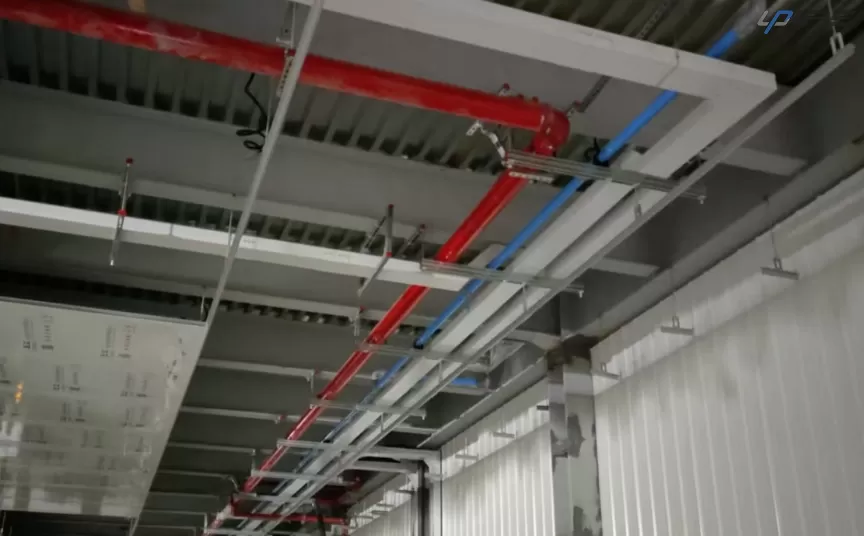
A successful pipeline layout is designed to move compressed air with as little resistance as possible. Long pipe runs, sharp directional changes, excessive elbows, and complicated branch arrangements increase friction and pressure loss. As airflow becomes less stable, compressors consume additional energy to maintain required operating pressure.
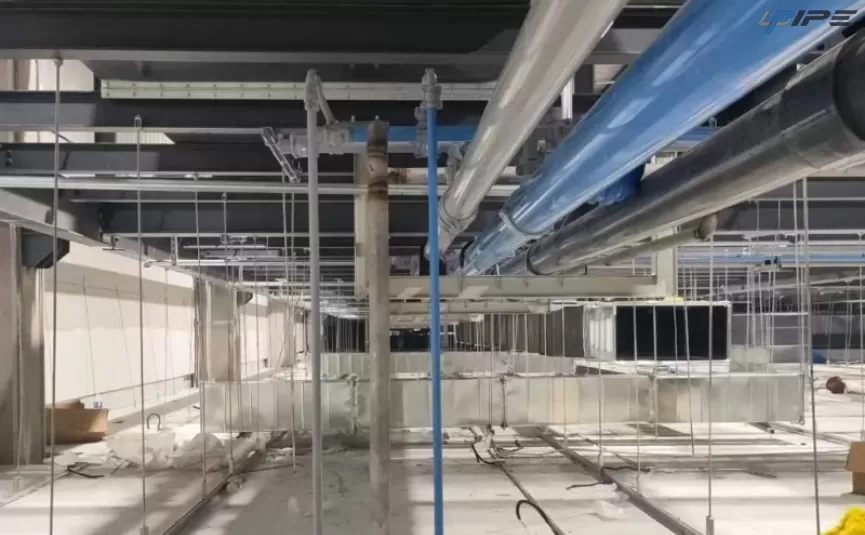
Designers should create routes that remain direct while allowing adequate access for maintenance and future expansion. Isolation valves, drainage points, and balanced branch connections should be positioned strategically to support reliable airflow. Well-organized routing not only improves operating efficiency but also reduces the likelihood of hidden leakage points developing over time.
Design Priorities for Better Performance
| Design Consideration | Operational Benefit |
|---|
| Shorter pipe routes | Lower pressure loss |
| Fewer connection points | Reduced leakage risk |
| Balanced pipe sizing | Stable airflow |
| Proper valve locations | Easier maintenance |
| Expansion planning | Lower future modification costs |
Installation Quality Determines Long-Term Reliability
Even an excellent design cannot deliver expected results if installation quality is inconsistent. During compressed air pipe installation, precise pipe cutting, proper alignment, and accurate connector assembly all contribute to dependable sealing performance. Small installation errors may remain unnoticed initially but gradually develop into costly leaks after continuous operation.
Reducing unnecessary threaded joints and using dependable mechanical connections helps improve long-term durability. Consistent installation procedures also reduce maintenance requirements while supporting stable pressure throughout the pipeline. Careful workmanship protects the value of the entire investment from the very first day of operation.
Pressure Loss Often Begins with Poor Design Decisions
Many production facilities assume pressure loss originates from compressor limitations. In reality, inefficient pipeline layouts frequently create unnecessary resistance before compressed air reaches production equipment. Oversized routing distances, excessive fittings, and improperly selected pipe diameters all contribute to pressure reduction that affects equipment performance.
A properly engineered compressed air piping design minimizes resistance by maintaining balanced airflow throughout the facility. Lower pressure loss allows compressors to operate more efficiently while delivering stable air pressure to every production area. Better airflow also supports improved productivity and lower operating expenses over the lifetime of the pipeline.
Planning for Future Production Growth
Manufacturing facilities continue to evolve as production requirements change. Additional machinery, expanded workshops, and new processing lines often require modifications to existing compressed air networks. If expansion is ignored during the original design stage, future upgrades become more expensive and disruptive.
Flexible pipeline planning provides connection opportunities for future equipment without requiring extensive reconstruction. Aluminum piping can be modified more efficiently than many traditional materials, allowing manufacturers to adapt production layouts with less interruption. This approach improves long-term investment value while supporting changing operational requirements.
Clean Air Starts Inside the Pipeline
Air quality depends on much more than filtration equipment. Internal pipe conditions influence contamination levels throughout the distribution network. Corrosion, accumulated debris, and rough pipe surfaces may release particles that reduce compressed air quality before it reaches sensitive equipment.
A blue compressed air pipe helps maintain cleaner airflow because its corrosion-resistant interior remains smooth throughout years of operation. Reduced particle generation contributes to cleaner compressed air for industries where product quality and production consistency are especially important, including electronics, food processing, pharmaceuticals, and precision manufacturing.
Procurement Should Focus on Lifetime Value
Purchasing decisions should consider more than initial material costs. Installation efficiency, maintenance requirements, operating expenses, energy consumption, and future expansion all influence the total investment over many years. Selecting the lowest purchase price does not always produce the lowest operating cost.
An aluminium compressed air pipe system provides lightweight construction, corrosion resistance, dependable airflow, and simplified maintenance. These characteristics help reduce downtime while improving long-term operating efficiency. Procurement teams increasingly evaluate lifecycle value rather than focusing only on short-term purchasing budgets.
Why UPIPE Supports Efficient Industrial Air Distribution
UPIPE develops aluminum piping solutions designed for industrial compressed air applications where efficiency, durability, and installation flexibility are essential. Lightweight aluminum construction simplifies handling while corrosion-resistant materials help maintain clean airflow and dependable operating performance over extended service periods.
Modular connection technology allows convenient expansion as production requirements change, reducing disruption during future facility upgrades. Combined with reliable sealing performance and efficient installation, UPIPE helps manufacturers build compressed air distribution that supports lower operating costs, reduced leakage risk, and dependable long-term productivity.
FAQ
How does compressed air piping design reduce air leaks?
A well-planned layout minimizes unnecessary joints, shortens pipe routes, balances airflow, and reduces locations where leakage is likely to occur. Proper planning before installation significantly lowers long-term maintenance requirements.
Why is aluminum a better choice than traditional steel piping?
Aluminum resists corrosion, maintains a smooth internal surface, weighs less than steel, and simplifies installation. These advantages help improve airflow while reducing maintenance and contamination risks.
What should be considered before compressed air pipe installation?
Engineers should evaluate pipe routing, airflow demand, pipe diameter, connection methods, valve placement, drainage locations, maintenance access, and future expansion before installation begins.
How does pressure loss affect factory efficiency?
Higher pressure loss forces compressors to consume more energy while reducing the air pressure available for production equipment. Lower pressure loss helps improve productivity and reduce operating costs.
Why choose UPIPE for compressed air applications?
UPIPE offers corrosion-resistant aluminum piping with dependable sealing performance, lightweight construction, flexible expansion capability, and efficient installation, helping manufacturers reduce leakage risks and improve long-term compressed air distribution efficiency.