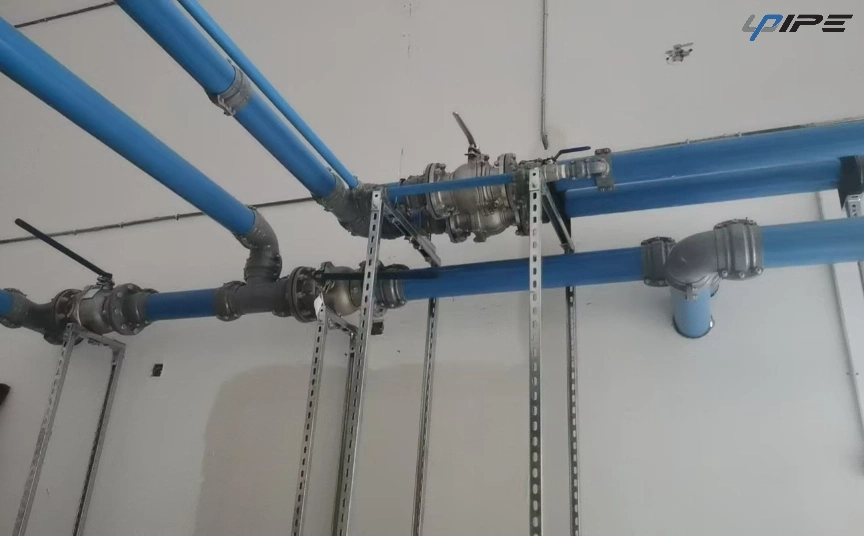
Choose the right compressed air pipe system for high-pressure use. Compare materials, safety standards, and leak prevention for reliable, efficient operation.
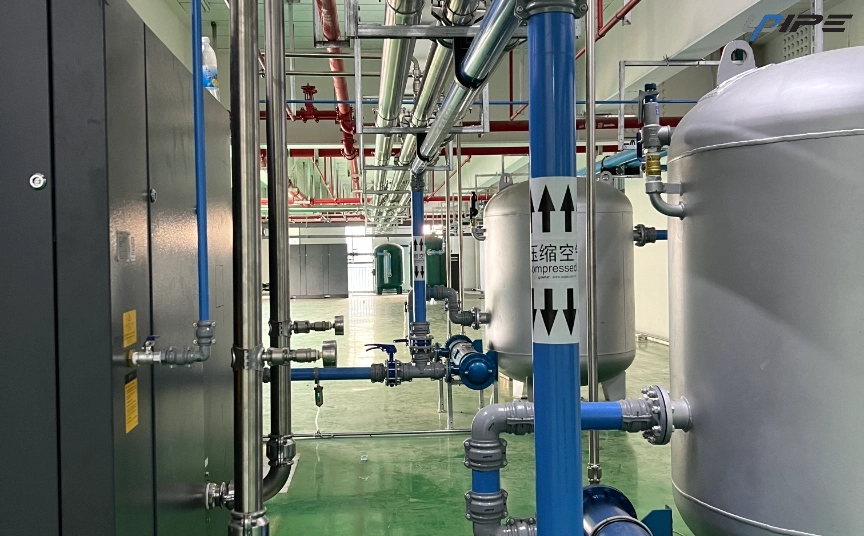
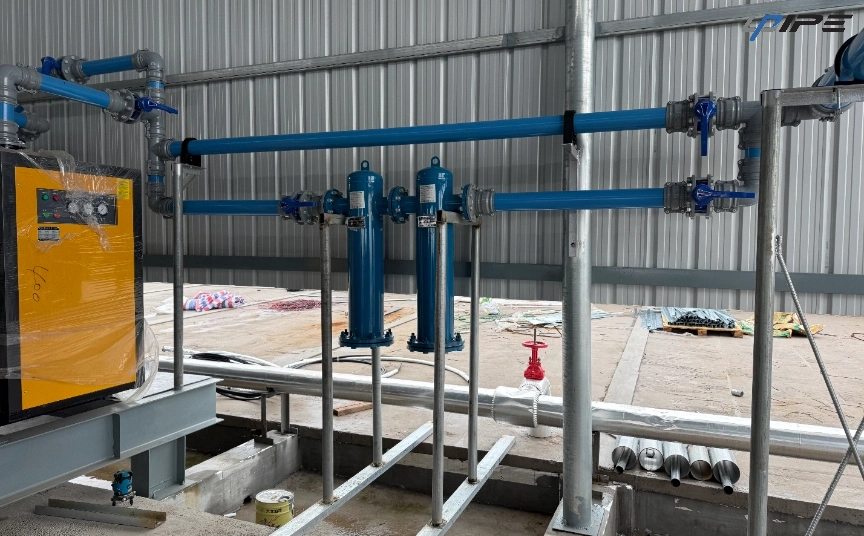
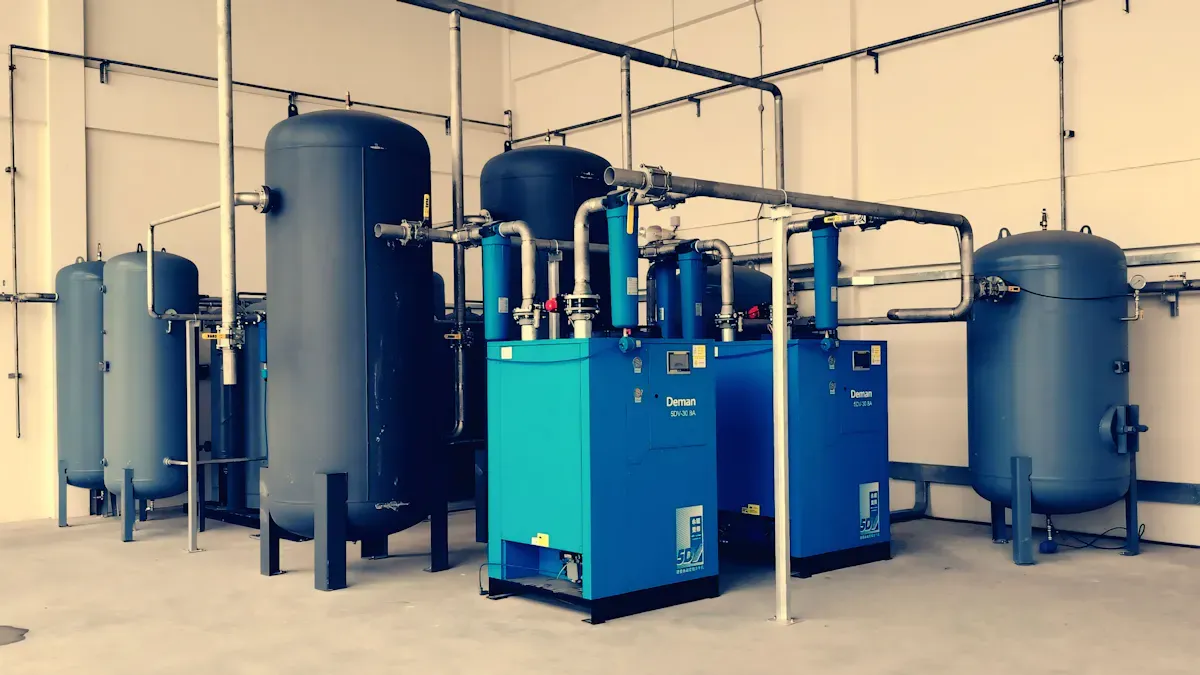
A compressed air pipe system for high-pressure jobs sends air at high pressures. This helps your work go well. You need to pick the right system. The material and design are important for safety and saving energy. Water and dirt can cause rust or damage. This can make leaks and stop work, which costs money. Aluminum is a good choice. The Upipe Aluminum Pipe System has special features for better use. Picking the right pipes helps you lose less pressure, keep air clean, and protect your machines.
Buying a strong compressed air pipe system keeps your business safe and your machines working well.
Key Takeaways
Pick strong materials like aluminum for your compressed air pipe system. Aluminum pipes are light, do not rust, and are simple to put in.
Always look at the pressure ratings of your pipes before you install them. This easy step can stop leaks and expensive accidents.
Follow safety rules and laws to keep your workers and equipment safe. Doing this helps you avoid fines and keeps your business working well.
Check your system often for leaks and maintenance problems. Finding issues early saves money and keeps your equipment working.
Plan your pipe layout carefully. Use straight pipes and fewer bends to lower pressure loss and make your system work better.
High-pressure compressed air pipe system essentials
Pressure ratings and durability
When you pick a compressed air pipe system for high-pressure jobs, you need to think about how much pressure the pipes can handle and how strong they are. Not all pipes are made for the same pressure. If you use the wrong pipe, it could leak, burst, or even cause a dangerous accident. You want pipes that can handle tough work every day.
Thermoplastic piping and fittings can work up to 185 PSI if the temperature is normal.
Copper pipes can handle up to 250 PSI for most types, and up to 400 PSI for Type 'K' hard copper.
Aluminum pipes, like the ones in the Upipe Aluminum Pipe System, can handle up to 16 bar (about 232 PSI) and work in temperatures from -20℃ to +80℃.
You need strong materials for high-pressure jobs. Here is how different materials compare:
Material Type | Durability Characteristics | High-Pressure Suitability | Corrosion Resistance | Cost |
|---|
Black Iron | Strong but heavy, rusts easily | Limited | Low | Moderate |
Galvanized Steel | Less rust than black iron, still degrades over time | Limited | Moderate | Moderate |
Stainless Steel | Very durable, resists corrosion, joints may leak | High | High | High |
Copper | Lightweight, resists corrosion, needs skilled installation | Moderate | High | High |
Aluminum | Lightweight, resists corrosion, easy to install, ideal for high pressure | High | High | Moderate |
Plastic (PVC/CPVC) | Not safe for high pressure, can break or explode | Not suitable | Low | Low |
You should not use plastic pipes like PVC or CPVC for high-pressure systems. These pipes can break or even explode if they are under too much stress. Aluminum and stainless steel are the best choices for strength and safety. Aluminum is special because it is light, easy to put in, and does not rust. The Upipe Aluminum Pipe System uses pure aluminum and thick walls to make the pipes extra strong and last a long time.
Tip: Always check the pressure rating on your pipes before you put them in. This easy step can stop expensive problems and keep your team safe.
Compliance and standards
You have to follow strict rules when you put in a compressed air pipe system for high-pressure use. These rules keep your workers, your machines, and your business safe. If you do not follow the rules, you could get fined, get in legal trouble, or hurt your business’s reputation.
Some important standards are:
ISO 8573-1:2010 tells you how clean your compressed air must be to keep it safe.
ANSI B31.1 gives rules for designing and putting in piping systems, including compressed air.
NFPA 99 has special rules for hospitals and healthcare places that use compressed air.
If you do not follow these standards, you could have big problems:
You could get legal penalties or lose business.
Your products might get recalled if your air system makes them dirty.
Your production could be ruined by water or dirt in the air.
Your reputation could be damaged, and you might have to pay more to fix mistakes.
You should pick a compressed air pipe system that meets or is better than these standards. The right system helps you stay out of trouble and keeps your work going well.
Remember: Picking the right system is not just for now. It keeps your business safe for many years. Make a smart choice today, and you will save time, money, and stress later.
Material options for high-pressure piping
Aluminum pipe advantages
You want pipes that work well and last a long time. Aluminum pipes help you do your job better. They are light and strong. You can put them in without much trouble. You can save up to half the work time because aluminum pipes are easy to cut and join. You do not need big tools or lots of workers. This helps you finish faster and spend less money.
Aluminum pipes do not rust. They keep your air clean and protect your machines. The inside is smooth, so air moves easily. This means your system uses less energy. You pay less for power and your machines work better. The fittings on aluminum pipes are very tight. You do not have to worry about leaks or wasted air.
Here is why aluminum pipes are a good choice:
Advantage | Description |
|---|
Installation Ease | You can put in and change aluminum pipes fast, saving time and money. |
Weight | Aluminum is much lighter than steel or copper, so work is easier. |
Corrosion Resistance | Aluminum does not rust, so your air stays clean and your pipes last. |
Air Quality | Aluminum pipes keep air pure and meet top standards. |
Secure Fittings | Tight fittings mean fewer leaks and more energy savings. |
The Upipe Aluminum Pipe System gives you even more. The pipes are made from pure aluminum with thick walls for extra strength. The connectors are made with a special process, so they are as strong as the pipes. The sealing rubber is high quality and stops leaks, even if the pipes move. The tees, elbows, and quick drops are made to keep air moving well and lower pressure loss. You also get strong quick drops and clamps that stop shaking, so your system stays safe and works well.
Pick aluminum pipes if you want a compressed air pipe system that saves you time, money, and worry.
Steel and copper comparison
Steel and copper are also used for high-pressure pipes. Both have good and bad points. You should know how they are different before you choose.
Steel pipes are very strong. They can handle very high pressure, sometimes over 300 bar. Stainless steel does not rust as much as mild steel. Steel pipes cost less than copper, especially for big jobs. But steel pipes are heavy. You need skilled workers and special tools to put them in. Stainless steel lasts a long time and does not need much care, but it costs more and is harder to use.
Copper pipes are light and do not rust. They are good for smaller jobs. Copper pipes cost more than steel and the price can change a lot. As the pipe gets bigger, copper cannot handle as much pressure. You need skilled workers to put in copper pipes, and you cannot use the fittings again. Copper can also wear out faster if it touches some chemicals.
Here is a table to help you compare:
Attribute | Steel Pipes | Copper Pipes |
|---|
Pressure Rating | Handles very high pressure, over 300 bar in some uses. | Lower pressure rating, drops as pipe size increases. |
Corrosion Resistance | Stainless steel resists rust well; mild steel less so. | Good resistance, but can corrode faster in some conditions. |
Cost | Usually cheaper than copper; price is stable for big sizes. | More expensive; price changes often. |
Maintenance | Stainless steel needs little care; heavy and hard to install. | Needs skilled labor; fittings not reusable; can be damaged by chemicals. |
You want a pipe that fits your budget, pressure needs, and care plan. Aluminum often gives you the best mix of strength, price, and easy care.
Unsuitable materials for high pressure
Some pipes are not safe for high-pressure compressed air. PVC, CPVC, and PEX are not good choices. They can break or even explode if you use them for compressed air. This can hurt your workers and your business.
Material | Reason for Unsuitability |
|---|
PVC | Not made for high pressure; can break and cause injury or damage. |
CPVC | Same risks as PVC; not safe for high-pressure air. |
PEX | Not made for compressed air; can burst under pressure. |
IMPORTANT SAFETY NOTE: PVC piping is NOT made for compressed air and will break at high pressures, which can cause damage, serious injury, or death.
OSHA and many building codes do not allow PVC and CPVC for compressed air. These pipes cannot handle the pressure. They also break down if they touch oils and lubricants. If you use them, you could get fined or someone could get hurt.
You want to keep your team safe and your business working. Always pick pipes that follow safety rules and can handle the pressure.
System design and layout
Pipe sizing and layout
You want your compressed air pipe system to work at its best. Pipe sizing matters. If you pick the wrong size, you lose pressure and waste energy. You need to think about how much air you use and the minimum pressure your machines need. Friction inside pipes causes pressure loss. Longer pipes and more bends make this worse.
Choose pipe sizes based on your total airflow (CFM).
Make sure your pipes keep the minimum pressure your tools need.
Keep pipes as straight as possible. Shorter runs mean less friction.
Avoid sharp bends and too many joints.
A smart layout keeps your system efficient. Use pipes that resist corrosion and are easy to handle. Airtight connections help you keep pressure steady. You can adapt your layout for different gases and complex setups.
Advantage | Description |
|---|
Corrosion Resistance | Pipes last longer in tough environments. |
Lightweight Structure | You install pipes faster and save money on labor. |
System Integrity | Tight connections stop leaks and keep pressure strong. |
Versatile Applications | You control flow and pressure in many types of networks. |
Joints and connectors
You need reliable joints and connectors for high-pressure air. The right fittings keep your system safe and leak-free.
Industrial (M-Style): Good flow, easy to find.
Automotive (T-Style): High-flow, perfect for garages.
Aro (A-Style): Great for tools that need lots of air.
European/High-Flow: Best for maximum airflow in big systems.
For pipe connections, use:
Compression tube fittings for leak-proof joins.
Push-to-connect fittings for quick setup.
Threaded fittings for strong, secure links.
Welded fittings for permanent, high-pressure jobs.
Flanged fittings for tough seals in demanding spots.
Minimizing pressure loss
Pressure loss hurts your system’s performance and costs you money. You can stop this with smart choices.
Find your flow rate and the highest pressure drop you can allow.
Use calculators or charts to pick the best pipe size.
Choose pipes that balance cost and low pressure loss.
Keep pipes straight and long to reduce turbulence.
Use gentle bends with big radii for smooth airflow.
Cut down on elbows and joints.
Check connections often to fix leaks fast.
If you lose 30 PSI, your compressor must work harder, raising energy costs by up to 15%. You save money and keep your machines running by designing your system well.
Tip: Inspect your pipes and fittings often. Clean inside surfaces and watch your system pressure. These steps keep your compressed air pipe system safe and efficient.
Safety and compliance
Essential safety features
You need to keep your team and equipment safe. Safety features in a compressed air pipe system help stop accidents. They also keep your business working. Pipes, hoses, and fittings must match your compressor’s top pressure. Put shutoff valves close to where you use the air. Never let hoses cross walkways or floors. This helps stop people from tripping and getting hurt. Make sure hose ends are secure so they do not whip if they break. Workers should wear goggles or face shields when using compressed air to clean.
Use materials like aluminum, steel, or special composite pipes. Secure pipes every 2–3 meters with strong brackets. Test pressure relief valves two times each year and write it down. Training helps your team know the risks and how to stay safe. Safety glasses and gloves protect workers from harm. Regular checks stop leaks and pressure changes before they cause problems. Pressure control keeps the system from going over safe limits and breaking.
Safety features protect people and save money by stopping downtime and repairs.
Codes and certifications
You must follow strict rules for high-pressure compressed air pipe systems. These rules keep your workplace safe and help you avoid fines. If your pipes are over 50 feet, you must test for leaks. Test for at least 30 minutes and make sure the pressure does not drop. Shorter pipes need to be checked and tested with a safe liquid. Pipes must be sized to lower friction and keep air speed under 30 feet per second. You must show a Certificate of Acceptance before you can use the building.
Requirement | Description |
|---|
Leak Testing | Test pipes over 50 feet for 30 minutes with no pressure drop. |
Pipe Sizing | Design pipes to keep velocity below 30 ft/sec and reduce friction losses. |
Acceptance Certification | Submit proof of compliance before occupancy permits. |
If your system is 100 horsepower or more, you need a monitoring system. These systems watch for leaks and check how well things work. Always separate pipes from the supply before testing. Following these rules keeps your business safe and your compressed air pipe system working well.
Following safety codes helps your customers trust you and keeps your good name.
Installation best practices
Step-by-step process
You want your compressed air pipe system to be safe and work well. First, plan where the pipes will go. Think about how much air you need now and later. Use strong pipes that can handle the right pressure and heat. Keep main pipes straight and flat. Put drop points up and down. Add water separators to protect your machines.
Here are steps for a good installation:
Hire certified installers. They know how to stop leaks and fix pipes right.
Cut each pipe end and smooth it. Smooth ends help air move easily.
Use the right joints. Good fittings make tight connections.
Support pipes every few meters. This stops pipes from bending and hurting joints.
Use fewer bends and fittings. Less turns means less energy loss.
Check for leaks before you start the system. Look at each connection and fix problems.
Tip: A ring layout keeps pressure steady everywhere. You avoid too much pressure or drops.
Leak prevention
Leaks waste energy and money. You can stop leaks by checking your pipes often. Listen for hissing sounds. Put soapy water on joints and fittings to see bubbles. Use special leak detectors to find leaks you cannot hear.
Regular leak checks help you find problems early. Lowering system pressure makes leaks smaller and saves energy. If you fix leaks fast, your compressor works less and lasts longer.
Impact on Efficiency and Safety | Description |
|---|
Increased Energy Consumption | Leaks make compressors work harder, raising power bills. |
Reduced System Performance | Leaks lower how well your system works and cost more. |
Shortened Equipment Lifespan | Leaks cause extra wear, making your equipment last less time. |
Stopping leaks keeps your system working well, saves money, and protects your equipment. You feel better and your workplace is safer.
Maintenance and troubleshooting
Routine checks
You want your compressed air pipe system to work well every day. Doing regular maintenance keeps it safe and helps it use less energy. If you forget these checks, you might get leaks or lose pressure. This can lead to expensive repairs. Make checking your system a habit. This protects your money and keeps your business running.
Here are some important steps to follow:
Change filters and maintain dryers: Dirty filters and dryers let dirt and water in. Change filters and fix dryers on time. This keeps air clean and protects your tools.
Find leaks early: Use special tools to listen for leaks in pipes. Even small leaks waste lots of energy and money each year.
Monitor pressure: Check the pressure at different places in your system. If pressure is low at the end, you might have a blocked filter or a leak.
Inspect and tighten connections: Machines shake and can loosen fittings. Check and tighten all connections every few months, especially near moving machines.
Drain moisture: Water collects in receivers and separators. Drain them often, especially if it is humid or rainy.
Regular checks help you find problems early. You save money and keep your system strong.
Common issues and fixes
You might have problems with your high-pressure compressed air pipe system. Knowing what to watch for helps you fix things fast and avoid stopping work.
Airflow turbulence: Pipes with sharp turns or bad layout cause turbulence. Keep pipes straight and smooth to stop pressure drops.
Moisture buildup: Too much water can hurt your equipment. Use aftercoolers and dry the air before it goes into the compressor to keep water low.
Obstructions from corrosion: Clogged filters or rusty pipes slow down airflow. Change air filters often and use pipes that do not rust to keep air moving.
If you pay attention and act fast, you can fix most problems before they get worse. A system that is cared for saves energy, protects your equipment, and helps you feel calm.
Take care of your maintenance. Your business will do better and you will have fewer problems.
You want your compressed air pipe system to be safe and work well. Pick strong materials like aluminum for better results. The Upipe Aluminum Pipe System is a good choice for top performance. Check your system often to keep it strong. Always follow safety rules to protect everyone. If you need more help, ask a trusted supplier or look online for tips. Start now to keep your business and your team safe.
FAQ
What makes the Upipe Aluminum Pipe System ideal for high-pressure applications?
You get pure aluminum pipes with thick walls. The connectors match the pipe strength. The system resists corrosion and leaks. You save time and money with fast installation and reliable performance.
Can I use PVC pipes for compressed air?
No, you should never use PVC pipes for compressed air. PVC can break or explode under high pressure. You protect your team and equipment by choosing aluminum or steel pipes.
How do I prevent leaks in my compressed air pipe system?
You check joints and fittings often. Use high-quality connectors and sealing rubbers. Listen for hissing sounds. Apply soapy water to suspect areas. Fix leaks quickly to save energy and protect your machines.
Why should I choose aluminum pipes over steel or copper?
Aluminum pipes weigh less and resist rust. You install them faster. You get cleaner air and fewer leaks. Aluminum pipes cost less to maintain and help your system run efficiently.
How often should I inspect my compressed air pipe system?
You should inspect your system every month. Look for leaks, loose fittings, and moisture buildup. Regular checks keep your system safe and help you avoid costly repairs.