Home > News > Blog > Energy-Saving Pipe System for Compressed Air Transmission Cost Reduction
# Blog
Energy-Saving Pipe System for Compressed Air Transmission Cost Reduction
2026-06-11
Share:
Energy-saving pipe system cuts compressed air costs by reducing leaks, boosting efficiency, and minimizing maintenance for long-term savings.
You can cut your facility’s energy costs by picking the right energy-saving pipe system for compressed air transmission. Efficient piping stops waste and keeps your costs low. Many industries use new systems, like the Upipe Aluminum Pipe System, to get better performance and reliability. Look at how modern ideas compare:
Reduces energy loss and keeps compressed air quality high
Key Takeaways
If you use an energy-saving pipe system, you can cut energy costs by up to 30%. This helps your facility save more money.
Aluminum pipes do not rust or corrode, so you need less maintenance and the system lasts longer.
A loop system keeps the pressure steady. It also makes repairs easier and you do not have to stop production.
Check for leaks often to stop wasting energy. Even small leaks can cost a lot of money over time.
Buying a new pipe system can pay for itself in 12 to 24 months. This makes it a smart way to spend money.
Energy-Saving Pipe System Benefits
Lower Energy Costs
Switching to an energy-saving pipe system can help you pay less for energy. These systems stop energy from being wasted by leaks and friction. They make sure compressed air moves easily from the compressor to where it is needed. This means you get more air to use and waste less. If you design the system well and take care of it, it will keep working well. This helps you spend less money running your system.
Energy-saving pipe systems stop energy loss from leaks and friction.
They help compressed air move better and faster.
Good design and care make the system work better and cost less.
Reduced Maintenance and Downtime
Using an energy-saving pipe system saves you time and money. Aluminum pipes do not rust, so you do not have to worry about buildup. The pipes are easy to put together because of their modular design. You do not need special tools or permits to install them. The connections do not leak much, so you do not need to fix them often. Your team can spend more time working and less time fixing problems.
Tip: Pick a pipe system that does not leak and does not rust. This will help you need less maintenance.
Benefit
Description
Lightweight
Aluminum is much lighter than iron, so it is easier to carry and put in place.
Corrosion Resistance
Aluminum does not rust, so it lasts longer and costs less to take care of.
High Leak Resistance
Aluminum piping systems are made to stop leaks, which helps them work better.
Ease of Installation
Modular systems need only a few tools and no special permits, so you save time and work.
Enhanced System Reliability
An energy-saving pipe system gives you steady performance you can count on. The pipes are designed to stop leaks and keep pressure strong. Aluminum pipes do not get rusty, so they last a long time. Loop systems help keep pressure steady and make repairs easier. Control systems help keep the pressure right and save energy. Watching the system closely helps you find problems before they get big. This keeps your air clean and your system working well.
The system keeps air clean, which is important for your work.
Loop systems keep pressure steady and make repairs easier.
Control systems help save energy and keep pressure right.
Key Design Factors for Compressed Air Piping
Material Selection and Pipe Quality
Picking the right pipe material is very important. It helps your system use less energy and last longer. Aluminum pipes, like the Upipe Aluminum Pipe System, have smooth insides. This lets air move easily through the pipes. Less friction means the pressure does not drop much. Aluminum does not rust, so you do not get scaling or pitting like with steel pipes. This makes the pipes last longer and cost less to take care of.
Always use pipes that meet industry rules and standards. This keeps your system safe and working well.
You pay less over time because you fix things less.
The system uses energy better.
The pipes last longer.
Efficient Layout and Loop Systems
A good layout helps your pipe system work its best. Try to keep pipes straight and use fewer bends and fittings. This keeps the pressure from dropping too much. Loop or ring main systems are great for most places. They let air go to every spot from two ways. This keeps the pressure steady, even when you need a lot of air.
Tip: Use a loop system to help air move smoothly and keep pressure even everywhere in your building.
Loop systems also let you add or fix pipes without stopping everything. This saves time and keeps your work going.
Leak Prevention and Sealing
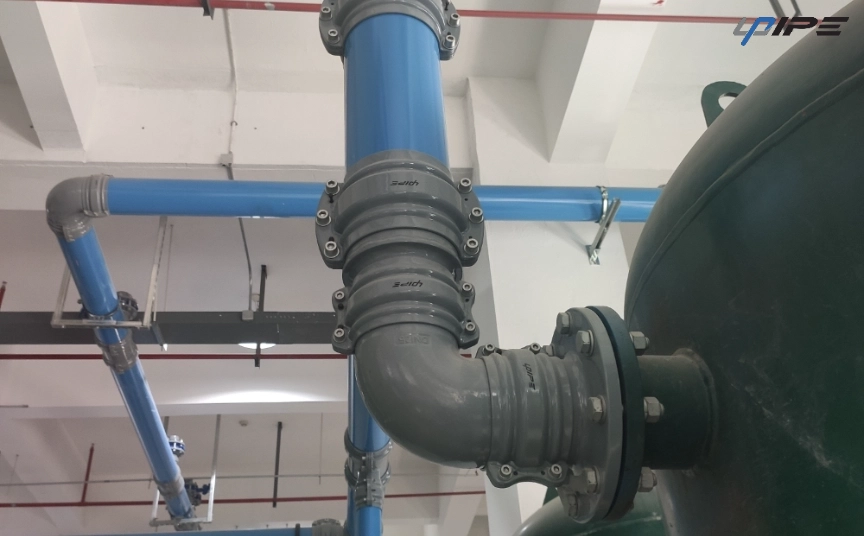
Leaks waste a lot of energy and money. Even a tiny hole can cost you thousands each year. Most leaks come from bad connections, old pipes, or threaded joints. The Upipe Aluminum Pipe System uses strong connectors and good sealing rubber to stop leaks before they start.
Check for leaks often by doing a leak-down test.
Make sure the pressure does not drop more than 10% overnight.
Fix leaks fast to save energy and money.
A system with good seals keeps your air clean and your costs low. You get the most from your pipe system when you stop leaks and use strong seals.
You should check your compressed air pipe system to find problems. Old or badly designed systems can hide many issues. Here are some common things you might see:
Friction loss happens when pipes are rough or too small.
Look at temperature, especially if you need cool, dry air.
Measure flow rates to see if air moves right.
Find leaks by checking often.
Tip: Walk around with a leak detector and listen for hissing. Even tiny leaks can waste lots of energy.
You also need to check pipe size, how rough the inside is, and how many fittings and valves there are. These things all change how well your system works.
Calculating Pressure Drops
Pressure drop means air loses pressure as it moves through pipes. If there is too much pressure drop, your compressor works harder and uses more energy. Here are steps to find out where you lose pressure:
Decide how much air you need and the biggest pressure drop you can have.
Use a calculator or formula to pick the best pipe size.
Choose pipes that give you the least pressure loss for the best price.
You can make your system better by:
Using longer straight pipes to stop turbulence.
Picking bigger bends so air flows smoother.
Using fewer elbows and fittings.
Note: If you do not know how to measure pressure drop, ask a compressor expert. They can help you get the right data to improve your system.
Upgrading to an Energy-Saving Pipe System
If you want to fix problems, upgrading to a new energy-saving pipe system helps a lot. Here are some things to think about when you plan your upgrade:
Lightweight pipes are faster to put in and do not need threading.
Material Benefits
Aluminum pipes last longer and do not rust.
Compliance with Regulations
New systems help you follow rules and avoid fines.
Energy Efficiency Improvements
Clean, smooth pipes save energy and lower emissions.
You should also:
Work with an expert to plan your installation.
Think about how new drops will change pressure and flow.
Make sure your compressor is in the right spot and set up well.
Switching to a system like the Upipe Aluminum Pipe System fixes many problems. The aluminum is light, so it is easy to install. The smooth inside cuts down friction and pressure loss. Good connectors keep the system airtight, so you do not lose air. The modular design lets you change or add to your system fast.
Callout: Upgrading your piping is a great way to save money and make your system work better. You get better performance, lower energy bills, and less downtime.
By following these steps, you can find and fix weak spots in your compressed air system. You will save energy, spend less, and keep your work running well.
Cost Savings and ROI
Estimating Savings
You can estimate your cost savings by using special tools designed for compressed air systems. For example, some calculators let you enter details like your compressor’s pressure, flow rate, and how many hours you run each year. You also add your electricity costs. The calculator then shows you how much you spend with your current system and how much you could save by switching to a modern system. It can even show your savings over several years and tell you how long it will take to get your money back.
Tip: Use an energy calculator before you upgrade. This helps you see the real numbers and plan your budget.
Many companies see big savings after installing an energy-saving pipe system. For example, a factory that switched from old steel pipes to aluminum piping saw their energy bills drop by almost 30%. They also spent less on repairs and had fewer leaks. Real-world results like these show that you can expect both short-term and long-term savings.
Long-Term Value
When you invest in a new pipe system, you want to know how fast you will get your money back. Many facilities see a return on investment in just 12 to 24 months. Sometimes, the payback period can be up to 36 months, depending on your system and how much you improve it.
Old materials like steel or copper often leak, rust, and cost more to fix.
Modern systems have leak-free connectors and modular parts, so you can change or expand your system easily.
You will save money on energy and repairs year after year. The modular design means you can add new lines or move things around without big costs. Over time, your system stays efficient and reliable, helping your business grow.
Note: Always check your savings and ROI before making a big upgrade. This helps you make smart choices for your facility.
You can spend less money at your facility by using an energy-saving pipe system and doing a few easy things. First, check your pipes to see if there are leaks or if the pressure drops. Get help from experts who can do air audits and look at how much air you need. Choose strong aluminum pipes like Upipe because they do not rust, let air move smoothly, and are simple to put in. Use tight fittings and look at your system often so you can stop leaks before they start. When you try to save energy, you spend less, your machines work better, and you help the planet.
Tip: Always try to save energy with your compressed air system. You will save money for a long time and your system will work well.
FAQ
What makes aluminum pipes better for compressed air systems?
Aluminum pipes resist rust and corrosion. You get smooth airflow and less pressure loss. You can install them quickly. They last longer and need less maintenance.
How do I check for leaks in my compressed air pipe system?
You can use a leak detector or listen for hissing sounds. Check connections and joints often. Fix leaks right away to save energy and money.
Can I upgrade my old system without stopping production?
You can upgrade in sections. Modular systems like Upipe let you add or replace pipes easily. You keep your work running while improving your system.
How much money can I save with an energy-saving pipe system?
You can save up to 30% on energy costs. You spend less on repairs and maintenance. Your return on investment often comes within two years.
What maintenance does the Upipe Aluminum Pipe System need?
You should inspect connections and seals regularly. Clean pipes if needed. Check for leaks and fix them quickly. The system needs little maintenance because it resists corrosion.
This website uses cookies to provide you with a safer and more personal experience. By accepting, you agree to the Cookie Policy and the use of cookies for advertising and analytics purposes.