Home > News > Blog > Where to Find CE Approved Industrial Compressed Air Piping Systems
# Blog
Where to Find CE Approved Industrial Compressed Air Piping Systems
2026-09-22
Share:
Source CE Approved piping from specialized manufacturers, authorized distributors, online marketplaces, or European suppliers. Verify declarations of conformity for EN 15001 compliance.
You can find CE Approved industrial compressed air piping systems through four main ways: specialized manufacturers, authorized distributors, online industrial marketplaces, and direct European suppliers. Each option gives you different benefits in price, availability, and technical support. This certification matters because compressed air piping must follow European standards like EN 15001. That standard covers safety, pressure performance, and material compliance. Bad paperwork can make your system fail regulatory inspections or create operational risks. This article gives practical sourcing guidance and verification steps. You will learn how to confirm certificates, check seller credentials, and make sure your piping meets required safety benchmarks before you buy.
Key Takeaways
There are four main ways to get CE approved piping: manufacturers, distributors, online marketplaces, and direct European suppliers.
Always check CE certificates yourself by looking up the certificate number in the notified body's online database.
Ask for the Declaration of Conformity before you buy. It shows the exact standards your piping meets.
Buyers in the US need NRTL certification, such as UL or ETL. CE marking does not meet OSHA rules.
Contact the notified body directly to check that a certificate is real and up-to-date.
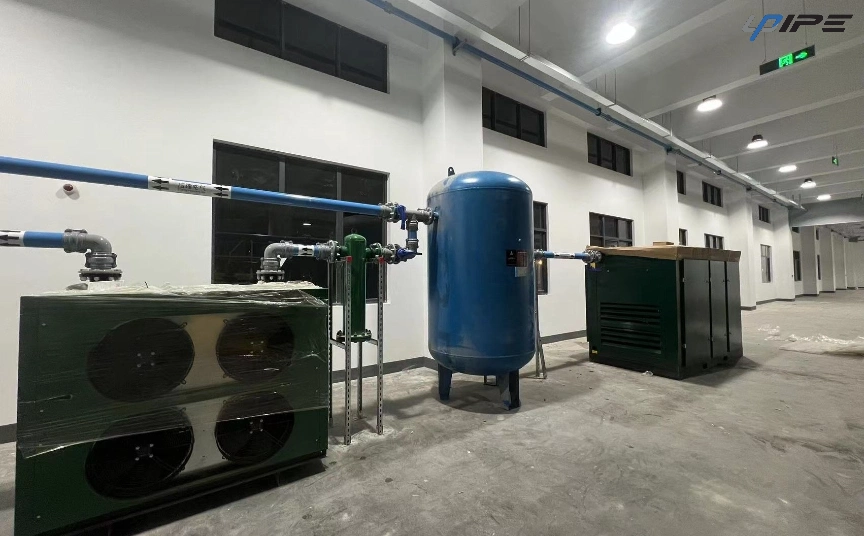
Several manufacturers build piping systems specifically for compressed air networks. AIRnet, Transair, Prevost, and Upipe all offer products with CE documentation. These brands design their systems around modular components. You can assemble, expand, or reconfigure a network without welding or heavy equipment.
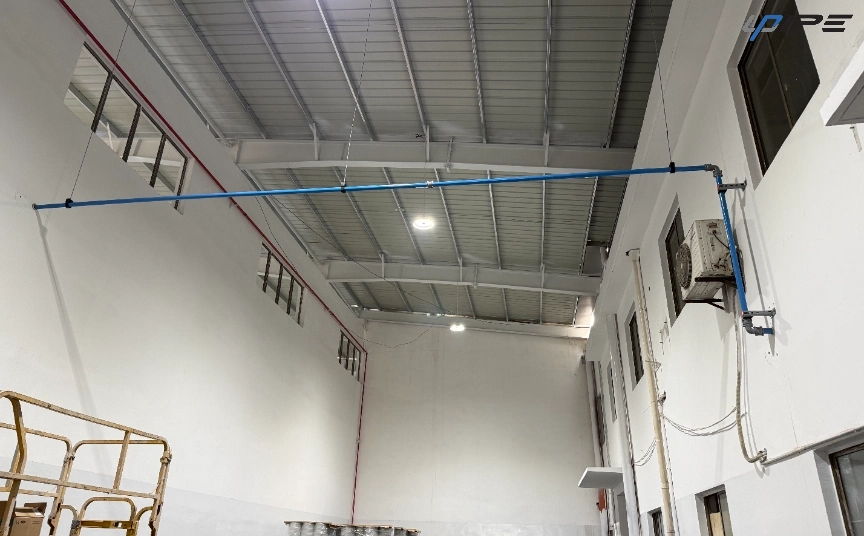
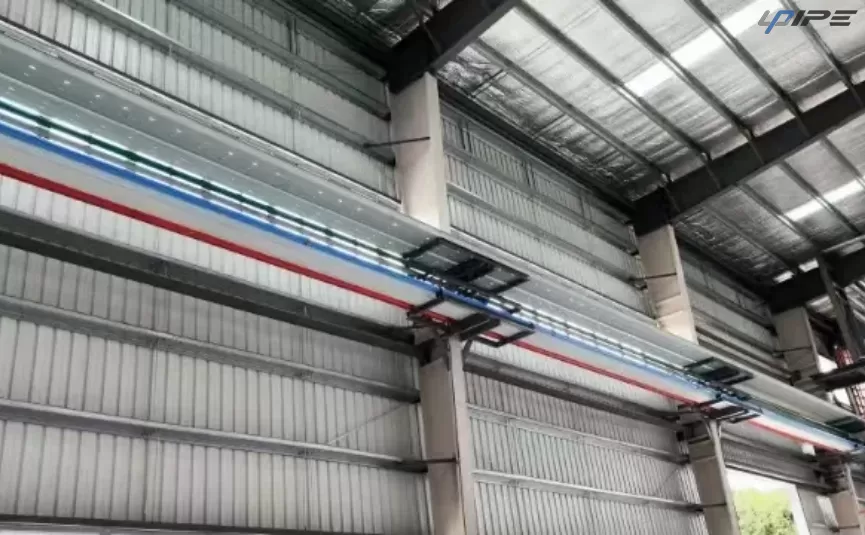
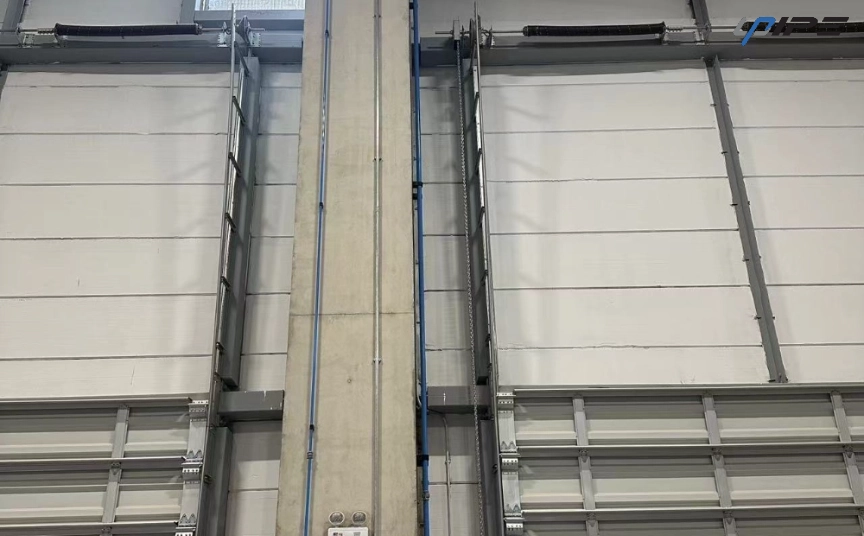
Prevost stands out for its testing approach. Independent third-party organizations test and certify Prevost products. This outside verification gives you extra confidence in the product's safety claims. Upipe takes a similar quality-first approach with its Upipe Aluminum Pipe System. The system uses high-quality aluminum alloy. This material resists corrosion well, even in tough industrial settings. The modular design lets you customize layouts for your specific floor plan. Installation moves quickly, which cuts downtime and labor costs. Upipe serves compressed air, vacuum, and inert gas applications. Its fittings range includes elbows, connectors, tees, flanges, quick drops, ball valves, butterfly valves, and flowmeters. Each part creates secure, leak-proof connections. The smooth internal surface minimizes pressure drop and prevents contamination. This makes the system suitable for manufacturing plants, automotive workshops, food processing facilities, and pharmaceutical clean rooms.
What CE Approval Covers
CE approval for piping typically covers three areas: safety, pressure performance, and material compliance. These areas fall under standards like EN 15001. That standard applies to industrial piping systems and sets requirements for design, construction, and testing. A CE mark on piping tells you the manufacturer met these essential health and safety requirements.
The approval process examines how a system handles pressure. It checks whether materials meet specified strength and durability thresholds. It also reviews safety features that protect workers and equipment. For compressed air systems, the approval confirms the piping can operate safely at rated pressures. You should always request the Declaration of Conformity. This document lists the specific standards the product meets. It connects the CE mark to actual test results and technical specifications.
Authorized Distributors and Resellers
Finding Distributors via Manufacturer Websites
Manufacturers put their approved distributors on their official websites. These sellers carry valid CE paperwork for every product they sell. You can go to a maker's site and use their distributor finder tool. This tool shows which companies can legally sell their piping systems where you live.
Industrial Air Services (IAS) is one example. This seller offers aluminum piping solutions in certain areas like Texas. Local sellers like IAS know local building codes and can deliver faster. They also give installation help and warranty service that meets the maker's standards.
What to Confirm Before Buying
You should check two things before you buy from any distributor. First, confirm the seller's approval status with the manufacturer. Second, ask for the Declaration of Conformity for the exact products you plan to buy. This paper ties the CE mark to real test results.
You can also check if a certificate is real on your own. Just follow these steps:
Get the CE certificate number from the supplier.
Go to the issuing body's official online database.
Look up the certificate number in that database.
Make sure the manufacturer name matches the supplier.
Make sure the product scope covers your exact piping product.
Make sure the valid date is current and has not run out.
Industry audits by SGS and outside inspectors found that about 12% of certification papers shown by plastic pipe suppliers are expired, cite discontinued standards, or belong to a different company. A supplier can make a PDF that looks just like a real certificate. Checking the issuing body's database is the least you should do to protect your supply chain.
Document
What It Proves
How to Verify It
ISO 9001 certification
A documented quality management system
Search the certificate number in the issuing body's online database
CE compliance standards documents
Machine safety for the EU market
Confirm the certificate covers the exact machine model, not a general category
A valid certificate proves the factory is qualified to build your machine at scale. It does not by itself prove real manufacturing skill, steady quality, or enough production capacity. Always ask for the Declaration of Conformity and make sure your piping system has CE Approved status before you finish your purchase.
Online Industrial Marketplaces
Platforms to Consider
A few online sites sell modular compressed air piping systems. DirectIndustry is a B2B marketplace for industrial gear. You can find many makers and sellers there. Alibaba lets you source aluminum piping and fittings globally. This site connects you straight to producers. Aircompressors.com has a special section for compressed air parts. You can look at piping, hoses, connectors, quick drops, and flange connectors. This site focuses only on compressed air systems. It makes finding the right parts easier.
Each site offers different benefits. DirectIndustry lets you compare specs across brands. Alibaba lets you talk directly with makers. Aircompressors.com gives you hand-picked items from trusted brands. You can see product info, pictures, and specs easily. Online marketplaces cut down your research time. You can check many options from one place.
Verifying CE Claims Online
Online listings often say they have certification. You must check these claims before you buy. Ask each seller for the Declaration of Conformity. This paper lists the specific standards the product meets. It links the CE mark to real test results. Check the certificate number in the issuing body's online database. This step confirms the certificate is still good.
You should also check the seller's credentials. Look on the manufacturer's website for authorized reseller status. Some sellers list products without proper permission. They may give old or wrong documents. Ask for the manufacturer's contact info. Reach out to them to check the seller's status. This safety step protects your money.
Requiring a CE Approved system means you need full documents. Do not trust claims without paper proof. A simple screenshot does not show compliance. You need the actual certificate with current dates and the right product scope. Any mismatch should stop your purchase.
Buying Direct from European Suppliers
Benefits of Direct Procurement
When you buy straight from European makers, you get the full CE paperwork package. Suppliers like Asahi/America (Air-Pro® PE piping) and UnipipeAIR give you the Declaration of Conformity, technical files, and test reports with no middleman delays. You also get help from the maker during setup and upkeep. This direct link ensures your industrial piping systems meet EN 15001.
The maker knows their product's compliance rules better than anyone. They can answer your questions about pressure ratings, material specs, and how to install it. You skip the mix-ups that sometimes happen when you go through distributors. Buying direct means one company is responsible for the certification.
Key Considerations for Buyers
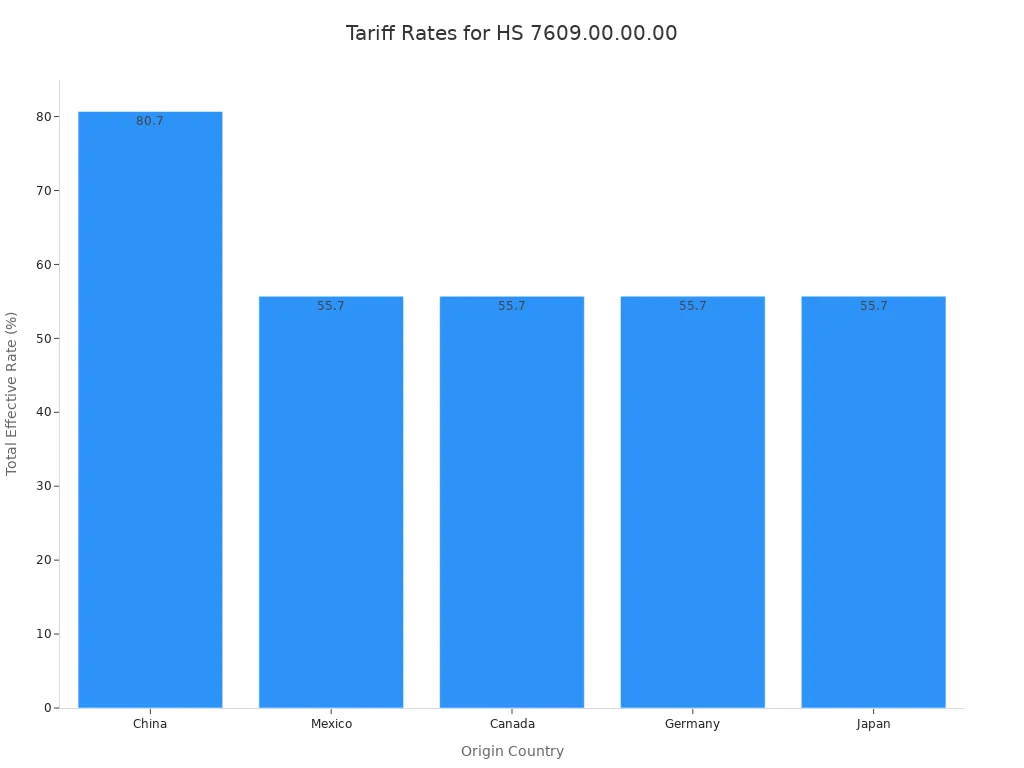
Shipping from Europe takes careful planning. You must classify your piping system under the right HS tariff code. Aluminum pipe fittings fall under HS code 7609.00.00.00. The tariff rate depends on where the goods come from. Imports from Germany face a 5.7% MFN rate plus 50% surcharges, for a total effective rate of 55.7%. Imports from China face 5.7% plus 75.0%, totaling 80.7%. These duties change your total landed cost.
US Customs needs specific papers for import clearance. You need the commercial invoice, packing list, bill of lading, HS code classification, EU Declaration of Conformity, technical construction file, test reports, risk assessment, user manual, and nameplate photos.
Required Document
Purpose
Red Flag If Missing
Commercial invoice
Declares value and goods description
Mismatched values cause delays
Packing list
Details contents and weights
Inconsistent with invoice
Bill of lading
Proof of shipment
Missing consignee details
HS code classification
Determines duty rate
Wrong code leads to penalties
EU Declaration of Conformity
Names CE directives
Missing suggests no assessment
Technical construction file
Contains design drawings
Cannot prove conformity
Test reports
Shows actual CE testing
CE may be self-declared
Risk assessment
Documents hazard reduction
Safety design may be inadequate
User manual and wiring diagrams
Needed for US inspection
Installer cannot verify
CE marking is a European Union regulatory requirement. It has no legal standing with US Customs and Border Protection or with OSHA. US customs does not require CE, UL, or FCC marks to release industrial machinery, but OSHA safety standards effectively require NRTL certification such as UL or ETL for workplace use.
A CE Approved system meets European rules. But you may also need NRTL certification for US workplace use. After-sales support from European suppliers needs clear deals about response times and spare parts. Ask about local service partners before you buy.
You need to check the certification before you put in any piping system. Begin with the Declaration of Conformity. This paper lists every standard the product meets. It names the exact directives that apply to your system. You compare this paper with the real product you get. The model number on the certificate must match the parts in your shipment. If they do not match, you cannot prove compliance.
Look for the standards listed on the certificate. EN 15001 covers design and construction rules for industrial piping. It sets rules for pressure performance and material strength. ISO 8573.1 defines compressed air quality classes. Your system should meet the right class for your use. Food processing or pharmaceutical places need higher air quality than general manufacturing.
You check the certificate number in the issuing body's online database. This step proves the certificate is valid and current. Each notified body keeps a searchable registry. You type in the number and see the manufacturer name, product scope, and validity date. Do not take a screenshot or a scanned PDF by itself. Go to the database yourself.
For US-based buyers, CE Approved status meets European rules only. OSHA does not accept CE marking as proof of safety. You may need NRTL certification such as UL or ETL for workplace use. Local building codes also apply. Check with your local authority before you order.
You also look at the technical construction file. This folder holds design drawings, test reports, and risk assessments. It shows how the manufacturer built the system to meet safety rules. If the supplier cannot give you these documents, you have no evidence of real testing.
Contacting Notified Bodies
Notified bodies do independent third-party testing. These groups verify that products meet the key requirements of EU directives. They do not design the product. They do not certify their own work. They review the manufacturer's evidence and issue certificates. This independence gives you confidence in the CE mark.
You can contact the notified body directly. Ask them to confirm that a certain certificate belongs to the manufacturer you are buying from. Give the certificate number and the manufacturer name. The notified body will verify the details. This step catches fraudulent claims.
The role of notified bodies goes beyond issuing certificates. They also audit the manufacturer's quality system. They check that production processes stay consistent. They review test procedures. They confirm that the manufacturer keeps compliance over time. This ongoing oversight protects you from getting a substandard product.
You should ask your supplier for the name and contact details of the notified body that issued their certificate. Then you contact that organization and ask for confirmation. Do this before you place the order. It takes a few minutes and protects your investment.
End-of-life considerations also relate to compliance. Your piping system must support future dismantling and recycling. Aluminum systems like Upipe make this process simple. You recover the material value and lower disposal costs. Proper documentation at purchase ensures easy verification later.
You can always reach out to the manufacturer directly for help. They know their compliance status best. They can guide you through the verification process. They can provide updated certificates as standards evolve. The direct line to the manufacturer gives you the fastest answers.
You have four main ways to source CE Approved industrial compressed air piping: specialized manufacturers, authorized distributors, online marketplaces, and direct European suppliers. Each option gives you different benefits in price, availability, and technical support.
Whichever source you pick, you must check the certification yourself. Look up each certificate in the notified body's database. Compare the Declaration of Conformity with the product you get. These papers prove compliance with EN 15001 and other safety standards.
Ask for these documents before you order. Confirm them before you install the system. A careful check protects your investment and keeps your operations safe from regulatory failures. Take these steps seriously.
FAQ
What documents prove CE approval for compressed air piping?
You need the Declaration of Conformity and the certificate number. The Declaration of Conformity lists the exact standards your piping meets. Check the certificate number in the issuing body's online database. These papers link the CE mark to real test results. Without them, you cannot prove compliance.
Can I use CE approved piping in the United States?
CE marking meets European Union rules only. OSHA does not accept CE marking as proof of workplace safety. You may need NRTL certification like UL or ETL for US installations. Local building codes also apply. Check with your local authority before you order.
How do I verify a distributor's authorization?
Go to the manufacturer's official website and use their distributor finder tool. Make sure the seller shows up on that list. Then ask for the Declaration of Conformity for the exact products you plan to buy. Contact the manufacturer directly to confirm the seller's status.
What standards apply to CE approved compressed air piping?
EN 15001 covers design, construction, and pressure performance for industrial piping. ISO 8573.1 defines compressed air quality classes. Your system should meet the right class for your application. Food processing and pharmaceutical facilities need higher air quality than general manufacturing operations.
How long does it take to verify CE certification?
You can check a certificate in minutes. Get the certificate number from your supplier. Go to the notified body's online database. Type in the number and confirm the manufacturer name, product scope, and validity date. Contact the notified body directly if you need more confirmation.
This website uses cookies to provide you with a safer and more personal experience. By accepting, you agree to the Cookie Policy and the use of cookies for advertising and analytics purposes.