Home > News > Blog > How to Choose an ISO-Certified Compressed Air Pipeline Company
# Blog
How to Choose an ISO-Certified Compressed Air Pipeline Company
2026-08-20
Share:
Choose an ISO-certified compressed air pipeline vendor by verifying ISO 8573-1 air purity, ISO 9001 compliance, and selecting low-friction aluminum piping.
Choosing the right ISO-certified partner for your compressed air pipeline system requires careful checks of important work rules. Facility managers, plant engineers, and buyers must focus on proven quality standards to ensure clean, constant airflow. You need strong materials that stop expensive leaks and prevent pressure losses throughout your building network. Great support after setup also keeps your system working well for a long time. Focusing on certified quality standards and strict safety rules protects your money investment. You can improve total system performance by picking a seller with proven build methods and reliable parts. Check your future seller against clear work standards to keep your factory running smoothly.
Key Takeaways
Check ISO certificates to make sure the air stays clean and protects your factory tools from harmful dirt.
Pick modular aluminum pipes to block inside rust and stop costly pressure losses throughout your system.
Choose the size of your compressed air pipes based on your highest needs to lower your long-term energy costs a lot.
Check installer licenses and safety records to ensure legal workplace rules and dependable system performance.
Plan regular leak checks and expert reviews to keep your energy system working well for years.
Essential ISO Standards for Compressed Air Pipelines
You must check international quality rules before you pick a pipe supplier for your building. Strong adherence to standard rules ensures clean air delivery and protects your important equipment. Choosing a skilled partner for your Compressed Air Pipeline cuts down system dangers and stops ongoing power waste.
ISO 8573-1 Air Purity and Quality Classes
The ISO 8573-1:2010 rule sets air purity levels across factory pipe networks. This standard tracks three main dirty elements by using a three-number code [Particle:Water:Oil]. Class scores go from 0 to 9 to show overall air cleanliness. Particle scores check solid pieces by size and count inside every cubic meter. Water scores track pressure dew point levels from -70 °C at Class 1 to +10 °C at Class 6. Oil scores track total liquid, mist, and gas amounts in milligrams per cubic meter.
For example, Class 1 allows up to 20,000 tiny pieces sized 0.1 to 0.5 micrometers per cubic meter, a water pressure dew point of -70 °C or colder, and total oil of 0.01 milligrams per cubic meter or lower. Class 2 allows 400,000 tiny pieces in that exact size range, a dew point of -40 °C or colder, and total oil of 0.1 milligrams per cubic meter or lower.
To reach the Class 0 rule, all levels must stay lower than the numbers set for air quality Class 1 solid pieces, pressure dew point, and oil amount. Class 0 can go even lower and list exact levels for these groups based on what the buyer needs.
Needs three or more filters to clean out oil mists, gases, and liquids
Maintenance costs
No filters to swap; no linked work hours or stops
Regular filter swaps increase your regular care bills
Energy costs
No drop in pressure caused by inline filters
Loss of pressure across filters raises overall power bills
Air quality stability
Steady – will not shift when room temperatures change
Unsteady – air quality can slide from Class 1 to Class 2 as room temperatures shift
ISO 9001 Quality Management and Safety Compliance
An ISO 9001 certified vendor follows clear quality management steps. These proven steps keep work steady across every single step of your setup project. Certified control setups bring reliable testing data, accurate job files, and full readiness for official checks.
Following safety rules protects your workers and keeps your plant running legally across your local region. You must check that your setup obeys several required safety rules and standards:
Pressure Systems Safety Regulations 2000 (PSSR): Requires safe system care and work under a written inspection plan.
Provision and Use of Work Equipment Regulations 1998 (PUWER): Requires keeping compressed air setups in safe shape and fine working order.
Food and Pharmaceutical Regulations: Requires full compliance with HACCP, BRC Global Standards, and MHRA Good Manufacturing Practice rules.
EN 12021: Sets clear limits for oxygen, carbon monoxide, carbon dioxide, water, and oil in breathing air setups.
Industry Safety Legislation: Demands full compliance with CE rules, ATEX explosion safety standards, and OSHA workplace safety rules.
Following ISO rules and local safety laws guarantees safe work for your pipe network over many years.
You must select the right piping material to maintain operational efficiency in your facility. Traditional black iron and galvanized steel pipes feature heavy construction. These steel options require skilled welders or pipe threaders, which raises your initial labor costs. Moisture inside steel systems degrades zinc coatings over time and creates internal rust. Rust flakes break loose, cause tool blockages, and create serious safety issues. Copper delivers good corrosion resistance, but high material prices increase overall setup expenses significantly.
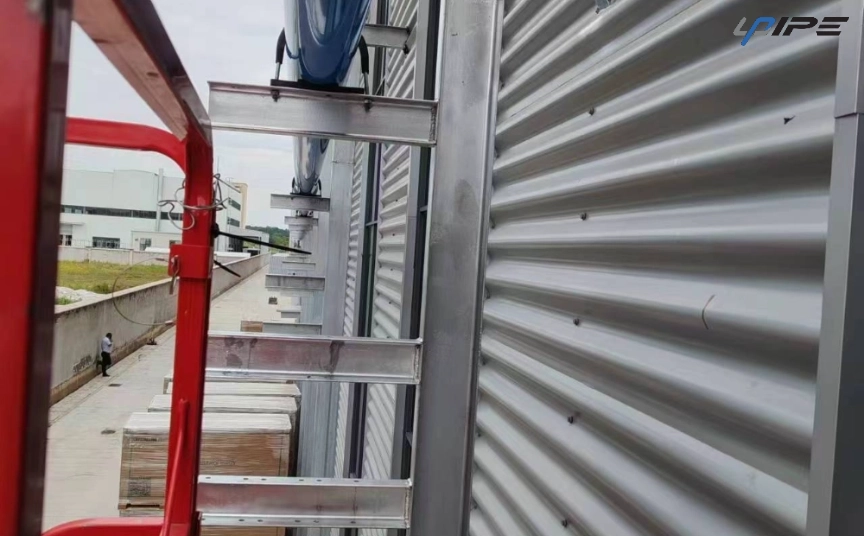
Modern facilities choose modular aluminum solutions to eliminate these structural problems. The Upipe Aluminum Pipe System utilizes premium-grade aluminum alloy to provide superior durability. This lightweight system allows one worker to handle pipes up to 6 inches without heavy lifting equipment. The aluminum material resists corrosion completely, which keeps air streams clean. The following table highlights performance differences across common factory piping materials:
Material
Durability
Corrosion Resistance
Installation Cost/Ease
Leak Resistance
Black iron
Low
Poor
High
Low
Galvanized steel
Moderate
Temporary
High
Low
Stainless steel
Very high
Excellent
Very high
Low
Copper
High
Good
High
Moderate
Aluminum
High
Excellent
Low
High
Flow Efficiency and Pressure Drop Minimization
Internal rust in steel pipes creates rough surfaces. Rough interiors generate severe friction, which forces your air compressors to work harder and consumes more electricity. The Upipe Aluminum Pipe System features a smooth interior wall. This smooth surface prevents debris buildup and minimizes friction loss throughout your entire operational network.
pressure drop = inlet pressure - outlet pressure
You can optimize system control using engineered Upipe components. The system offers precise fittings, including 90° elbows, equal tees, reducing tees, male connectors, and female connectors. Specialized 90° and 180° quick drops create clean air supply lines directly above equipment workstations. You can also integrate robust fluid control hardware, such as double plug ball valves, turbine butterfly valves, and digital flowmeters. These precise connection points provide excellent sealing performance, which prevents air leaks and maintains steady pressure across your plant.
You must audit installer credentials thoroughly before hiring a vendor for your facility. Start by reviewing verified factory references and real-world project case studies. Inspect official certification tables to confirm active ISO 9001, ISO 8573, CE, and Pressure Equipment Directive compliance. Do not accept a vague Class 0 claim at face value. Demand specific numerical limits, defined sampling locations, and clear test methods for solid particles, pressure dew point, and oil content. Experienced vendors provide total engineering support across your entire operational network. They analyze peak demand patterns to pair air compressors, dryers, filters, and delivery lines correctly. Sizing air dryers incorrectly creates moisture issues, damages pneumatic tools, and causes severe pressure drops.
You can evaluate prospective pipeline contractors by checking several core service capabilities:
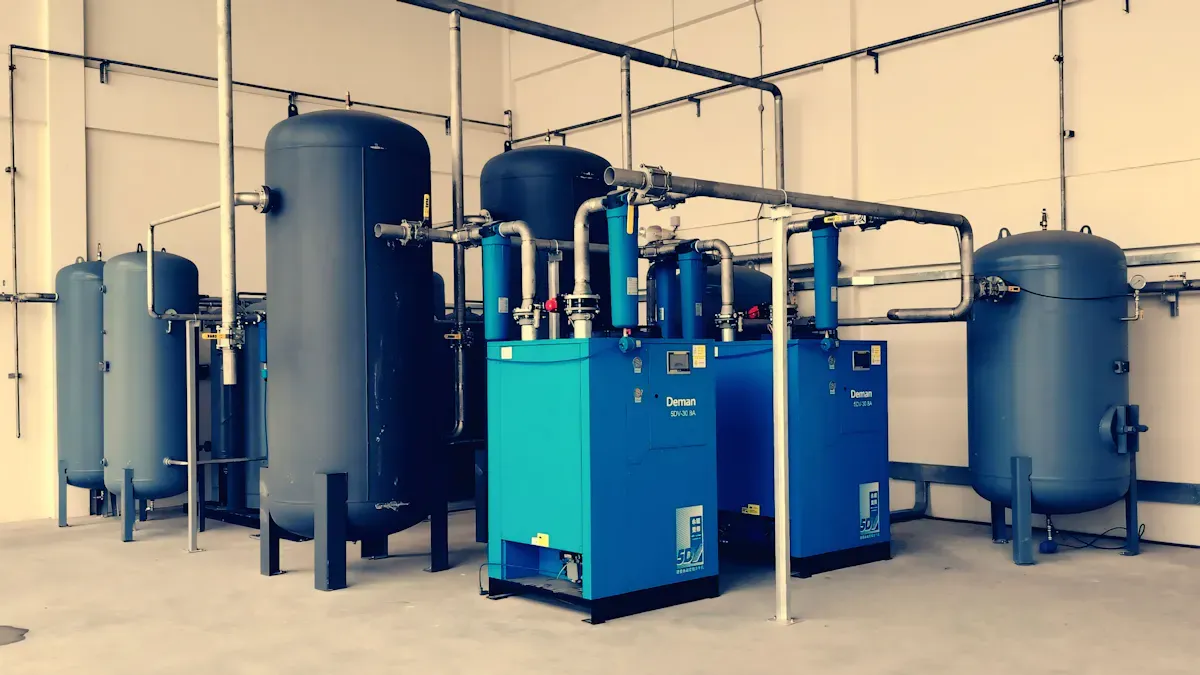
System design skill: Matching compressors, storage tanks, dryers, and filtration units directly to your specific industrial air purity needs.
Proven compliance standards: Demonstrating full alignment with regional pressure equipment regulations, OSHA workplace safety rules, and ISO quality standards.
Ongoing customer support: Offering preventive maintenance plans, emergency help, and local service availability to maintain peak system uptime.
Transparent upfront pricing: Providing clear itemized costs for equipment, labor, and custom pipe sizing to prevent unexpected extra charges.
Total Cost of Ownership and System Sizing
Calculating the Total Cost of Ownership helps you choose the most efficient system for your manufacturing plant. Initial equipment purchase costs make up only a tiny fraction of your true operational spending over time. Energy accounts for 70% to 80% of the total lifecycle cost of an industrial compressed air network. Generating 1 HP of compressed air requires 7 HP to 8 HP of electrical power from your supply. Poor system design choices create internal friction and force your air compressors to run continuously at higher pressure levels. Every 2 PSI increase in operating pressure raises your overall energy costs by about 1%. You must calculate future electrical expenses against initial equipment outlays to protect your operational budget.
Engineers must select pipe diameters using maximum peak CFM requirements rather than average daily consumption figures. Undersized delivery pipes increase airflow velocity, raise internal friction levels, and drop line pressure at critical production points. The table below illustrates how system design factors directly influence long-term operational costs:
Design Factor
Poor System Sizing
Optimized System Sizing
Piping Layout
Straight lines with restricted dead ends
Ring main loop feeding air from two directions
Pressure Drop
High pressure loss across narrow fittings
Minimal friction loss through modular aluminum fittings
Energy Impact
High energy waste from over-pressurizing
Lower electricity bills and stable working pressure
Lifecycle Cost
Continuous repair bills and high power expenses
Reduced total cost of ownership over system lifespan
Selecting high-performance materials stops costly air leaks and protects your power budget. The Upipe modular aluminum system uses smooth inner walls and double seals to eliminate leaks and minimize friction. This advanced layout saves 10% to 25% on annual energy bills. Installing a ring main network allows air to reach workstation drop points from two separate directions. This balanced flow pattern reduces air velocity, cuts turbulence, and stabilizes working pressure across all tools. Connecting properly sized pipes with Variable Speed Drive compressors eliminates unloaded run times. A well-planned Compressed Air Pipeline optimizes overall factory efficiency and guarantees maximum financial returns.
Post-Installation Support and Warranties
Pressure Testing and System Auditing
Demand full pressure checks from the installer before accepting your finished factory air setup. A trained professional must check test outlines ahead of work starts. Teams close off the line area with caps, connect accurate gauges, and set safety valves at 110 percent of test levels. Crews put up warning signs and clear people out before pumping up any lines. To run air tests, workers fill pipes slowly using clean dry air or nitrogen.
Independent testing gives a clear, rule-based path to measure dirty particles, improves audit safety, lowers fault dangers, and works as an official shield against work risks.
A complete five-part check of compressors, air cleaners, leak spots, end tools, and meters should happen every single year. New air holes pop up constantly in active plants — run quick checks with sound scanners every three months to find fresh leaks.
Long-Term Maintenance and Warranties
Regular system care keeps power bills down and stops costly pressure losses through your shop. Heavy pressure drops from tiny pipes or clogged filters force air pumps to work harder. Air loss from connectors, valves, or lines causes major power waste. You protect overall work results by following key care steps:
Strong makers stand behind top aluminum pipe setups with leading product guarantees. Best sellers give a 20-year factory guarantee or an exclusive lifetime promise on all pipes and joints. These long guarantees prove real building pride and guard your plant investment. Top certified pipe sellers offer ongoing care plans, quick crisis help, and constant work advice to keep your air system running at top strength.
Selecting the right partner for your Compressed Air Pipeline protects your long-term energy budget. You must validate vendor ISO credentials, ensure compliance with pressure equipment regulations, and select high-performance materials like the Upipe modular aluminum system to prevent leaks.
Utilize this checklist during your procurement process:
Verify active ISO 9001 quality records and ISO 8573-1 air purity reports.
Confirm compliance with local pressure equipment safety laws and OSHA rules.
Request system sizing calculations to match peak air demand.
Contact a certified supplier today to request official ISO certificates and schedule a flow design audit before installation.
FAQ
What is ISO 8573-1 Class 0 air purity?
ISO 8573-1 Class 0 promises super clean air. It keeps dirt levels below Class 1 targets for bits, moisture, and oil. Picking Class 0 gear removes inline oil filters. This choice lowers your long-term care bills and guards delicate work equipment against harmful oil spots.
Why should you choose modular aluminum over traditional steel piping?
Modular aluminum pipes stop rust completely while remaining light. You can put these networks together quickly without using big lifting gear. Smooth inner surfaces block friction and prevent pressure loss. This smart layout lowers power bills better than old steel lines that rust and leak.
How do you size a Compressed Air Pipeline correctly?
You must size your Compressed Air Pipeline by measuring highest peak air needs instead of basic daily use totals. Narrow pipe sizes speed up air movement and build inner drag. Correct pipe sizes stop sudden pressure losses at important factory work locations.
What safety certifications should your installation vendor possess?
Your supplier must show proven compliance with ISO 9001 quality system rules. Check for full agreement with local pressure tool safety laws, OSHA worker rules, and official CE standards. Sellers serving special shop spaces must also follow ATEX blast safety laws and HACCP food handling rules.
This website uses cookies to provide you with a safer and more personal experience. By accepting, you agree to the Cookie Policy and the use of cookies for advertising and analytics purposes.