Home > News > Blog > Which compressed air piping system is best for semiconductor factories?
# Blog
Which compressed air piping system is best for semiconductor factories?
2026-09-01
Share:
Choosing the right compressed air piping for semiconductor factories is critical. Compare stainless steel vs. aluminum systems for purity, cost, and installation to ensure ISO 8573 Class 0 compliance.
In semiconductor factories, compressed air powers precise tools. Even tiny particles can ruin microchips. You need piping that adds zero contamination. For decades, stainless steel was the top choice. Now, modern aluminum systems challenge that standard. Both materials give clean, corrosion-resistant paths for air. But they differ in cost, speed, and flexibility. This article compares them on purity, installation, and upkeep. You'll also learn about ISO 8573 Class 0, the purity benchmark. That standard helps you judge each option fairly. Your choice affects yield and budget. Let's see which piping fits your fab best. You'll see real trade-offs between durability and quick setup. Knowing these helps you pick well for your cleanroom.
Key Takeaways
Pick piping that meets ISO 8573 Class 0 to keep air clean and protect chip yield.
Stainless steel is very durable, but it costs more and requires slow welding.
Aluminum systems go in quickly with push-to-fit connectors and cost about 46% less at the start.
Aluminum doesn't rust easily and uses less energy, which lowers costs over time.
Pick aluminum when you need speed and flexibility; choose stainless steel for lines that stay in place permanently.
Why Semiconductor Factories Require Clean Air
The Impact of Contamination on Yield
Your compressed air touches every step of making wafers. Photolithography uses light to print circuit patterns on wafers. Any tiny particle in the air can land on the wafer. That particle blocks the light. This creates a bad chip. Even one particle can ruin a whole batch. Etching removes material to make circuit paths. Moisture or oil in your compressed air changes the etching chemistry. This causes uneven etching. Yield drops a lot.
The piping system sends air into these processes. If your pipes shed particles, rust, or oily films, they add dirt directly. You cannot fix this with just filters. The pipe material must be clean on its own. It must resist rust. It must not react with the air or its small amount of moisture. Stainless steel and aluminum both meet these needs. But you need to check their purity at the source. The material you choose sets the starting cleanliness of your system.
Defining Purity Standards (ISO 8573 Class 0)
Industry standards help you measure air purity. ISO 8573 is the worldwide benchmark for compressed air quality. It sets three groups of dirt: solid particles, water, and oil. Each group has a class rating. For semiconductor factories, Class 0 is the strictest level. Class 0 means the air has almost no dirt. You cannot find oil or particles above small amounts.
Meeting Class 0 requires your whole system to be clean. The pipe material matters a lot. Stainless steel 316L is very non-reactive. Aluminum systems, like the UPIPE aluminum pipe system, also meet Class 0 needs. Their smooth inner surfaces stop dirt from building up. They resist rust without coatings. You can trust either material for Class 0. But check with your supplier's test data. Ask for third-party proof. This makes sure your piping helps your yield goals.
You have two main choices for your fab's compressed air lines: stainless steel 316L and high-quality aluminum. Both outperform copper or PVC for this demanding work. Copper can shed ions that harm sensitive processes. PVC may release plasticizers over time. Neither meets the strict cleanliness you need. Stainless steel and aluminum, however, offer distinct advantages. Your decision shapes your purity levels, installation timeline, and long-term costs.
The Case for Stainless Steel (316L)
Stainless steel 316L has served as the industry benchmark for decades. Its chromium content forms a passive oxide layer that resists corrosion strongly. This material does not react with compressed air or trace moisture. It maintains its smooth surface even after years of service. For permanent, high-criticality installations, you get unmatched durability.
You should understand one vulnerability, though. In stagnant, oxygen-depleted water, the passive film on stainless steel can break down. This causes crevice or pitting corrosion. You might see roughness or small worm-like holes develop. These defects trap particles and create pressure drops. Proper system design prevents water from pooling. You must slope your lines and include drainage points. When you install correctly, stainless steel delivers exceptional longevity.
The evidence supports its strength. One pharmaceutical company in Illinois initially used aluminum wall profiles. They struggled to maintain sterile conditions. After switching to stainless steel, they reported a significant 45% reduction in contamination incidents. This real-world result shows why many semiconductor factories still choose stainless steel for their most critical processes.
The Rise of High-Quality Aluminum Systems
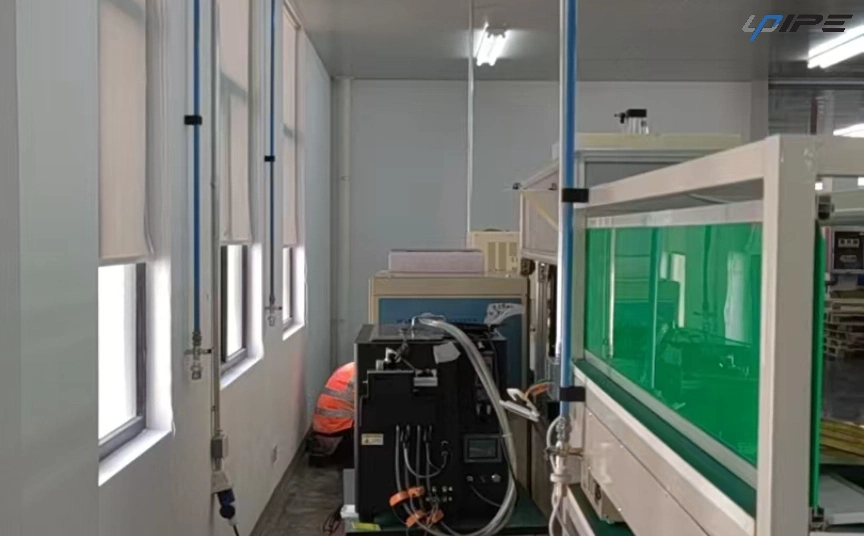
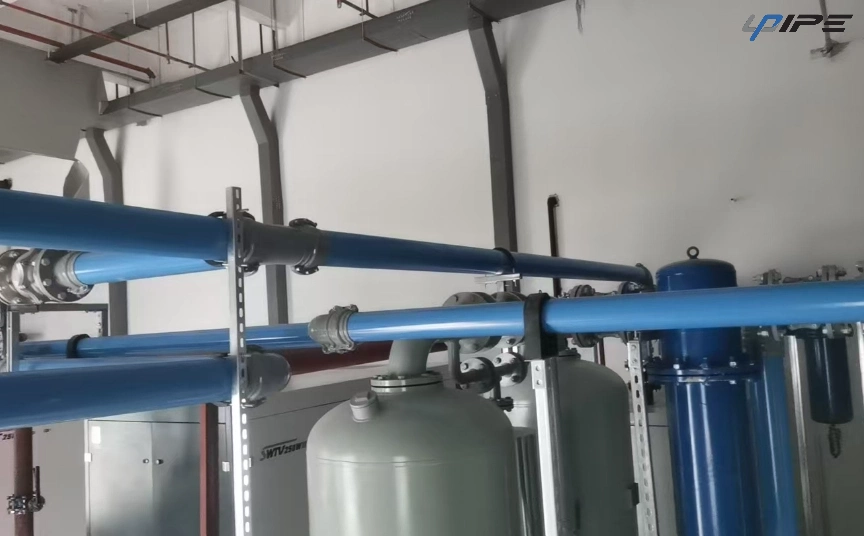
Modern aluminum piping systems now challenge stainless steel's dominance. The UPIPE aluminum pipe system exemplifies this new generation. Its alloy composition resists corrosion effectively. The smooth internal surface minimizes friction and prevents particle buildup. You get clean air delivery without heavy welding equipment.
Aluminum does have a moderate corrosion resistance rating compared to stainless steel's high rating. You need to understand its specific behavior. In oxygen-deprived, moist environments, aluminum's protective oxide layer cannot form. Trapped water under gaskets or paint can cause poultice corrosion. You might see white aluminum hydroxide develop. Proper installation prevents this issue. You must avoid creating stagnant water zones in your system design.
Internal pipe condition directly influences pressure loss across your network. Materials that maintain a smooth internal surface over time help limit friction losses and support consistent pressure delivery. Systems where internal corrosion, scaling, or roughness develop may experience increased pressure drop. Your compressors then work harder to maintain operating pressure, wasting energy.
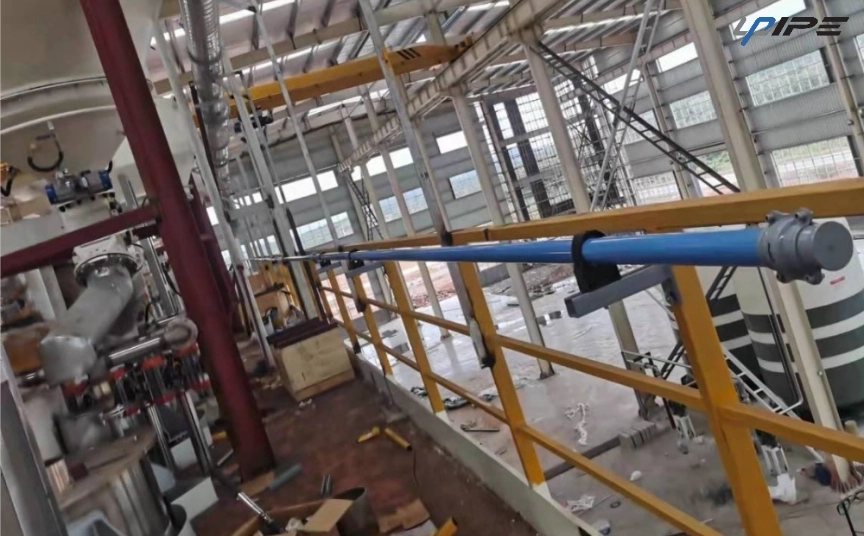
The UPIPE system addresses these concerns through thoughtful engineering. Its connectors create secure, leak-free joints without orbital welding. You save significant installation time. The lightweight aluminum components allow easy modifications when your production line changes. You can expand your system quickly without shutting down operations for extended periods.
For semiconductor factories weighing speed and budget, aluminum offers compelling advantages. You get Class 0 purity compliance with faster deployment. The corrosion resistance meets demanding cleanroom requirements when you install the system correctly. Your maintenance team can modify lines with simple hand tools. This flexibility proves valuable as your fab evolves.
Both materials serve you well. Stainless steel provides maximum inertness and proven longevity. Aluminum delivers rapid installation and cost efficiency. Your specific priorities determine the right choice.
Stainless steel piping needs orbital welding at every joint. This job calls for skilled welders, special tools, and careful quality checks. Each weld must be inspected to confirm it is solid and clean. During welding, you have to fill the pipe with inert gas. This stops oxidation inside the joint. The whole process takes time and drives up labor costs. If you make one error, you cut out the weld and begin again.
Aluminum systems like UPIPE use connectors that require no heat, no sparks, and no special training. Your maintenance crew can pick it up in minutes. This ease cuts installation time by a lot. You spend less on labor and get your system running sooner. The connectors form a tight, leak-free seal that keeps air clean. You also skip the risk of weld contamination completely.
System Design for Purity and Efficiency
Your piping layout matters just as much as the material you pick. A smart design stops moisture from gathering and dirtying your air. Follow tested rules to keep ISO 8573 Class 0 purity. The table below lists key design tips.
Design Aspect
Recommended Guideline
Pipe Material
Use clean, non-rusting materials like aluminum or stainless steel. Avoid black iron or galvanized steel.
Main Header Layout
Set up a loop system for steady pressure and fewer dead-ends.
Main Pipe Slope
Slope mains 1-2% away from the air source.
Drain Placement
Put automatic drains at all low points.
Branch Drops
Use swan neck drops from the top of the main to stop liquid carryover.
You should angle your main pipes away from the compressor. This lets moisture flow toward drain points. Automatic drains at low points remove water before it reaches your tools. Swan neck drops pull air from the top of the main pipe. This keeps any condensed liquid out of branch lines.
Aluminum's light weight makes future changes easier. You can add new branch lines or move equipment with basic hand tools. Stainless steel changes require cutting and re-welding. That means shutting down parts of your system. Aluminum lets you isolate a section, make changes, and bring service back quickly. This flexibility cuts downtime when your production needs change.
Both materials resist corrosion well. But aluminum's simple modification gives you an edge in daily use. Your team can handle layout changes without waiting for outside help. This agility keeps your fab running smoothly as needs shift.
Comparing Costs for Semiconductor Factories
Initial Investment and Installation Costs
Your budget shapes your piping choice from day one. Stainless steel costs more upfront. The material itself is pricier. You also pay for skilled welders, special welding tools, and gas for every joint. Each weld needs a check. This drives labor hours up fast. Aluminum systems flip that equation. The UPIPE aluminum pipe system uses connectors that are installed without special training. No heat. No gas. No weld checks. You save on both material and labor.
The numbers show a clear gap. For a medium-sized factory, a stainless steel system costs about $23,170 total installed. An aluminum system from UPIPE runs roughly $12,470. That difference equals about 46% in savings. Your semiconductor factory may need even more piping than that example. The savings grow with your system size. Faster installation also means your production starts sooner. Every week you save on construction adds revenue weeks. This quicker return on investment makes aluminum attractive for new fabs or expansions.
Long-Term Value and Total Cost of Ownership
Initial price tells only part of the story. You must consider energy use over the system's life. Compressed air costs money every day you run it. Pipe material affects that cost. Both aluminum and stainless steel start with smooth interiors. They both deliver smooth flow at first. The difference appears in joint integrity over time.
Aluminum systems use double O-ring seals. These absorb vibration from your compressors and equipment. Stainless steel often relies on threaded joints. Machine vibration can loosen these connections slowly. Tiny leaks develop. Each leak drops your pressure. Your compressors work harder to keep pressure steady. That extra work uses more electricity.
Aluminum resists interior scaling permanently. Your pipes stay smooth for decades. This keeps your energy efficiency without maintenance. Studies show facilities switching to aluminum piping reduce energy use by 10-15%. One German car maker saw a 12% drop in energy costs within the first year after replacing steel piping with aluminum alloy systems. That same maker reported zero corrosion-related downtime over three years.
Your total cost of ownership includes maintenance too. Aluminum's light weight makes changes easier. Your team can add branch lines or move equipment with basic hand tools. Stainless steel changes require cutting and re-welding. You shut down parts of your system. You wait for outside contractors. Production stops during these changes. Aluminum keeps your fab flexible and running.
The decision balances two priorities. Stainless steel offers unmatched long-term durability for permanent setups. Aluminum delivers immediate cost savings, faster setup, and ongoing energy efficiency. For semiconductor factories weighing budget limits against production timelines, aluminum provides strong value. You meet ISO 8573 Class 0 purity needs while keeping more capital for other uses. Your choice depends on whether you value maximum permanence or operational flexibility more.
Both stainless steel and high-quality aluminum systems serve semiconductor factories well, yet they meet different priorities. Stainless steel delivers unmatched inertness and lasting durability for permanent installations. Modern aluminum systems like UPIPE offer corrosion resistance, rapid deployment, and Class 0 compliance at lower cost.
Evaluate your budget, timeline, and purity needs carefully. When speed and cost matter most, aluminum provides an excellent solution. For your most critical, permanent lines, stainless steel remains the gold standard.
Aluminum technology advances steadily. More semiconductor factories now choose it for new projects. This trend will likely continue as manufacturing methods improve.
FAQ
Can aluminum piping meet ISO 8573 Class 0 purity standards?
Yes. High-quality aluminum systems like UPIPE have smooth inner surfaces and resist rust. They meet Class 0 needs when set up right. Always ask your supplier for third-party test data to be sure.
How does the installation cost of aluminum compare to stainless steel?
Aluminum costs less. For a medium factory, aluminum piping saves about 46% compared to stainless steel. Its connectors also cut labor time, so you begin production sooner.
Is aluminum piping durable enough for long-term cleanroom use?
Yes. Aluminum resists rust and keeps a smooth interior for many years. With good design to stop trapped water, it works well. You can also change it easily without shutting down the system.
Can I modify an aluminum piping system after installation?
Yes. Aluminum parts are light and use connectors that are installed without welding. Your team can add branches or move lines with basic hand tools. This avoids the welding and downtime needed for stainless steel changes.
This website uses cookies to provide you with a safer and more personal experience. By accepting, you agree to the Cookie Policy and the use of cookies for advertising and analytics purposes.