Home > News > Blog > Aluminum Compressed Air Piping Systems for Electronics Manufacturing
# Blog
Aluminum Compressed Air Piping Systems for Electronics Manufacturing
2026-08-12
Share:
Aluminum compressed air piping ensures ISO-clean, static-free air distribution while eliminating leaks and pressure drops in electronics manufacturing.
Top electronics manufacturing facilities rely on industry-leading compressed air networks like the Upipe Aluminum Pipe System, Parker Transair, Kaeser SmartPipe, and Atlas Copco AIRnet. In advanced electronics manufacturing, maintaining an ultra-clean air supply is critical. Sensitive SMT lines and high-precision microchip tools face constant operational risks from micro-particles, static discharge, and costly pressure drops.
Facilities can easily eliminate these production hazards by upgrading to versatile aluminum piping solutions. High-performance, quick-install systems like Upipe deliver the pristine, leak-proof, and corrosion-resistant air distribution required by modern cleanrooms. The ultra-smooth inner walls minimize air friction to maintain stable flow dynamics throughout the electronics manufacturing process. Facilities adopting aluminum pipe systems consistently achieve energy savings between 10% and 18%, particularly when integrated with variable-speed air compressors and advanced air dryers.
Key Takeaways
Aluminum pipes stop rust inside and keep air super clean for delicate electronic tools.
Smooth inner walls lower air resistance, which helps factories save 10% to 18% on energy bills.
Metal aluminum pipes remove unsafe static electricity to protect delicate computer chips from harm.
Simple snap-together styles allow quick setup and easy factory design updates without any welding.
Tight connections stop air from escaping and keep the pressure steady, which saves the factory money over time.
Choosing a good compressed air piping system directly helps your product quality, factory energy use, and air cleanliness. Modern electronics factories now replace old copper or heavy iron pipes with lightweight aluminum systems. These easy-to-handle pipes have smooth inner walls that keep air clean and prevent pressure loss.
Upipe Aluminum Pipe System
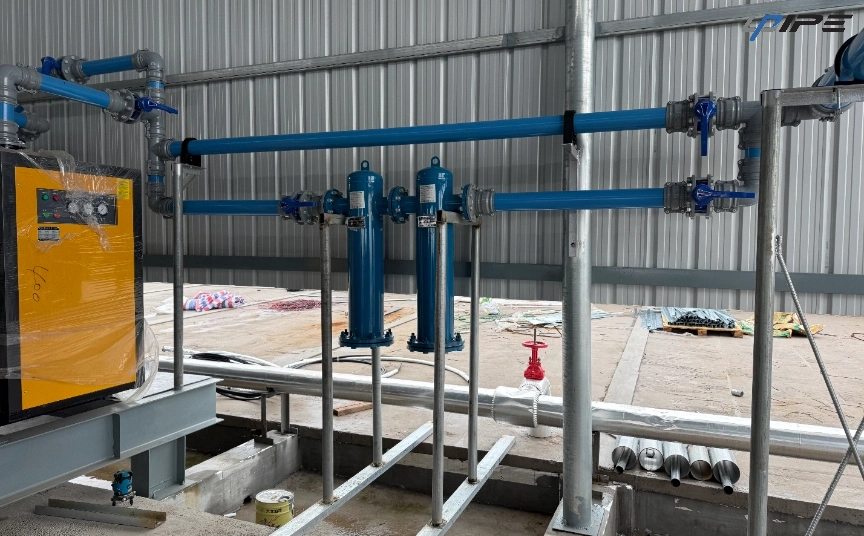
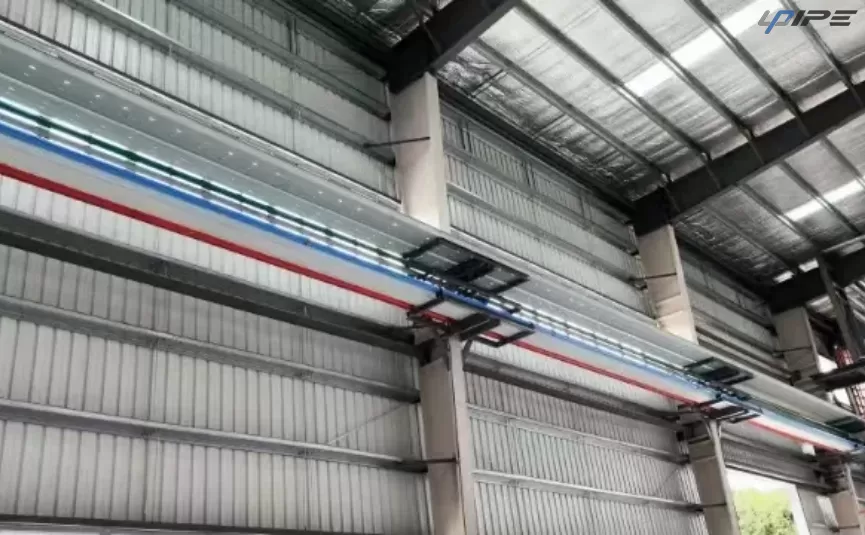
You can upgrade your factory compressed air network using the Upipe Aluminum Pipe System. Upipe offers a smart, reliable, quick-to-install pipeline system designed to stop air leaks, lower pressure drops, and supply clean air everywhere. This strong system uses light aluminum material with great rust resistance to maintain pure air standards across all lines.
Directional Elbows | 90° elbows for efficient directional changes
Pipe-to-Pipe Connectors | Equal and reducing connectors for straight runs
Branching Tees | Equal and reducing tees for drop lines
Threaded Adaptors | Male and female connectors for tool integration
Flange Assemblies | Equal and reducing flanges for heavy machinery
Upipe offers a full set of smartly designed fittings to fit your exact building layout. You can build complex pipe networks easily using these parts:
90° elbows that direct air flow around factory obstacles without losing pressure
Equal and reducing pipe connectors that link straight pipe sections together safely
Equal and reducing tees that bring clean air straight down to workbenches
Male and female adaptors that connect easily with your current air tools
Equal and reducing flanges that attach firmly to large main air compressors
Upipe owns many global patents and works reliably in electronics factories across 20 countries. You can set up or change this piping quickly without welding or cutting threads. This simple setup saves installation labor costs, stops factory downtime, and guarantees leak-free air performance.
Transair, SmartPipe, and AIRnet Options
You can also look at other well-known brand options when designing your factory air layout. Parker Transair uses simple push-together parts that make pipeline changes very easy. Kaeser SmartPipe uses light aluminum made to keep pressure losses low and simplify handling. Atlas Copco AIRnet provides quick-connecting parts built for smooth, efficient air movement.
Even though these other brands offer useful modular designs, you must always choose long-lasting pipe seals, fast assembly, and full rust protection to protect work.
Every system features smooth inner pipe walls that stop rust flakes and dirty buildup inside. However, you should compare your building plan, local supply support, and part choices before buying one brand. Picking a complete system like Upipe ensures you get all necessary connectors and flanges for stable air tool performance.
Air Purity and Static Control Standards
Meeting ISO 8573-1 Standards
Delicate electronic parts need clean compressed air during precise factory work. Smooth anodized aluminum pipes stop rust pieces from growing inside the line. Clean air leaves your compressor room and arrives at your tools just as pure. Old iron pipes drop heavy rust flakes that ruin your safe air setup.
Manufacturing Process
Oil Class (ISO 8573-1)
Particulate Class (ISO 8573-1)
Target Dew Point
SMT Pick & Place (Vacuum Generation)
Class 0
Class 1
-40°C PDP
Reflow & Wave Soldering Assist
Class 0
Not specified
-40°C PDP
PCB Blow-Off & Flux Cleaning
Class 0
Class 1
-40°C PDP
Automated Optical Inspection (AOI)
Class 1
Not specified
-20°C PDP
General Pneumatic Actuators
Class 0
Class 2
+3°C PDP
You must catch tiny dust pieces to shield circuit boards while cleaning them. Class 1 air quality sets firm particle limits to help make good parts. Slick inner pipe walls block dirt buildup and keep your workspace spotless.
Particle size range (μm)
Maximum particles per m³
0.1 < d ≤ 0.5
≤ 20,000
0.5 < d ≤ 1.0
≤ 400
1.0 < d ≤ 5.0
≤ 10
Anti-Static and Grounding Protocols
Static shocks easily ruin delicate computer chips during normal daily factory work. Fast air traveling inside plastic pipes builds up risky static sparks. Installing metal lines through the building removes electro-static discharge hazards completely.
The Semiconductor Industry Association estimates that ESD damage costs the global electronics industry over $5 billion annually.
Solid aluminum pipe systems safely carry static electricity along the whole air network. You can quickly ground all pipes by placing simple metal clamps on them. These safety wires clear static electricity before blowing air hits soft worktables. This step guards fragile chip parts and keeps your factory running well over time.
Performance Benefits in Electronics Manufacturing
Preventing Scale and Contamination
Slick aluminum walls shield your modern factory from dangerous inner rust. Old iron pipes react with water as time passes. This process makes thick rust flakes and rough internal scale. These loose bits move fast inside your clean air pipes. Soon, dirty spots clog fragile pick-and-place nozzles and break costly circuit boards.
Smooth-bore aluminum piping resists oxidation and keeps internal surfaces clean for decades.
Clean aluminum pipes offer a safer option than rusting iron or cheap plastic lines. Plastic pipes can warp or snap under strong pressure and heat. Old iron always drops metal dust into your cleanroom air line. Aluminum pipes protect strict cleanroom rules by stopping inner scale entirely. You guard your micro tools and reduce product waste with ease.
Eliminating Pressure Loss and Leaks
You boost factory power savings by setting up pipes with smooth inner walls. Slick pipe insides create steady air movement and lower drag losses across your whole shop. Conversely, rough iron walls cause high drag that grows worse over time as rust forms inside.
Lowering the compressor set point becomes possible, leading to direct energy savings.
Dropping drag along your network keeps system pressure dew points steady. Your main air pump runs far better when air moves without drag resistance. Over ten years, power savings from aluminum pipes can completely cover system costs.
You stop power waste by putting in tight modular pipe joints. Old threaded iron pipes frequently start small air leaks at every single joint. These little air leaks make your main air pump work harder constantly. Aluminum systems hold air safely inside the long pipeline. You keep steady air pressure at all tech work sites while cutting monthly power costs.
Setting up pipes in an electronics cleanroom demands total neatness and very little work disruption. Old pipe installation ways bring serious dirt risks to your shop. Cutting threads on iron pipes drops sharp metal bits, and welding steel pipes makes bad smoke and tiny dust. Easy aluminum pipes take away these cleanroom dangers completely.
Quick-Install Fitting Technology
Workers build modern aluminum pipe networks fast without using heavy special tools. You just push exact aluminum pipes right into special connector parts. Systems like the Upipe Aluminum Pipe System use smart clamps and seals to make fast, tight joints. This simple push setup stops the need for welding, thread cutting, or messy glue.
Cleanroom workers protect air quality because these quick connectors make zero dust or oil during setup. The pre-greased inner seals easily handle high pressure without breaking down later. You get leak-proof pipe joints right when you push the parts together. This clean setup speeds up building work, cuts labor costs, and keeps cleanrooms following strict air rules.
System Reconfiguration and Expansion
Electronics factories often change their room layouts to fit new circuit board lines. Permanent steel or copper pipe networks make layout changes very costly and slow. Flexible aluminum systems give you total freedom when your factory floor changes.
You can safely drop air pressure, open joints, and move whole aluminum pipe loops without ruining parts. Workers just unbolt quick connectors, trim the pipe length, and reset the line in a new spot. Putting a new air line onto a main pipe takes just a few minutes. You can add tee fittings right into the line to send clean air to new worktables. This flexible design stops costly work stops, saves your original gear investment, and helps factory updates.
System Selection and Layout Planning
Closed-Loop Network Architecture
You boost shop output by building a ring-shaped pipe system. A loop setup sends clean air through your plant from many sides at once. This steady flow keeps air pressure solid when your shop works extra hard. You can also turn small valves to fix one section without stopping all shop work.
Picking the right pipe width keeps air moving fast and lowers monthly power bills. You need wide main pipes so moving air does not rub hard against inner walls. Following simple speed rules stops internal friction and keeps air moving fast to every station:
Build main header lines to keep air speeds under 20 feet per second, and never go over 30 feet per second.
Keep pressure loss from your main air pump to the end of the line below 1.5 pounds per square inch. Using these clear design rules keeps air moving well while guarding your key factory tools against sudden pressure changes.
Total Cost of Ownership Analysis
Using slick aluminum pipes greatly reduces total running costs across your tech factory over many years. Narrow air pipes make inner air drag worse, which pushes system pressure higher than needed. Running under high pressure damages your shop tools, wears out parts early, and inflates electric bills.
Small pressure gains harm your monthly budget fast. Sizing pipes right avoids power penalties and cuts overall long-term plant costs:
Thin pipes boost internal air drag, driving up line pressure and forcing pumps to work harder.
Experiencing a large twenty-pound pressure drop can push your power bills up by ten percent. Selecting light aluminum pipes lifts energy output, stops air leaks, and delivers real money savings for your electronics factory.
Picking the right pipe system protects your electronics factory. You keep the air very clean, stop dangerous static electricity sparks, and maintain steady air pressure across busy work lines. New modular aluminum pipes prevent inner rust scale while protecting soft micro-chips from tiny dirt particles.
Switching to light aluminum pipes like the Upipe Aluminum Pipe System brings fast benefits to your daily work. You lower setup labor costs, stop long factory delays, and save electric power using tight, leak-free pipe joints. Check your air pipe network today. Talk with our technical team now to get a custom air layout plan and boost total factory output.
FAQ
Why should you choose aluminum piping over traditional iron or copper pipes?
Aluminum pipes resist inner rust, which keeps your compressed air very clean. Their slick inner walls cut air drag and lower electric bills. Light systems like Upipe also let workers build lines faster than heavy iron pipes.
How does aluminum piping help meet ISO 8573-1 air purity standards?
Smooth inner pipe walls stop rust, scale, and metal flakes from forming inside air lines. This slick surface blocks dirt buildup, helping your plant easily meet strict ISO 8573-1 Class 0 oil and Class 1 particle limits.
Does aluminum piping prevent electrostatic discharge hazards in electronics manufacturing?
Yes, solid metal lines safely clear static electricity through the air network. Attaching simple clamps to the aluminum pipes removes risky static charge before blowing air touches soft pick-and-place tools or fragile circuit boards.
Can you modify or expand an existing Upipe aluminum network easily?
You can change a Upipe setup fast without special tools, cutting, or welding. Unbolt the quick connectors, adjust your pipe lines, and tighten the joints again to fit your new factory layout.
This website uses cookies to provide you with a safer and more personal experience. By accepting, you agree to the Cookie Policy and the use of cookies for advertising and analytics purposes.