Home > News > Blog > Quick-Install Compressed Air Connectors for Faster Installation
# Blog
Quick-Install Compressed Air Connectors for Faster Installation
2026-08-17
Share:
Quick-install compressed air connectors eliminate welding and threading, providing leak-free, high-pressure seals that cut downtime and labor costs.
Old pipe setup takes way too much time. You usually spend hours threading, welding, and gluing pipes together. Newer push-to-connect systems change this process entirely. Now you can build strong supply lines in just a few minutes. Modern compressed air connectors remove slow manual steps and annoying tool work.
Plant engineers and building managers protect their busy schedules with these quick setups. You avoid long factory shutdowns and keep your assembly lines running smoothly. Advanced piping tools make your daily installation work much simpler. Upgrading your shop equipment cuts labor costs right away. You get steady air pressure instantly without extra effort. Your crew saves valuable energy on every project.
Key Takeaways
Quick-install connectors make pipe setups much faster because you do not need welding or threading.
Rubber seals stop air leaks and hold up well against heavy machine shaking.
Clever designs stop water droplets and keep the air flowing out clean.
Quick setups without tools reduce overall work expenses and help save power.
Benefits of Quick-Install Fittings
Reduced Labor and Downtime
Setting up old air pipes takes slow threading, welding, or messy glue. Quick-install fittings remove these hard steps entirely. You just push the pipe right into the port without special tools. This easy action speeds up every system change. Upgrade jobs become simple because you move pipe drops in minutes.
You save work time during initial setups and regular line changes. Workers finish big jobs fast without needing special trade skills. Main benefits for your building setup include:
Simple hookups and quick unhooks without extra hand tools
Less lost work time and higher daily shop output
Flexible parts made to fit modular air systems
Fix-it crews check lines easily with very little physical effort. You unhook and reconnect parts smoothly without stopping main shop work. You expand your system easily as your business grows. You keep your work on schedule and lower setup costs right away.
Leak Resistance and Reliability
Old threaded pipe joints often loosen over time from heavy daily use. Machine shakes cause sudden air leaks, bad pressure drops, and big power bills. Modern Compressed air connectors stop these common failure problems completely. You get rid of mistakes made by new workers. You get tight, leak-free joints right away with strong inner locks.
Special rubber seals protect your air lines from constant shaking and heat changes. You avoid loose fits and the need to tighten joints constantly. Built-in safety parts let air out automatically when you disconnect lines. This self-venting design stops dangerous hose whip and keeps your crew safe.
Also, these strong Compressed air connectors boost long-term reliability in busy work spaces. You keep air lines clean, fix problems faster, and hold steady air pressure through every shift. Your shop avoids pricey line restarts and keeps high output every day.
Pneumatic setups rely heavily on flexible hoses for fast equipment changes in busy industrial environments. Push-to-connect fittings allow swift tool swapping without wrenches, avoiding cross-threading and saving valuable physical effort. You switch air tools in seconds and keep assembly lines moving without unnecessary delay.
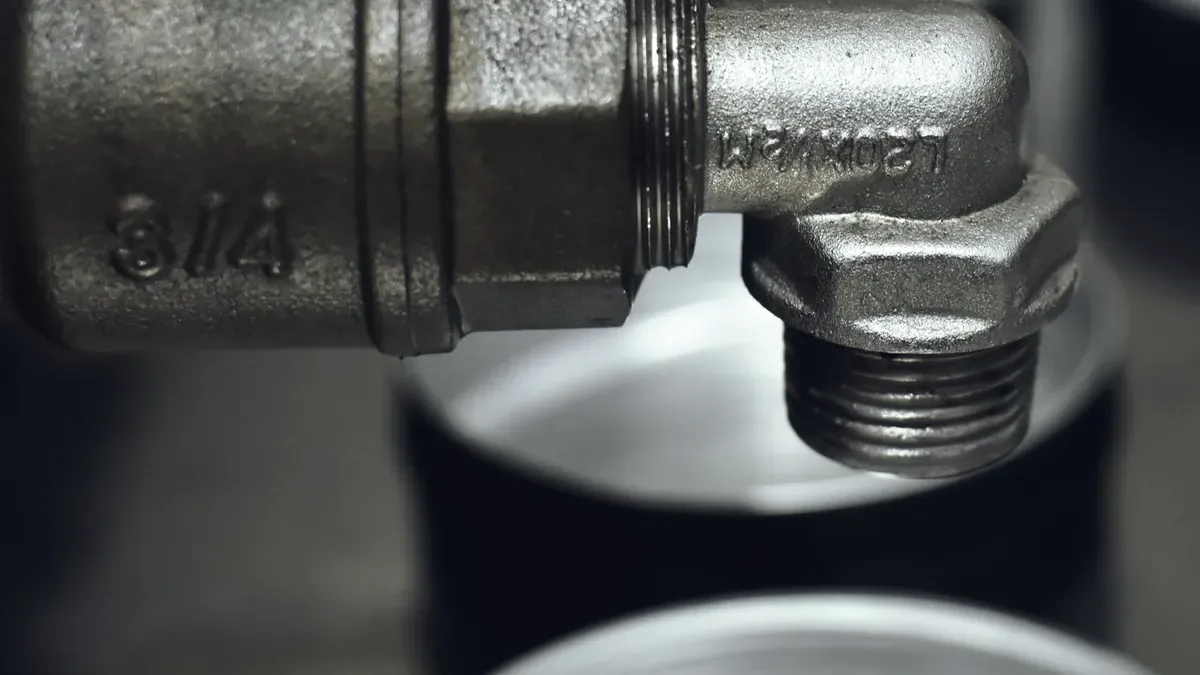
Inside the fitting is a collet — a ring with metal teeth that grip the tubing — and an O-ring that forms a tight seal around it. Once the tube slides in, it’s held firm. To release it, you press the collet down and pull the tube out.
Integrated check valves and auto-shut-off features prevent air leaks when disconnecting lines. This auto-shut-off eliminates dangerous hose whip during disconnection, improving worker safety during tool changes. These removable and reusable couplings reduce downtime and maintain consistent system pressure. They support flexible reconfiguration of pneumatic tool setups, reduce friction on hose ends, and extend overall hose service life. Faster repairs keep your daily operations running smoothly.
Modular Aluminum Connectors
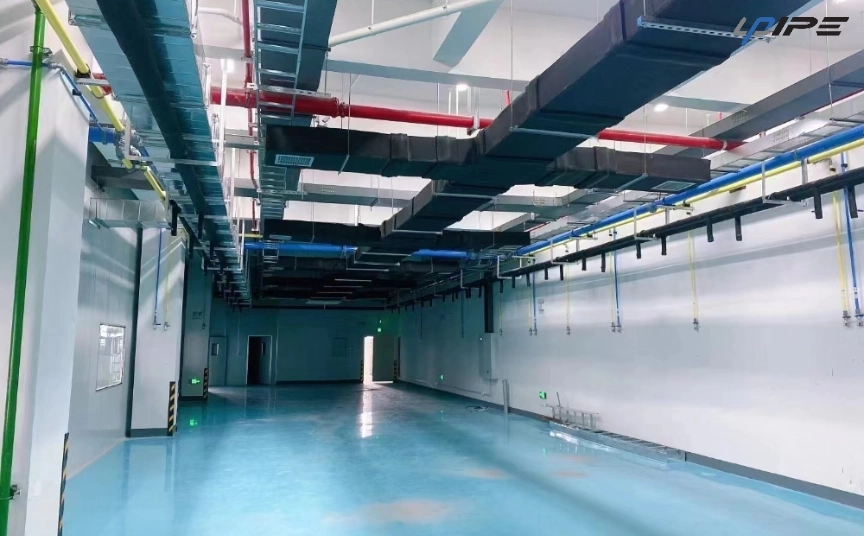
Rigid mainlines require higher airflow and stronger structural support than small flexible hoses. High-performance modular systems deliver maximum efficiency, durability, and reliability across your plant network. The Upipe Aluminum Pipe System uses 100% pure aluminum with absolutely no recycled material. Precision-extruded aluminum ensures accurate tolerances and lightweight handling during overhead installation. Thickened wall designs across all models grant superior structural integrity and long-term performance. Every pipe arrives packed with protective non-woven fabric lining, external plastic sealing, and sealed ends to eliminate contamination risks during transport.
Full-bore fittings maintain consistent flow diameter, minimizing pressure drop throughout your piping network. Larger models like DN40 and above come pre-treated with raised rings. These pre-treated raised rings save real setup time during system upgrades. They speed up alignment and assembly of DN40+ pipes while maintaining sealing accuracy and structural integrity during installation.
The Upipe system utilizes an advanced integrated molding process for its connectors. This equal-strength integrated molding ensures that pipe-to-pipe connectors maintain equal strength between the bolts and body, allowing exceptionally high pressure resistance. Specialized flow-directing shapes on tees, elbows, and quick drops enhance overall strength while minimizing pressure loss. Furthermore, quick drops feature reinforcement ribs, high-strength passive locking accessories, and a gooseneck design. This gooseneck design effectively prevents condensate water from flowing into downstream equipment.
Vibration from heavy machinery often damages standard pipe joints over time. Modern modular systems solve this issue with superior sealing technology. Foolproof multi-surface sealing made from premium imported Thailand rubber provides robust protection against air leakage caused by vibration or improper installation. No-weld designs allow components to be disassembled and reused without waste, promoting environmental sustainability while lowering material costs. Anti-vibration pipe clamps and integrated aluminum alloy ball valves complete the network. You gain long-term operational stability, secure air delivery, and hassle-free, secure performance for modern industrial applications.
Traditional pipe installation requires slow cutting, thread cutting, and heavy welding. You must apply messy sealants and wait for liquid glue to dry completely. Modern quick-install fittings remove these tedious labor steps entirely. You build complete compressed air networks quickly using simple, clean hand steps instead.
Pipe Cutting and Preparation
Proper surface preparation guarantees a secure seal and stops future air leaks. You must prepare each pipe length carefully before inserting any connector.
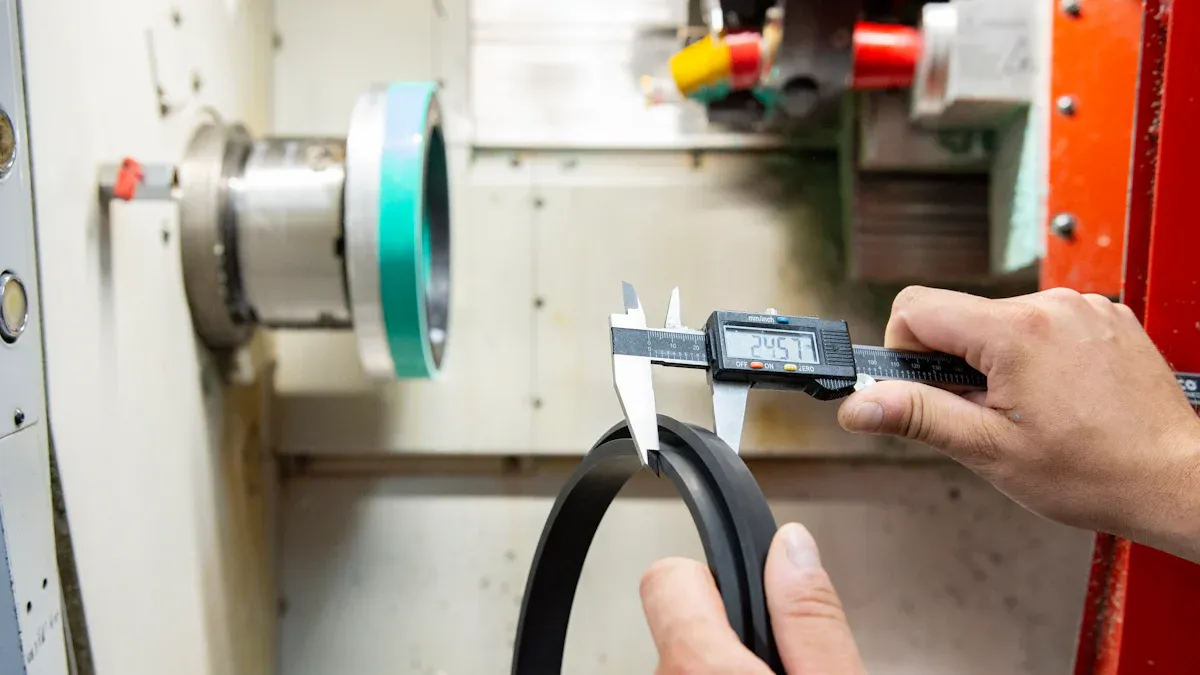
Measure the line length accurately and cut the pipe straight across the end.
Mark the exact insertion depth on the outer pipe wall using a tape measure.
Clean the surface down to the mark with sandcloth to remove dirt, paint, and rust irregularities.
Clean pipe ends allow internal rubber seals to seat smoothly. For small flexible lines, select your male, female, or barbed quick-release fittings based on the air connection. For threaded fittings, screw the parts together tightly using thread tape to seal the threads. For barbed fittings, push the barb straight into the hose and tighten the clamp. You can then test the entire assembly by connecting your air tool, switching on the air compressor, and checking all joints for leaks.
Fitting Insertion and Locking
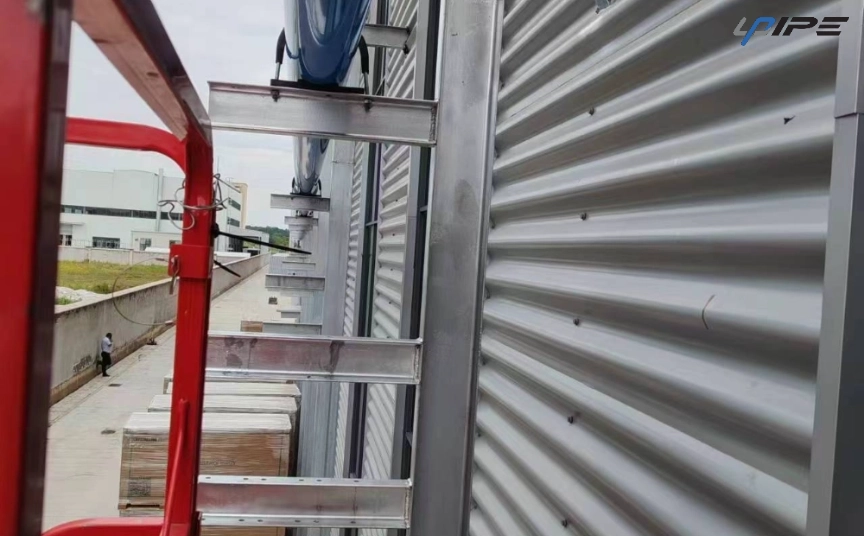
High-performance modular systems save significant labor during main header setup. The Upipe Aluminum Pipe System simplifies heavy overhead jobs through precise pre-treated components. Larger models like DN40 and above feature pre-treated raised rings. These pre-treated raised rings speed up pipe alignment and guarantee accurate fitting placement during installation.
Align the prepared pipe straight with the connector socket. Push the pipe firmly into the fitting until the rim hits your marked depth line. High-strength passive locking accessories grip the pipe wall instantly without extra hand tools.
The hose acts like a Chinese finger trap: when pulled, the braid shrinks around the liner and tightens its grip on the barbs, achieving secure locking without any clamps or tools.
Foolproof multi-surface sealing made from premium imported Thailand rubber presses tightly against the smooth metal surface. This rubber barrier stops air loss caused by heavy machine vibration or alignment errors.
Branch lines require special care to keep your air supply clean and dry. Quick drops connect directly to main overhead headers to feed work stations below. Specialized flow-directing shapes on tees and quick drops optimize internal air movement while increasing connection strength.
Another important feature is the gooseneck design. By preventing condensate water from flowing downward into the air line, this configuration helps protect downstream equipment and supports cleaner air delivery. Reinforcement ribs are integrated into the body structure to reduce the possibility of breakage caused by uneven stress distribution.
Equal-strength integrated molding ensures that pipe-to-pipe connectors maintain equal strength between the bolts and body. You achieve high pressure resistance without spending hours on thread cutting or arc welding. Anti-vibration pipe clamps fix the line securely to wall brackets. You complete complex facility layouts in record time and start your air compressor immediately.
Evaluating Compressed Air Connectors
Initial Investment Savings
Smart plant managers look at total installation costs during facility designs. You may notice higher store prices for modular push-pull parts over basic wire connectors. Normal pipe setup labor costs usually hit five times the supplies price on typical jobs. Fast assembly techniques shift your money plan right away.
You save cash by skipping costly special tools, sticky sealants, and extra work hours. Crews finish pipe drops fast without threading pipes or welding joints. Modern compressed air connectors lower total long-term expenses by stopping project delays and streamlining future building upgrades on active factory floors.
Tiny air leaks cause huge cash losses during long work shifts. You need to shield factory lines from quiet pressure drops that slow tools down and raise shop expenses.
A 1mm leak at 7 bars can leak 85 liters per minute, resulting in 122 m³ per day, 12 kWh per day, over 350 kWh per month, costing over $150 per month in energy loss.
Picking tough non-rusting metals like aluminum stops rust inside damp work areas. Metal pipes supply great strength and high pressure limits under harsh stress. Plastic lines cost less initially but might split under tough work conditions. Quick-install fittings handle tens of thousands of plug-in cycles without breaking. You cut fix-it downtime, drop daily electric costs, and secure dependable performance.
Modern compressed air connectors drop your total costs by making setup much faster. You skip slow pipe threading and welding completely. Modular designs also give you complete freedom for future build projects. You can add new saddle tees or flanged fittings easily without cutting main pipes. This layout helps with compressor room upgrades, part isolation, and system fixes. Smooth inner paths keep air moving easily while stopping pressure drops across your facility network.
Do not let old pipes slow down your daily business growth. Upgrade your old lines to modern quick-install setups today to save your work schedule and cut factory power bills.
FAQ
How do quick-install compressed air connectors save setup time?
You skip slow pipe threading, welding, and messy gluing. Instead, you just push the clean tube right into the joint port. Special raised rings on big DN40 sizes make lining up parts fast. This quick step helps your team build neat air lines in very little time.
How do quick drops protect downstream equipment from water damage?
Quick drops use a clever curved pipe shape. This smart build keeps trapped water from running down into your sensitive machines. Extra molded supports also make the main part stronger against hard pulls, so your line sends dryer air to your work stations.
Will machine vibration cause air leaks in modular aluminum systems?
No, strong machine shakes will not cause any leaks. Smart multi-layer rubber rings made from top-grade Thai rubber guard your joints from continuous shaking. Sturdy anti-shake brackets also clamp the tubes tightly against walls, keeping every joint sealed and safe.
What gives modular aluminum pipe connectors high pressure resistance?
The Upipe line uses a special single-mold building method. This smart design makes sure the pipe joints hold equal power across the bolts and main body. Extra thick metal sides and pure aluminum parts give great lasting strength to your whole plant network.
This website uses cookies to provide you with a safer and more personal experience. By accepting, you agree to the Cookie Policy and the use of cookies for advertising and analytics purposes.