Home > News > Blog > How to Extend the Service Life of Stainless Steel Compressed Air Pipe Fittings
# Blog
How to Extend the Service Life of Stainless Steel Compressed Air Pipe Fittings
2026-10-08
Share:
Extend service life of stainless steel compressed air pipe fittings with regular cleaning, inspection, and moisture control. Prevent corrosion and leaks.
Making stainless steel compressed air pipe fittings last longer comes down to three habits: cleaning, inspection, and maintenance. Stainless steel is strong and often lasts 50 years or more. But inside a compressed air system, it can still corrode. Moisture, condensation, and chemicals cause the damage. These causes are common but can be prevented.
You can stop this from happening. This post explains why corrosion happens and the exact steps to protect your fittings. You will learn practical actions that keep your air system running longer. Small, steady care makes the real difference. Start with the causes. Then build routines that extend service life for decades.
Key Takeaways
Clean the fittings often with mild soap and water to protect the metal.
Check the joints and threads every few months for leaks or rust.
When you install fittings, use special sealants and do not tighten them too much.
Use dryers and drain traps to control moisture and stop rust.
Clean the air coming in and lower chemicals to keep the air clean and dry.
Why Stainless Steel Fittings Corrode
Stainless steel is good at fighting rust. Chromium is inside it. This element forms a thin protective coat on the surface, and you call it the passive layer. It shields the metal from damage. But compressed air systems make conditions harsh. Moisture, heat, and chemicals can break down that shield. Corrosion starts when the passive layer stops working. You can prevent this with the right knowledge.
Common Causes of Corrosion
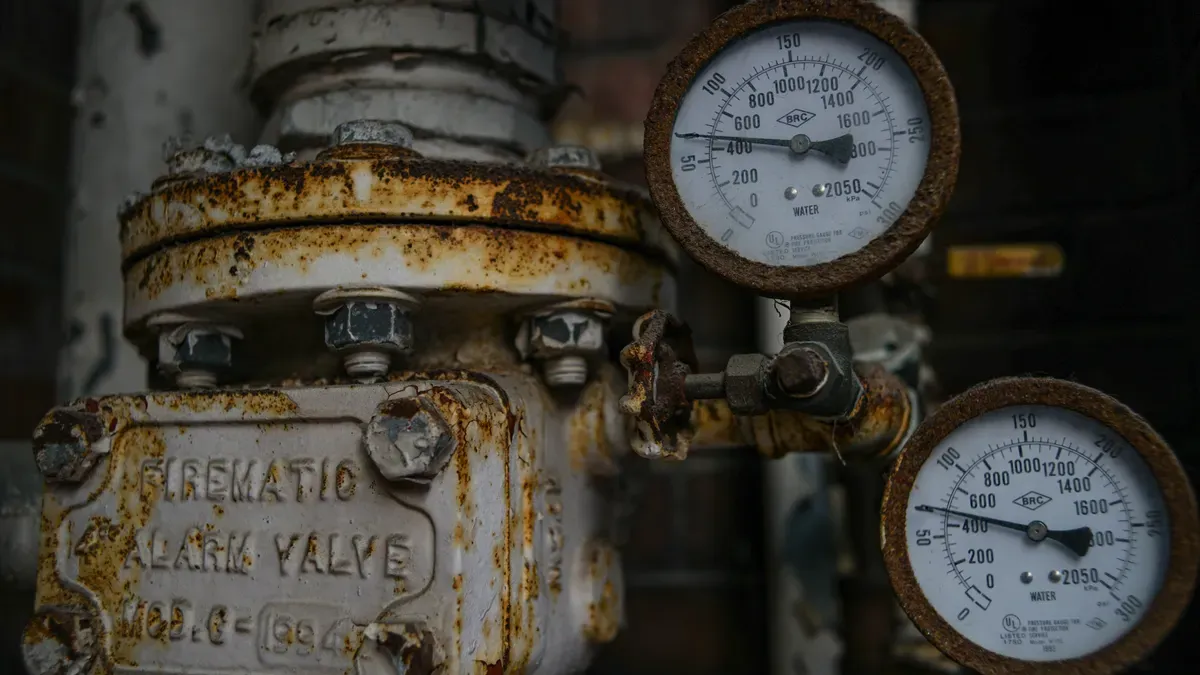
Moisture causes the most damage. Compressed air contains water vapor. When the air cools, vapor becomes condensation. Liquid water then collects inside your pipes and fittings. Over time it harms the passive layer. Chlorides and other chemicals make the problem worse. They enter from cleaning products, lubricants, or dirty intake air. These substances wear away the protective layer. After that layer breaks, rust and pitting start.
Temperature swings make a difference too. Warm air can hold more water vapor than cold air. When air cools down inside the pipes, water appears. This pattern repeats day after day. Each repeat gives corrosion a fresh chance to start. Chemicals around the system add even more risk. Ammonia, sulfur, and acids in the air make damage happen faster.
How Corrosion Shortens Fitting Life
Corrosion eats at fittings from the inside. Pitting makes small holes in the metal. Those holes get deeper over time. The fitting gets weaker and may crack under pressure. Leaks appear at joints and threads. Your compressed air system loses air. The compressor has to work harder. Energy costs go up. You may need to replace fittings years sooner than expected.
Under normal conditions, stainless steel pipes can last 50 years or more. That long life proves corrosion is preventable. You control the things that cause it. Keeping air dry, surfaces clean, and temperatures steady protects the passive layer. When you do this, your fittings stay strong. They give reliable service for decades. The next sections show exactly how to do that.
Cleaning your stainless steel fittings is a must. Dirt, oil, and chemical residue break down the passive layer over time. A clean surface lets that protective film rebuild itself. You protect your investment with every cleaning session. Follow these steps to clean safely and effectively.
Safe Cleaning Methods
Start by finding out your stainless grade. Check mill certificates or use positive material identification. Know the surface finish and the type of dirt you face. This step guides your cleaner choice.
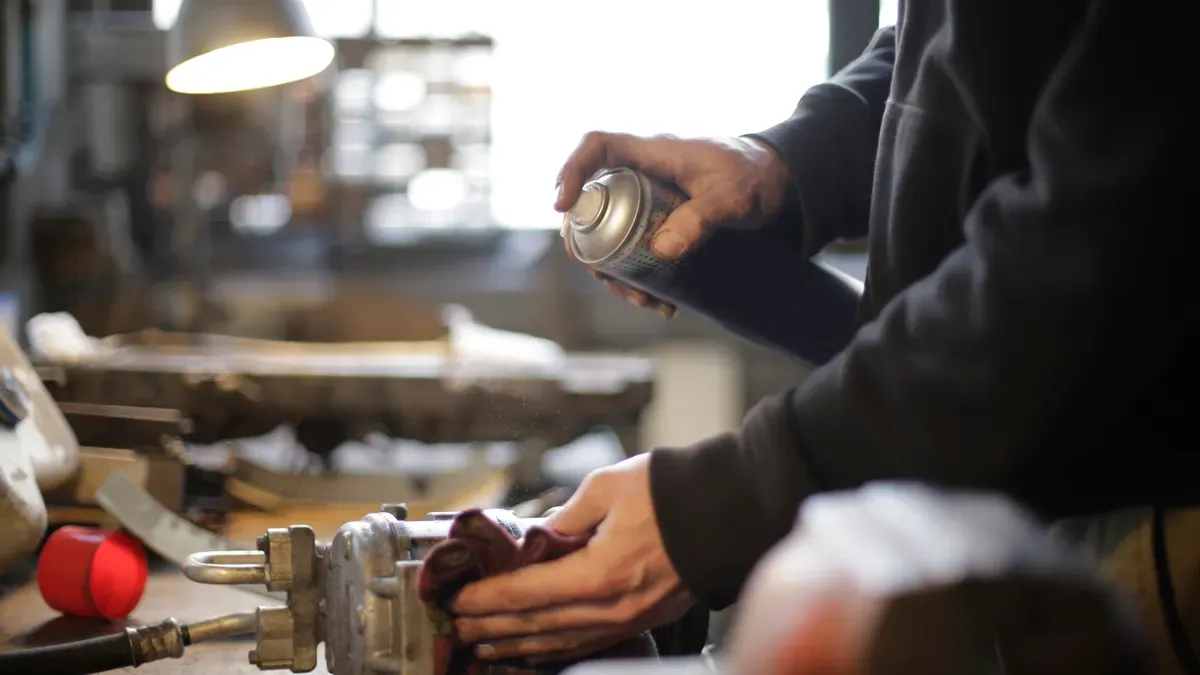
For light dust or minor dirt, wash the fittings with soap, mild detergent, or warm water. Use a soft cloth or microfiber pad. Rinse thoroughly after washing.
For trademarks, films, or adhesive residue, use warm water and mild detergent first. If adhesive remains, apply alcohol or an organic solvent such as ether or benzene. Wipe gently until the surface is clean.
For grease or lubricating oil, wipe the surface with a cloth first. Then clean with a neutral detergent or ammonia solution. Rinse well to remove all residue.
For rainbow-colored marks from too much detergent or oil, wash with warm water and a neutral detergent. These marks signal surface contamination. Remove them promptly.
For rust caused by surface dirt, clean with 10% nitric acid, an abrasive detergent, or a specialized cleaning product. Follow the product instructions carefully.
After cleaning, rinse with water that meets your system's quality requirements. Dry the fittings with clean, oil-free compressed air or lint-free materials. A clean stainless surface forms its passive film naturally in air. Chemical passivation is only needed when specifications require iron removal. Follow ASTM A967/A967M-25 for passivation procedures.
What to Avoid When Cleaning
Some cleaning habits damage the passive layer and shorten fitting life. Avoid these mistakes to extend service life and protect your system.
Avoid
Why It Is Harmful
Use Instead
Steel wool and abrasive pads
Scratch the surface and damage the protective oxide layer, increasing rust risk
Microfiber cloths or non-abrasive pads
Bleach
Weakens stainless steel and causes discoloration and surface damage
Mild detergent or stainless steel-specific cleaner
Ammonia
Weakens stainless steel and causes discoloration and surface damage
Mild detergent or stainless steel-specific cleaner
Abrasive tools can scratch and damage the protective layer of stainless steel pipes, so non-abrasive pads or microfiber cloths should always be used instead.
Never use sodium hypochlorite or cleaners with uncontrolled chloride content. Chloride ions drive pitting and stress-corrosion cracking. Do not let carbon steel brushes or wire wheels touch your fittings. They transfer iron that later rusts on the surface. Do not treat passivation as a heat-tint or scale remover. Heat tint requires descaling or pickling first. Always degrease before passivation. Oil and grease block the passivating solution from reaching the surface. Avoid unverified household cleaners. They leave residue or abrasives that harm the metal. Never let an aqueous cleaner dry on the surface. Rinse it off within the approved contact time.
For light cleaning, mild detergents work well. For stubborn grime, use a specialized stainless steel cleaner. Avoid harsh chemicals that damage the surface. These simple habits keep your fittings clean and corrosion-free.
A routine maintenance plan keeps your fittings in good shape. Set a schedule and stick to it. Check your system at regular intervals. Look for signs of wear, moisture, or leaks. A periodic compressed air audit gives you a full picture of system health. Audits find small problems before they grow. They also help you track performance over time. You can extend service life with consistent attention.
How Often to Inspect
Inspect your fittings at least every few months. High-use systems need more frequent checks. Look at joints, threads, and valves. Check for water droplets or rust stains. Listen for hissing sounds that signal leaks. Feel for vibration or looseness. Document what you find each time. This record helps you spot patterns. If you see corrosion starting, act quickly. Early action prevents bigger damage later.
Installation and Tightening Tips
Proper installation prevents leaks and galling. Stainless steel tapered threads are prone to galling during assembly. Galling causes scoring, leaking, and seizing. Use specialty seal tapes or thread sealants made for stainless steel. Avoid overtightening. Slow the wrench tightening process so friction heat can dissipate. These sealants protect NPT and NPTF connections from galling and corrosion. They also contribute to a leak-free seal.
Follow these steps for a leak-free threaded joint:
For larger or critical joints, apply a thin layer of pipe joint compound over the taped threads.
Assemble snugly. Use hand-tight plus one or two wrench turns.
Respect the sealant cure time before pressurizing. Allow liquid sealant to cure for a full 24 hours before applying air pressure.
Do not use non-setting pipe dope. It migrates under airflow and can clog valves and manifolds. Avoid power tools for tightening. High-speed friction can cause galling.
Install ball valves at key locations. These valves let you isolate sections for maintenance. You can shut off air to one area without stopping the whole system. This makes repairs faster and safer. Brass fittings resist moisture-related rust better than carbon steel. They support long service life in damp conditions. Use them where moisture is a concern.
Check for leaks after installation. A simple soap bubble test works well. Apply soapy water to joints and watch for bubbles. Bubbles mean air is escaping. Tighten the joint slightly and test again. If the leak persists, disassemble and inspect the threads. Replace damaged fittings right away. Keep spare fittings on hand for quick repairs. This habit reduces downtime and keeps your system efficient.
Controlling Air Quality and Environment
Air quality decides how long your fittings last. Clean, dry air protects the passive layer. Dirty, wet air destroys it. You control the air that flows through your system. That control starts at the compressor and ends at every drop point. When you manage air quality well, you extend service life across the entire network.
Managing Moisture and Condensation
Water vapor is the enemy of stainless steel fittings. Compressed air holds moisture. When that air cools, water droplets form inside pipes. Those droplets sit on metal surfaces and break down the protective oxide layer. You need to remove moisture before it reaches your fittings.
Install air dryers and moisture separators at key points. Refrigerated dryers cool the air and condense water vapor. Desiccant dryers remove even more moisture for critical applications. Drain condensate traps regularly. Check them weekly and empty them often. Mount drip legs at low points in your piping. These legs collect water before it travels further. Use filters to catch fine water mist. Replace filter elements on schedule. Keep your compressor intake clean and dry. These steps keep moisture out and protect your fittings.
Reducing Chemical Exposure
Chemicals in your air supply speed up corrosion. Lubricants, cleaning agents, and dirty intake air carry chlorides and acids. These substances attack the passive layer. Once that layer fails, pitting begins. You can reduce chemical exposure with simple actions.
Filter intake air to block dust and fumes. Use oil-free compressors where possible. Choose lubricants rated for stainless steel systems. Avoid cleaners with bleach or ammonia near your pipes. Store chemicals away from your air system. Vent fumes outside your facility. Check for chemical leaks around the compressor room. If you use the Upipe Aluminum Pipe System, you get a corrosion-resistant option for compressed air, vacuum, and inert gas. Its modular design and durable aluminum fittings resist chemical attack and simplify maintenance. This system supports long service life in harsh environments.
You now know the main habits that keep your stainless steel compressed air pipe fittings in good shape. Clean your fittings often with mild detergents. Check joints and threads every few months. Install fittings the right way with correct sealants and torque. Control moisture with dryers and drain traps. Manage air quality by filtering intake air and lowering chemical exposure.
Small, steady habits stop corrosion and make service life longer. Regular maintenance is your most dependable protection. These steps are simple. They are worth the effort. Start today and keep your air system running strong for many years.
FAQ
Can stainless steel fittings still rust?
They can. Stainless steel fights rust well, but it is not fully safe. Moisture, condensation, and chemicals can break down the protective passive layer. Once that layer fails, pitting and rust can start. You can stop this damage by cleaning often and keeping the air dry.
How often should I inspect my fittings?
Check your fittings every few months. Systems that run a lot need checks more often. Look at joints, threads, and valves. Watch for water drops, rust marks, or hissing sounds. Finding problems early keeps small issues from turning into big failures.
What cleaning products are safe for stainless steel?
For normal cleaning, use mild detergents, warm water, and soft cloths. Tough grime needs special stainless steel cleaners. Stay away from bleach, ammonia, and abrasive pads. These harsh products harm the protective oxide layer and make fittings wear out faster.
Do I need thread sealant on stainless steel fittings?
Yes, you do. Stainless steel tapered threads can gall when you put them together. Special seal tapes or thread sealants stop galling and leaks. Put them on the right way during installation. Do not overtighten or use power tools. These habits protect your connections and keep your system leak-free.
How can I control moisture in my air system?
Put air dryers and moisture separators at key points. Drain condensate traps every week. Mount drip legs at low points in your piping. Keep your compressor intake clean and dry. Dry air protects the passive layer and helps fittings last longer.
This website uses cookies to provide you with a safer and more personal experience. By accepting, you agree to the Cookie Policy and the use of cookies for advertising and analytics purposes.