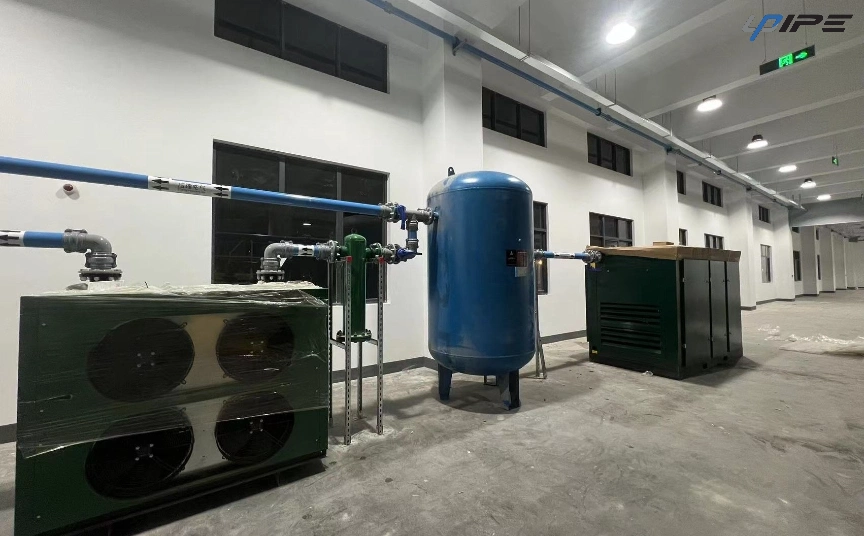
Modern aluminum compressed air pipelines cut pressure drop and prevent leaks, providing energy-saving solutions that lower plant power bills by 20% to 50%.
A skilled compressed air pipeline company offers 20% to 50% energy savings by placing modern pipe designs in your plant. For a standard factory, compressed air systems make up about 20% to 30% of all power used during daily work. However, old materials like black iron waste your generator power every single day. System leaks and pipe friction constantly drain expensive electricity. You can fix these costly losses by changing to smooth-bore aluminum modular systems like the Upipe Aluminum Pipe System. Modern energy-saving solutions protect work reliability and lower power bills right away. Updating your system cuts air disruption, halts leaks, and improves flow power across every production line.
Key Takeaways
Old iron pipes rust quickly, which wastes helpful energy from the compressor.
Smooth aluminum pipes reduce air drag, which helps lower energy use by as much as 50%.
Stopping air leaks saves thousands of dollars on power bills every year.
Flexible aluminum setups connect quickly without any welding or messy adhesives.
Clean aluminum pipes keep delicate equipment safe and help factory operations run without any problems.
Piping Impact on Compressed Air Efficiency
Mechanics of System Pressure Drop
Air friction in pipes slows air flow and reduces your air pressure. Smooth materials like aluminum keep lower inside friction over their entire working lives. Rusty steel pipes collect rust, which adds more friction and increases pressure loss.
Pipe size strongly controls how air moves through your system. When you lower pipe size by just 20%, air speeds up into rough flow and triples pressure loss. Engineers calculate this pressure drop using the basic formula: pressure drop = 1.28 x Q¹.85 x L / (d⁵ x P₁). You must also add 5 extra feet of pipe length for each tee or elbow fitting.
Pipe Parameter | Direct Effect on Pressure Loss |
|---|
Pipe Diameter | Smaller pipes create messy air flow, which quickly increases overall pressure loss. |
Surface Roughness | Rust makes pipe walls rougher, directly increasing energy loss over time. |
Financial Cost of Pipeline Leaks
Unchecked factory plants waste 20% to 30% of their total air through leaks. Tool connections, fittings, and air tools create most of this air loss. Starting regular leak checks helps keep your total air waste below 10%.
Air leaks make compressors work constantly, which increases your monthly electric bills. Your system uses 1% more power to fix every 2 PSI drop in pipe pressure.
Electricity Rate Basis | Operating Pressure | Annual Cost of 1/4-Inch Leak |
|---|
8.00¢/kWh Standard Estimate | 100 PSI | ~$9,200 |
9.08¢/kWh Indiana Average | 100 PSI | $8,812 – $14,013 |
Just one 1/4-inch leak running at 100 PSI costs thousands of dollars each year. Repairing air leaks saves power, keeps pressure steady, and ensures dependable tool performance across your factory.
Modern Pipelines and Energy-Saving Solutions
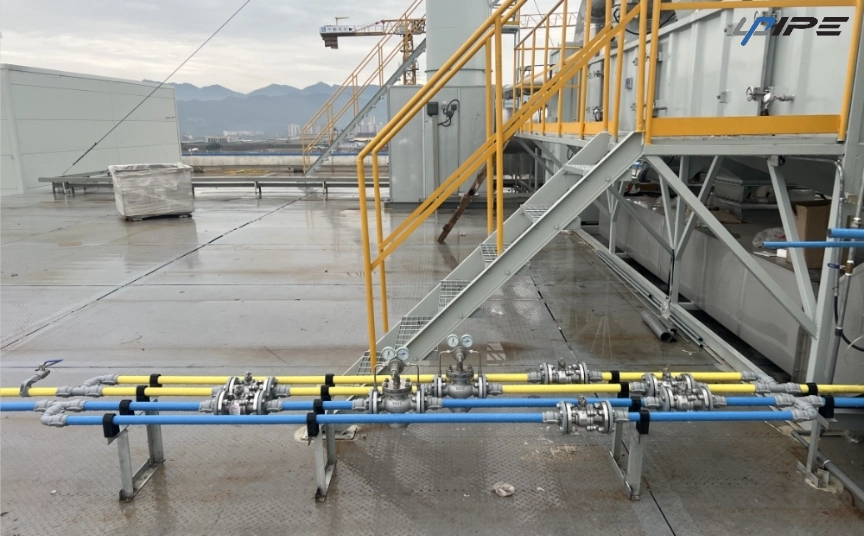
You can boost plant performance by choosing energy-saving solutions like the Upipe Aluminum Pipe System by UPIPE. UPIPE leads the industry with highly reliable, quick-to-install pipes made for modern factories. This smart pipeline technology replaces old piping networks in car, electronics, and machine plants. The lightweight aluminum alloy pipe works with simple modular parts, including 90-degree elbows, equal tees, reducing connectors, and strong flanges.
Smooth-Bore Aluminum Pipe Advantages
Smooth inner pipe walls protect your airflow from friction and heavy churning. Less friction directly cuts energy use on your air compressors. Old iron pipes often suffer from internal rust and scaling. In contrast, aluminum uses magnesium-silicon alloys like 6063 to create its own protective oxide layer. This tough barrier keeps the inside surfaces smooth for many years. You also protect downstream tools from dirt because smooth, rust-free walls stop particle buildup.
Piping Feature / Effect | Iron/Steel Piping | Upipe Aluminum Piping |
|---|
Corrosion Mechanism | Trapped water creates rust scale that peels and flakes off over time. | Builds a tough, thin oxide shield using magnesium-silicon alloys like 6063. |
Interior Surface Impact | Rough, pitted walls block smooth airflow and collect harmful bacteria. | Keeps a smooth inner surface shape over long periods of operation. |
Downstream Effect | Flaking rust clogs air filters and harms sensitive tool valves. | Stops rust particles, which keeps air filters clean and clear. |
Proper pipe sizes and loop layouts prevent major pressure drops in your system. Correct sizing factors in air volume, total pipe distance, and safe pressure limits to avoid flow bottlenecks. A loop design uses connected air paths rather than one straight line. This setup balances air pressure at every outlet, directly reducing the workload on your compressor equipment.
Modular Connections and Leak Prevention
UPIPE builds curved fittings like elbows and tees with special inside shapes that guide air smoothly through turns. These smart shapes direct air turns neatly, reducing rough air movement. Controlling this turbulence leads to smaller pressure drops and steady air supply across your whole building.
Prevention of Airflow Restrictions: Rust resistance guards pipe strength, preventing inside buildup that chokes air movement over time.
Prevention of Filter Clogging: Smooth inner walls stop scale and dirt from collecting, keeping steady flow speeds and protecting filters.
Optimized Flow Paths: Shaped fittings feature smooth inner paths, guiding air easily through elbows and tees to lower flow resistance.
The system uses leak-proof, push-fit connectors that lock joints right away without threading, soldering, or messy glue. Lightweight aluminum pipes let workers lift and move parts easily without heavy equipment. Joint seals tighten instantly upon insert, allowing you to pressurize the system right away. Your own team can finish the setup without hiring costly welders, saving lots of time and money.
Piping System Type | Installation Speed | Labor Share of Total Installation Cost |
|---|
Traditional Steel / Galvanized | 6 ft/hr | 60% – 80% |
Modular Aluminum Systems | 45 ft/hr | 20% |
This rapid modular design lowers setup time and makes future line changes easy. Tight-sealing parts stop air leaks, delivering reliable energy-saving solutions across all your industrial operations.
Comparing Legacy vs Modular Piping
Inefficiencies of Black Iron Systems
Old threaded steel pipe setups cause big daily headaches inside your plant. Building them takes hard work, many joint pieces, and messy thread sealing glue. Cut threads add 5 to 10 times more spots for air leaks than modern tubing designs. Keeping steel lines working well depends heavily on good, clean pipe threads and careful sealing during setup.
Internal Corrosion from Moisture: Old metal pipes trap wet air, which quickly rusts and breaks down the inner pipe walls.
Increased Pipe Surface Roughness: Rust creates rough inner walls, raising flow friction and dropping air pressure across the line.
Physical Restrictions and Blockages: Falling rust flakes drift down the pipe, creating tight blockages inside fittings and air valves.
Water pooling inside steel pipes brings on heavy inner rusting over time. This rust creates loose flakes that enter your air stream, ruining fresh paint jobs and damaging expensive tools.
Corrosion Stage / Location | Impact on Compressed Air Quality | Effect on Tools & Components |
|---|
Upstream of Inline Filter | Rust quickly fills up and blocks your air filter | Cuts air flow and makes filters fail much sooner |
Downstream of Inline Filter | Dirt bits fly right into your main air supply | Scratches inner parts and damages connected factory tools |
Long-Term ROI of Modular Upgrades
Switching your plant to modular aluminum lines fixes these common broken pipe issues fast. Tight seals, shut-off valves, and balanced air pressure cut your total system costs for years to come. Smooth inside pipe walls stop flow drag and keep air moving strong. These modern designs give you reliable energy-saving solutions that cut daily compressor power bills.
Swapping old black iron pipes for modern aluminum lines usually pays for itself in about five to seven years. Modular aluminum costs a bit more upfront, but you quickly win that money back through much lower electric bills and longer pipe life.
Industrial Applications and Performance
Electronics and Cleanroom Standards
High-tech factories need super clean air to operate properly. Old metal pipes often drop rust bits straight into your air line. Switching to new aluminum pipe setups shields delicate electronic parts from damage. Their smooth inside walls stop rust, prevent flaking, and ensure pure air flow.
Application / Sector | Particle Purity | Water / Humidity Purity | Oil Purity |
|---|
Cleanroom Applications | Class 1 | N/A | N/A |
Electronics & Semiconductor Manufacturing | Class 1 (≤ 0.1 μm) | Class 1 (Pressure Dew Point ≤ −70 °C) | Class 1 or Class 0 |
Sending air without oil drops protects sensitive computer chips from ugly spots. Pure air guards crucial work steps, like laser cutting, part testing, and product wrapping.
Cleanrooms for making computer chips set strict limits on tiny dirt bits, chemical vapors, and oily film. Since small specks ruin products, these clean rules apply to every supply pipe and flex line inside the plant.
Tiny bits of dirt, water, or oil ruin whole batches of computer chips and break circuit boards. Modern aluminum networks keep air super clean, stopping costly product losses across your factory tools.
Automotive and Heavy Manufacturing
Car factories need huge amounts of air to run large pneumatic tools. Robot arms, heavy presses, and paint sprayers need steady air pressure to work right. Old pipes choke air flow and cause sudden pressure drops that stall your machines. Upgrading to smooth aluminum pipes delivers reliable air right to every work station.
Modern tool plants need flexible pipe layouts to handle quick floor changes and new gear. Lightweight aluminum lines set up fast without special tools or slow thread cutting. You can move air lines quickly whenever factory layouts change. Strong, sealed fittings handle heavy tool shaking, block air leaks, and keep your shop running fast.
Working with a top compressed air pipeline company like UPIPE cuts your power costs and keeps steady air pressure in your factory. Switching to the Upipe system offers strong energy-saving solutions with leak-proof modular parts and smooth aluminum walls. Lower electric bills, easier upkeep, and simple pipe additions give your business a fast return on investment. Plant managers can check these money savings before changing their piping layout. Ask for a complete compressed air energy audit to track power use, check airflow speeds, and watch system pressure throughout your shop. Call UPIPE now to find modern energy-saving solutions for your factory floor.
FAQ
How much energy can the Upipe Aluminum Pipe System save my facility?
You can save 20% to 50% on power across your whole air network. Smooth inner pipe walls cut friction and stop pressure drops. This smart layout lowers compressor power needs and shrinks your monthly electric bills right away.
Why is modular aluminum better than traditional black iron piping?
Aluminum stops rust completely and prevents inside flaking. Old iron lines trap water and make rust flakes, which cause air leaks and pressure loss. Also, workers put up modular aluminum at 45 feet every hour, but old steel takes much longer.
How quickly can your team install or expand a Upipe network?
Your team can build UPIPE lines fast with light push-fit fittings. Workers snap joints together fast without any welding, thread cutting, or messy glue. You can turn on the air right away and change the setup later without long work shutdowns.
How do pipeline leaks impact my operational costs?
Hidden air leaks drain 20% to 30% of all the compressed air you make. One small 1/4-inch leak running at 100 PSI wastes thousands of dollars every single year. Changing to tight modular connections shuts down air loss and keeps your factory tools running great.