Home > News > Blog > Which pipe system reduces pressure loss in compressed air systems
# Blog
Which pipe system reduces pressure loss in compressed air systems
2026-06-16
Share:
An aluminum pipe system with smooth interiors and optimal layout reduces pressure loss in compressed air systems, ensuring efficient airflow and energy savings.
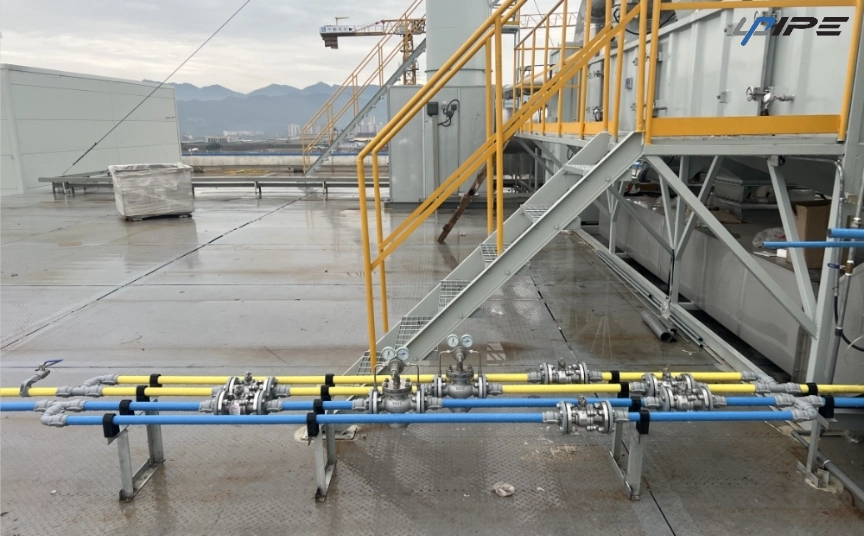
If you want less pressure loss in your compressed air system, pick a modern aluminum pipe system like the Upipe Aluminum Pipe System. You get better results when you choose the right pipe size, material, and layout. Aluminum pipes stay smooth for a long time, so you use less energy and avoid problems from rust or buildup.
It is important to think about pipe diameter when you design a compressed air pipe system. If the pipe is small, air moves faster. Fast air makes more friction and causes more pressure loss. Bigger pipes slow the air down. This means less friction and steady pressure. If you pick the wrong size, your tools might not get enough air.
If an air tool needs 90 PSI, it will not work well if pressure drops to 70 PSI at the tool.
Choosing the right diameter helps air flow well and stops air starvation. For example, if a system needs 100 CFM at 80 PSI, you must do the math to stop too much pressure loss. Pipes that are the right size lower friction and help your system work better.
Pipe Material
The pipe material you pick changes friction and pressure loss. Aluminum pipes are smooth inside, so air moves easily. Aluminum does not rust like steel or galvanized steel. Rust makes pipes rough inside and causes more friction and pressure loss. Copper pipes do not rust as much as steel, but they can still slow air down after a long time. Aluminum is better than copper and steel for keeping pressure and good airflow.
Aluminum pipes stay smooth and clean.
Steel pipes can rust and block air.
Copper pipes can slow air after long use.
Pipe Layout
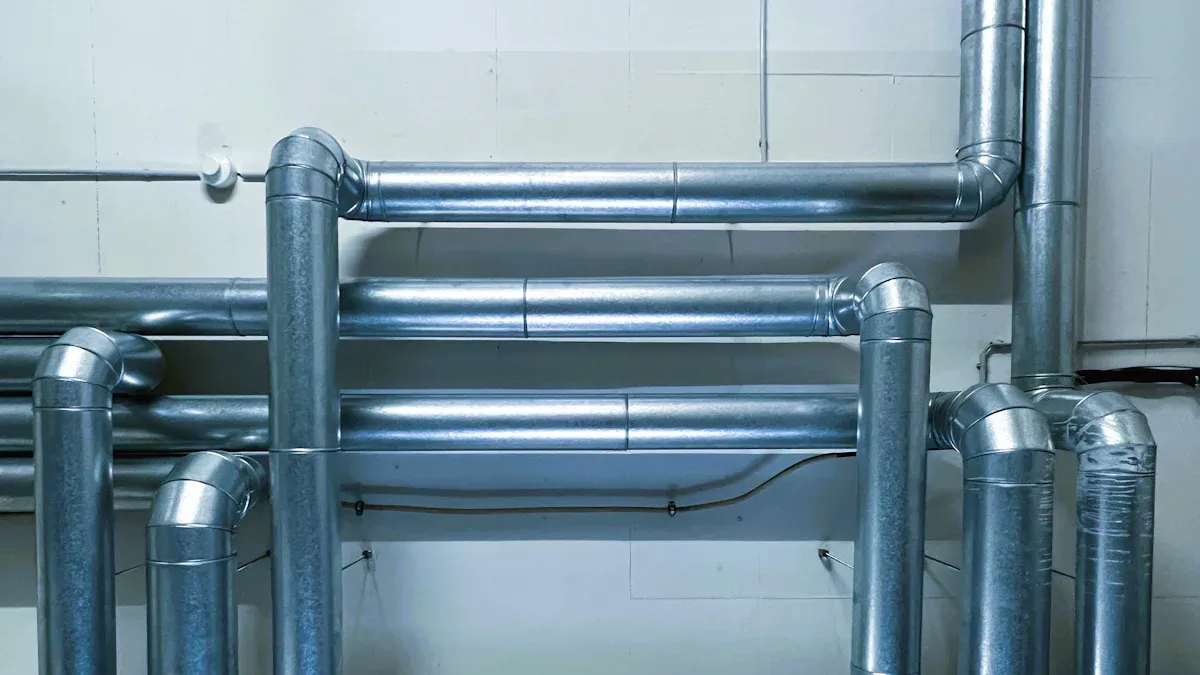
How you set up your pipe system matters for pressure loss. Long pipes and extra bends make more resistance. This makes air lose pressure as it moves. Air slows down at rough spots and bends, which adds to pressure loss. You should plan your pipe system to keep pipes short and avoid sharp turns.
Use fewer bends and fittings.
Make pipe runs short.
Use wide elbows and good angles.
A good layout helps your pipe system move air well and keeps pressure loss low.
Does not rust, works well with oil-free compressors, installs fast with pressed systems
Costs more than galvanized pipe
Aluminum
Light, does not rust, smooth inside lowers pressure loss, easy to change
May cost more at first than some other pipes
Copper
Does not rust, good for sensitive air, fails in a known way
Costs more to install, especially for big pipes; needs more material if you expand
Plastic (PVC)
Cheap and simple to put in
Not safe for compressed air; can swell and burst
Aluminum pipe systems are special because they are smooth inside and do not rust. This means less pressure loss and easy setup. Aluminum does not get rusty or dirty inside like steel. This stops blockages and leaks. Copper is good for clean air but costs more and takes longer to put in. Plastic pipes are not safe for compressed air.
The Upipe Aluminum Pipe System gives you even more benefits. The pipes are pure aluminum with thick walls for strength. Big pipes have raised rings to make setup faster. The inside stays clean and smooth for good airflow. You save time and work because it is quick to install. Strong connectors and seals stop leaks, even if the system shakes. Special shapes in tees and elbows help air move better and lower pressure loss. Clamps that stop shaking and a gooseneck shape protect your tools and keep things working well.
Tip: Picking an aluminum pipe system like Upipe helps you lower pressure loss, save energy, and need less fixing.
Loop-Type Configurations
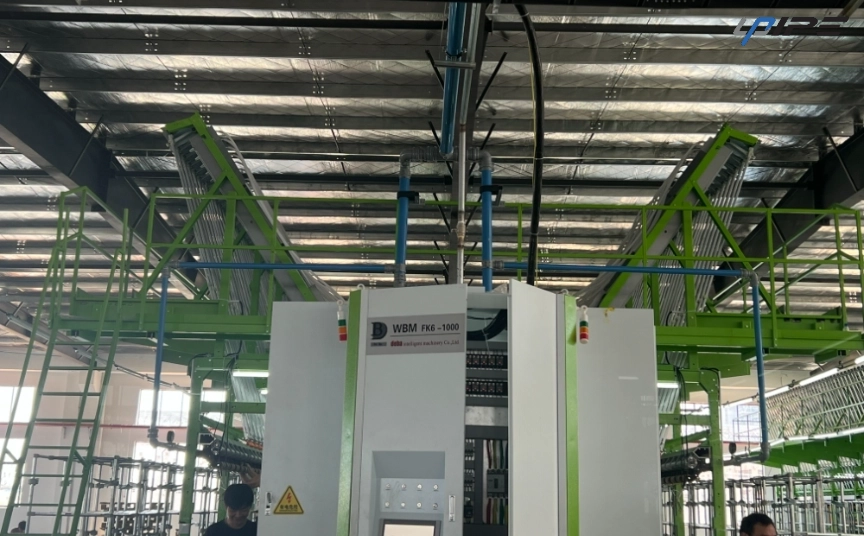
A loop-type setup gives your pipe system a big plus. In this design, air can move any way it needs to. It finds the easiest path. This helps spread pressure better and lowers pressure loss everywhere. You get steady air at every spot, even if people use more or less air.
Loop-type layouts also make your system work better. They keep pressure drops small and airflow steady. You do not get as much turbulence or water problems, which means less fixing. With a loop, every tool and machine gets enough pressure without big changes.
You should pick the right size for the main loop and connections. Using fewer elbows, tees, and couplings means less pressure loss. Good aluminum pipes, like Upipe, are best for loops because they do not leak and last a long time.
Smooth Internal Surfaces
Smooth insides are very important for lowering pressure loss. When air moves through a rough pipe, it rubs more and slows down. This makes pressure drop. Sharp bends and rough spots make it worse.
Aluminum pipes, like Upipe, have clean and smooth insides. This keeps friction low and air moving well. Real systems show that changing from steel to aluminum can lower pressure loss by 0.3 to 0.6 bar. You use less energy and your system works better.
The Upipe system uses pure aluminum and careful cutting to keep pipes clean inside. Special shapes in connectors and fittings help air move smoothly. You get less turbulence, save energy, and have steady pressure at every outlet.
Note: Smooth pipes and gentle bends help your pipe system work better and last longer.
Pressure Loss Reduction Tips
Minimize Fittings and Bends
You can lower pressure loss by making your pipe layout simple. Every bend or joint makes air lose pressure. Try to use straight pipes and avoid sharp turns.
Tip: Use looped piping systems if you can. Loops let air reach tools from different directions. This balances pressure and lowers drops.
Maintain Clean Pipes
Clean pipes help your compressed air system work well. Dirt, rust, and water can build up inside pipes and block airflow. This makes your tools weaker and can harm equipment.
You should control moisture and keep pipes dry. Good air quality helps your system last longer and saves energy. Clean pipes mean air gets to every tool at the right pressure.
Regular Inspection
Regular checks help you find and fix problems early. Leaks, blockages, and worn parts cause big pressure losses. You should:
Measures how fast pressure drops to find leaks or blockages.
Trend analysis
Uses flow meters to find changes in air use that may show a problem.
Downtime consumption
Looks at compressor power use when machines are off to find hidden leaks.
Note: Regular inspection and maintenance keep your pipe system working well. You save energy and avoid expensive repairs.
You can make pressure loss less in your compressed air system by picking a good aluminum pipe system like Upipe. Choose the right pipe size and plan your pipes with smooth insides, loop shapes, and not many bends. These choices help keep pressure steady, use less energy, and make your system work better.
Check your system often to save money and keep it working well for a long time.
FAQ
What causes pressure loss in compressed air systems?
You get pressure loss when air moves through pipes that are too small, have rough insides, or have many bends and fittings. Dirt, rust, and leaks also make pressure drop. You can lower pressure loss by choosing smooth, wide pipes and keeping your system clean.
Why should you choose aluminum pipes over steel or copper?
Aluminum pipes stay smooth inside and do not rust. You get steady airflow and less pressure loss. Aluminum pipes are lighter, easier to install, and last longer than steel or copper. You also save energy because air moves more easily.
How does the Upipe Aluminum Pipe System help reduce pressure loss?
The Upipe system uses pure aluminum with thick walls and smooth insides. Special connectors and flow shapes keep air moving fast and steady. Raised rings and strong seals stop leaks. You get less friction, fewer leaks, and better pressure at every outlet.
How often should you inspect your compressed air piping?
You should check your pipes at least once a year. Look for leaks, dirt, and signs of wear. Clean pipes and tight connections help your system work better. Regular checks save you money and prevent big problems.
This website uses cookies to provide you with a safer and more personal experience. By accepting, you agree to the Cookie Policy and the use of cookies for advertising and analytics purposes.